



- First-time travelers to Morocco should thoroughly prepare by registering for STEP and carrying modest clothing to respect local norms.
- Optimal visit periods are in spring and autumn when weather is mild, while summer and winter require careful planning due to extreme heat or cold.
- Respect, cultural humility, and practical logistics lead to meaningful experiences, with guided tours helping solo women navigate safely.
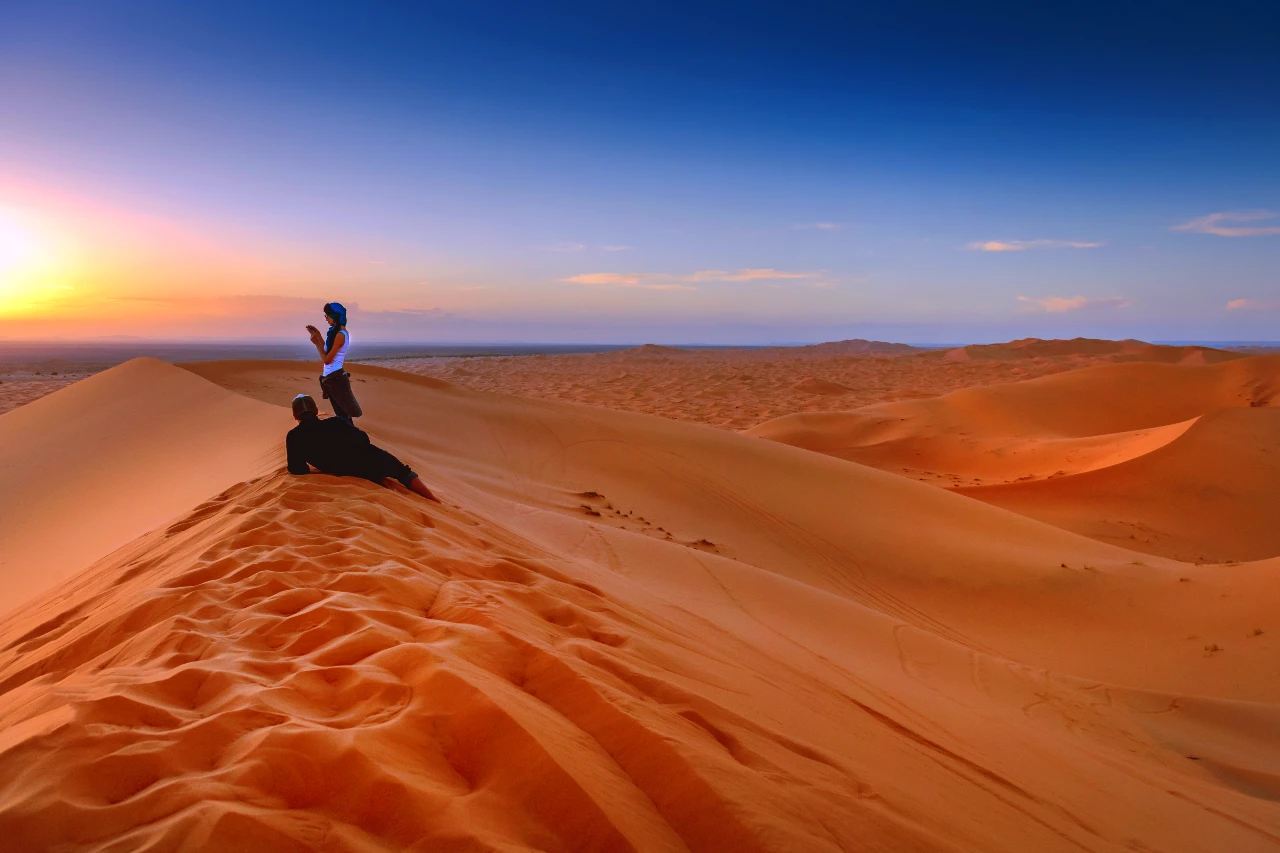
Morocco is one of the most rewarding destinations on earth for first-time travelers, provided you arrive with the right preparation. This Morocco travel guide covers everything you need: safety protocols, cultural etiquette, optimal timing, and on-the-ground logistics. Whether you are planning a few days in Marrakech or a two-week circuit through Fes, the Sahara, and the Atlas Mountains, the advice here will save you from the most common mistakes and help you experience Morocco the way it deserves to be experienced.
What are the top Morocco travel tips for first-time visitors?
Morocco is rated Level 1 to 2 for safety by the U.S. government, meaning standard travel precautions apply rather than elevated concern. That rating reflects a country where millions of tourists travel without incident every year. The risks that do exist are concentrated and predictable: petty theft in crowded medinas, opportunistic scams near major tourist sites, and occasional verbal harassment in busy souks. Knowing this upfront lets you stay alert without being anxious.
Your first practical step before departure is to enroll in STEP, the Smart Traveler Enrollment Program run by the U.S. Embassy. Registration is free, takes five minutes, and connects you to real-time safety alerts and emergency consular support. It is one of the most effective initial risk mitigations available to any traveler heading to Morocco, and most first-timers skip it entirely.
Passports must have at least 6 months’ validity and one blank page for entry stamps. Border officers enforce this without exception, and arriving with a nearly full passport or one expiring in four months will get you turned away. Check your document before you book anything else.
Health preparation is straightforward but non-negotiable. Bottled water is strongly recommended because tap water, while treated, regularly causes stomach issues in travelers whose systems are not accustomed to local mineral content. A 1.5-liter bottle costs roughly 4 MAD at any supermarket, making this one of the cheapest precautions you can take. Carry oral rehydration salts and a basic first aid kit as backup.
Memorize these emergency numbers before you land:
- Police: 19
- Ambulance: 15
- Gendarmerie (rural areas): 177
When you call emergency services, state your location and the type of emergency immediately and clearly. Practicing this in French or basic Darija (Moroccan Arabic) can save critical minutes. Most urban operators speak French; English is less reliable outside major hotels.
Pro Tip: Save all three emergency numbers in your phone under clearly labeled contacts before you leave the airport. Add your hotel’s address in both English and Arabic so you can show it to any driver or emergency responder.
When is the best time to visit Morocco?
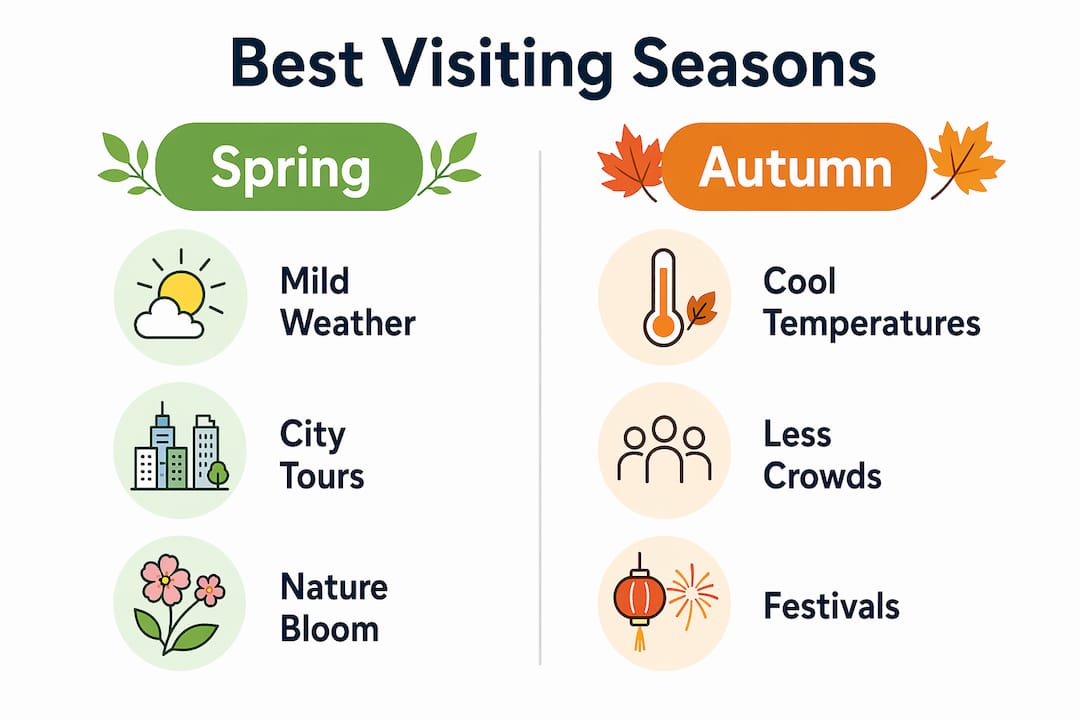
Spring and autumn are the two windows that deliver the best overall experience for first-time visitors. March through May brings mild temperatures, blooming landscapes in the Dades Valley, and comfortable conditions for both city exploration and desert camping. September through November offers the same balance on the other side of summer, with the added benefit of post-peak-season crowds thinning out in Marrakech and Fes.
Summer deserves a more nuanced read than most guides give it. Marrakech temperatures can exceed 40°C in July and August, making midday sightseeing genuinely dangerous without proper hydration and shade planning. The Atlantic coast cities of Essaouira and Agadir, however, benefit from ocean breezes that keep temperatures 10 to 15 degrees cooler than inland ones. If your Morocco itinerary for beginners includes coastal time, summer is workable. If it is all medinas and desert, avoid July and August.
Winter travel from December through February is underrated. Crowds drop significantly, accommodation prices fall, and the Atlas Mountains offer skiing at Oukaimeden, Morocco’s main ski resort located just 75 kilometers from Marrakech. Desert nights in the Sahara near Merzouga become genuinely cold, dropping below 5°C, so pack accordingly.
| Season | Temperature range | Best for | Watch out for |
|---|---|---|---|
| Spring (Mar–May) | 18–28°C | City tours, desert, trekking | April crowds: book early |
| Summer (Jun–Aug) | 30–42°C inland | Atlantic coast, Essaouira | Extreme heat inland |
| Autumn (Sep–Nov) | 18–28°C | All regions, fewer crowds | Occasional rain in north |
| Winter (Dec–Feb) | 8–18°C | Atlas skiing, budget travel | Cold desert nights |
Seasonal packing requires layering regardless of when you go. Desert days are hot; desert nights are cold. Mountain passes can shift from warm to freezing within an hour. Bring a lightweight down jacket even in spring.
Pro Tip: April is peak season in Marrakech. If you plan to stay in a traditional riad during that window, book at least three months in advance. The best properties sell out entirely.
How do cultural norms and etiquette shape your Morocco experience?
Cultural respect is not optional in Morocco. It is the single factor that most determines whether locals treat you warmly or keep you at arm’s length. Modest dress covering shoulders and knees reduces verbal harassment significantly and signals respect for local values. This applies to both men and women, though women traveling solo or in small groups will notice the difference most acutely.
Ramadan changes the entire rhythm of the country. During daylight hours, eating, drinking, and smoking in public spaces is considered deeply disrespectful and is technically illegal for non-Muslims in some contexts. Restaurants in tourist areas often remain open, but eating openly on the street will draw negative attention. The evenings during Ramadan, however, are extraordinary. Iftar (the breaking of the fast) transforms every neighborhood into a communal celebration, and being invited to share a meal with a local family during this period is one of the most memorable things Morocco offers.
Photography etiquette trips up more first-timers than almost any other cultural rule. Always ask permission before photographing people, particularly women, market vendors, and anyone in traditional dress. A simple “photo?” with a gesture is understood universally. Many people will say yes; some will say no. Accept both answers graciously. Photographing without asking, especially in the medina, can escalate quickly.
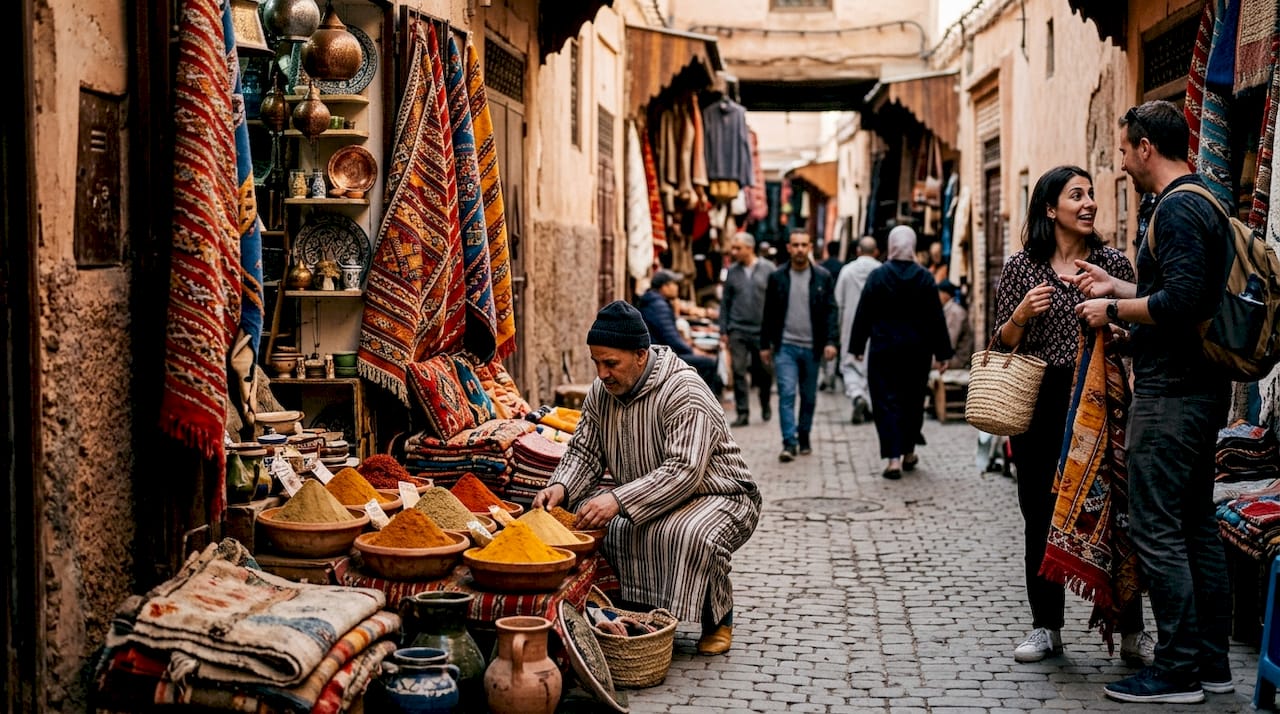
Bargaining in the souks is not aggressive negotiation. It is a social ritual with its own rhythm. Aim to pay 40 to 60% of the first price offered and treat the process as a conversation rather than a confrontation. If a vendor’s final price is still too high, a polite “shukran” (thank you) and a calm walk away is the correct move. Vendors rarely give their best price until they believe you are genuinely leaving.
A few phrases that open doors immediately:
- “As-salamu alaykum” (Peace be upon you): standard greeting
- “Shukran” (Thank you): used constantly
- “La shukran” (No, thank you): polite refusal
- “Bshal hada?” (How much is this?): opens bargaining
- “Parlez-vous français?” (Do you speak French?): useful fallback
Non-Muslims generally cannot enter working mosques in Morocco. The Hassan II Mosque in Casablanca is the main exception, offering guided tours to visitors of all faiths. Respect this boundary at all other religious sites without needing to be told.
Pro Tip: Learning five words of Darija before you arrive will generate more goodwill than any amount of money spent on tips. Moroccans are genuinely delighted when foreigners attempt their language.
How do you get around Morocco without stress?
Transport in Morocco works well when you use the right options. ONCF trains connect Casablanca, Rabat, Fes, Tangier, and Marrakech with reliable, comfortable service at reasonable prices. The Casablanca to Marrakech route takes around three hours on the express service. For routes not covered by rail, CTM and Supratours buses are the reputable intercity options.
Taxis come in two types. Petite taxis operate within cities and are metered (insist the meter runs). Grand taxis cover intercity routes and operate on a shared basis, filling up before departing. At airports, pre-booked transfers arranged through your accommodation or a service like TopMoroccoTravel eliminate the negotiation entirely and are worth the modest premium for a first visit.
For connectivity, buy a local SIM card from Maroc Telecom or Orange Morocco at the airport on arrival. Data packages are inexpensive and give you offline map access through Google Maps or Maps.me, which is critical for navigating medinas where street signs are inconsistent. Alternatively, an international eSIM plan lets you activate coverage before you land, which is useful if you want connectivity from the moment you clear customs.
Currency is the Moroccan dirham (MAD), which is a closed currency. You cannot buy it before you arrive. Airport exchange booths are convenient but offer poor rates. ATMs in city centers give better rates; compare options at Morocco dirham exchanges before you go to understand what a fair rate looks like. Carry cash at all times. Card acceptance outside major hotels and restaurants is unreliable, and medina vendors operate entirely in cash.
- Arrive with a small amount of euros or dollars to exchange at the airport for immediate needs (taxi, water, SIM card).
- Withdraw dirhams from a bank ATM in the city center within your first day.
- Keep small bills separate. Vendors rarely have change for 200 MAD notes.
- Never exchange money with street touts. The rates look good; the bills are often counterfeit.
- Budget roughly 100 to 200 MAD per day for incidentals in the medina.
Unofficial guides will approach you in every major medina, particularly in Fes and Marrakech. They are persistent and convincing. The standard pitch involves an offer to show you something “for free” that ends at a cousin’s carpet shop. A firm, polite “la shukran” repeated once or twice is sufficient. Engaging in extended conversation makes it harder to disengage. For genuine guided experiences, book through a reputable operator before you arrive.
Key takeaways
First-time visitors to Morocco succeed when they combine thorough preparation with genuine cultural openness, treating the country’s customs as features rather than obstacles.
| Point | Details |
|---|---|
| Register before you travel | Enroll in STEP and save emergency numbers (police: 19; ambulance: 15) before departure. |
| Time your trip for spring or autumn | March to May and September to November offer the best weather across all regions. |
| Dress and behave respectfully | Modest clothing and basic Darija phrases reduce friction and generate genuine warmth. |
| Use official transport and cash | ONCF trains, pre-booked transfers, and dirham cash prevent the most common logistical headaches. |
| Book riads early for peak season | Traditional riad accommodations in Marrakech and Fes sell out months ahead during April. |
What first-timers actually discover about Morocco
After years of helping travelers plan and experience Morocco through TopMoroccoTravel, the pattern I see most consistently is this: the people who struggle are the ones who try to control every variable. Morocco does not reward that approach.
The medina in Fes is genuinely disorienting the first time. You will get lost. That is not a failure of planning; it is the experience. Some of the best meals, most interesting conversations, and most unexpected discoveries happen when you stop trying to find what you came to find and start noticing what is actually around you. A small bakery producing msemen at 7am, a neighborhood hammam that has never seen a tourist, and a family inviting you to watch a football match from their rooftop. None of that appears on any itinerary.
That said, I am not romanticizing unpreparedness. The travelers who have the richest experiences are the ones who did the practical work upfront: STEP enrollment, emergency numbers saved, modest clothes packed, basic phrases learned, and transport pre-arranged. They arrive with the logistics handled and the mental space to be genuinely present.
The kindness of Moroccan people is not a travel cliché. It is the most consistent thing every first-timer reports back. But it is also conditional on how you show up. Arrive with cultural humility, some basic respect for local norms, and a willingness to slow down, and Morocco will give you more than you planned for.
For solo women, the experience requires more preparation and awareness. The safety considerations for solo female travelers are real and worth reading in full before you go. Guided tours for the first visit are something I genuinely recommend, not as a commercial suggestion but because they remove the friction that turns manageable situations into stressful ones.
— TopMoroccoTravel.com
Plan your Morocco trip with expert guidance
TopMoroccoTravel.com designs Morocco experiences specifically for first-time visitors who want authentic immersion without the logistical guesswork. Whether you want a luxury city tour through Marrakech and Fes, a Sahara desert adventure near Merzouga, or a fully tailored Morocco itinerary built around your interests and travel style, the team handles every detail from airport transfers to riad bookings. First-time visitors benefit most from guided experiences that provide cultural context and local access that independent travel rarely delivers. Book early for spring and autumn departures. The best accommodations and desert camps fill up months in advance.
FAQ
Is Morocco safe for first-time visitors?
Morocco is rated Level 1 to 2 for travel safety by the U.S. government, meaning standard precautions apply. Petty theft and scams in tourist areas are the primary risks, not violent crime.
What should first-time visitors pack for Morocco?
Pack modest clothing covering shoulders and knees, a lightweight layer for cool desert nights, comfortable walking shoes for medina cobblestones, and bottled water for the first day. A small daypack for medina exploration beats a large backpack.
Do I need a visa to visit Morocco?
U.S., UK, EU, and Canadian passport holders do not need a visa for stays under 90 days. Your passport must have at least 6 months’ validity and one blank page for entry stamps.
What is the best way to get around Moroccan cities?
ONCF trains connect major cities reliably. Within cities, metered petit taxis are the standard option. Pre-booked transfers from your accommodation eliminate airport taxi confusion entirely.
How much cash should I carry in Morocco?
The Moroccan dirham is a closed currency, so you cannot buy it before arrival. Withdraw dirhams from a city-center ATM on your first day and carry cash at all times, as card acceptance in medinas and smaller restaurants is unreliable.


Comments are closed