




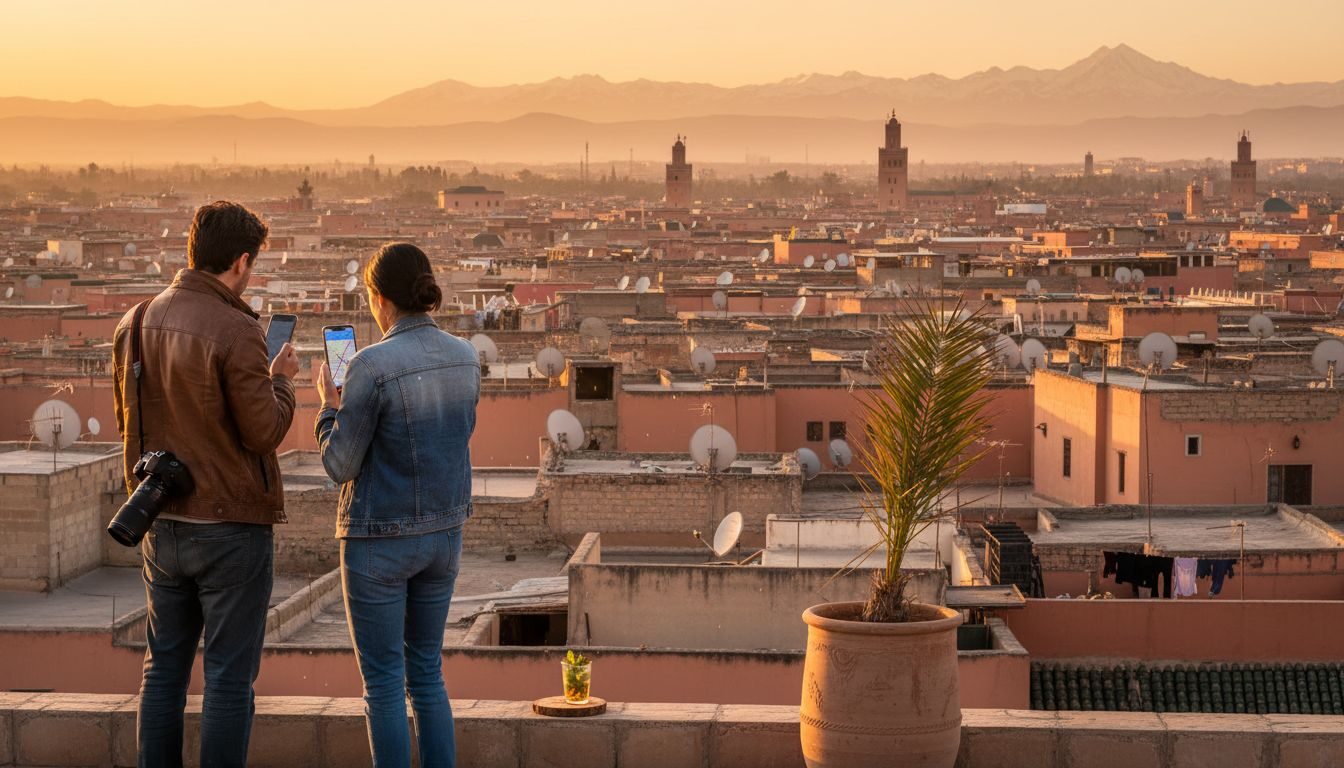
Morocco’s cities present travelers with stunning diversity, from ancient medinas steeped in thousand-year traditions to vibrant coastal towns offering adventure sports. Selecting the right destinations can feel overwhelming when every city promises unique cultural treasures and authentic experiences. This guide breaks down how to match Morocco’s most compelling cities to your travel style, climate preferences, and cultural interests, ensuring you craft an unforgettable journey that resonates with your personal adventure goals.
Table of Contents
- How To Choose The Best Moroccan Cities To Visit
- Marrakech: The Vibrant Cultural Heart Of Morocco
- Fes: The Medieval Artistic Jewel
- Chefchaouen: Morocco’s Blue Gem
- Casablanca: Modern Gateway And Iconic Architecture
- Essaouira: Coastal Heritage And Adventure Hub
- Rabat And Tangier: Capital Calm And Gateway Multiculturalism
- Comparing Moroccan Cities: Summary Table And Recommendations
- Plan Your Perfect Moroccan City Tour With Top Morocco Travel
- Frequently Asked Questions
Key takeaways
| Point | Details |
|---|---|
| Selection criteria | Balance cultural heritage, accessibility, climate, and personal travel preferences when choosing cities. |
| Heritage hubs | Marrakech and Fes deliver UNESCO-recognized medinas with deep historical immersion and artisan traditions. |
| Romantic retreats | Chefchaouen’s blue-painted streets and elevated cool climate create ideal settings for couples and photographers. |
| Modern gateway | Casablanca combines cosmopolitan urban energy with iconic architecture and primary international airport access. |
| Coastal adventure | Essaouira blends UNESCO heritage fortifications with consistent winds attracting windsurfing enthusiasts year-round. |
How to choose the best Moroccan cities to visit
Selecting which Moroccan cities to explore requires understanding four core factors that shape your travel experience. Cultural heritage stands paramount for travelers seeking authentic immersion, with UNESCO World Heritage Sites offering preserved medieval architecture and living traditions. Climate differences across Morocco mean spring and autumn deliver comfortable temperatures in most cities, while coastal locations like Essaouira enjoy milder summers. Accessibility and transportation infrastructure significantly impact itinerary planning, as cities connected to Casablanca’s international airport simplify multi-city journeys.
Your traveler type determines ideal city matches. Solo adventurers often gravitate toward Marrakech’s vibrant energy and extensive tourism infrastructure. Couples seeking tranquility find Chefchaouen’s serene blue streets perfect for intimate exploration. Families benefit from cities offering diverse activities and reliable accommodation standards. Consider these selection factors:
- Cultural depth through historic medinas, palaces, and artisan workshops
- Climate patterns matching your preferred travel season
- Transportation connections via airports, trains, and bus networks
- Accommodation quality ranging from budget riads to luxury hotels
- Activity options from culinary tours to adventure sports
Pro Tip: Research each city’s tourism infrastructure before booking. High-traffic destinations like Marrakech offer more English-speaking guides and diverse dining options, while smaller cities provide authentic local interactions with fewer tourist crowds.
Understanding these criteria helps you prioritize destinations aligning with your travel goals. The following city profiles apply this framework to Morocco’s most compelling urban destinations, giving you practical insights for planning your Morocco adventure with confidence.
Marrakech: the vibrant cultural heart of Morocco
Marrakech functions as Morocco’s cultural powerhouse, drawing travelers with its intoxicating blend of historic medina labyrinths, opulent palaces, and relentless marketplace energy. The city welcomes approximately 2 million visitors annually, drawn by UNESCO-recognized sites including Jemaa el-Fnaa square and the ancient medina walls. Walking through the Marrakech medina reveals centuries-old riads hidden behind weathered doors, snake charmers competing with spice vendors for attention, and the constant rhythm of artisan hammers shaping copper cookware.
The city’s tourism infrastructure ranks among Africa’s most developed, offering accommodation from budget hostels to palatial riads with rooftop terraces overlooking the Atlas Mountains. Marrakech suits travelers who thrive on sensory intensity combined with cultural depth. Evening brings the medina’s transformation into a theatrical food market, where smoke from grilled meats mingles with calls from storytellers maintaining oral traditions dating back centuries.
Key attractions making Marrakech essential include:
- Bahia Palace showcasing intricate Islamic architecture and tilework
- Jardin Majorelle blending botanical gardens with Yves Saint Laurent’s artistic legacy
- Traditional hammams offering authentic Moroccan spa experiences
- Rooftop restaurants providing sunset views across the medina’s terra-cotta expanse
- Night markets serving street food from lamb tagines to fresh orange juice
Pro Tip: Visit Marrakech’s main attractions early morning to avoid peak tourist crowds and intense midday heat. The medina’s narrow streets amplify temperatures, making dawn exploration significantly more comfortable while capturing golden-hour photography.
Marrakech’s combination of accessibility, cultural richness, and tourism infrastructure makes it Morocco’s most popular urban destination. The city rewards multiple-day visits, as things to do in Marrakech extend from historic site tours to day trips into the Atlas Mountains, ensuring diverse experiences beyond the medina’s ancient walls.
Fes: the medieval artistic jewel
Fes preserves Morocco’s medieval soul within the world’s largest car-free urban zone, where 9,000 alleyways wind through a UNESCO-protected medina frozen in centuries past. The city’s artisan quarters maintain crafts using techniques unchanged since the 9th century, with leather tanners still processing hides in stone vats filled with natural dyes extracted from saffron, indigo, and poppy flowers. This living museum atmosphere attracts travelers prioritizing authentic historical immersion over modern conveniences.
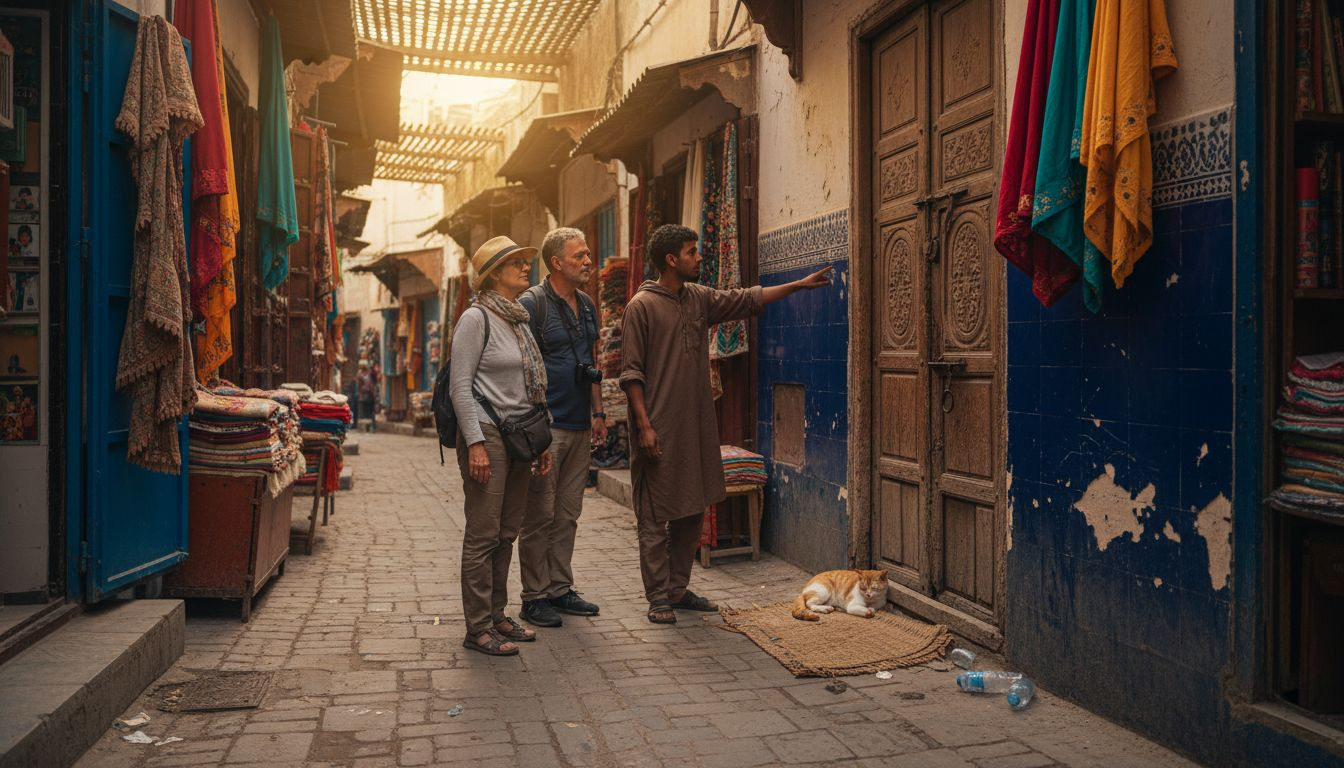
Fes el-Bali, the old medina, functions as a time capsule where donkeys remain the primary transport method through passages too narrow for vehicles. The city’s spiritual significance as Morocco’s religious capital adds layers of cultural depth, with the University of al-Qarawiyin representing the world’s oldest continuously operating educational institution. Exploring Fes rewards patient navigation, as getting lost in the medina’s labyrinth becomes part of the authentic experience rather than a frustration.
Distinctive features positioning Fes as essential for cultural travelers include:
- Chouara Tannery displaying traditional leather processing methods using techniques spanning 11 centuries
- Bou Inania Madrasa showcasing peak Marinid architecture with carved cedar and zellige tilework
- Attarine Souk concentrating spice merchants and traditional perfumers in historic marketplace quarters
- Pottery cooperatives producing distinctive Fassi blue ceramics using local clay deposits
- Culinary traditions including pastilla, a sweet-savory pastry reflecting Arab-Andalusian fusion
The top sights in Fes require guided navigation for first-time visitors, as the medina’s complexity exceeds casual exploration. However, this challenge enhances cultural immersion in Morocco, forcing travelers to engage locals for directions and creating spontaneous interactions revealing daily life rhythms unchanged across generations. Fes demands more patience than Marrakech but delivers unmatched medieval authenticity for travelers willing to surrender to its timeless pace.
Chefchaouen: Morocco’s blue gem
Chefchaouen distinguishes itself through visual poetry rather than historic monuments, with entire medina quarters painted in graduated blue tones creating an otherworldly atmosphere photographers dream about. The city’s elevation at 564 meters produces noticeably cooler temperatures than lowland cities, offering welcome relief during Morocco’s hot months while maintaining pleasant spring and autumn weather ideal for extended walking exploration through blue-washed streets.
This Rif Mountain town attracts couples and solo travelers seeking Morocco’s gentler side, where aggressive vendor tactics give way to relaxed conversations and tea invitations without sales pressure. Chefchaouen’s artistic community includes painters, weavers, and leather craftsmen working in small ateliers tucked along steep cobblestone paths. The town’s compact size allows complete exploration in two days, though many visitors extend stays to absorb the tranquil rhythm absent in larger Moroccan cities.
Chefchaouen’s appeal centers on specific attributes differentiating it from Morocco’s busier urban centers:
- Photographic opportunities multiplying at every corner as blue walls create natural Instagram-worthy backdrops
- Hiking access into Rif Mountains via trails leading to Spanish Mosque viewpoint and Akchour waterfalls
- Relaxed medina atmosphere with lower tourist density enabling authentic local interactions
- Artisan workshops specializing in wool products, from woven blankets to traditional djellaba robes
- Rooftop cafes offering mountain panoramas while serving mint tea and local goat cheese
Pro Tip: Book accommodation inside Chefchaouen’s medina rather than newer town areas. Waking to blue-painted streets without day-tripper crowds creates magical early morning photo sessions and provides intimate glimpses into residents’ daily routines before tourism activity intensifies.
The town’s limited nightlife and quiet evenings suit travelers exhausted from Morocco’s more frenetic cities, functioning as a perfect mid-trip retreat for rejuvenation before continuing to coastal or desert destinations.
Casablanca: modern gateway and iconic architecture
Casablanca operates as Morocco’s economic engine and largest city, where nearly 4 million residents create a cosmopolitan atmosphere dramatically different from heritage-focused destinations. The Hassan II Mosque dominates the Atlantic coastline with a minaret reaching 210 meters, making it among the world’s tallest religious structures while showcasing Moroccan craftsmanship through intricate marble work and hand-carved cedar ceilings. This architectural masterpiece welcomes non-Muslim visitors through guided tours revealing Islamic artistic traditions.
The city’s role as Morocco’s primary international gateway means most travelers pass through Casablanca’s Mohammed V Airport regardless of final destinations. Savvy itinerary planners capitalize on this by scheduling a night or two exploring the city’s Art Deco architecture legacy from French colonial periods, contemporary Moroccan Mall shopping experiences, and the Corniche beachfront district where locals gather for sunset strolls and seafood dinners.
Casablanca’s urban character appeals to specific traveler profiles:
- Business travelers appreciating modern infrastructure, reliable internet, and international hotel chains
- Architecture enthusiasts exploring Art Deco neighborhoods and modernist Moroccan design fusion
- Foodies seeking upscale Moroccan cuisine in contemporary settings beyond traditional medina restaurants
- Travelers connecting between cities who want urban exploration rather than airport layovers
The city lacks the romantic medieval atmosphere characterizing Fes or Marrakech, positioning it as a complement to rather than replacement for heritage destinations. However, Casablanca provides valuable perspective on contemporary Moroccan life, where young professionals navigate between traditional values and modern aspirations in ways invisible within tourist-focused medina quarters.
Essaouira: coastal heritage and adventure hub
Essaouira balances UNESCO World Heritage status with Morocco’s premier windsurfing conditions, creating a unique destination where Portuguese fortifications frame beaches hosting international wind sports championships. The city’s medina follows a logical grid plan contrasting dramatically with Fes’s chaotic labyrinth, making independent navigation stress-free while maintaining authentic souks selling thuya wood crafts and argan oil products unavailable elsewhere in Morocco.
The Atlantic’s consistent trade winds averaging 20 to 25 km/h through summer months attract kitesurfing and windsurfing devotees from Europe and beyond. These same winds keep temperatures moderate even during peak summer, allowing beach activities when inland cities swelter. Essaouira’s artistic reputation draws musicians, painters, and writers seeking coastal inspiration, with numerous galleries displaying contemporary Moroccan art alongside traditional Gnawa music performances echoing through medina squares.
Essaouira’s distinctive character emerges through several defining elements:
- Ramparts and sea bastions offering dramatic Atlantic views where waves crash against 18th-century fortifications
- Fresh seafood markets where daily catches transform into grilled fish platters at harborside restaurants
- Relaxed pace compared to Marrakech, with locals prioritizing leisurely tea culture over aggressive commerce
- Beach activities from camel rides to professional windsurfing lessons in dedicated schools
- Annual Gnawa World Music Festival attracting international performers each June
The top places to visit in Morocco frequently include Essaouira as a coastal counterpoint to inland imperial cities, offering travelers essential variety in landscape and atmosphere. The city’s compact medina allows thorough exploration in a single day, though wind sports enthusiasts and beach lovers justify extended stays capturing Morocco’s maritime character absent from desert and mountain destinations.
Rabat and Tangier: capital calm and gateway multiculturalism
Rabat functions as Morocco’s administrative capital with a notably relaxed vibe compared to tourist magnets like Marrakech, experiencing 40% fewer crowds while maintaining significant cultural attractions. The Hassan Tower and Mohammed V Mausoleum showcase Almohad dynasty architecture, while the Kasbah of the Udayas delivers blue and white painted streets reminiscent of Greek islands overlooking the Atlantic. This understated elegance attracts travelers seeking authentic Moroccan life without constant vendor pressure.
Tangier occupies Morocco’s northern tip where Africa nearly touches Europe across the Strait of Gibraltar, creating a multicultural port city flavored by centuries of international influence. The city’s recent renaissance following high-speed rail connections to Casablanca and massive port development transformed it from a gritty backwater into a sophisticated destination blending Moroccan tradition with European accessibility. Tangier’s cosmopolitan cafes and seafront promenades reflect this unique position as Morocco’s continental gateway.
| Feature | Rabat | Tangier |
|---|---|---|
| Atmosphere | Calm, dignified capital energy | Dynamic, multicultural port buzz |
| Tourist density | Low, primarily domestic visitors | Moderate, European day-trippers |
| Key attractions | Hassan Tower, Royal Palace gardens | Kasbah Museum, Hercules Caves |
| Best for | Travelers seeking authentic calm | Gateway city explorers |
Choosing between these cities depends on personal preferences:
- Rabat suits travelers exhausted by tourist intensity seeking Morocco’s political and cultural sophistication
- Tangier appeals to those fascinated by cross-cultural exchanges and Morocco’s European connections
- Both cities offer beach access with less commercialization than Essaouira or Agadir
- Historic kasbahs in each location preserve Moroccan architectural heritage with fewer crowds
These destinations rarely top first-timer itineraries but provide depth for return visitors wanting to explore beyond Morocco’s greatest hits. Understanding visiting Morocco’s full potential means recognizing how Rabat and Tangier complement rather than compete with more famous cities.
Comparing Moroccan cities: summary table and recommendations
Matching cities to personal preferences requires understanding how each destination excels in different categories. The following comparison synthesizes earlier sections into actionable decision-making criteria:
| City | UNESCO Status | Annual Visitors | Climate | Best For |
|---|---|---|---|---|
| Marrakech | Yes | 2 million+ | Hot summers, mild winters | First-timers, nightlife seekers |
| Fes | Yes | 1 million+ | Hot summers, cool winters | History buffs, cultural immersion |
| Chefchaouen | No | 500,000+ | Temperate year-round | Couples, photographers |
| Casablanca | No | 3 million+ | Moderate coastal | Business, modern architecture |
| Essaouira | Yes | 800,000+ | Mild, windy summers | Beach lovers, windsurfers |
| Rabat | Yes | 600,000+ | Moderate coastal | Calm cultural exploration |
| Tangier | No | 1.2 million+ | Mediterranean mild | Gateway city, multiculturalism |
Recommendations based on traveler profiles:
- First-time visitors should prioritize Marrakech and Fes for comprehensive Moroccan cultural exposure within established tourism infrastructure
- Couples seeking romance benefit from Chefchaouen’s tranquility combined with Essaouira’s coastal charm
- Adventure enthusiasts find Essaouira’s wind sports and Atlas Mountain access from Marrakech most appealing
- Culture-focused travelers maximize authentic immersion through Fes’s medieval medina paired with Rabat’s understated sophistication
- Photography enthusiasts cannot miss Chefchaouen’s blue streets and should add Essaouira’s fortifications for coastal contrast
- Business travelers mixing work with leisure find Casablanca’s modern amenities most practical before venturing to heritage cities
Optimal itineraries typically combine three to four cities over 10 to 14 days, balancing heritage sites with coastal or mountain variety. Starting in Casablanca provides international flight convenience, then moving to imperial cities before finishing at coastal destinations creates logical geographic flow while building toward relaxing beach time after intense cultural immersion.
Plan your perfect Moroccan city tour with Top Morocco Travel
Transforming research into reality becomes effortless when working with local experts who understand how to craft seamless multi-city itineraries. Explore professionally designed Moroccan city tour concepts that eliminate planning stress while ensuring you experience each destination’s highlights without missing hidden gems locals treasure. Top Morocco Travel specializes in imperial cities tours blending Marrakech, Fes, Rabat, and Meknes into cohesive journeys with comfortable transportation, quality accommodation, and knowledgeable guides.
Discover why guided tours deliver the best Morocco experience through insider access to artisan workshops, skip-the-line entrance to popular monuments, and cultural context transforming sites from pretty buildings into meaningful historical narratives. Your authentic Moroccan adventure awaits with customizable packages matching your exact preferences and travel style.
Frequently asked questions
What are the must-visit Moroccan cities for a first-timer?
First-time visitors should prioritize Marrakech for its comprehensive cultural experience, established tourism infrastructure, and accessibility via international flights. Fes delivers unmatched historical authenticity through its medieval medina and traditional artisan quarters, providing essential contrast to Marrakech’s tourist-friendly energy. Adding Chefchaouen creates a well-rounded introduction balancing Morocco’s imperial grandeur with mountain tranquility and photographic appeal.
When is the best time to visit Morocco’s cities for pleasant weather?
Spring months from March through May and autumn from September through November offer ideal temperatures across most Moroccan cities, with moderate warmth and minimal rainfall. Chefchaouen’s elevated position creates cooler conditions making spring and fall particularly comfortable for walking exploration. Coastal cities like Essaouira maintain pleasant temperatures even during summer months due to Atlantic breezes, while inland imperial cities can experience intense heat from June through August.
How do I travel efficiently between major Moroccan cities?
Use Casablanca’s Mohammed V International Airport as your primary entry point, which offers direct train connections to Marrakech, Rabat, and Tangier through Morocco’s modern rail network. Buses operated by CTM and Supratours connect cities lacking rail service, including Chefchaouen, Essaouira, and Fes. Private transfers arranged through tour operators provide maximum comfort and flexibility for groups or travelers prioritizing convenience over budget.
Which Moroccan city is best for couples seeking a romantic atmosphere?
Chefchaouen tops romantic destination lists through its tranquil blue-painted streets, intimate riad accommodations, and cool mountain climate creating comfortable conditions for hand-in-hand medina exploration. The town’s artistic atmosphere, absence of aggressive vendors, and stunning mountain backdrop provide natural romance without manufactured tourist experiences. Couples should allocate at least two nights to fully absorb Chefchaouen’s peaceful rhythm and photograph its magical dawn light when blue walls glow before day-trippers arrive.
Recommended
- Marrakech Travel Guide: Explore Morocco’s Vibrant Heart
- 8 Essential Morocco Travel Tips for Every Type of Traveler
- Best Places to See in Morocco: Top Destinations
- 7 Essential Facts About Famous Moroccan Cities
- Top Destination Wedding Outfit Ideas 2025: Dress to Impress – DressMeUpNY


Comments are closed