




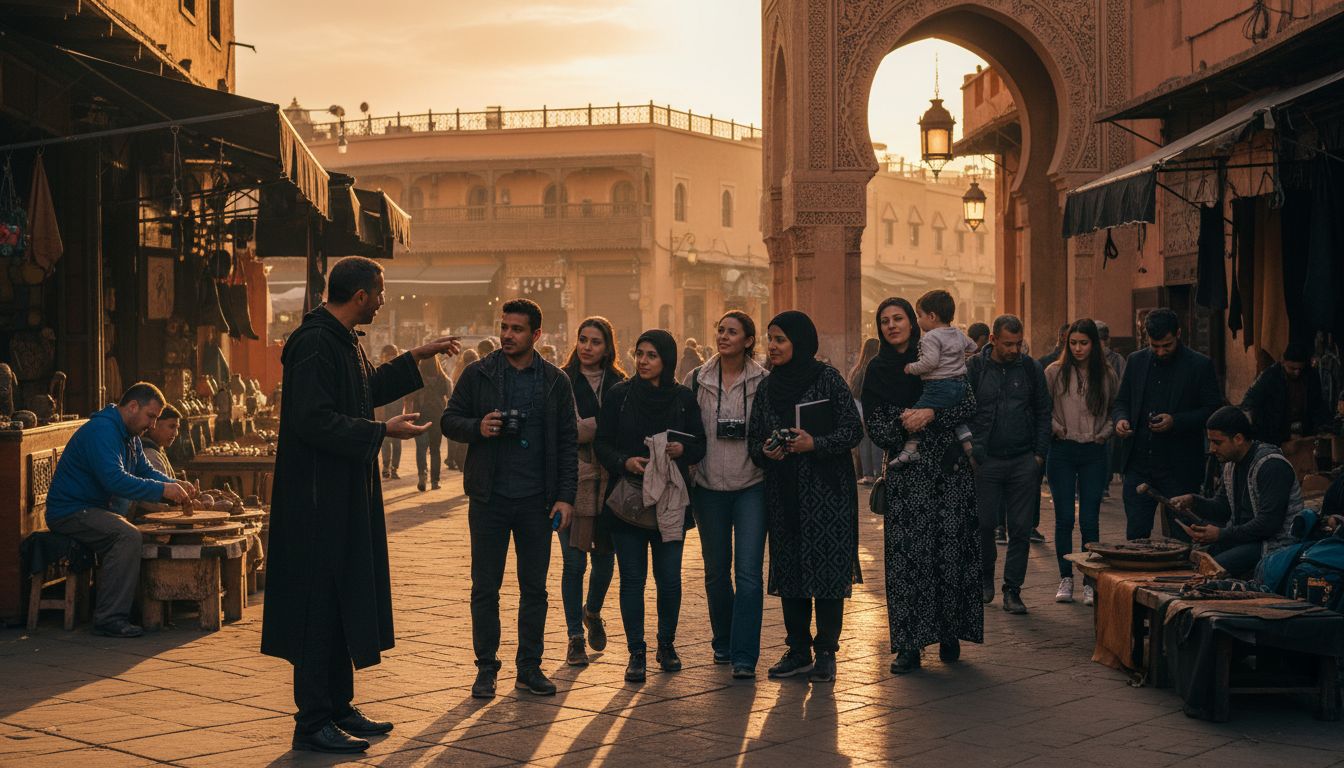
Over nine UNESCO World Heritage Sites showcase Morocco’s breathtaking blend of culture, history, and natural beauty. For any traveler captivated by global wonders, these sites reveal stories that reach far beyond the ordinary guidebook. From living medinas to ancient fortresses, each destination provides a vivid window into centuries of remarkable human achievement. Discover how these iconic locations preserve legacies and inspire modern visitors to connect with Morocco’s enduring heritage.
Table of Contents
- Understanding UNESCO World Heritage in Morocco
- Exploring the Historic City of Marrakech
- Marveling at the Medina of Fez
- Uncovering the Ancient City of Meknes
- Discovering the Kasbah of Ait Ben Haddou.
- Walking the Streets of Essaouira Medina
- Travel Tips for Visiting UNESCO Sites in Morocco
Quick Summary
| Key Message | Explanation |
|---|---|
| 1. Explore UNESCO Sites for Rich Heritage | Visiting these sites offers profound insights into Morocco’s cultural and historical significance. Each location preserves vital stories of human civilization. |
| 2. Engage Local Guides for Deeper Understanding | Local guides provide valuable context and insights, enhancing your appreciation of the historical and cultural narratives embedded in these sites. |
| 3. Experience Marrakech’s Vibrant Medina | The medina in Marrakech embodies centuries of architectural genius and cultural evolution, allowing travelers to immerse themselves in rich local traditions. |
| 4. Appreciate the Authenticity of Fez’s Medina. | As a living museum, Fez’s medina showcases traditional craftsmanship and medieval urban life that has remained largely unchanged for centuries. |
| 5. Respect local cultures and traditions. | Dressing modestly, learning basic local phrases, and being mindful of cultural norms foster a more respectful and enriching travel experience. |
1. Understanding UNESCO World Heritage in Morocco
UNESCO World Heritage Sites represent the most extraordinary cultural and natural treasures our planet offers. In Morocco, these sites tell a powerful story of human civilization, architectural brilliance, and profound historical significance. According to the UNESCO World Heritage Centre, Morocco boasts nine remarkable World Heritage Sites that showcase its incredible diversity and rich cultural landscape.
The UNESCO World Heritage designation is more than just a prestigious title. It means a site has been recognized for its outstanding universal value that represents a turning point in human history or natural development. For travelers and culture enthusiasts, these sites offer an unparalleled window into Morocco’s complex and fascinating heritage.
What makes these sites truly special is their ability to transcend time. From ancient medinas to archaeological ruins, each location tells a unique story about Morocco’s multilayered civilization. These sites are not mere tourist attractions but living monuments that preserve humanity’s most important cultural and historical narratives.
Key Characteristics of UNESCO World Heritage Sites in Morocco:
- Represent exceptional cultural or natural significance
- Demonstrate extraordinary human achievement
- Preserve critical aspects of human history
- Offer unique insights into Moroccan civilization
- Protect sites of global importance for future generations
For travelers interested in understanding Morocco’s rich heritage, exploring these UNESCO sites provides an immersive journey through time. Best Places to See in Morocco can help you plan an unforgettable exploration of these extraordinary locations that capture the essence of human creativity and cultural resilience.
2. Exploring the Historic City of Marrakech
Marrakech stands as a living testament to Morocco’s extraordinary cultural heritage, recognized by UNESCO in 1985 for its remarkable historical significance. As one of Morocco’s most iconic cities, Marrakech offers travelers an immersive journey through centuries of architectural and cultural evolution, centered around its legendary medina.
According to the UNESCO World Heritage Centre, the city’s red sandstone walls enclose a world of historical treasures that capture the imagination. The medina represents more than just a geographical location; it is a vibrant ecosystem of traditional Moroccan life, where ancient practices and modern experiences seamlessly intertwine.
Key Highlights of Marrakech’s Historic Medina:
- Koutoubia Mosque is an architectural marvel.
- Saadian Tombs are historical landmarks.
- Traditional riads showcase intricate designs.
- Vibrant Souks represent local commerce.
- Significant cultural preservation zones
Visiting Marrakech is not just about seeing historical sites; it is about experiencing a living, breathing cultural landscape. The city invites travelers to walk through narrow alleyways, explore traditional markets, and witness architectural wonders that have stood the test of time. For comprehensive travel insights, refer to our guide to exploring Marrakech Medina.
Each corner of Marrakech tells a story of artistic brilliance, historical significance, and cultural resilience. From the intricate tile work of palaces to the bustling energy of local markets, the city offers an unparalleled glimpse into Morocco’s rich and diverse heritage.
3. Marveling at the Medina of Fez
The Medina of Fez stands as an extraordinary UNESCO World Heritage Site that offers travelers a mesmerizing journey through living history. Recognized for its unparalleled preservation of medieval urban landscapes, this remarkable location represents one of the most authentic and intact historical urban environments in the world.
According to the UNESCO World Heritage Centre, Fez’s medina is the world’s largest car-free urban area, featuring an astonishing network of over 9,000 narrow alleys that wind through centuries of architectural and cultural heritage. This extraordinary maze-like structure has remained virtually unchanged since the medieval period, allowing visitors to step back in time and experience traditional Moroccan urban life.
Remarkable Features of Fez’s Medina:
- World’s largest car-free urban area
- Over 9,000 intricate historical alleys
- Home to Al Quaraouiyine University
- Continuous living craftsmanship tradition
- Preserved medieval architectural layout
The medina is more than a historical site; it is a living museum where artisan traditions continue uninterrupted. Craftsmen still practice ancient techniques in workshops that have operated continuously for generations, creating a unique environment where history is not just preserved but actively experienced. Travelers can witness traditional metalwork, ceramic production, textile weaving, and other crafts that have defined Moroccan culture for centuries.
For travelers seeking to explore this incredible UNESCO site, the Fes City guide can help you navigate and truly appreciate the depth of cultural richness waiting in every narrow alley and historic workshop of this extraordinary urban landscape.
4. Uncovering the Ancient City of Meknes
The Historic City of Meknes represents a breathtaking testament to Morocco’s imperial legacy, showcasing architectural brilliance and historical significance that has captivated scholars and travelers alike. Founded in the 11th century and later transformed into a magnificent capital under Sultan Moulay Ismail, Meknes stands as a remarkable UNESCO World Heritage Site that offers visitors an unparalleled glimpse into Morocco’s rich cultural heritage.
According to the UNESCO World Heritage Centre, Meknes was inscribed as a World Heritage Site in 1996, recognizing its extraordinary historical and architectural importance. The city exemplifies an exceptional blend of Islamic and European architectural influences, creating a unique urban landscape that tells the story of Morocco’s complex historical development.
Remarkable Features of Meknes:
- Founded in the 11th century,
- Imperial capital under Sultan Moulay Ismail
- Impressive defensive walls and palatial complexes
- A unique combination of architectural styles
- Significant cultural and historical importance
Key landmarks like the Bab al-Mansour gate and the Place al-Hedim public square showcase the city’s grandeur and architectural sophistication. These structures are not merely historical monuments but living testaments to the artistic and engineering prowess of Moroccan civilization.
Travelers seeking to explore this extraordinary destination can find comprehensive insights in our Moroccan Imperial Cities Tour guide, which offers detailed information about navigating and understanding the rich historical context of sites like Meknes.
5. Discovering the Kasbah of Ait Ben Haddou
The Ksar of Ait Ben Haddou represents an extraordinary architectural marvel that transports visitors to a mesmerizing world of pre-Saharan earthen construction techniques and historical preservation. Nestled in the breathtaking southern Moroccan landscape, this UNESCO World Heritage Site offers an unparalleled glimpse into traditional desert architecture and cultural resilience.
According to the UNESCO World Heritage Centre, Ait Ben Haddou was inscribed as a World Heritage Site in 1987, recognizing its exceptional significance as a prime example of southern Moroccan earthen clay architecture. The site features an extraordinary group of earthen buildings surrounded by protective walls, creating a stunning visual representation of historical building techniques that have withstood centuries of environmental challenges.
Remarkable Features of Ait Ben Haddou:
- Exceptional pre-Saharan architectural style
- Constructed entirely from local earthen materials
- Maze-like traditional urban layout
- Perfectly integrated with the surrounding landscape.
- Significant cultural and historical preservation
Interestingly, Ait Ben Haddou has gained international recognition beyond its historical significance by serving as a stunning backdrop for numerous Hollywood films, which has further elevated its global profile. The kasbah offers visitors an immersive experience of traditional desert habitat, with its intricate maze of narrow alleys and ancient structures telling stories of generations past.
For travelers eager to explore this remarkable destination, our Authentic Morocco Tour provides an incredible opportunity to witness this extraordinary UNESCO World Heritage Site and understand its profound cultural significance.
6. Walking the Streets of Essaouira Medina
Essaouira stands as a remarkable testament to cultural fusion and historical maritime significance, offering travelers an extraordinary journey through a UNESCO World Heritage Site that seamlessly blends Moroccan and European architectural traditions. Formerly known as Mogador, this coastal city represents a unique crossroads of cultural and architectural innovation.
According to the UNESCO World Heritage Centre, Essaouira was inscribed as a World Heritage Site in 2001, recognizing its exceptional 18th-century urban landscape and historical importance as a major international trading seaport. The medina captures an extraordinary moment in Morocco’s global trading history, reflecting a sophisticated blend of cultural influences.
Remarkable Features of Essaouira Medina:
- Unique whitewashed architectural style
- Distinctive blue doors and maritime aesthetic
- Well-preserved 18th-century urban design
- Significant historical trading heritage
- Architectural fusion of Moroccan and European styles
The medina’s enchanting streets tell stories of international commerce, cultural exchange, and architectural brilliance. Whitewashed houses with vibrant blue doors create a visual narrative that speaks to the city’s rich multicultural heritage. Visitors can explore narrow streets that have remained virtually unchanged for centuries, offering an immersive historical experience.
Travelers seeking to explore this extraordinary destination can find comprehensive insights in our guide to Morocco’s must-see destinations, which provides detailed information about navigating and understanding unique sites like Essaouira.
7. Travel Tips for Visiting UNESCO Sites in Morocco
Exploring Morocco’s UNESCO World Heritage Sites requires thoughtful preparation and cultural sensitivity to ensure an enriching and respectful travel experience. These extraordinary locations are not just tourist destinations but living historical landscapes that demand careful navigation and genuine appreciation.
According to Wanderlust Magazine, hiring local guides is one of the most valuable strategies for truly understanding the profound historical and cultural significance of these sites. Local experts can provide insights that go far beyond typical tourist information, helping travelers connect more deeply with Morocco’s rich heritage.
Essential Travel Recommendations:
- Hire knowledgeable local guides
- Respect local cultural traditions
- Visit during cooler months
- Dress modestly and appropriately
- Learn basic Arabic or French phrases
- Carry sufficient water and sun protection
- Practice responsible tourism principles
Timing your visit is crucial for an optimal experience. According to travel experts, the period from October to April offers the most comfortable temperatures for exploring these historical sites. During these months, you can comfortably walk through ancient medinas, archaeological sites, and historic landmarks without extreme heat impacting your journey.
To enhance your cultural immersion, consider 8 Essential Morocco Travel Tips that can transform your UNESCO site exploration from a simple tourist trip to a profound cultural experience. These insights will help you navigate Morocco’s historical treasures with respect, curiosity, and genuine appreciation.
Below is a comprehensive table summarizing the key points about UNESCO World Heritage Sites in Morocco, including significant locations, features, and cultural importance.
| Site | Features | Cultural Importance |
|---|---|---|
| UNESCO World Heritage Sites | Represent exceptional cultural or natural significance, extraordinary human achievement. | These sites offer insights into Morocco’s civilization, preserving critical history. |
| Marrakech | Koutoubia Mosque, Saadian Tombs, vibrant souks. | Living cultural landscape, significant historical and architectural evolution. |
| Medina of Fez | The world’s largest car-free area, Al Quaraouiyine University. | Preservation of medieval urban landscape and living craftsmanship traditions. |
| Meknes | Defensive walls, an architectural blend of Islamic and European styles. | Morocco’s imperial legacy and historical and architectural significance. |
| Ait Ben Haddou | Pre-Saharan earthen architecture, maze-like layout. | Traditional construction techniques, cultural resilience, film location. |
| Essaouira Medina | Blend of Moroccan and European styles, maritime heritage. | Cultural fusion, trading heritage, well-preserved 18th-century design. |
| Travel Tips | Hire local guides, respect traditions, and visit October-April. | Enhance cultural immersion and responsible tourism practices. |
Unlock the Secrets of Morocco’s UNESCO World Heritage Sites With Expert Guidance
Exploring Morocco’s breathtaking UNESCO World Heritage Sites can be overwhelming without the right local knowledge. From the ancient medinas of Marrakech and Fez to the stunning kasbahs and coastal cities, travelers often face challenges in navigating complex historical landscapes and uncovering authentic cultural experiences. You want more than just sightseeing. You seek meaningful connections with Morocco’s rich heritage that only immersive, guided tours can provide.
At TopMoroccoTravel.com, we understand the importance of deep cultural insight and seamless travel planning. We offer expertly crafted itineraries and bespoke tours designed to bring these extraordinary sites to life while respecting local traditions. Whether you dream of wandering Marrakech’s medina, discovering the imperial legacy of Meknes, or experiencing the architectural marvels of Ait Ben Haddou, our tailored travel solutions provide authentic experiences, comfortable logistics, and 24/7 support.
Ready to experience Morocco’s UNESCO treasures like never before Start your journey today by exploring our Authentic Morocco Tour or browse detailed insights in our Marrakech Medina travel guide to plan your perfect adventure. Visit TopMoroccoTravel.com now and transform your trip into a lifetime of memories.
Frequently Asked Questions
What are the top UNESCO World Heritage Sites to visit in Morocco?
The top UNESCO World Heritage Sites in Morocco include the Historic City of Marrakech, the Medina of Fez, the Historic City of Meknes, the Kasbah of Ait Ben Haddou, and Essaouira Medina. To experience Morocco’s rich history, prioritize visiting these iconic sites during your travels.
How can I best prepare for visiting UNESCO sites in Morocco?
To prepare for visiting UNESCO sites in Morocco, hire knowledgeable local guides to gain deeper insights into the cultural significance of each site. Also, consider learning basic Arabic or French phrases to enhance your communication and cultural connection during your visit.
When is the best time to visit UNESCO World Heritage Sites in Morocco?
The ideal time to visit UNESCO World Heritage Sites in Morocco is from October to April, when temperatures are more comfortable for exploring outdoor locations. Plan your trip during these months to enjoy a more pleasant experience walking through ancient streets and historical landmarks.
What cultural sensitivities should I be aware of when visiting heritage sites?
When visiting heritage sites in Morocco, dress modestly and respect local customs and traditions to demonstrate cultural awareness. Make a conscious effort to engage respectfully with locals and their practices, contributing positively to your travel experience.
What are some travel tips for exploring Morocco’s UNESCO World Heritage Sites?
Some effective travel tips for exploring Morocco’s UNESCO World Heritage Sites include carrying sufficient water and sun protection, visiting during cooler months, and practicing responsible tourism principles. Aim to stay hydrated and protected from the sun while navigating these rich cultural landscapes in a respectful way.
Recommended
- 7 Must-See Historical Monuments in Morocco for Travelers
- 7 Must-See in Rabat: Unmissable Sites for Every Traveler
- Morocco Itinerary: 7 Days Luxury: Ultimate 2025 Guide
- Best Places to See in Morocco: Top Destinations



Comments are closed