




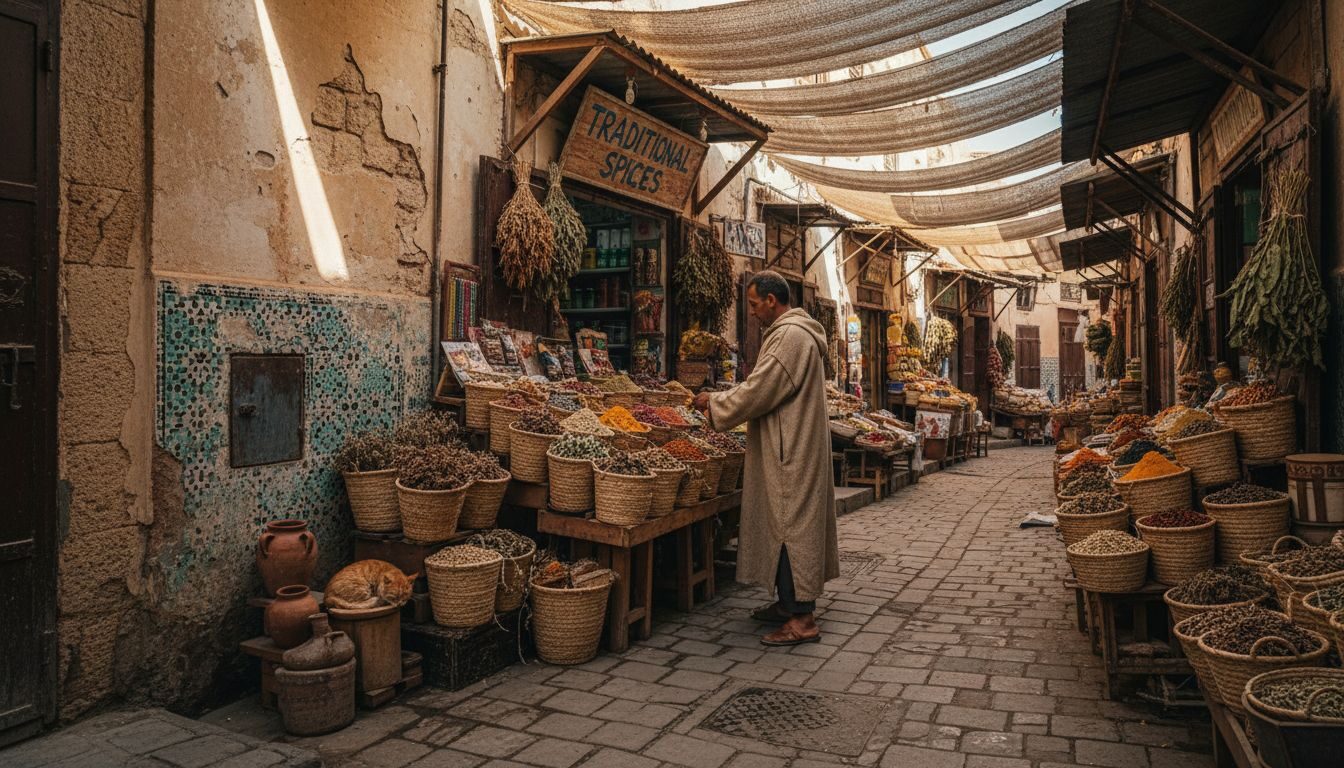
Stepping into a Moroccan medina immerses you in a world where the oldest Islamic urban centers have thrived for over a thousand years. For American travelers and international explorers seeking more than just sightseeing, these historic neighborhoods offer rare opportunities to experience local traditions, vibrant street life, and architectural wonders firsthand. Whether you crave rich cultural encounters or want reliable tips for navigating city mazes, this guide reveals how Moroccan medinas blend history, community, and trusted travel advice for an unforgettable journey.
Table of Contents
- Medina Defined: Historical And Cultural Roots
- Types And Notable Medinas In Morocco
- Essential Characteristics And Daily Life
- Architecture, Souks, And Community Spaces
- Tourism Benefits And Local Cultural Experiences
- Safety, Navigation, And Common Challenges
Key Takeaways
| Point | Details |
|---|---|
| Historical Significance | Medinas represent traditional walled urban centers in North African cities, particularly Morocco, showcasing rich Islamic urban design and cultural heritage. |
| Types of Medinas | Moroccan medinas can be categorized into imperial, coastal, and mountain types, each exhibiting unique architectural styles and cultural influences. |
| Community and Daily Life | Medinas are designed to foster social interaction, featuring communal spaces like souks and public fountains that enhance community ties and preserve traditions. |
| Tourism and Cultural Engagement | Visiting medinas provides opportunities for immersive cultural experiences that support local artisans and promote mutual understanding of Morocco’s heritage. |
Medina Defined: Historical and Cultural Roots
A medina represents the historic, walled urban center of traditional North African cities, particularly in Morocco, with profound cultural and architectural significance. These ancient districts are more than mere geographic locations—they are living museums of Islamic urban design, preserving centuries of cultural heritage. The oldest continuously inhabited Islamic cities emerged in regions like Morocco, creating intricate urban landscapes that tell complex stories of civilization.
Originally developed during the Islamic Golden Age, medinas emerged as centralized urban spaces designed for community interaction, commerce, and spiritual life. Typically enclosed by defensive walls, these districts feature narrow, labyrinthine streets deliberately constructed to provide shade, protection from heat, and strategic defense. Each medina contains essential community structures: mosques, madrasas (religious schools), souks (markets), public fountains, and residential quarters that reflect sophisticated social organization.
Medinas represent far more than architectural spaces—they embody the social and cultural DNA of Moroccan cities. Historic Islamic urban centers like Fez and Marrakech demonstrate remarkable urban planning principles that prioritized community connectivity, environmental adaptation, and architectural beauty. The intricate design of medinas reflects complex social hierarchies, economic systems, and cultural practices that have evolved over centuries.
Pro tip: When exploring a Moroccan medina, hire a licensed local guide who can provide authentic historical context and help you navigate the complex, maze-like streets safely and respectfully.
Types and Notable Medinas in Morocco
Morocco boasts several distinctive medina types, each reflecting unique historical and cultural characteristics. The ancestral urban models in cities like Rabat, Fez, and Marrakech represent complex urban landscapes that have evolved through centuries of dynastic influences. These medinas can be broadly categorized into imperial, coastal, and mountain medinas, each with its own architectural and cultural nuances.

Imperial medinas, found in cities like Fez and Meknes, showcase extraordinary architectural complexity and historical significance. These urban centers feature intricate geometric designs, elaborate mosaic work, and strategic defensive structures that reflect the power of past ruling dynasties. Fez’s medina, for instance, contains over 9,000 narrow streets and is considered the world’s largest car-free urban zone, preserving its medieval urban character with remarkable authenticity.
Coastal medinas like those in Essaouira and Rabat present a different architectural approach, integrating maritime influences with traditional Islamic urban design. These medinas typically feature whitewashed buildings, blue accents, and more open layouts influenced by maritime trade and cultural exchanges. Mountain medinas, such as those in the High Atlas region, demonstrate remarkable adaptation to challenging terrain, with buildings constructed from local stone and designed to maximize protection from harsh environmental conditions.
Here’s a summary of how each type of Moroccan medina differs in location, architecture, and cultural focus:
| Medina Type | Notable Cities | Unique Architectural Features | Key Cultural Influences |
|---|---|---|---|
| Imperial | Fez, Meknes | Geometric designs, mosaic work | Dynastic history, royal courts |
| Coastal | Essaouira, Rabat | Whitewashed walls, blue accents | Maritime trade, exchange |
| Mountain | Atlas villages | Stone buildings, compact layout | Local traditions, adaptation |
Pro tip: When visiting different Moroccan medinas, pay attention to subtle architectural variations and ask local guides about the specific historical influences that shaped each unique urban landscape.
Essential Characteristics and Daily Life
Moroccan medinas represent complex urban ecosystems where architectural design and social structures are deeply interconnected. Urban fabric and community living are characterized by intricate courtyard houses, strategic use of local materials, and energy-efficient designs that reflect centuries of environmental adaptation. These urban spaces prioritize social interaction, with narrow winding streets and shared communal areas that encourage daily engagement among residents.
The architectural layout of medinas follows sophisticated principles of social organization and climate responsiveness. Buildings typically feature thick stone walls, small windows, and internal courtyards that provide natural cooling and privacy. Residential areas are strategically separated from craft zones, with distinct urban zoning that preserves traditional economic and cultural practices. Artisan workshops, markets, and residential spaces are meticulously arranged to support community interdependence and economic sustainability.
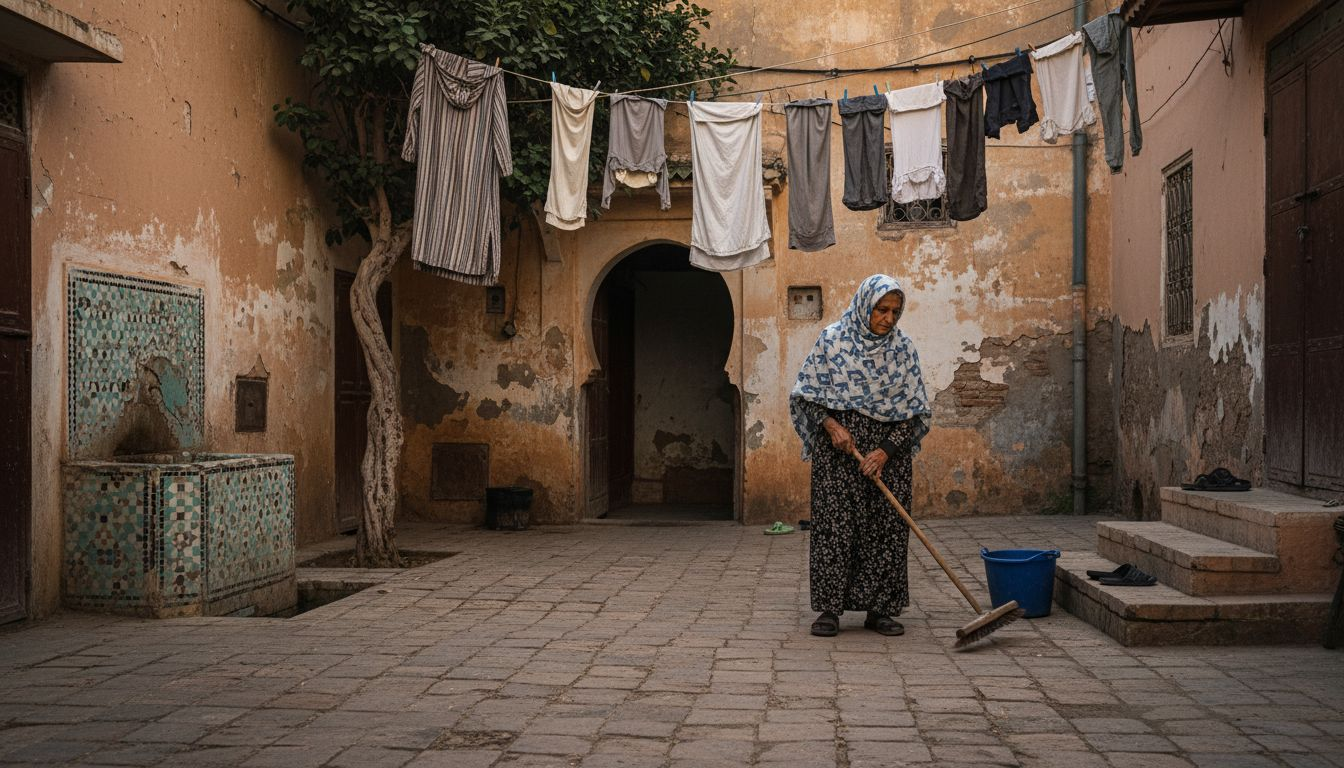
Daily life in Moroccan medinas revolves around intricate social networks and time-honored traditions. Communal spaces like public fountains, hammams (bathhouses), and neighborhood mosques serve as critical social infrastructure that connects residents. Traditional crafts such as ceramics, metalwork, textile production, and woodcarving remain vibrant economic activities, with skills passed down through generations. These urban environments maintain a delicate balance between preserving historical practices and adapting to contemporary urban challenges.
Pro tip: When exploring a medina, engage respectfully with local artisans, observe traditional craft techniques, and understand the deep cultural significance behind each handmade item.
Architecture, Souks, and Community Spaces
Moroccan medinas are architectural masterpieces that seamlessly blend historical preservation with living urban spaces. The architectural and urban heritage encompasses a rich tapestry of historic structures, including fountains, fondouks (traditional merchant lodgings), madrasas, and mosques that serve both functional and cultural purposes. These architectural elements are not museum pieces but active spaces that continue to pulse with daily life, supporting community interactions and preserving traditional social structures.
The souk represents the economic heartbeat of the medina, a labyrinthine marketplace where traditional commerce thrives. These markets are meticulously organized, with specific areas dedicated to different types of goods—from intricate metalwork and colorful textiles to spices, ceramics, and traditional crafts. Each section of the souk reflects generations of specialized knowledge, with artisan workshops located alongside sales areas, allowing visitors to witness the entire production process of handmade goods.
Community spaces within medinas are carefully designed to foster social connectivity and mutual support. Public fountains, known as “sabil,” serve not just as water sources but as social gathering points where residents exchange news and maintain community bonds. Neighborhood mosques, hammams (public bathhouses), and communal ovens represent critical infrastructure that goes beyond mere utility—they are social institutions that reinforce collective identity and preserve traditional ways of life. These spaces embody the medina’s remarkable ability to maintain social cohesion while adapting to contemporary urban challenges.
Compare the main functions and impacts of essential Medina community spaces:
| Space Type | Social Function | Economic Impact | Cultural Role |
|---|---|---|---|
| Souk | Central meeting and trading | Drives local commerce | Preserves craft traditions |
| Public Fountain | Social gathering, water source | Supports daily convenience | Symbol of generosity |
| Hammam | Health and social interaction | Generates service income | Reinforces communal ties |
Pro tip: When exploring a medina’s souk, engage with local artisans, ask about their craft techniques, and understand the cultural significance behind each handmade item to truly appreciate the depth of Moroccan craftsmanship.
Tourism Benefits and Local Cultural Experiences
Moroccan medinas have transformed into vibrant cultural destinations that offer travelers profound insights into local heritage and community life. Cultural heritage tourism represents a powerful economic and social mechanism that simultaneously supports urban regeneration and preserves traditional practices. These historic urban centers provide visitors with immersive experiences that go far beyond conventional tourism, allowing travelers to engage directly with centuries-old traditions and living cultural landscapes.
The tourism potential of Morocco’s ancient medinas extends well beyond simple sightseeing. Urban tourism and cultural heritage create intricate networks of economic opportunity and cultural exchange. Local artisans, craftspeople, and small business owners benefit directly from tourist interactions, while visitors gain authentic experiences through workshops, traditional craft demonstrations, culinary experiences, and festivals that showcase Morocco’s rich cultural diversity. This symbiotic relationship helps sustain traditional skills and provides economic alternatives in areas that might otherwise face economic challenges.
Authentic cultural experiences within medinas offer travelers unique opportunities for meaningful engagement. Visitors can participate in traditional cooking classes, learn artisanal crafts like ceramics and metalwork, explore historic architectural sites, and interact with local communities in ways that foster genuine cultural understanding. These interactions not only provide economic benefits but also create cross-cultural dialogue that promotes mutual respect and appreciation for Morocco’s complex cultural heritage.
Pro tip: When visiting a Moroccan medina, prioritize authentic, locally-guided experiences that directly support community artisans and preserve traditional cultural practices.
Safety, Navigation, and Common Challenges
Navigating a Moroccan medina can be an exhilarating yet challenging experience for travelers unfamiliar with its complex urban landscape. The intricate, narrow streets create a maze-like environment that can easily disorient even experienced travelers. Potential challenges include limited signage, crowded pathways, and the absence of a traditional grid-like street layout. Visitors should remain alert and aware of their surroundings, maintaining a respectful yet cautious approach to exploring these historic urban spaces.
Safety in medinas requires a combination of cultural awareness and practical precautions. Travelers should dress modestly, avoid displaying expensive jewelry or electronics, and be mindful of personal space in crowded areas. Pickpocketing and minor scams can occur, particularly in heavily touristed areas, so maintaining situational awareness is crucial. It’s recommended to travel with a licensed local guide who can provide both historical context and immediate navigation assistance. Female travelers, in particular, should be prepared for potential street harassment and may feel more comfortable traveling in groups or with a knowledgeable companion.
Effective navigation requires strategic preparation and local insight. Visitors should consider using offline maps, downloading navigation apps specific to Moroccan cities, and carrying a physical map as a backup. Learning a few basic Arabic or French phrases can be immensely helpful in asking for directions or navigating challenging situations. Many medinas offer guided walking tours that not only help with orientation but also provide deep cultural insights. Travelers should also be prepared for uneven cobblestone streets, occasional steep inclines, and the need to walk significant distances, making comfortable walking shoes an absolute necessity.
Pro tip: Always carry a small amount of local currency in a secure, easily accessible place, and keep a digital and physical copy of important documents separate from your primary belongings.
Unlock the Magic of Moroccan Medinas with Expert Guidance
Exploring a Moroccan medina can be thrilling yet challenging due to its maze-like streets and rich cultural layers. Many travelers struggle with navigating these historic urban centers while seeking authentic experiences in souks, artisan workshops, and community spaces. The article highlights the importance of local guides and cultural insight to truly appreciate the social fabric and architecture that define medinas.
TopMoroccoTravel.com is here to transform your journey through Morocco’s medinas into an unforgettable adventure. We specialize in tailor-made tours that connect you with licensed local guides who provide deep historical context and authentic cultural immersion. Whether you want to discover the imperial medinas of Fez, the coastal charm of Essaouira, or engage with traditional artisans in Marrakech, we offer customized itineraries designed around your interests and comfort.
Don’t let the complexity of Moroccan medinas hold you back from experiencing their full magic. Visit TopMoroccoTravel.com to explore our range of expert-guided tours and cultural packages. Start your seamless booking today and step confidently into the heart of Morocco’s vibrant heritage.
Frequently Asked Questions
What is a medina?
A medina is the historic, walled urban center of traditional North African cities, featuring unique architectural designs and a rich cultural heritage, especially in Morocco.
How do medinas impact local communities?
Medinas serve as vital social and economic hubs, fostering community interactions, traditional craftsmanship, and cultural exchange, which are essential for sustaining local livelihoods.
What should visitors expect when navigating a medina?
Visitors can expect narrow, maze-like streets with minimal signage. It is important to remain alert, dress modestly, and consider hiring a local guide to help navigate effectively.
How can tourists engage with the culture in a medina?
Tourists can engage by participating in workshops, exploring local crafts, cooking classes, and interacting directly with residents, which deepens cultural understanding and supports the local economy.
Recommended
- Exploring Marrakech Medina Morocco: Guide for All Travelers
- Medina Chefchaouen Morocco: Essential Travel Guide
- Morocco Travel Itinerary: Your Guide to an Unforgettable Adventure – Top Morocco Travel
- Complete Guide to Morocco Travel Experiences



Comments are closed