




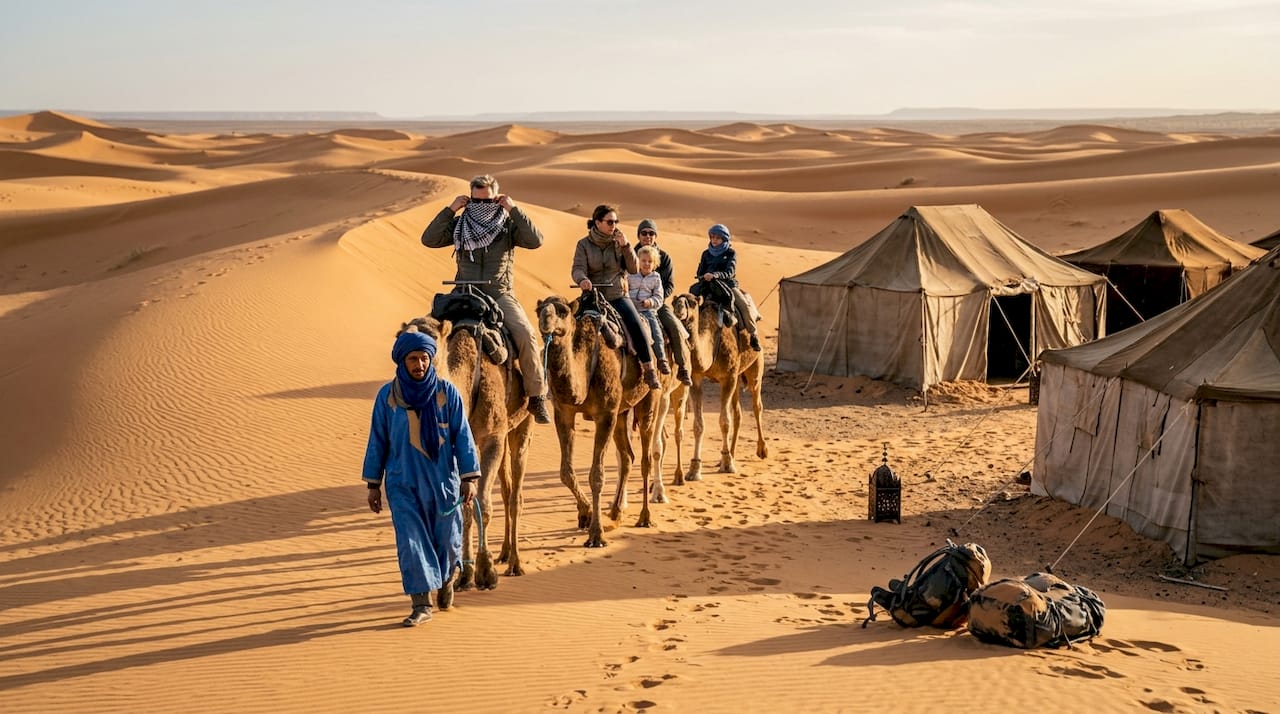
Many travelers assume all desert safaris deliver identical experiences, but Moroccan desert safaris include camel trekking, overnight camps, and cultural encounters that set them apart from typical desert tours. These adventures blend thrilling activities with authentic Berber hospitality, creating immersive journeys through the Sahara’s golden dunes. This guide reveals exactly what a Moroccan desert safari involves, from luxury camps to family-friendly options, helping you choose the perfect adventure. You’ll discover essential preparation tips, typical itineraries, and what makes these safaris unforgettable for travel enthusiasts seeking genuine Moroccan experiences.
Table of Contents
- Key takeaways
- What is a Moroccan desert safari?
- Types of Moroccan desert safaris: luxury, group, and family-friendly options
- What to expect during a Moroccan desert safari
- Preparing for your Moroccan desert safari: tips and essentials
- Plan your perfect Moroccan desert safari with Top Morocco Travel
- Frequently asked questions about Moroccan desert safaris
Key Takeaways
| Point | Details |
|---|---|
| Diverse safari options | Moroccan desert safaris come in luxury, group, and family friendly formats to suit different travel styles. |
| Camel trekking and camping | Camel trekking and overnight desert camping are core activities that define the experience. |
| Berber cultural immersion | Travelers encounter Berber culture through meals, music, and storytelling as part of the journey. |
| Guided tours enhance safety | Guided tours improve safety and deepen understanding of desert ecology and history. |
| Flexible itineraries and durations | Durations range from day trips to weeklong journeys depending on your preferences. |
What is a Moroccan desert safari?
A Moroccan desert safari is an organized adventure into the Sahara Desert that combines outdoor exploration with cultural immersion. Unlike basic desert tours that simply transport visitors through sandy landscapes, these safaris create multi-sensory experiences centered on authentic Berber traditions and natural desert beauty.
The core experience revolves around several distinctive activities. Camel trekking remains the iconic centerpiece, allowing you to traverse dunes at a leisurely pace while guides share stories about desert life. Overnight camping under star-filled skies provides an unforgettable connection to the vast Sahara wilderness. Cultural encounters with Berber communities reveal centuries-old traditions through music, storytelling, and shared meals.
These safaris typically include:
- Guided camel rides across towering sand dunes during golden-hour sunsets
- Traditional Berber camps featuring authentic cuisine and evening entertainment
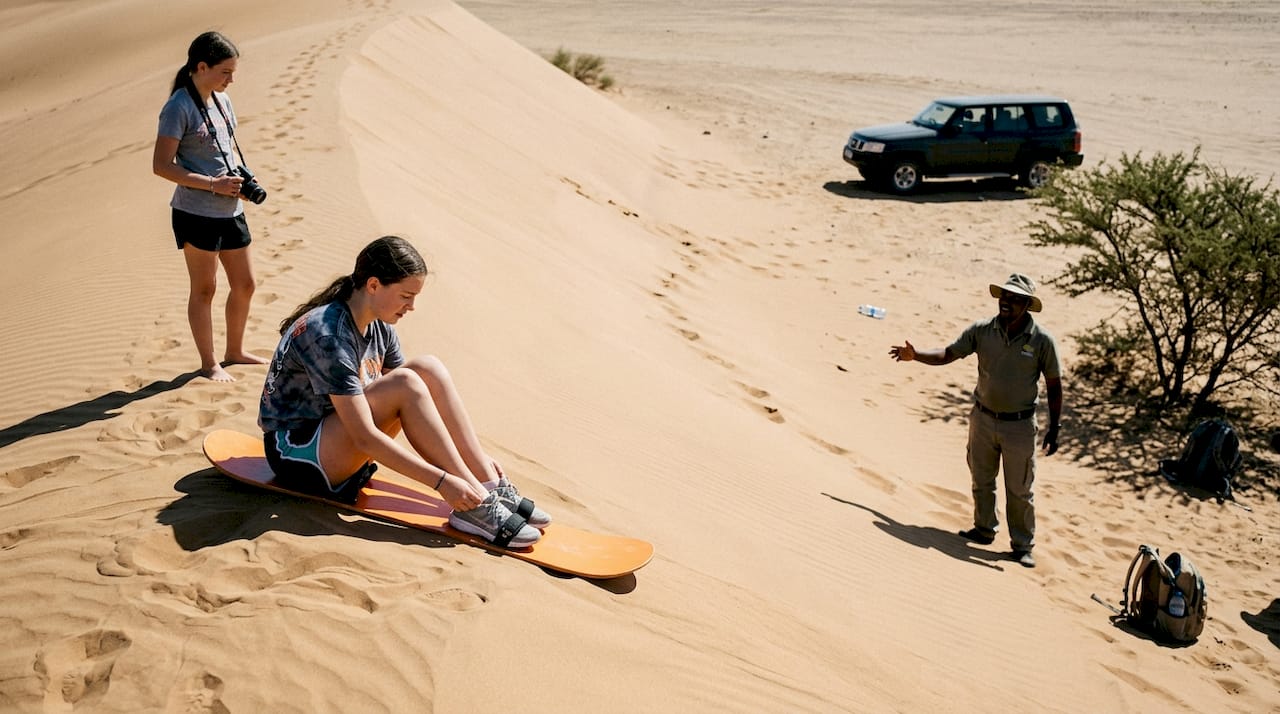
- Opportunities for sandboarding, dune bashing, or quiet desert meditation
- Expert guides who navigate terrain while explaining desert ecology and history
- Sunrise viewings that transform the landscape into shifting palettes of orange and gold
Duration varies based on your preferences and schedule. Day trips from cities like Marrakech or Fes offer condensed experiences, while three to five-day Morocco Sahara tours allow deeper exploration of remote desert regions. Week-long adventures combine multiple desert zones with mountain passes and ancient kasbahs.
What attracts travel enthusiasts to these safaris is the perfect balance between adventure and comfort. You’re not just observing the desert from a distance; you’re sleeping under its stars, tasting its traditional foods, and learning from people whose families have thrived in these conditions for generations. The experience transforms abstract ideas about desert life into tangible memories shaped by sensory details: the rhythmic sway of camel movement, the silence broken only by wind across dunes, the warmth of mint tea shared with Berber hosts.
This combination of physical adventure, cultural education, and natural beauty creates journeys that resonate long after you return home. Each safari tells a unique story shaped by seasonal changes, guide expertise, and the spontaneous moments that arise when travelers embrace desert rhythms.
Types of Moroccan desert safaris: luxury, group, and family-friendly options
Choosing the right safari type transforms your desert experience from generic to perfectly tailored. There are luxury desert camps offering private dinners and cultural shows, group safaris focused on shared adventure, and family-friendly tours balancing comfort and activities. Understanding these distinctions helps you match your travel style with the ideal desert adventure.
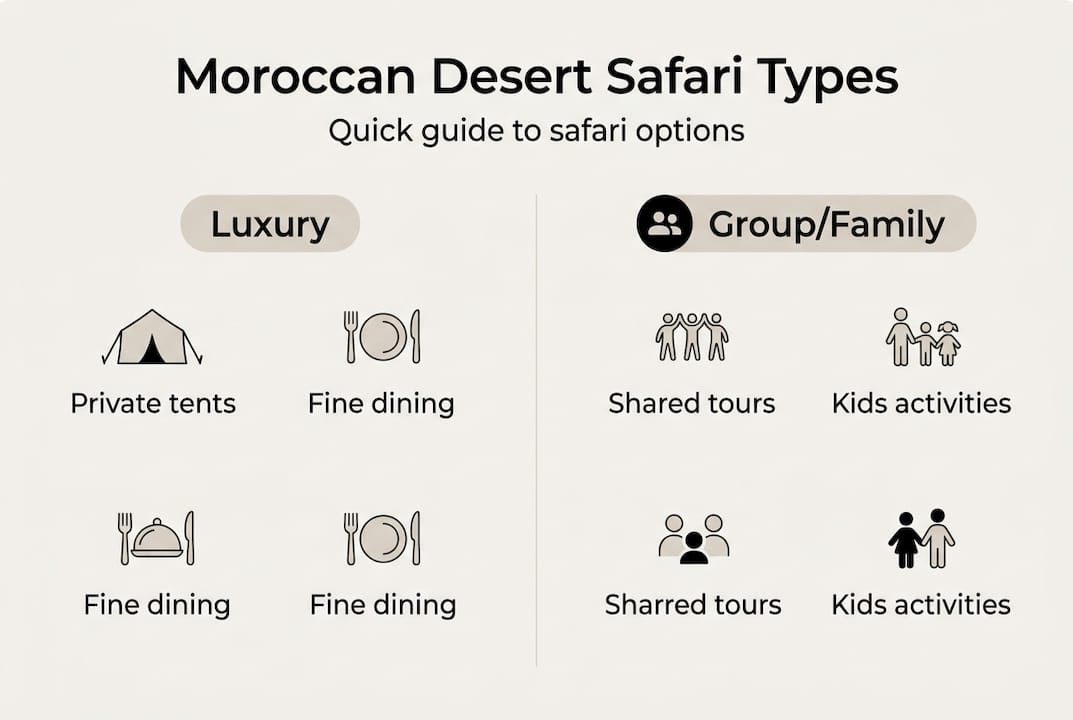
Luxury safari camps elevate desert experiences with premium amenities rarely associated with wilderness settings. Private tents feature comfortable beds, en-suite bathrooms, and elegant Moroccan decor. Gourmet meals prepared by skilled chefs replace basic campfire cooking, while personalized service ensures every detail meets high standards. These camps often include exclusive experiences like private musical performances, guided stargazing with telescopes, and customized itineraries that accommodate your pace and interests. Expect to pay premium rates, but the combination of adventure and comfort appeals to travelers seeking authentic experiences without sacrificing quality.
Group tours create shared adventures perfect for solo travelers or those who enjoy communal experiences. These safaris gather small groups of travelers who explore together, sharing costs while building connections through common experiences. The social dynamic adds energy to activities like camel treks and campfire gatherings. Group safaris typically follow established itineraries with set departure dates, making planning straightforward. Costs remain moderate since expenses spread across participants, and the diversity of perspectives enriches cultural exchanges with Berber hosts.
Family-friendly options recognize that traveling with children requires different considerations. These safaris shorten camel rides to manageable durations, incorporate activities that engage younger travelers, and ensure camp setups accommodate family needs. Guides trained in family dynamics balance adventure with safety, creating experiences that thrill without overwhelming. Some operators offer modified itineraries with vehicle support, allowing families to enjoy desert highlights while maintaining flexibility for rest breaks or comfort needs.
| Safari Type | Best For | Typical Cost Range | Key Features |
|---|---|---|---|
| Luxury | Couples, honeymooners, comfort seekers | $300-600 per person/night | Private tents, gourmet meals, personalized service, exclusive experiences |
| Group | Solo travelers, budget-conscious adventurers, social explorers | $100-200 per person/night | Shared experiences, set itineraries, communal camping, cost-effective |
| Family-Friendly | Parents with children, multi-generation groups | $150-300 per person/night | Shorter rides, child-appropriate activities, flexible schedules, safety focus |
Each option connects travelers with authentic desert environments while respecting different comfort levels and budgets. Moroccan luxury desert camp guide resources provide detailed comparisons of premium options, while exploring various Moroccan tours types reveals how desert safaris fit within broader Moroccan travel experiences.
Pro Tip: Book luxury camps several months ahead during peak season (October through April) to secure preferred dates, while group tours often accept reservations closer to departure. Family-friendly operators appreciate advance notice to customize experiences for your children’s ages and interests.
What to expect during a Moroccan desert safari
Understanding typical safari rhythms helps you mentally prepare and maximize enjoyment. Most experiences follow patterns that balance structured activities with spontaneous moments, creating days filled with diverse experiences.
-
Arrival and orientation: Your safari typically begins with pickup from your accommodation or a designated meeting point. Guides introduce themselves, explain the itinerary, and answer initial questions. The drive toward the desert passes through changing landscapes, transitioning from cities or mountains into increasingly arid terrain. This journey itself becomes part of the adventure as scenery shifts and anticipation builds.
-
Camel trek to camp: Upon reaching the desert edge, you mount camels for the trek into the dunes. Common activities include camel riding at sunset, traditional Berber dinners, and watching desert sunrises. The rhythmic movement and elevated perspective reveal the desert’s scale and beauty. Guides lead caravans along routes they know intimately, pausing at scenic viewpoints for photos and rest.
-
Camp arrival and settling: Reaching camp as daylight fades creates magical first impressions. Staff welcome you with mint tea while you explore your tent and the camp layout. The transition from travel mode to relaxation happens naturally as you absorb the profound silence and vast horizons.
-
Evening cultural immersion: Dinner brings everyone together around communal tables laden with tagines, couscous, and fresh bread. Berber musicians often perform traditional songs using drums and stringed instruments, sometimes inviting guests to join. Stories shared around campfires reveal desert history, folklore, and contemporary Berber life. These conversations create connections that transform guides and hosts from service providers into friends.
-
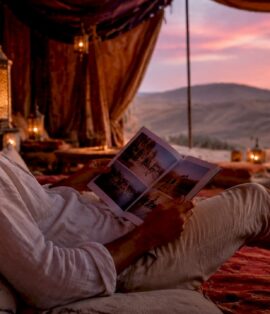
Stargazing and overnight experience: After dinner, the desert sky reveals countless stars invisible in light-polluted cities. Guides point out constellations and planets while you recline on cushions or wander nearby dunes. The temperature drops significantly, making warm blankets essential. Sleeping in desert camps means experiencing complete darkness and silence punctuated only by occasional wind.
-
Sunrise and departure: Waking before dawn allows you to witness the desert’s transformation as first light touches dune peaks. Colors shift from deep purples to brilliant oranges in minutes. Breakfast precedes the return camel trek, with morning light revealing details missed during sunset arrival.
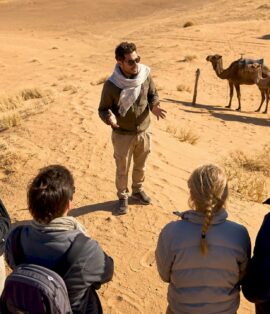
Guides enhance every aspect through their expertise. They navigate using landscape features, share ecological knowledge about desert-adapted plants and animals, and ensure safety through weather awareness and emergency preparedness. Their storytelling transforms sand and sky into narratives about survival, trade routes, and cultural resilience. Many guides grew up in desert communities, bringing personal perspectives that enrich standard tourist information.
Additional activities vary by operator and package. Some safaris include sandboarding down steep dunes, 4×4 excursions to remote locations, or visits to nearby Berber villages. Photography enthusiasts appreciate guides who understand optimal lighting and composition spots. Quieter moments for meditation or journaling allow personal reflection amid stunning natural beauty.
Pro Tip: Schedule your safari to arrive at camp during the golden hour before sunset for the most spectacular dune colors and comfortable temperatures. Avoid midday desert exposure when heat peaks and light flattens landscapes into less photogenic scenes.
For comprehensive preparation guidance, review Morocco desert trip tips essential travel guide resources that cover everything from photography techniques to cultural etiquette.
Preparing for your Moroccan desert safari: tips and essentials
Proper preparation transforms potential discomfort into smooth adventure. Proper preparation includes packing layered clothing, sun protection, and staying hydrated in the desert’s extreme conditions. These practical steps ensure you focus on experiences rather than preventable problems.
Clothing requires strategic layering since desert temperatures swing dramatically between day and night. Pack lightweight, breathable fabrics for daytime heat and warm layers for evening cold. Long sleeves and pants protect skin from sun exposure and blowing sand better than shorts and tank tops. A wide-brimmed hat shields your face and neck, while sunglasses rated for UV protection prevent eye strain from intense glare. Comfortable closed-toe shoes work better than sandals for walking on hot sand and preventing debris from entering footwear. A scarf or shemagh serves multiple purposes: sun protection, dust barrier, and warmth after sunset.
Essential items to pack include:
- High SPF sunscreen applied liberally and reapplied throughout the day
- Reusable water bottles to maintain constant hydration
- Lip balm with sun protection to prevent chapped lips
- Small flashlight or headlamp for navigating camp at night
- Personal medications and basic first aid supplies
- Camera equipment with extra batteries and memory cards
- Wet wipes or hand sanitizer since water may be limited
- Small backpack for carrying daily essentials during activities
Health and safety considerations center on managing desert conditions. Dehydration happens quickly in dry heat, so drink water consistently rather than waiting until thirsty. Altitude can affect some travelers in mountainous desert regions; ascend gradually and monitor for headaches or dizziness. Insect encounters remain rare but packing repellent provides peace of mind. Inform guides about any medical conditions or mobility limitations so they can adjust activities appropriately.
Physical preparation helps you enjoy rather than endure activities. Camel riding uses different muscles than typical exercise, so core strength and flexibility improve comfort. Practice sitting cross-legged if planning extended camel treks. Walking on sand requires more effort than solid ground; building general fitness through regular walking prepares your body. That said, most safaris accommodate varying fitness levels through pace adjustments and optional activities.
Travel insurance provides crucial protection for trip cancellations, medical emergencies, and lost belongings. Verify your policy covers adventure activities and remote locations. Booking through reputable operators ensures proper safety equipment, experienced guides, and emergency protocols. Research companies through reviews, certifications, and transparent communication about what’s included.
Cultural respect enhances interactions with Berber hosts and enriches your experience. Dress modestly, ask permission before photographing people, and show genuine interest in traditions without treating them as exotic curiosities. Learning basic Arabic or Berber greetings demonstrates respect and often opens doors to deeper conversations. Environmental responsibility matters equally; pack out all trash, stay on designated paths to protect fragile desert ecosystems, and avoid disturbing wildlife.
These preparations require minimal effort but dramatically improve safari enjoyment. Arriving equipped and informed allows you to embrace spontaneity and fully engage with the remarkable landscapes and cultures awaiting you. Detailed planning resources at Morocco desert trip tips essential travel guide provide additional insights for specific situations and travel styles.
Plan your perfect Moroccan desert safari with Top Morocco Travel
Transforming desert safari knowledge into actual adventure becomes simple when working with experienced tour operators. Top Morocco Travel specializes in creating tailored desert experiences that match your specific preferences, whether you’re seeking luxury indulgence, group camaraderie, or family-friendly exploration. Our Morocco desert tours portfolio includes options ranging from single-night camps to comprehensive week-long journeys through multiple Sahara regions.
Expert guides enhance safety while providing authentic cultural insights that independent travel rarely achieves. Understanding why guided tours best Morocco reveals how local expertise transforms logistics into seamless adventures. Beyond desert safaris, exploring various Moroccan city tour concepts helps you build comprehensive itineraries combining urban culture with desert wilderness. Our 24/7 support ensures every detail receives attention, from initial planning through your safe return home. Start planning your unforgettable Moroccan desert adventure today.
Frequently asked questions about Moroccan desert safaris
How long do Moroccan desert safaris typically last?
Most safaris range from overnight experiences to five-day adventures, with two to three-day trips being most popular. Day trips offer condensed experiences for time-limited travelers, while week-long journeys explore remote desert regions and combine multiple activities. Duration affects depth of cultural immersion and variety of landscapes visited.
What’s the best season for a Moroccan desert safari?
October through April provides the most comfortable temperatures, with mild days and cool nights perfect for outdoor activities. Summer months (June through August) bring extreme heat that many travelers find challenging, though early morning and evening activities remain possible. Spring offers wildflower blooms in some desert areas, while fall provides crystal-clear skies ideal for stargazing.
Do I need special physical fitness for desert safaris?
Most safaris accommodate average fitness levels since camel riding requires minimal exertion and walking remains optional. Inform operators about mobility limitations so they can suggest appropriate modifications. Luxury camps often provide vehicle support for those who prefer not to ride camels, while family-friendly tours adjust activity intensity for children and older travelers.
Are Moroccan desert safaris safe for solo travelers?
Group tours create ideal environments for solo adventurers seeking social connections and shared experiences. Reputable operators maintain high safety standards with experienced guides, emergency communication equipment, and established protocols. Solo women travelers report positive experiences, though booking through established companies and joining group departures enhances both safety and enjoyment.
How do Moroccan desert safaris differ from regular desert tours?
Safaris emphasize immersive experiences including overnight camping, cultural interactions, and multiple activities, while basic tours often involve brief desert visits without camping. Safaris prioritize authentic Berber hospitality and slower-paced exploration, creating deeper connections to landscapes and communities. The multi-day format allows you to experience desert rhythms across different times of day, revealing transformations impossible to witness during quick excursions.
Recommended
- Your Ultimate Guide to Morocco Desert Tours – Top Morocco Travel
- Moroccan Desert Tour Guide: Plan and Enjoy an Unforgettable Trip
- 6 Days Tour from Marrakech to Merzouga Desert: Complete Guide
- 7 Unforgettable Desert Adventure Ideas Morocco Couples Love – Top Morocco Travel
- Customised Tours Explained: Complete Expert Guide – Next View Tours


Comments are closed