




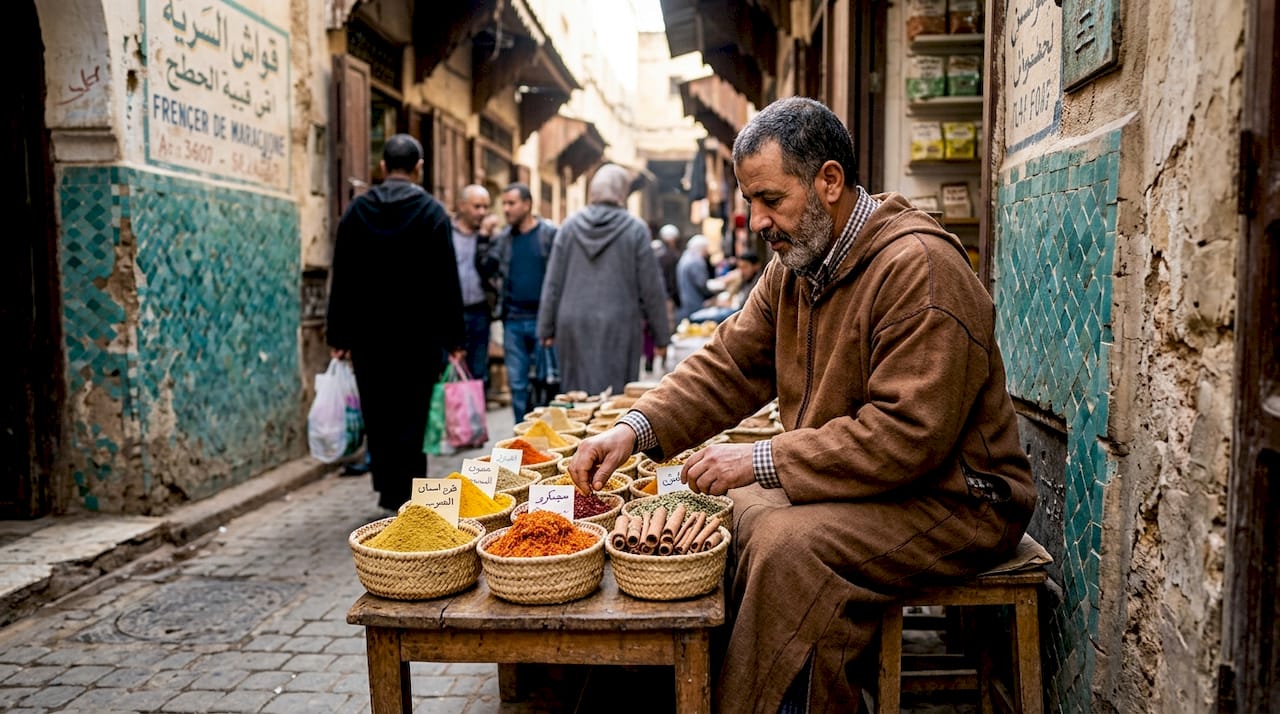
Most travelers think they need to sprint through Morocco’s imperial cities, desert dunes, and coastal towns in a week to truly experience the country. This rushed mindset misses the heart of what makes Morocco special. Slow travel in Morocco offers a different approach, one that prioritizes depth over breadth, cultural connection over checkbox tourism. By spending more time in fewer places, you unlock authentic experiences that rushed itineraries simply cannot deliver. This guide explains what slow travel means in Morocco and how to design your own immersive journey.
Table of Contents
- Key takeaways
- Understanding slow travel in Morocco
- Why choose slow travel in Morocco: cultural and sustainability benefits
- How slow travel differs from traditional tourism in Morocco
- Planning your slow travel adventure in Morocco
- Explore Morocco at your own pace with expert guided tours
- Frequently asked questions about slow travel in Morocco
Key Takeaways
| Point | Details |
|---|---|
| Depth over breadth | Slow travel in Morocco prioritizes staying longer in fewer places to absorb each location’s rhythm and culture rather than sprinting between highlights. |
| Use local transport | Embrace trains, walking, and local buses to immerse yourself in daily life while saving money. |
| Two weeks minimum | A minimum of two weeks lets you experience three or four regions without feeling rushed. |
| Local stays and markets | Stay in locally owned riads and shop at neighborhood markets to support communities and access authentic interactions. |
Understanding slow travel in Morocco
Slow travel represents a fundamental shift in how you approach Morocco. Instead of racing between Marrakech, Fes, and the Sahara in seven days, you stay 3-5 days per location, allowing time to absorb each place’s rhythm and character. You prioritize experiences that connect you with local culture rather than simply photographing famous landmarks.
This travel philosophy aligns perfectly with Moroccan culture, where rushing is considered impolite and relationships develop over multiple cups of mint tea. When you slow down, you discover the medina shopkeeper who invites you for tea, the family-run restaurant where recipes have passed through generations, and the mountain village where tourists rarely venture. These moments create the memories that define truly transformative travel.
The practical elements of slow travel include using local transportation methods. Take the train between cities instead of hiring private transfers. Walk through neighborhoods rather than taxis everywhere. Ride local buses to nearby towns. These choices save money while immersing you in daily Moroccan life. You share space with students, workers, and families going about their routines.
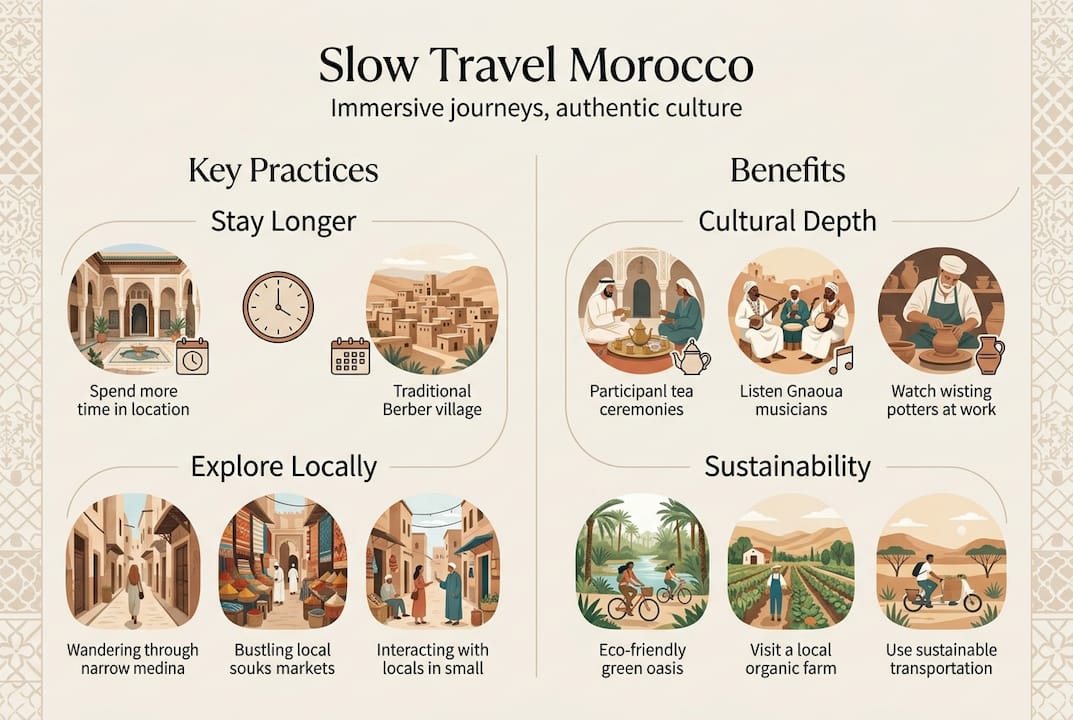
A minimum two-week trip works best for slow travel in Morocco. This duration allows you to experience three to four regions without feeling rushed. You might spend four days in Marrakech exploring the medina and taking day trips, five days in the Atlas Mountains hiking and staying in Berber villages, and another five days between Fes and the desert. Each location gets the time it deserves.
Pro Tip: Book accommodations with kitchens or communal dining spaces where you can cook with locals or share meals. These interactions often lead to the most authentic cultural exchanges and insider recommendations you won’t find in guidebooks.
Slow travel in Morocco means embracing spontaneity within a loose framework. You plan the broad strokes but leave room for unexpected discoveries. Maybe you extend your stay in a coastal town because you’ve connected with local fishermen, or you add an extra day in the mountains after meeting a guide who offers a special trek. This flexibility transforms your trip from a rigid itinerary into an evolving adventure.
Key elements that define slow travel here include:
- Staying in locally-owned riads rather than international hotel chains
- Shopping at neighborhood markets instead of tourist bazaars
- Learning basic Arabic or French phrases to connect with residents
- Participating in cultural activities like cooking classes, pottery workshops, or music sessions
- Taking time to simply observe daily life from a cafe terrace
Why choose slow travel in Morocco: cultural and sustainability benefits
Morocco’s incredible diversity makes it perfect for slow travel. The country packs dramatic geographic and cultural variation into a relatively compact area. Medinas, Atlas peaks, Sahara dunes, and Atlantic coastline each offer distinct experiences that deserve dedicated time. Rushing between them means you experience none of them fully.
When you slow down, you naturally spend more money in local economies. Instead of eating at tourist restaurants near major attractions, you discover neighborhood spots where families eat. You hire local guides for day trips rather than booking through international platforms. You purchase crafts directly from artisans in their workshops instead of from resellers. These choices channel tourism revenue to the people and communities who need it most.
Slow travel directly supports sustainable tourism practices. Morocco welcomed over 14 million tourists in 2024, with mass tourism creating pressure on popular sites like Marrakech’s Jemaa el-Fnaa and Fes’s tanneries. By spending more time in fewer places and exploring lesser-known areas, you reduce strain on overtouristed hotspots. You also participate in community-based tourism projects that preserve cultural heritage while providing economic opportunities.
“Slow travel transforms you from an observer into a participant. You’re no longer watching Morocco from behind a camera lens but engaging with it through conversations, shared meals, and collaborative experiences that benefit both visitor and host.”
The approach aligns with core Moroccan values around hospitality and patience. Moroccans generally don’t rush conversations or transactions. Building trust takes time. When you adopt this same pace, you signal respect for local customs and open doors to deeper connections. The carpet seller who initially quotes tourist prices might invite you for tea and share stories about his family’s weaving tradition. The riad owner might introduce you to neighbors and include you in family celebrations.
Environmental benefits matter too. Slow travel typically means:
- Fewer internal flights between cities
- Less vehicle emissions from constant transfers
- Reduced waste from single-use items at multiple hotels
- More walking and use of public transportation
- Support for eco-conscious accommodations and tour operators
You also gain a more nuanced understanding of Moroccan society. Quick visits reinforce stereotypes and surface-level impressions. Extended stays reveal complexity. You see how Marrakech’s medina functions as a living neighborhood, not just a tourist attraction. You understand regional differences between Arab and Berber communities. You recognize the balance Moroccans strike between tradition and modernity.
This depth of understanding makes you a better ambassador for Morocco when you return home. Instead of sharing generic travel photos, you tell specific stories about people you met and experiences you had. You recommend cultural luxury experiences based on genuine knowledge rather than brochure descriptions.
How slow travel differs from traditional tourism in Morocco
The contrast between slow travel and conventional tourism becomes clear when you compare approaches side by side. Traditional tours pack maximum sights into minimum time, while slow travel does the opposite.
| Aspect | Slow Travel | Traditional Tourism |
|---|---|---|
| Stay duration | 3-5 days per location | 1-2 days per location |
| Transportation | Local buses, trains, walking | Private transfers, internal flights |
| Accommodations | Riads, guesthouses, homestays | International hotels, resorts |
| Activities | Markets, cooking, artisan visits | Major monuments, photo stops |
| Dining | Neighborhood restaurants, home meals | Tourist-oriented venues |
| Planning style | Flexible framework, room for spontaneity | Fixed itinerary, timed activities |
| Cultural depth | Deep immersion, relationship building | Surface-level observation |
| Daily pace | Relaxed, unscheduled time included | Packed schedule, constant movement |
Planning a slow travel itinerary requires a different mindset. Follow these steps:
- Choose three to four regions maximum for a two-week trip
- Allocate 3-5 days to each region based on your interests
- Research cultural activities and local experiences in each location
- Book accommodations with character that facilitate local interaction
- Build in buffer days for rest and unexpected opportunities
- Plan transportation between regions but leave daily schedules flexible
- Identify a few must-see attractions but don’t overschedule
- Connect with local guides or cultural organizations in advance
The transportation choices you make dramatically affect your experience. A private car whisks you between destinations in air-conditioned comfort but isolates you from local life. The train from Marrakech to Fes takes longer but puts you alongside Moroccan families, students, and workers. You observe interactions, hear conversations, and see landscapes at a human pace.
Pro Tip: Choose riads in medina neighborhoods rather than those near tourist sites. You’ll experience authentic daily rhythms as residents go to work, children head to school, and neighbors gather in the evening. The location forces you to navigate local streets and discover hidden gems.
Slow travel means accepting that you won’t see everything. This limitation actually enhances your experience. Instead of superficially visiting ten cities, you deeply know three. You can navigate their medinas without getting lost. You recognize shopkeepers and exchange greetings. You understand the neighborhood dynamics and local issues. This depth creates a sense of temporary belonging that rushed tourism never achieves.
Your Morocco travel itinerary should reflect your specific interests rather than following a standard tourist route. If you love hiking, dedicate extra time to the Atlas Mountains and skip the coast. If architecture fascinates you, spend more days in Fes and Meknes exploring historic buildings. Slow travel gives you permission to follow your passions instead of checking boxes.
Planning your slow travel adventure in Morocco
Successful slow travel requires intentional planning balanced with flexibility. Start by allocating at least 14 days for your trip, though three weeks is ideal. This duration allows you to visit three to four regions without rushing, with time to rest and adjust to Morocco’s rhythm.
A sample framework might look like this: four days in Marrakech to explore the medina, take a cooking class, and visit nearby gardens; five days in the Atlas Mountains for hiking, village visits, and mountain lodge stays; three days in the Sahara for desert camps and camel treks; and four days in Fes to wander the medina, visit artisan workshops, and take day trips to nearby Roman ruins. This structure provides enough time in each place while maintaining variety.
Accommodation choices shape your slow travel experience. Riads offer authentic stays in traditional houses converted into guesthouses. Many are family-run, with owners who share local knowledge and facilitate cultural connections. Look for properties with communal spaces where guests gather, as these naturally lead to conversations and shared experiences. Avoid large hotels that insulate you from local neighborhoods.
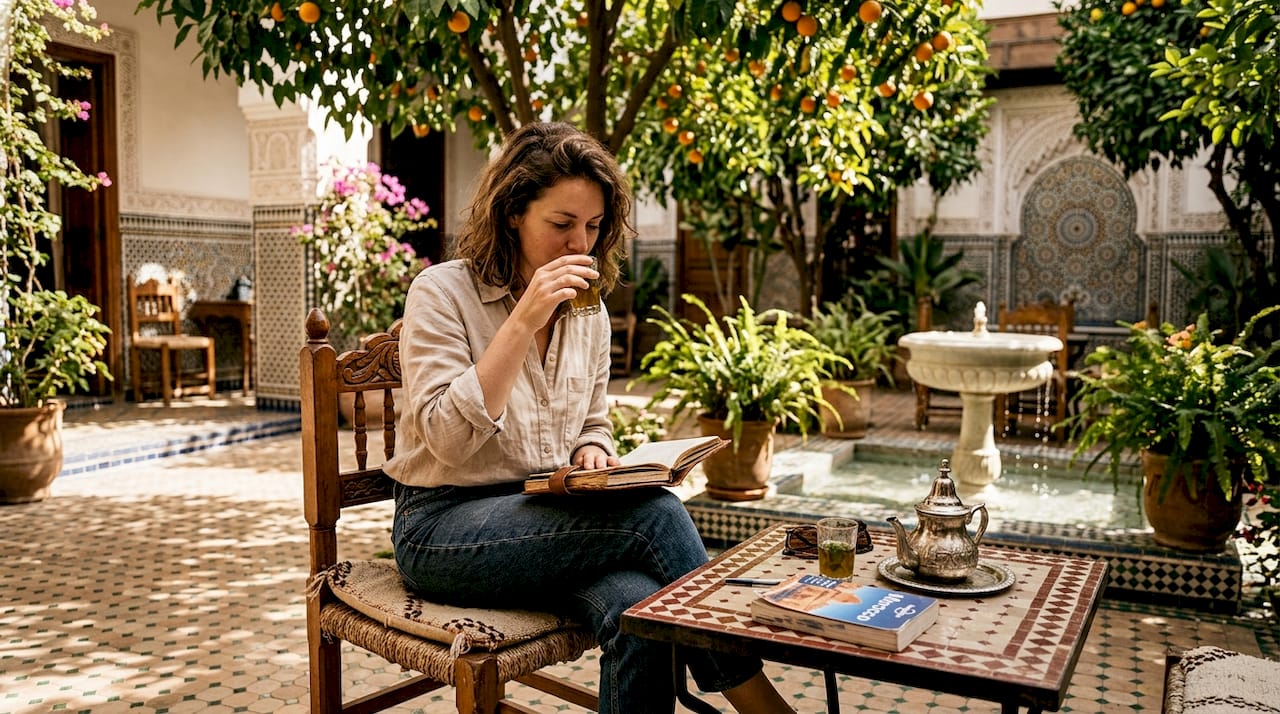
Activities should emphasize participation over observation. Instead of watching craftsmen work, take a pottery or weaving workshop. Rather than eating at restaurants, join a cooking class where you shop at markets and prepare traditional dishes. These hands-on experiences create skills and memories that passive tourism cannot match. They also generate income for local instructors and preserve traditional knowledge.
| Region | Recommended Duration | Transport Options | Key Experiences |
|---|---|---|---|
| Marrakech | 3-4 days | Walking, local taxis | Medina exploration, souks, gardens, cooking classes |
| Atlas Mountains | 4-5 days | Local buses, hiking | Village homestays, trekking, Berber culture |
| Sahara Desert | 3-4 days | 4×4 transfers, camels | Desert camps, stargazing, nomadic traditions |
| Fes | 3-4 days | Walking, petit taxis | Medina navigation, tanneries, artisan workshops |
| Coastal towns | 3-4 days | Trains, local buses | Fishing villages, seafood, beach time |
Transportation planning matters for slow travel. Book train tickets between major cities in advance during peak season, but leave local transport flexible. Use grand taxis (shared taxis) for shorter distances between towns. Walk whenever possible within cities. This combination keeps you mobile while maintaining connection to local life.
Practical planning tips include:
- Learn basic Arabic greetings and French phrases before arrival
- Download offline maps for medina navigation
- Pack light to make local transport easier
- Bring a reusable water bottle and shopping bag
- Research cultural norms around dress and behavior
- Build relationships with your riad staff for insider advice
- Keep some cash for markets and small businesses
- Allow time for afternoon rest during hot months
Pro Tip: Schedule no more than one planned activity per day, leaving mornings or afternoons completely open. This unscheduled time lets you follow spontaneous opportunities like an invitation to a local wedding, a guide’s offer to visit his village, or simply wandering until you discover something unexpected.
The Morocco itinerary tours you design should reflect slow travel principles. Resist the urge to add extra destinations. Quality of experience matters more than quantity of places visited. If you find yourself truly connecting with a location, extend your stay and cut time elsewhere. This flexibility distinguishes slow travel from rigid tour packages.
Consider these must-do Morocco experiences as anchors for your itinerary, but don’t overschedule. Leave space between activities for rest, reflection, and serendipity. The best travel stories often come from unplanned moments when you had time to notice and engage with what was happening around you.
Explore Morocco at your own pace with expert guided tours
If planning a slow travel adventure feels overwhelming, expert guidance can help you design an itinerary that balances structure with flexibility. Specialized tours focusing on cultural immersion allow you to experience Morocco’s depth without the stress of logistics. You benefit from local knowledge while maintaining the relaxed pace that defines slow travel.
Moroccan city tour concepts designed for cultural enthusiasts emphasize quality over quantity. These tours allocate sufficient time in each location for genuine connection and exploration. Expert guides facilitate introductions to artisans, arrange home-cooked meals with families, and provide context that transforms sights into meaningful experiences.
Custom itineraries let you specify your interests and pace. Whether you want to focus on mountain trekking, culinary traditions, or artistic heritage, tailored packages ensure your trip reflects your priorities. You avoid the cookie-cutter approach of standard tours while still benefiting from professional planning and local expertise.
Cultural immersion activities form the core of these specialized experiences. Cooking classes, artisan workshops, music sessions, and village visits create the authentic connections that slow travelers seek. Professional guides handle arrangements while you focus on engagement and enjoyment.
Explore Morocco travel packages that emphasize immersive experiences and sustainable practices. These options support local communities while providing you with unforgettable journeys. Expert consultation ensures your slow travel adventure matches your vision, with logistics handled so you can truly relax into Morocco’s rhythm.
Frequently asked questions about slow travel in Morocco
What exactly is slow travel in Morocco?
Slow travel in Morocco means spending extended time in fewer locations to deeply experience local culture rather than rushing between tourist sites. You prioritize authentic interactions, use local transportation, stay in traditional accommodations, and allow time for spontaneous discoveries. The approach values quality of experience over quantity of destinations visited.
How long should I stay in each location when slow traveling through Morocco?
Plan to spend 3-5 days per location for meaningful cultural immersion. This duration lets you move beyond surface-level tourism to understand local rhythms and build connections. For a complete slow travel experience, allocate at least 14 days total, focusing on three to four regions maximum.
What are the most authentic experiences to seek while slow traveling in Morocco?
Prioritize hands-on activities like cooking classes where you shop at markets and prepare traditional dishes, artisan workshops teaching pottery or weaving, and homestays in mountain villages. Spend time in neighborhood cafes observing daily life, attend local music performances, and explore medinas with resident guides. These cultural immersion activities create genuine connections beyond typical tourist experiences.
How does slow travel in Morocco help support sustainable tourism?
Slow travel supports local economies by directing spending to small businesses, family-run accommodations, and community guides rather than international chains. It reduces pressure on overcrowded sites by encouraging exploration of lesser-known areas and longer stays that distribute tourist impact. The approach also minimizes environmental footprint through less frequent travel between destinations and greater use of public transportation.
Which regions work best for slow travel experiences in Morocco?
The Atlas Mountains offer village homestays and trekking opportunities with Berber communities. Historic medinas in Fes and Marrakech reward extended exploration of their complex neighborhoods and artisan quarters. The Sahara Desert provides immersive experiences with nomadic traditions. Coastal towns like Essaouira combine relaxed atmosphere with fishing culture. Choose regions based on your interests rather than trying to see everything.
Recommended
- Top cultural immersion activities in Morocco – Top Morocco Travel
- Morocco travel packages: cultural luxury experiences 2026 – Top Morocco Travel
- Why Morocco Matters for Cultural Immersion Travel
- 7 Must Do Morocco Experiences for Every Type of Traveler
- What is Slow Living? Understanding a Mindful Lifestyle – The Zoofamily


Comments are closed