




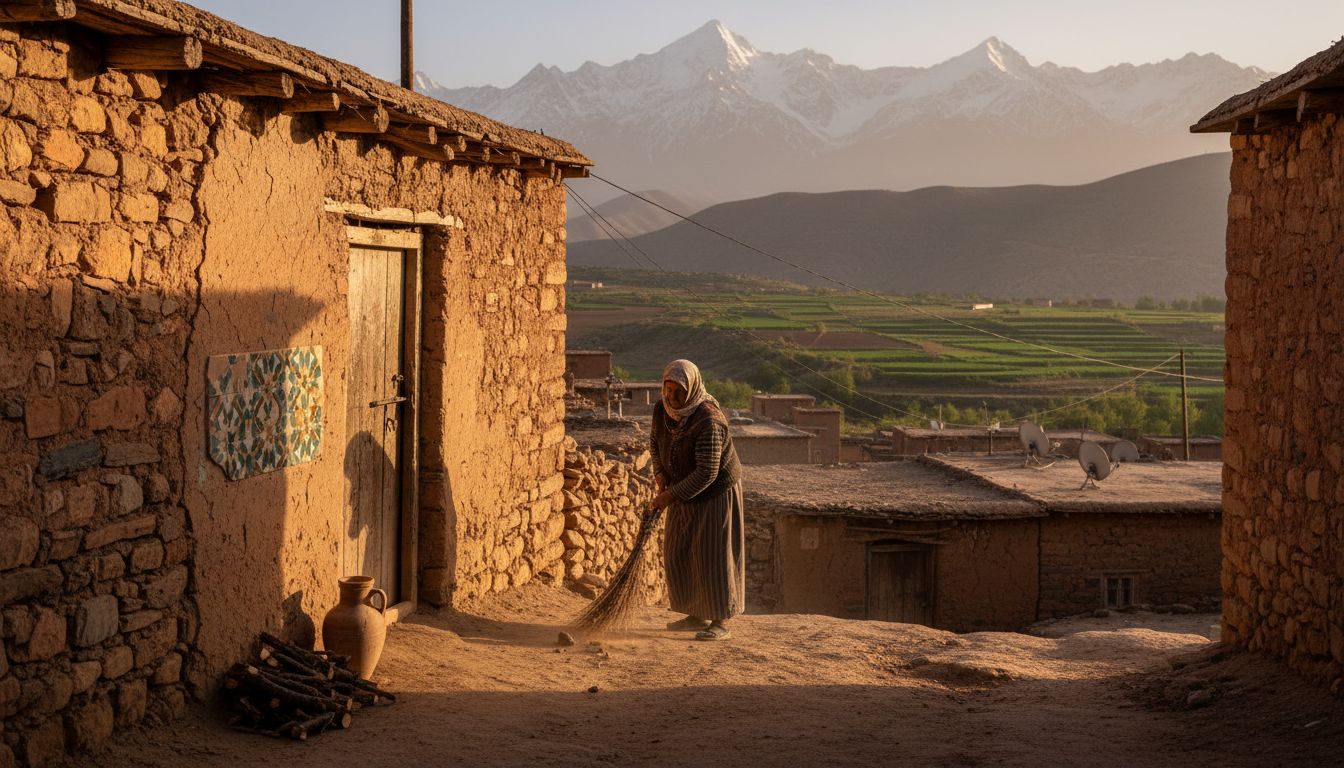
Most travelers are surprised to find that over 50 percent of Moroccan villages still use building techniques unchanged for centuries. These rural communities offer vivid contrasts to urban life, preserving traditional customs and social bonds that feel worlds apart from the familiar. Exploring these villages unlocks a deeper understanding of how culture, environment, and hospitality shape daily life in Morocco, letting visitors experience one-of-a-kind interactions and living heritage that remain untouched by time.
Table of Contents
- What Makes Moroccan Villages Unique
- Types of Villages Across Morocco
- Traditional Lifestyles and Local Hospitality
- Rural Adventures and Cultural Experiences
- Challenges and Travel Considerations for Visitors
Key Takeaways
| Point | Details |
|---|---|
| Cultural Preservation | Moroccan villages maintain ancestral traditions and unique architecture, providing immersive historical experiences. |
| Social Structure | Strong communal bonds and traditional governance highlight the value placed on collective well-being over individual interests. |
| Rural Adventures | Engaging in local activities offers travelers authentic insights into daily life and traditional skills, enhancing cultural exchanges. |
| Travel Considerations | Cultural awareness and preparation for practical challenges are essential for a respectful and enriching visit to Moroccan villages. |
What Makes Moroccan Villages Unique
Moroccan villages represent an extraordinary tapestry of cultural preservation, architectural ingenuity, and living heritage that sets them apart from traditional settlements worldwide. Unlike modern urban landscapes, these rural communities maintain deep connections to ancestral traditions, creating immersive environments where history breathes through every stone wall and narrow alleyway.
The architectural uniqueness of Moroccan villages stems from their remarkable adaptation to challenging geographical landscapes. In regions like the Atlas Mountains and desert peripheries, villages are constructed using local materials such as mud brick, stone, and clay – techniques that have remained virtually unchanged for centuries. These earthen constructions provide exceptional thermal regulation, keeping interiors cool during scorching summers and warm during cold mountain nights. Visitors can explore top destinations that showcase Morocco’s diverse landscapes and understand how geography profoundly shapes human settlement patterns.
Social structures in Moroccan villages represent another distinctive feature, with strong communal bonds and intricate social networks that prioritize collective well-being over individual interests. Traditional governance models like the “Jama’a” system involve community elders making collective decisions, reflecting a democratic approach deeply rooted in shared responsibility. Each village typically maintains specialized artisan traditions – from pottery making to textile weaving – that have been carefully transmitted through generations, creating living museums of cultural craftsmanship.
What truly distinguishes Moroccan villages is their ability to balance ancient practices with subtle adaptations to contemporary life. While preserving core cultural elements, these communities have selectively integrated modern conveniences without sacrificing their essential character. This delicate equilibrium allows travelers to experience authentic cultural interactions that feel genuine and unforced, offering insights into a way of life that remains remarkably resilient and vibrant.
Types of Villages Across Morocco
Morocco’s diverse landscape hosts an extraordinary array of village types, each reflecting unique geographical and cultural characteristics that make exploration a captivating journey. From the rugged Atlas Mountains to the expansive Sahara Desert, these settlements showcase remarkable adaptations to challenging environments. Understanding these variations requires recognizing how topography, climate, and historical influences shape community structures and architectural designs.
In the High Atlas Mountains, Berber villages like those in the Ourika Valley represent traditional mountain settlements characterized by stone and mud-brick houses built into steep hillsides. These compact communities utilize terraced agricultural techniques, creating remarkable agricultural ecosystems that have sustained populations for generations. Travelers can discover exciting tour experiences that provide intimate glimpses into these remarkable mountain communities, where survival depends on intricate understanding of landscape and resources.
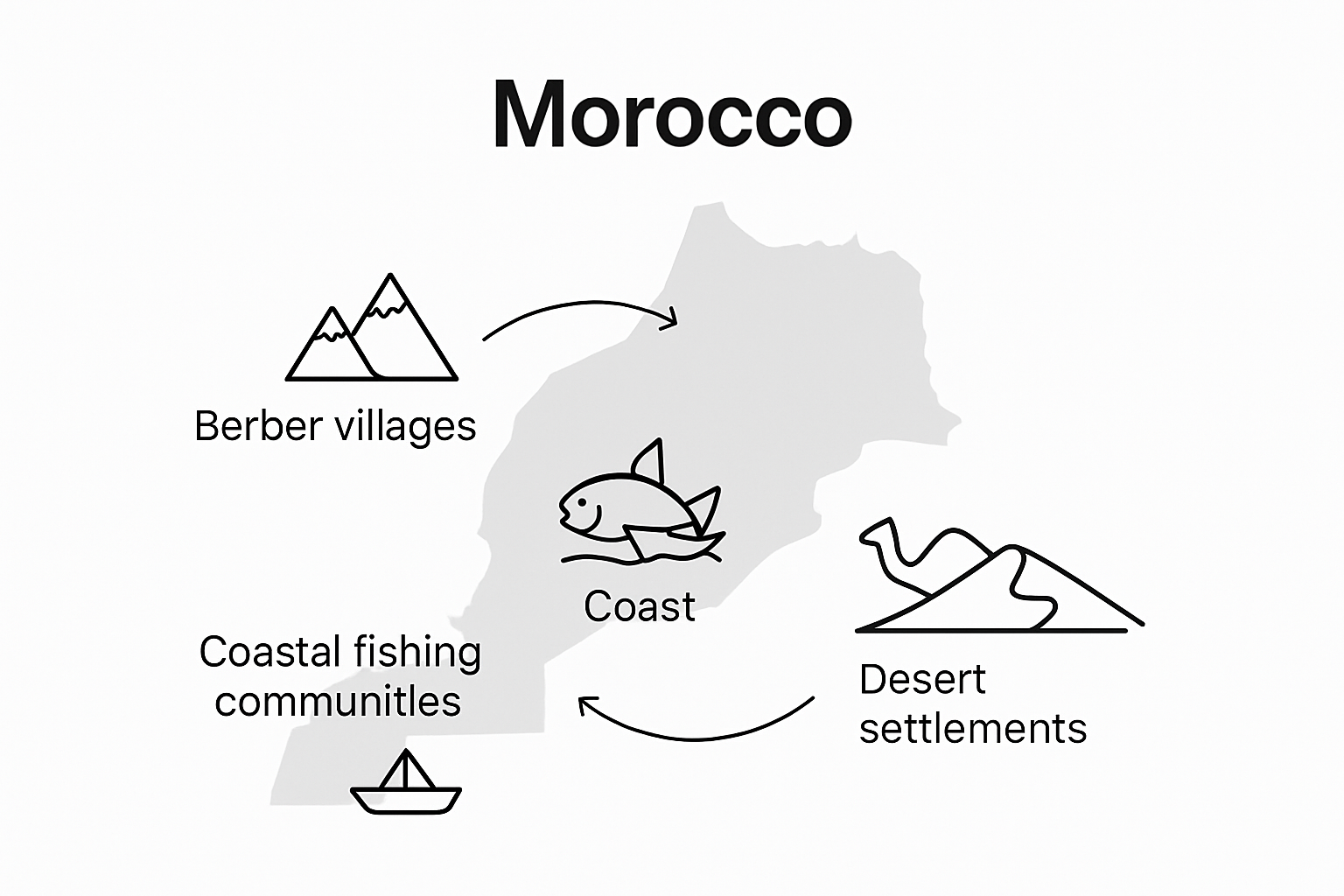
Coastal villages along Morocco’s Atlantic and Mediterranean shorelines present another fascinating village typology. Fishing communities like those in Taghazoute and Essaouira feature distinctive architectural styles with whitewashed buildings, blue-painted details, and compact layouts designed to withstand maritime conditions. These settlements blend maritime traditions with agricultural practices, creating dynamic economic ecosystems that have evolved over centuries of maritime trade and local resourcefulness.
Desert villages in regions like Merzouga and Zagora represent perhaps the most challenging and adaptable settlement types. Constructed using techniques that maximize thermal efficiency, these communities leverage traditional knowledge to create habitable spaces in extreme environmental conditions. Adobe construction, underground living spaces, and communal water management systems demonstrate extraordinary human resilience. These villages are not merely places of residence but living museums of cultural adaptation, where ancient survival techniques continue to inform contemporary life.
Traditional Lifestyles and Local Hospitality
Moroccan village hospitality represents a profound cultural philosophy that transcends mere accommodation, embodying deeply ingrained principles of generosity, respect, and community connection. The concept of hospitality in these rural communities goes far beyond simple welcomes, transforming into a sacred social contract that defines interpersonal relationships and cultural interactions. Visitors are not just guests, but temporary members of an extended family network where sharing meals, stories, and living spaces becomes a ritualistic expression of human connection.
Traditional daily life in Moroccan villages follows intricate rhythms dictated by agricultural cycles, religious practices, and communal responsibilities. Family structures remain multigenerational, with elderly members holding significant decision-making roles and passing down cultural wisdom. Women play crucial economic and social roles, managing household economies, producing traditional crafts, and maintaining complex social networks. Top Moroccan destinations offer travelers opportunities to witness these nuanced social dynamics that have remained largely unchanged for centuries.
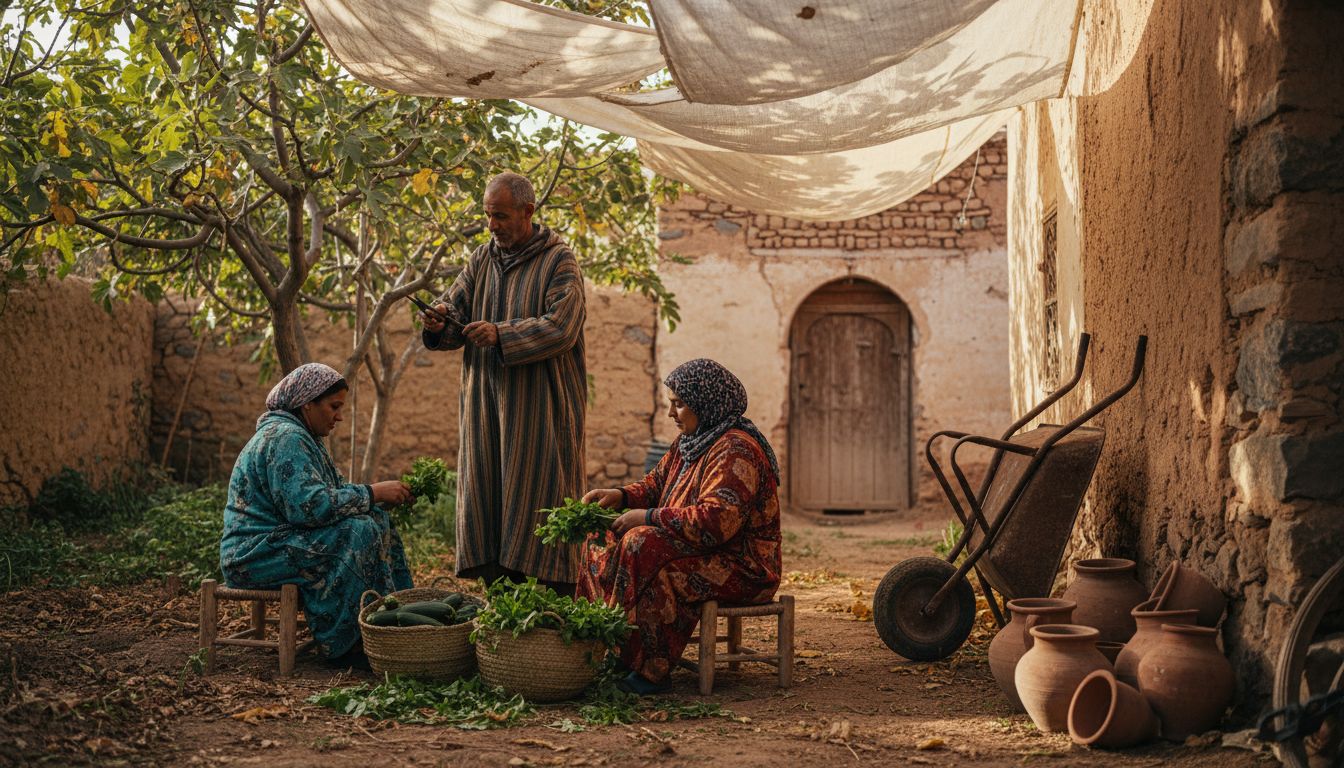
Hospitality rituals in these communities are elaborate and meaningful. The traditional tea ceremony, featuring mint tea prepared and served with exceptional grace, symbolizes more than refreshment – it represents trust, friendship, and mutual respect. Sharing food becomes a profound social act, with communal meals prepared and consumed using time-honored techniques that prioritize collective enjoyment over individual consumption. Visitors are often seated in places of honor, served first, and treated with exceptional warmth that reflects deep-rooted cultural values of generosity and human dignity.
These villages maintain a delicate balance between preserving ancient traditions and adapting to contemporary challenges. While modern technologies gradually infiltrate these communities, core social values remain remarkably consistent. Younger generations are increasingly educated and connected to broader world systems, yet they continue to respect and maintain traditional social structures. This dynamic adaptation ensures that Moroccan village culture remains vibrant, resilient, and capable of absorbing external influences without losing its essential character.
Rural Adventures and Cultural Experiences
Moroccan rural adventures represent an immersive journey into landscapes where cultural authenticity and natural beauty converge, offering travelers transformative experiences far beyond traditional tourism. These experiences go beyond mere sightseeing, inviting participants to actively engage with local communities, learn traditional skills, and participate in daily rhythms that have defined rural Moroccan life for generations. Cultural immersion becomes a deeply personal exploration of human connection and traditional wisdom.
Adventure opportunities in rural Morocco are incredibly diverse, ranging from agricultural experiences to artisanal craft workshops. Travelers can participate in traditional olive harvesting, learn ancient pottery techniques from master craftsmen, or join shepherds traversing mountain trails. Exciting adventure activities allow visitors to step outside traditional tourist experiences, gaining intimate insights into the resilient lifestyles of rural Moroccan communities. These interactions might include helping with traditional bread baking, learning weaving techniques, or participating in seasonal agricultural celebrations.
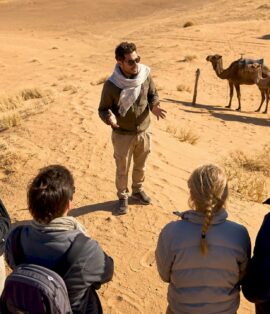
Geographical diversity amplifies the adventure potential of rural Morocco. Mountain regions like the High Atlas offer challenging hiking trails with breathtaking landscapes, while desert communities provide unique experiences of survival and adaptation. Each region presents distinctive cultural practices – from Berber mountain communities to nomadic desert groups – creating a rich tapestry of human experience. Travelers can engage in authentic experiences like camel trekking, learning traditional navigation techniques, or understanding complex water management systems that have sustained communities in harsh environments.
These rural adventures transcend simple tourism, representing profound cultural exchanges that challenge travelers’ perspectives and foster genuine understanding. By participating in local daily life, visitors develop deep respect for traditional knowledge systems and sustainable living practices. The experiences are not about observing culture from a distance, but actively participating in living traditions that have survived for centuries, creating meaningful connections that transform both travelers and local communities.
Challenges and Travel Considerations for Visitors
Exploring Moroccan villages requires thoughtful preparation and cultural sensitivity, as travelers navigate unique geographical, social, and logistical challenges that distinguish these experiences from typical tourist destinations. Cultural awareness becomes paramount, with nuanced understanding of local customs, communication protocols, and social expectations forming the foundation of meaningful interactions. Visitors must approach these journeys with respect, curiosity, and a willingness to adapt to environments that often lack conventional tourist infrastructure.
Cultural etiquette represents a critical consideration for travelers. Respectful engagement demands specific behavioral guidelines, including appropriate dress, communication methods, and social interactions. Comprehensive Morocco travel guides emphasize the importance of modest clothing, particularly in rural and conservative regions. Traditional greetings like ‘Salam Alaikum’ demonstrate cultural respect, while understanding non-verbal communication nuances can prevent unintentional social misunderstandings. Travelers should seek permission before photographing individuals, recognize gender-specific social protocols, and approach interactions with genuine humility and openness.
Practical challenges in Moroccan villages include limited infrastructure, variable transportation options, and potential language barriers. Remote settlements might lack consistent electricity, cellular connectivity, or immediate medical facilities. Travelers must prepare comprehensive medical kits, understand basic communication strategies, and maintain flexible expectations about comfort and convenience. Navigation can be complex, with minimal signage and challenging terrain requiring careful planning. Some regions demand specialized transportation methods, from high-clearance vehicles in mountain passes to guided camel treks in desert regions.
Financial and logistical preparations are equally crucial. Cash remains primary in many rural areas, with limited electronic payment options. Travelers should carry sufficient local currency, understand appropriate bargaining practices, and anticipate potential additional expenses for local guides or unexpected transportation needs. Understanding regional variations in customs, preparing appropriate clothing for diverse climatic conditions, and maintaining a patient, adaptable mindset will transform potential challenges into enriching cultural experiences that provide profound insights into Morocco’s diverse rural landscapes.
Experience Authentic Moroccan Village Life with Expert Guidance
Exploring Moroccan villages offers a unique chance to immerse yourself in ancient traditions, local hospitality, and breathtaking landscapes. However, navigating remote locations, respecting cultural etiquette, and uncovering genuine experiences can be challenging without the right support. At TopMoroccoTravel.com, we understand the importance of balancing authentic cultural immersion with hassle-free travel. Our tailored tours address common travel challenges such as limited infrastructure, language barriers, and the need for cultural sensitivity, ensuring your journey into Morocco’s rural communities is both meaningful and comfortable.
Discover customized itineraries that connect you to Berber mountain villages, desert settlements, and coastal fishing communities through engaging adventure activities and immersive cultural experiences. With our expert team, personalized holiday planning, and 24/7 support, you can confidently unlock the vibrant social fabric and architectural heritage described in the article. Do not miss the opportunity to explore top Moroccan destinations authentically. Start your journey now by visiting TopMoroccoTravel.com and transform the way you experience Moroccan villages.
Frequently Asked Questions
What makes Moroccan villages unique?
Moroccan villages are distinguished by their strong cultural traditions, unique architectural styles that adapt to local landscapes, and intricate social structures that prioritize communal values.
How can travelers experience traditional lifestyles in Moroccan villages?
Travelers can engage with local communities through immersive experiences like participating in traditional crafts, agricultural practices, and hospitality rituals that include sharing meals and participating in cultural celebrations.
What challenges should travelers prepare for when visiting Moroccan villages?
Travelers should be aware of limited infrastructure, potential language barriers, and the need for cultural sensitivity, including understanding local customs and appropriate dress codes. It’s crucial to be flexible regarding comfort and convenience.
What types of activities are available in rural Morocco for adventurous travelers?
Adventurous travelers can partake in diverse activities such as hiking in the mountains, camel trekking in the desert, and learning artisanal crafts, which provide unique insights into the communities’ resilient lifestyles.
Recommended
- 7 Must Do Morocco Experiences for Every Type of Traveler
- Top Places to Visit Morocco: Unforgettable Destinations
- Things to Do in Morocco: Top Experiences & Attractive Places
- 7 Best Morocco Destinations for an Unforgettable Trip
- Exploring Rich and Spicy Oud Creations


Comments are closed