




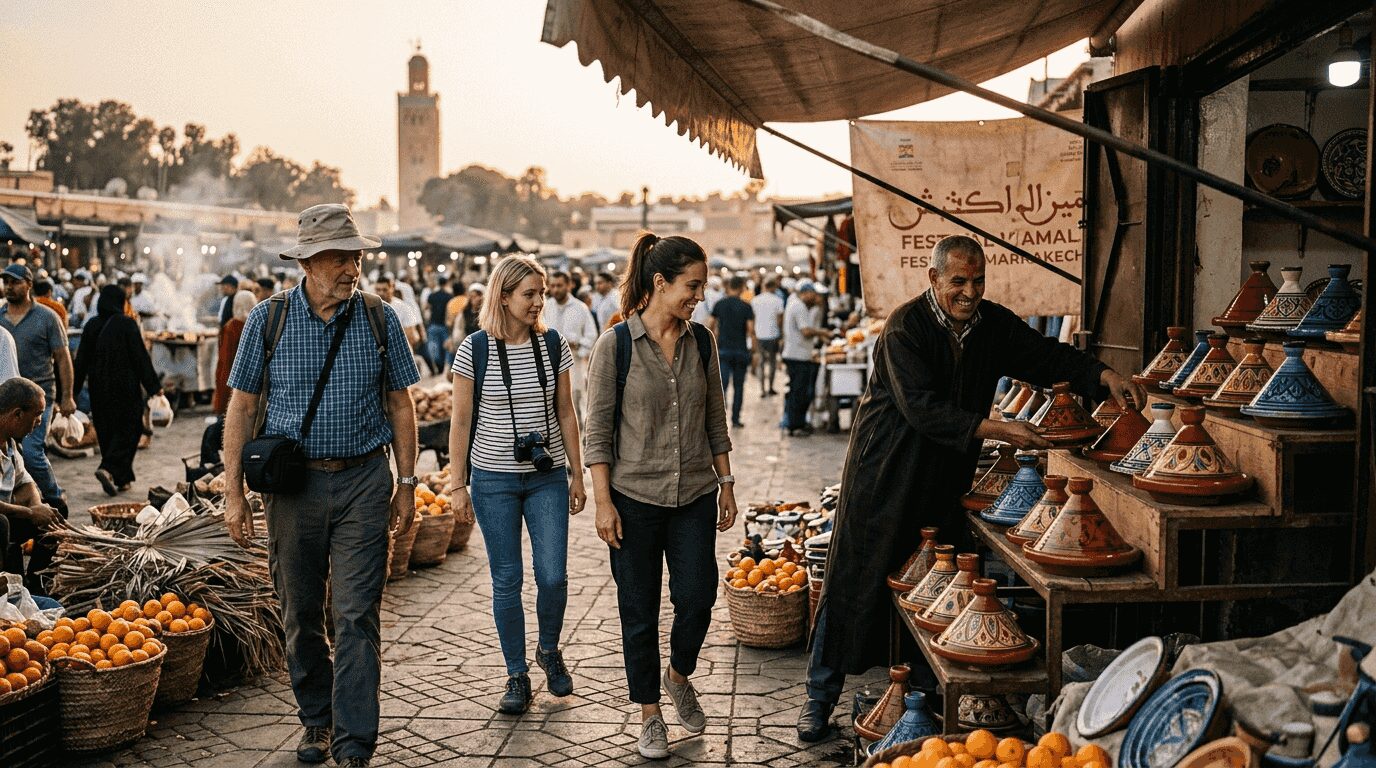
Choosing the right cultural immersion activities in Morocco transforms a simple vacation into a meaningful journey. With countless options ranging from cooking classes to Berber village visits, travelers often struggle to identify experiences that authentically represent Moroccan traditions while fitting their interests and comfort levels. This guide organizes Morocco’s best cultural immersion activities by key criteria, helping families, adventure seekers, and solo travelers select experiences that deepen understanding and create lasting memories.
Table of Contents
- Criteria For Choosing Immersive Activities In Morocco
- Cooking Classes And Artisan Workshops: Hands-On Cultural Experiences
- Exploring Berber Communities And Traditional Festivals: Ethical Cultural Engagement
- Solo Female Travel Tips: Enhancing Cultural Immersion Safely
- Comparing Cultural Immersion Activities: Which Fit Your Travel Style?
- Plan Your Moroccan Cultural Immersion Adventure With Top Morocco Travel
Key takeaways
| Point | Details |
|---|---|
| Family bonding | Cultural activities increase children’s cultural awareness by 25% while strengthening family connections by 30%. |
| Ethical engagement | Supporting Berber communities through responsible tourism practices ensures sustainable cultural preservation. |
| Solo travel preparation | Modest dress and basic Arabic phrases reduce unwanted attention for solo female travelers. |
| Balanced itineraries | Mixing structured activities with free exploration time enhances immersion without overwhelming travelers. |
Criteria for choosing immersive activities in Morocco
Selecting authentic cultural experiences requires understanding what separates genuine immersion from tourist entertainment. The best activities connect you directly with Moroccan communities while respecting traditions that have shaped the country for centuries.
Authenticity stands as the foundation of meaningful cultural exchange. Look for experiences led by local guides who share personal stories and family traditions rather than rehearsed scripts. Activities should reflect real Moroccan life, not staged performances designed solely for tourists.
Ethical engagement protects both travelers and communities. Sustainable tourism practices ensure your participation benefits local economies without exploiting cultural traditions. Choose operators who pay fair wages, respect privacy, and contribute to community development.
Families need specialized considerations when planning Morocco cultural immersion experiences. Programs that balance structured activities with free time and employ guides experienced with children create positive experiences for all ages. Activities should engage kids actively rather than requiring them to observe passively for hours.
Safety and cultural respect matter especially for solo travelers. Understanding local customs, appropriate dress codes, and basic language phrases helps you navigate Morocco confidently. Research neighborhoods, transportation options, and communication strategies before arriving.
Pro Tip: Learning five Arabic phrases and understanding what is a riad before arrival dramatically improves your ability to connect with locals and navigate cultural situations comfortably.
Cooking classes and artisan workshops: hands-on cultural experiences
Cooking classes offer the most accessible entry point into Moroccan culture. You work alongside local cooks in home kitchens or riads, learning to prepare tagine, couscous, and pastilla using traditional techniques passed through generations. The intimate setting encourages conversation about family traditions, ingredient selection, and the role of food in Moroccan hospitality.
Artisan workshops provide equally valuable hands-on learning. Pottery studios in Fes, weaving cooperatives in the Atlas Mountains, and leather workshops in Marrakech welcome visitors to try traditional crafts. These sessions reveal the patience and skill required for work that might appear simple at first glance.
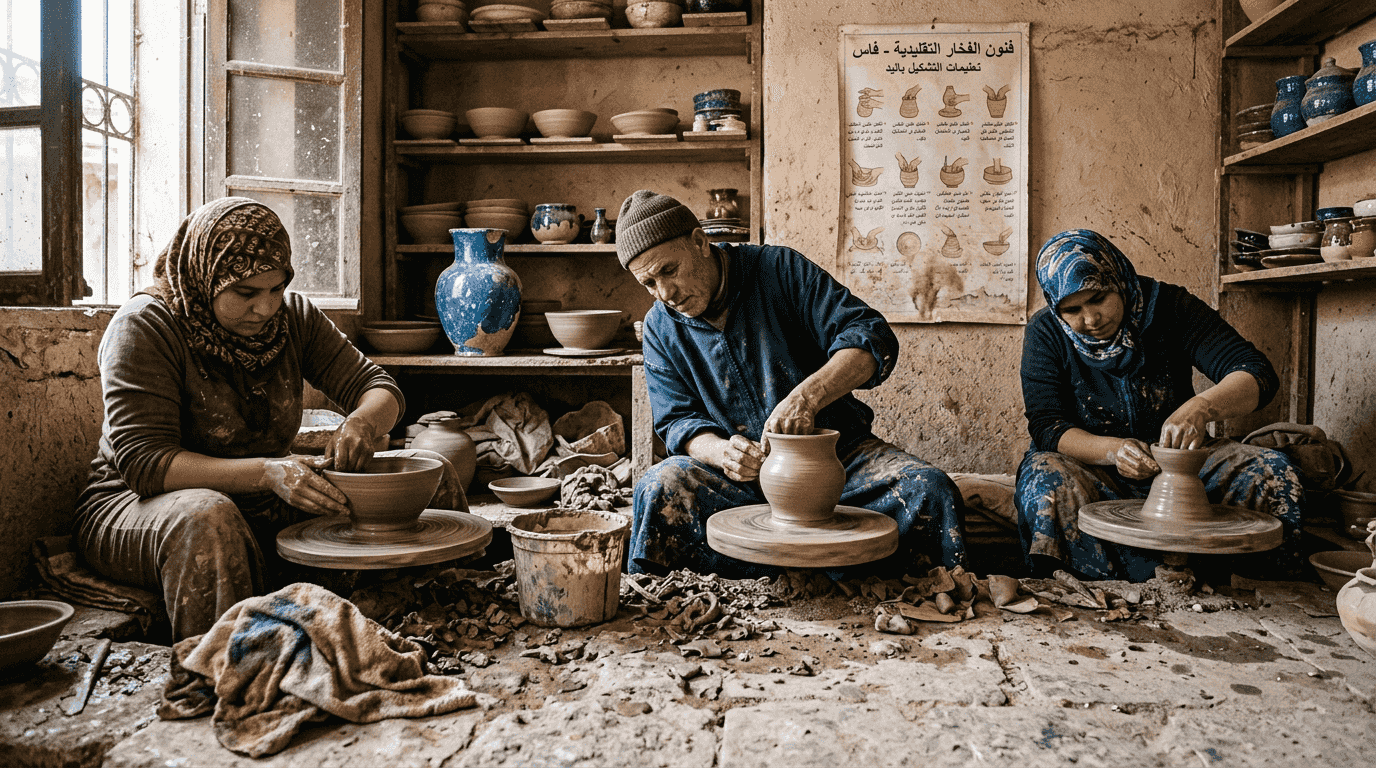
Family participation in cultural activities creates lasting educational value. Children remember making bread in a village oven or painting zellige tiles far longer than they recall visiting another museum. The tactile nature of these experiences keeps young travelers engaged while parents gain deeper appreciation for Moroccan artistry.
These activities naturally foster personal connections. Spending three hours cooking with a Moroccan family reveals more about daily life than any guidebook. You discuss marriage customs while rolling couscous, learn about religious practices while waiting for bread to bake, and understand economic realities while shopping for ingredients in local markets.
Workshops also support economic sustainability. Direct payments to artisans provide better compensation than purchasing finished goods through intermediaries. Many cooperatives invest proceeds in community projects, education, and preserving traditional techniques threatened by mass production.
Pro Tip: Book morning cooking classes to visit markets with your instructor, selecting fresh ingredients while learning about Moroccan produce, spices, and bargaining customs.
Exploring Berber communities and traditional festivals: ethical cultural engagement
Berber communities in the Atlas Mountains and desert regions offer profound insights into Morocco’s indigenous culture. Villages preserve languages, architecture, and lifestyles distinct from Arab Moroccan traditions. Visiting these communities requires careful ethical consideration to avoid treating people as tourist attractions.
Responsible Berber village visits partner with communities to create mutually beneficial exchanges. Guides explain social structures, agricultural practices, and how geography shapes daily life. Families might invite you for tea, demonstrating hospitality customs while sharing stories about seasonal migration patterns or traditional governance.
Traditional festivals provide spectacular immersion opportunities. The Imilchil Marriage Festival in September celebrates Berber courtship traditions with music, dance, and ceremonial activities. Gnawa music festivals in Essaouira blend spiritual devotion with artistic performance, revealing African influences on Moroccan culture. The Rose Festival in Kelaat M’Gouna showcases agricultural traditions through harvest celebrations.
Respecting customs protects these cultural treasures. Dress modestly with covered shoulders and knees. Ask permission before photographing people or entering private spaces. Understand that some ceremonies or spaces remain closed to outsiders, and accept these boundaries gracefully.
Choosing operators with local partnerships ensures your visit supports rather than exploits communities. Look for guides who speak Berber languages, employ local staff, and contribute to community funds. Avoid tours that promise access to “unchanged” villages, as this language often signals problematic tourism practices.
Pro Tip: Learning basic Tamazight greetings shows respect for Berber culture and often opens doors to deeper conversations about traditions, challenges, and hopes for the future.
Solo female travel tips: enhancing cultural immersion safely
Solo female travelers can enjoy rich cultural immersion in Morocco with preparation and realistic expectations. Modest clothing covering shoulders and knees helps you blend into local environments and reduces unwanted attention in major cities. Loose, breathable fabrics work best in Morocco’s heat.
Learning key Arabic phrases empowers you to set boundaries politely. “La shukran” (no thank you) and “barakallahu fik” (may God bless you, used to politely end conversations) help you navigate persistent vendors or unwanted interactions. Confident body language and purposeful walking discourage approaches.
Accommodation choices significantly impact your solo female travel experience. Riads in well-located neighborhoods provide cultural atmosphere with the security of staff presence. Many riad owners offer valuable local advice and can arrange trusted guides or transportation.
Group cultural activities build connections and confidence. Cooking classes, hammam visits with other women, and organized tours create opportunities to meet fellow travelers while experiencing Moroccan culture. These settings often feel more comfortable than solo exploration in crowded souks.
Realistic expectations prevent disappointment. You will likely receive more attention than male travelers or couples. Most interactions remain harmless, though occasionally annoying. Preparation, appropriate responses, and choosing activities wisely minimize negative experiences while maximizing cultural learning.
Pro Tip: Review essential Morocco travel tips before departure to understand transportation options, bargaining etiquette, and communication strategies that enhance safety and cultural engagement.
Comparing cultural immersion activities: which fit your travel style?
Different activities suit different traveler priorities and comfort levels. Cooking classes work exceptionally well for families because children actively participate rather than observe. The three to four hour duration prevents fatigue while the hands-on nature maintains engagement. Families report these experiences as trip highlights that children reference months later.
Artisan workshops appeal to travelers seeking deeper artistic understanding. Pottery, weaving, and metalwork sessions require patience and focus, making them better suited for adults or older children. The slower pace allows detailed conversation about techniques, symbolism, and economic challenges facing traditional craftspeople.
Berber community visits attract adventure seekers interested in rural lifestyles and mountain cultures. These experiences often involve hiking, basic accommodations, and less tourist infrastructure. Physical fitness and flexibility about comfort become important considerations.
Traditional festivals offer intense cultural immersion in compressed timeframes. The crowded, energetic atmosphere excites some travelers while overwhelming others. Festivals require advance planning as accommodation fills quickly and prices increase during popular events.
| Activity | Family Suitable | Ethical Focus | Solo Friendly | Interaction Level | Physical Demand |
|---|---|---|---|---|---|
| Cooking classes | Excellent | Moderate | High | Very High | Low |
| Artisan workshops | Good | High | High | High | Low |
| Berber villages | Moderate | Very High | Moderate | High | Moderate to High |
| Traditional festivals | Variable | Moderate | Moderate | Very High | Moderate |
| Riad cultural stays | Excellent | Moderate | Very High | Moderate | Low |
Mixing structured activities with unstructured exploration creates balanced itineraries. Schedule cooking classes or workshops for mornings when energy runs high. Reserve afternoons for wandering souks, relaxing in gardens, or people watching in cafes. This rhythm prevents cultural overload while maximizing learning opportunities.
Consider your tolerance for ambiguity and improvisation. Highly structured travelers prefer cooking classes and workshops with clear schedules and defined outcomes. Flexible travelers enjoy the unpredictability of festival attendance or village visits where plans shift based on weather, local events, or spontaneous invitations.
Plan your Moroccan cultural immersion adventure with Top Morocco Travel
Transforming cultural interests into actual experiences requires local expertise and careful planning. Top Morocco Travel specializes in Moroccan city tour concepts that blend luxury accommodations with authentic cultural immersion, connecting you with local guides, artisan communities, and family-run riads.
Families benefit from specialized resources that address unique planning challenges. Our Morocco family trip guide helps you select age-appropriate activities, pace itineraries properly, and prepare children for cultural differences they will encounter. Expert planning prevents common mistakes that diminish family travel experiences.
The advantages of guided tours in Morocco include navigating language barriers, accessing experiences unavailable to independent travelers, and understanding cultural contexts that deepen appreciation. Professional guides transform sightseeing into education, explaining historical significance, religious practices, and social dynamics that casual observation misses. Let our expertise create your memorable Moroccan adventure.
FAQ
What are the best cultural immersion activities for families in Morocco?
Cooking classes and artisan workshops top the list for family cultural immersion. These hands-on experiences actively engage children while teaching about Moroccan traditions through participation rather than observation. Programs balancing structured activities with free time and employing guides experienced with children create positive experiences that strengthen family bonds while building cultural awareness.
How can solo female travelers safely enjoy cultural immersion in Morocco?
Dress modestly and learn basic Arabic phrases to reduce unwanted attention and navigate interactions confidently. Choose well-located riads for accommodation and participate in group cultural activities like cooking classes to build connections. Review our solo female travel guide for detailed preparation strategies that maximize cultural engagement while maintaining personal safety.
What ethical considerations should adventure seekers keep in mind in Morocco?
Respect local customs, dress codes, and privacy when visiting Berber communities or attending traditional ceremonies. Support sustainable tourism by choosing operators who employ local guides, pay fair wages, and contribute to community development. Ask permission before photographing people and accept when certain spaces or ceremonies remain closed to outsiders.
How much time should I allocate for cultural immersion activities?
Cooking classes typically require three to four hours including market visits and meal preparation. Artisan workshops range from two hours for introductory sessions to full-day intensive experiences. Berber village visits work best as overnight or multi-day experiences that allow meaningful interaction beyond brief photo opportunities.
Can I combine luxury travel with authentic cultural immersion in Morocco?
Absolutely. Staying in high-end riads provides authentic architectural experiences with modern comfort. Many luxury operators arrange private cooking classes, exclusive artisan workshops, and guided community visits that maintain cultural authenticity while offering premium service. The key is selecting operators who prioritize genuine cultural exchange alongside comfort and convenience.
Recommended
- Why Morocco Matters for Cultural Immersion Travel
- Things to Do in Morocco: Top Experiences & Attractive Places
- Morocco travel packages: cultural luxury experiences – Top Morocco Travel
- Morocco Holidays: Offer Adventure Culture And Luxury Tours


Comments are closed