




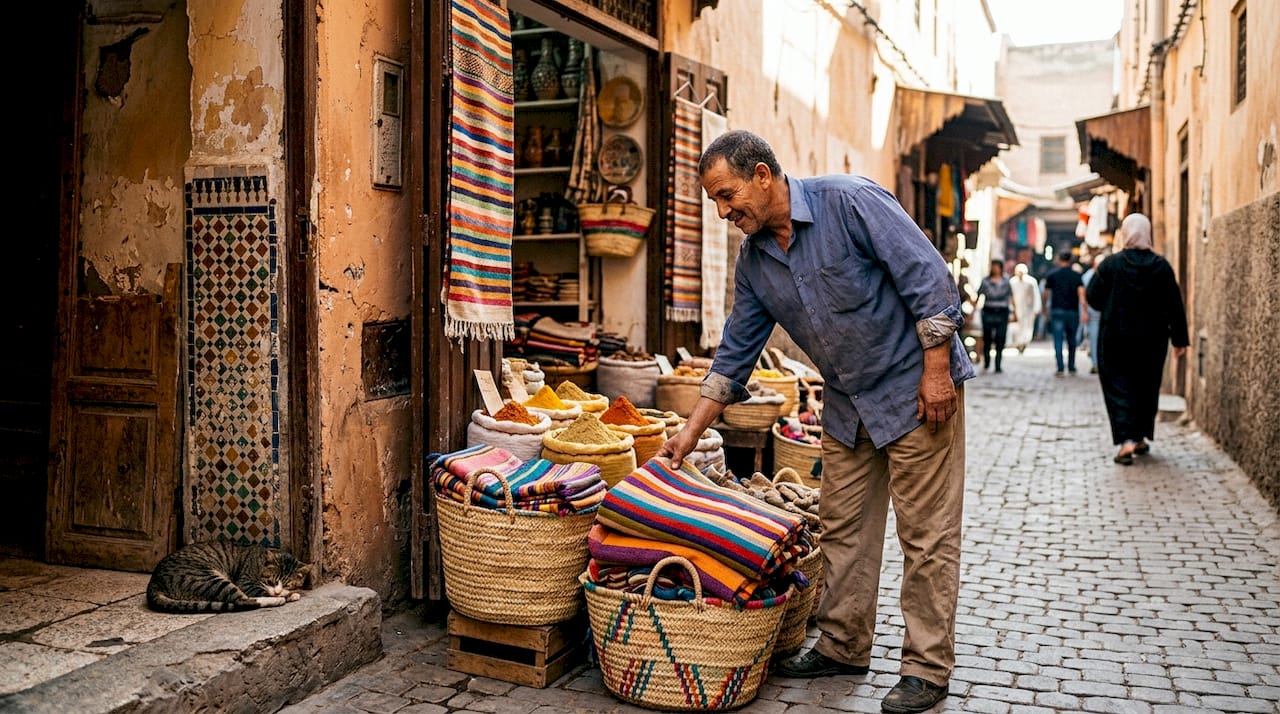
Morocco has a way of pulling you in fast, then spitting you back out into a gift shop. Millions of travelers arrive each year hoping for something real, only to find themselves shuffled through scripted tours and overpriced mint tea ceremonies staged for cameras. The gap between what Morocco promises and what most itineraries deliver is frustrating, but it is entirely fixable. This guide walks you through every stage of genuine cultural immersion, from what to pack and how to greet a host, to choosing the right riad and navigating a souk like a local.
Table of Contents
- What makes a trip truly immersive?
- Preparing for cultural immersion in Morocco
- Step-by-step: How to immerse yourself in Moroccan culture
- Navigating Moroccan etiquette and social norms
- Choosing authentic experiences and accommodations
- Fine-tuning your trip: Troubleshooting and personalizing
- Ready to immerse yourself? Discover guided experiences
- Frequently asked questions
Key Takeaways
| Point | Details |
|---|---|
| Hands-on over sightseeing | Immersive activities like cooking, homestays, and workshops provide the deepest cultural experiences. |
| Respect local etiquette | Modest dress and basic language gestures prevent most misunderstandings and are appreciated by Moroccans. |
| Blend city and countryside | A mix of urban and rural experiences delivers a fuller picture of Morocco’s culture. |
| Choose authentic stays | Riads and village homes offer richer interactions than standard hotels for cultural travelers. |
| Stay flexible | Personalize your trip and be ready to adapt plans for the most rewarding immersion. |
What makes a trip truly immersive?
Immersion is not about ticking off landmarks. In Morocco, it means participating in daily life rather than watching it from behind a camera lens. The difference is felt immediately. A traveler who joins a family for a home-cooked tagine leaves with a story. One who photographs the same meal through a restaurant window leaves with a JPEG.
True Moroccan immersion looks like this:
- Cooking classes in a local home, learning to balance ras el hanout spices by smell
- Language exchanges where you trade a few words of Darija (Moroccan Arabic) for a cup of coffee
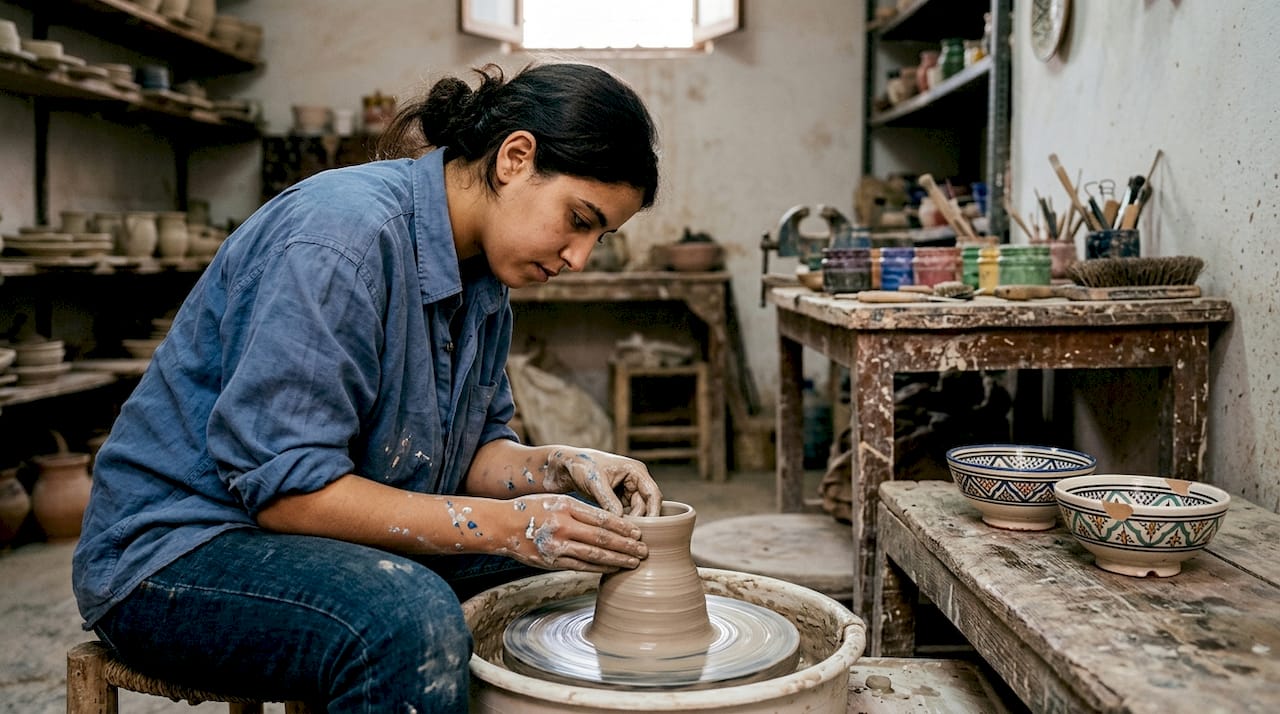
- Hands-on craft workshops in pottery, zellige tilework, or leather dyeing in a medina
- Souk shopping with a local guide who explains the social rules, not just the prices
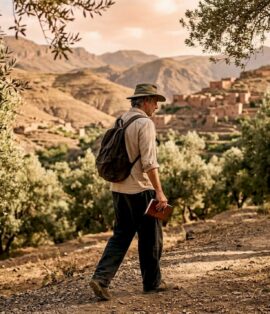
- Homestays in Atlas Mountain Berber villages where daily rhythms set the pace
National Geographic Expeditions notes that travelers should prioritize hands-on activities like cooking and homestays over passive sightseeing for the deepest cultural connection. That shift in mindset changes everything. You can explore immersion activities in Morocco that go well beyond the standard tour circuit, and why cultural immersion matters for travelers who want more than a highlight reel.
Preparing for cultural immersion in Morocco
Once you know what kind of experiences lead to real immersion, you can set the stage before even boarding your flight. Preparation here is not about overpacking. It is about arriving with the right mindset and a few practical tools.
Language basics go a long way. Learning five to ten Darija phrases, like shukran (thank you), la bas (how are you), and b’saha (cheers/to your health), signals respect immediately. Locals notice, and doors open faster.
Dress modestly, especially outside major cities. Covering shoulders and knees is standard courtesy in medinas, rural towns, and religious sites. It is not just about following rules. It shows you understand where you are. According to Morocco Journey, modest dress and right-hand etiquette prevent roughly 90% of cultural misunderstandings, and locals are genuinely forgiving toward respectful visitors.
Here is a quick pre-trip checklist:
- Pack lightweight, breathable layers that cover arms and legs
- Bring a small scarf or shawl for mosque visits and rural areas
- Use your right hand for eating, greeting, and passing items
- Download an offline Arabic or French phrasebook app
- Research the Islamic calendar for Ramadan dates, which affect dining hours and social energy
Pro Tip: Pack one outfit you would not mind getting dusty or dyed. Tannery visits and pottery workshops are messy, and that is exactly the point.
For a broader overview of what to expect on arrival, the tips for visiting Morocco resource covers everything from airport logistics to regional differences in hospitality.
Step-by-step: How to immerse yourself in Moroccan culture
When you are ready to step into Morocco, here is how to move from planning to immersive action, one step at a time.
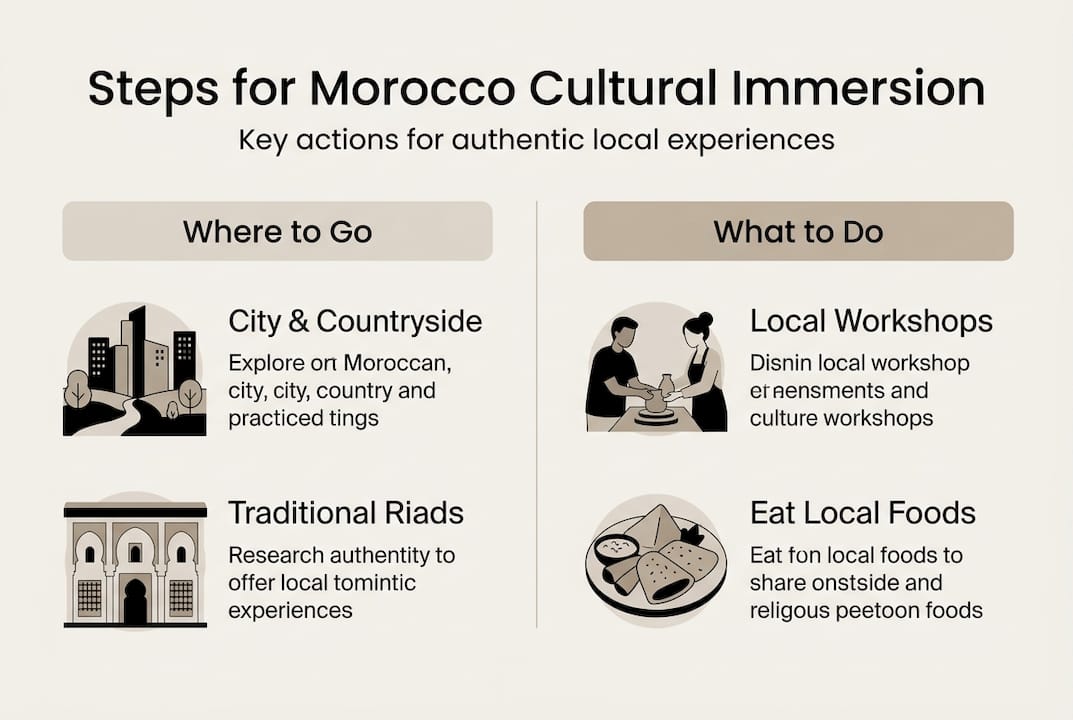
1. Mix city and countryside in a single trip.
Lonely Planet recommends combining urban and rural Morocco, pairing Marrakech’s souks with Atlas Berber villages and Sahara desert camps, for the full cultural spectrum. A week split between Fes, a mountain village, and the desert gives you three completely different Moroccos.
2. Book accommodations with cultural programs built in.
Riads and rural guesthouses often run cooking classes, hammam sessions, and guided medina walks. These are not add-ons. They are the main event. Learn more about choosing a riad stay before you book.
3. Engage in local workshops early in your trip.
Do not save the hands-on stuff for day five. A morning pottery class on day two recalibrates your entire perspective. You start noticing craft details everywhere after that.
4. Eat where locals eat.
Street food stalls in Djemaa el-Fna square in Marrakech or the food markets in Meknes are not just cheap. They are social hubs. Sit at a communal table, point at what your neighbor ordered, and let the conversation happen naturally.
5. Approach souks with patience, not a shopping list.
The souk is a social space first, a marketplace second. Wandering without an agenda leads to the best encounters.
Here is a quick comparison of experience types to help you plan:
| Experience type | Immersion level | Best for |
|---|---|---|
| Guided city tour | Moderate | First-time visitors |
| Cooking class in a riad | High | Food lovers, families |
| Berber village homestay | Very high | Solo travelers, adventurers |
| Desert camp stay | High | Couples, groups |
| Craft workshop in medina | High | Creative travelers |
Pro Tip: Build your Morocco travel itinerary around one anchor experience per destination rather than a list of sights. One deep experience beats five shallow ones every time.
For inspiration on structuring your days, Moroccan city tour concepts offer flexible frameworks that balance exploration with genuine local contact.
Navigating Moroccan etiquette and social norms
With activities lined up, it is just as crucial to act in ways that earn mutual respect and open more authentic doors. Morocco has a rich set of social customs, and most of them are intuitive once you understand the logic behind them.
Greetings matter enormously. A warm salam alaikum (peace be upon you) followed by a handshake and a hand placed over the heart signals sincerity. Rush past this step and you have already started on the wrong foot.
Tea is never just tea. When a host offers you mint tea, accepting it is an act of trust. Refusing is considered rude. The pouring ritual, done from a height to create froth, is a performance of hospitality. Watch it, appreciate it, and drink all three glasses if offered.
Photography requires permission. Pointing a camera at someone without asking is intrusive anywhere, but especially in Morocco’s medinas where people live and work. A smile and a gesture toward your camera usually gets a nod or a polite decline. Both are fine.
On haggling, Experience It Tours puts it well:
Haggling is a social art in Morocco. Start at 50% of the asking price, keep a smile on your face, and be willing to walk away. The vendor will often call you back.
This haggling approach reframes the whole interaction. It is not confrontational. It is collaborative theater, and both sides enjoy it when done with good humor.
Key etiquette reminders:
- Remove shoes before entering a home or mosque
- Avoid eating, drinking, or smoking in public during Ramadan daylight hours
- Do not photograph military buildings or government facilities
- Accept food or gifts with your right hand
For a deeper look at unique Morocco experiences that put these customs into practice, there are curated options that ease you into local life naturally.
Choosing authentic experiences and accommodations
Now, let’s make sure your experiences and where you lay your head support immersion, not just comfort. The accommodation you choose sets the tone for your entire trip.
Riads are the gold standard. These traditional courtyard homes, converted into guesthouses, place you inside the medina’s living fabric rather than outside it looking in. Many riads run cultural programs as part of the stay. Lonely Planet recommends booking through riads and established operators for vetted, authentic experiences. You can read more about what a riad is and explore a full breakdown in the riads explained guide.
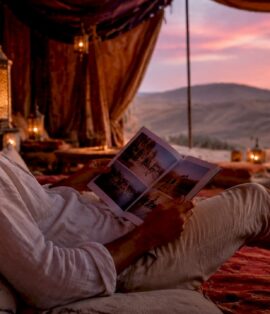
Desert camps vary wildly in quality. A genuine Sahara camp involves sleeping under open stars, sharing meals with Berber guides, and hearing music around a fire. A staged one involves a generator, a buffet, and a DJ. Ask operators directly: how many guests per camp? Who are the guides? Are meals prepared on-site?
Here is a quick checklist for spotting authentic experiences:
| Green flag | Red flag |
|---|---|
| Small group sizes (under 12) | Large bus tours |
| Local guides with community ties | Generic English-speaking guides |
| Hands-on participation offered | Passive observation only |
| Meals prepared by hosts | Catered buffet setups |
| Flexible, conversation-based pacing | Rigid, timed schedules |
For broader cultural accommodation ideas that blend wellness with local culture, there are international frameworks worth borrowing when planning your Morocco stay.
Additional signs of a genuine operator:
- They mention specific community partnerships
- Reviews reference local families or artisans by name
- They offer customization based on your interests
- They are transparent about where your money goes
Fine-tuning your trip: Troubleshooting and personalizing
Even well-planned trips need tweaks. Here is how to adapt on the fly for the best possible immersion.
1. Watch the weather and adjust accordingly.
The Sahara in July is brutal. The Atlas Mountains in January require warm layers. Build flexibility into your schedule so heat or cold does not force you indoors during the best parts.
2. Honor your energy levels.
Medina exploration is sensory overload, in the best way. But two full days of souk wandering without a break leads to burnout. Schedule a slow morning at your riad, a hammam session, or a quiet lunch in a courtyard. Recovery is part of the experience.
3. Follow local celebrations when they appear.
A wedding procession, a moussem (local festival), or a Friday prayer gathering are not interruptions to your itinerary. They are the itinerary. Stop, watch respectfully, and let the moment happen.
4. Blend structured and spontaneous.
Book your anchor experiences in advance, then leave gaps. Some of the best Morocco moments happen when a shopkeeper invites you upstairs for tea, or a guesthouse owner offers to take you to his family’s farm.
5. Reassess midway through.
National Geographic Expeditions emphasizes that balanced itinerary planning with hands-on activities at its core produces the most satisfying trips. If your first few days feel too rushed, cut a city and go deeper where you are.
Pro Tip: Keep one full day unscheduled in your custom Morocco itinerary. That blank space almost always becomes the highlight of the trip.
Ready to immerse yourself? Discover guided experiences
Planning a culturally rich Morocco trip takes real effort, but you do not have to figure it all out alone. At TopMoroccoTravel.com, we design journeys that put you inside Moroccan life, not just in front of it. Our guides have community roots in the medinas, mountains, and desert regions that most travelers never reach independently. Whether you are drawn to immersive tours in Morocco that include cooking, craft workshops, and local family visits, or you want to understand Morocco cultural immersion options before committing to a full itinerary, we have resources and real people ready to help. Reach out and let us build something that fits you.
Frequently asked questions
Is Morocco safe for solo cultural travel?
Yes, Morocco is generally safe for solo travelers who dress modestly and follow basic customs. As Morocco Journey notes, respectful behavior prevents the vast majority of issues with locals.
What’s the best way to meet locals authentically?
Homestays, hands-on craft workshops, and local-guided food tours consistently produce the richest interactions. National Geographic Expeditions confirms that hands-on activities foster deeper immersion than passive sightseeing.
Do I need to speak French or Arabic to connect with Moroccans?
A few phrases help enormously, but many Moroccans in tourism speak English. Lonely Planet notes that even simple language skills open doors to warmer hospitality and more genuine exchanges.
How can I avoid tourist traps when booking experiences?
Book through vetted riads or established tour operators and look for small-group, hands-on formats. Lonely Planet recommends booking via riads and established operators as the most reliable path to authentic experiences.
Recommended
- Top cultural immersion activities in Morocco – Top Morocco Travel
- Why Morocco Matters for Cultural Immersion Travel
- 7 Must Do Morocco Experiences for Every Type of Traveler
- Complete Guide to Morocco: Culture, Travel, and Experiences


Comments are closed