




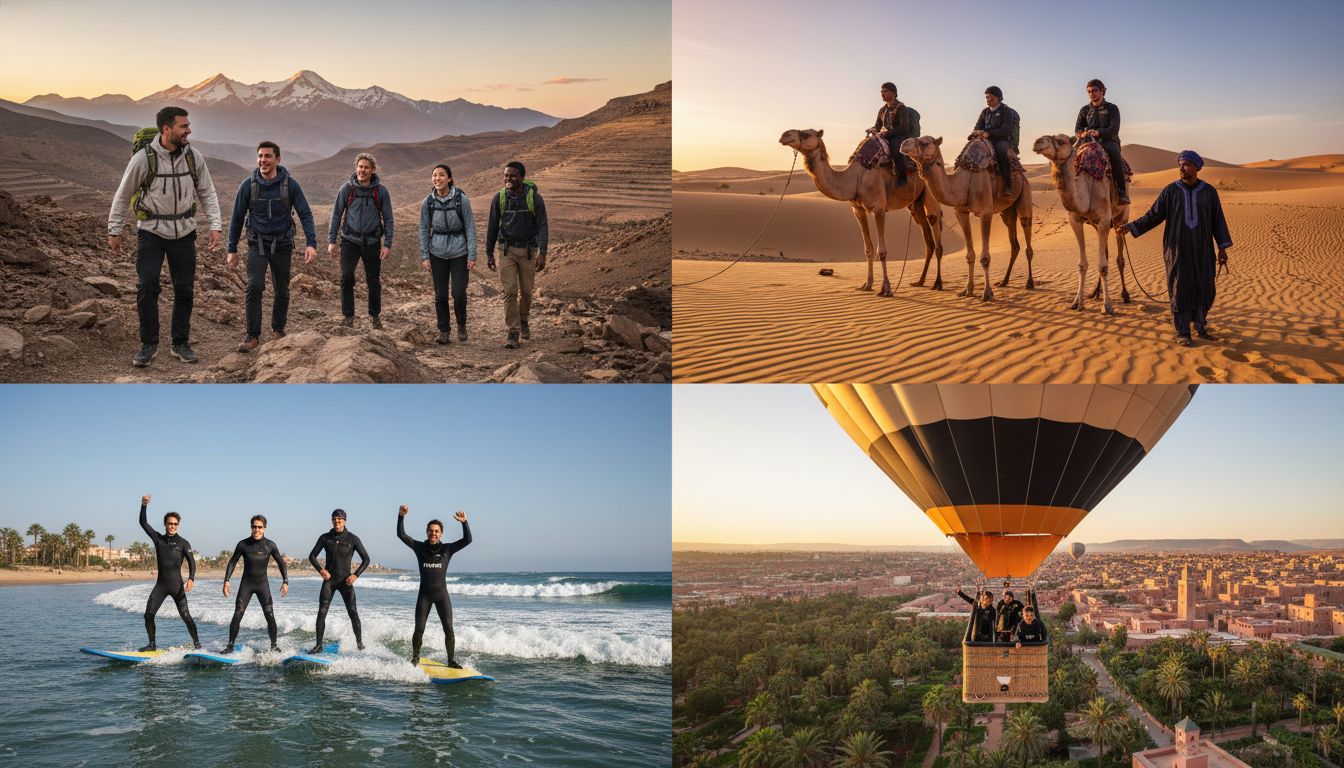
Every year, thousands of hikers set out to conquer the breathtaking Atlas Mountains, yet only those who prepare properly truly enjoy the journey. With elevations soaring up to 4,167 meters, this North African range demands more than just sturdy boots and curiosity. Knowing how to train, pack, and plan gives you the confidence to tackle changing weather and challenging terrain and get the most out of your trek through Morocco’s iconic peaks.
Table of Contents
- Hiking The Atlas Mountains: Essential Preparation Tips
- Camel Trekking In The Sahara: What To Expect And Pack
- Surfing Morocco’s Atlantic Coast: Beginner And Expert Advice
- Exploring Caves And Gorges: Safety And Guided Tours
- Quad Biking And Dune Buggy Rides: How To Get Started
- Rock Climbing Hotspots: Top Locations And Gear Tips
- Hot Air Balloon Rides Over Marrakech: Booking And Best Times
Quick Summary
| Takeaway | Explanation |
|---|---|
| 1. Prioritize physical fitness for mountain hikes. | Build cardiovascular endurance and strength through consistent training two months before your hike. |
| 2. Pack appropriate gear for desert trekking. | Bring lightweight clothing, high SPF sunscreen, and adequate water to ensure comfort in fluctuating desert temperatures. |
| 3. Choose a reputable tour operator for activities. | Select guides with local knowledge for safety, cultural insights, and proper navigation, enhancing your overall experience. |
| 4. Understand the weather for hot air ballooning. | Early morning flights are best between October and April, ensuring stable conditions and stunning sunrise views. |
| 5. Be prepared for varying climbing challenges. | Research local climbing spots, equip yourself with the right gear, and seek guidance from experienced local climbers for safety. |
1. Hiking the Atlas Mountains: Essential Preparation Tips
Trekking through Morocco’s majestic Atlas Mountains requires more than just a sense of adventure. Proper preparation transforms a challenging hike into an unforgettable experience that connects you with one of North Africa’s most stunning landscapes.
Understanding the terrain and climate is crucial for a successful mountain expedition. The Atlas Mountains present diverse challenges with elevations ranging from 2,000 to 4,167 meters, meaning temperature variations and terrain complexity can shift dramatically within hours. As recommended by expedition planning guides, careful route planning and equipment selection become paramount.
Your preparation should focus on three critical areas: physical fitness, gear selection, and logistical planning. Start by building cardiovascular endurance through consistent hiking and strength training at least two months before your trip. Pack lightweight, moisture-wicking layers that allow you to adapt quickly to temperature changes. A trek in Morocco guide recommends bringing:
- Waterproof hiking boots with ankle support
- Thermal base layers
- Lightweight, windproof jacket
- High-energy snacks and electrolyte supplements
- Minimum 3 liters of water capacity
Local knowledge is your greatest asset. Connecting with experienced mountain guides who understand the terrain’s nuances can dramatically improve your safety and enjoyment. These guides can help navigate challenging routes, provide cultural insights, and ensure you choose trails matching your skill level.
Mental preparation is equally important. The Atlas Mountains demand respect and resilience. Approach your trek with patience, an open mind, and a willingness to adapt to unexpected challenges. Your journey is not just about reaching the summit but also about experiencing the breathtaking beauty and rich cultural landscape of Morocco’s mountainous regions.
2. Camel Trekking in the Sahara: What to Expect and Pack
Camel trekking through Morocco’s Sahara Desert offers an adventure that transcends typical tourist experiences. This ancient mode of transportation connects you with centuries of nomadic tradition while delivering breathtaking landscapes that seem to stretch endlessly into the horizon.
Mental and physical preparation are key to enjoying your desert expedition. Camels are surprisingly comfortable transportation but require riders to adapt to a unique rocking motion that can challenge even seasoned travelers. Your body will need time to adjust to the rhythmic swaying and uneven terrain. Wear loose, lightweight clothing that protects you from sun exposure while allowing flexibility.
Packing strategically can make the difference between a memorable journey and an uncomfortable ordeal. For your Morocco desert tours, consider these essential items:
- Lightweight, long-sleeved shirts and pants
- Wide-brimmed hat or desert scarf
- High-SPF sunscreen
- Comfortable, closed-toe shoes
- Minimum 3 liters of water
- Electrolyte supplements
- Lightweight sleeping bag
- Portable battery charger
Realistic expectations matter immensely. Desert treks are not luxurious experiences but raw encounters with nature. Expect temperatures that swing dramatically between scorching daytime heat and chilly nights. Dust will be your constant companion. Your journey might include camping under star-filled skies, sharing meals with local Berber guides, and experiencing a landscape that feels both timeless and transformative.
Choosing the right tour operator can elevate your experience from good to extraordinary. Look for guides with deep local knowledge who prioritize both safety and cultural authenticity. They can help you navigate not just the physical terrain but also the rich cultural landscape of Morocco’s desert regions.
3. Surfing Morocco’s Atlantic Coast: Beginner and Expert Advice
Morocco’s Atlantic coastline offers world-class surfing experiences that attract wave riders from across the globe. From gentle beginner breaks to challenging expert swells, the Moroccan coast presents an incredible diversity of surfing opportunities that cater to every skill level.
Understanding the surf landscape requires recognizing the unique characteristics of Morocco’s coastal regions. The Atlantic coast stretches over 1,200 miles, with consistent waves that make it a surfing paradise. Cities like Taghazout have become international surfing destinations, offering reliable surf conditions throughout most of the year.
For beginners, selecting the right location is crucial. Surfing in Morocco guides recommend starting at surf-friendly beaches with moderate waves and professional instructors. Look for locations that offer:
- Gentle, rolling waves
- Sandy bottom terrain
- Professional surf schools
- Equipment rental options
- Beginner-friendly beach breaks
Expert surfers will appreciate Morocco’s more challenging surf spots. The region offers powerful right and left breaks that test even advanced riders. The winter months between November and March provide the most consistent and powerful waves, with swells reaching up to 10 feet at advanced locations like Anchor Point and Killer Point.
Beyond technique, surfing in Morocco is about cultural immersion. Respect local customs, engage with local surf communities, and understand that each beach has its own unique character. Bring an open mind, a spirit of adventure, and a willingness to learn from local surfers who know these waters best.
4. Exploring Caves and Gorges: Safety and Guided Tours
Morocco’s hidden underground landscapes offer adventurers a breathtaking journey through geological wonders that span thousands of years. Exploring caves and gorges requires more than just courage; it demands careful preparation and expert guidance.
The geological diversity of Morocco presents unique challenges and extraordinary experiences for explorers. From the limestone formations of the Todra Gorge to the mysterious cave systems near Chefchaouen, each location tells a complex story of natural formation and historical significance. Proper preparation and professional guidance are nonnegotiable when venturing into these remarkable environments.
According to trekking experts, professional guided tours provide critical advantages for adventurers:
- Comprehensive safety briefings
- Technical equipment provided
- Local geological and cultural insights
- Navigation through complex terrain
- Emergency response protocols
- Translation and cultural mediation
Essential Safety Considerations extend beyond simply having a guide. Travelers must be physically prepared for challenging terrain, understand basic cave and gorge exploration protocols, and carry appropriate personal protective equipment. This means wearing sturdy hiking boots with excellent ankle support, bringing multiple light sources, carrying sufficient water, and maintaining communication devices with backup battery power.
Understanding the unique environmental conditions is crucial. Temperatures can fluctuate dramatically between sunny exteriors and cool cave interiors. Dress in layers, bring waterproof clothing, and be prepared for potentially challenging physical conditions that require moderate fitness levels and a spirit of adventure.
5. Quad Biking and Dune Buggy Rides: How to Get Started
Morocco’s desert and coastal landscapes offer the perfect playground for adrenaline seekers eager to explore rugged terrains on four wheels. Quad biking and dune buggy rides transform ordinary travel into an extraordinary adventure that connects you directly with the country’s most breathtaking landscapes.
Understanding vehicle dynamics is crucial for first time-time riders. These powerful machines require a specific skill set that combines balance, control, and respect for the terrain. According to adventure experts, professional guidance can dramatically improve your safety and enjoyment during these high-energy-time experiences.
The essential preparation checklist for quad biking and dune buggy adventures includes:
- Wear protective gear including helmet and goggles
- Choose closed-toe shoes with good ankle support
- Bring lightweight long-sleeve clothing
- Apply high SPF sunscreen
- Carry sufficient water
- Listen carefully to instructor briefings
- Start with beginner-friendly routes
Choosing the right tour operator matters significantly. Look for companies that provide comprehensive safety training, well-maintained vehicles, and experienced guides who understand both the technical aspects of riding and the unique characteristics of Moroccan terrain. These professionals can help you navigate everything from sandy desert tracks to rocky coastal trails.
Beyond the technical skills, quad biking and dune buggy rides offer an immersive way to experience Morocco’s diverse landscapes. You will traverse terrains that range from golden sand dunes to rugged mountain trails, gaining a perspective on the country’s geography that traditional tours simply cannot provide. Embrace the experience with an open mind and a spirit of adventure.
6. Rock Climbing Hotspots: Top Locations and Gear Tips
Morocco offers rock climbing experiences that transform vertical landscapes into extraordinary adventures for climbers of all skill levels. From the rugged High Atlas Mountains to coastal limestone cliffs, the country presents a diverse playground for both beginner and expert climbers seeking challenging and visually stunning routes.
Technical preparation is the foundation of a successful climbing experience. Understanding the unique geological characteristics of Moroccan rock formations requires careful research and strategic equipment selection. Climbing difficulty levels vary dramatically across different regions, demanding adaptable skills and comprehensive gear preparation.
Essential climbing gear checklist for Moroccan terrain includes:
- Lightweight climbing harness
- Adjustable climbing helmet
- Breathable technical climbing shoes
- Chalk bag and climbing chalk
- Climbing ropes with appropriate length
- Carabiners and belay device
- Lightweight, quick-drying clothing
Choosing the right climbing location demands more than technical skills. The High Atlas Mountains around Todra Gorge offer spectacular limestone walls perfect for traditional and sport climbing. Coastal regions near Taghazout provide unique sea cliff climbing experiences that challenge even experienced climbers with their complex rock textures and unpredictable wind conditions.
Beyond physical preparation, successful rock climbing in Morocco requires cultural sensitivity and local guidance. Connect with experienced local climbing guides who understand the terrain, can navigate potential language barriers, and provide insights into safe climbing practices specific to Moroccan landscapes. Your adventure is not just about conquering vertical challenges but experiencing the rich geological and cultural tapestry of this remarkable country.
7. Hot Air Balloon Rides over Marrakech: Booking and Best Times
Imagine floating silently above the terracotta rooftops of Marrakech as the Moroccan landscape unfolds beneath you like a living canvas. Hot air balloon rides offer an unparalleled perspective of this magical city and its surrounding landscapes, transforming a simple journey into an extraordinary adventure.
Weather and timing considerations play a critical role in creating the perfect ballooning experience. Hot air ballooning in Marrakech works best during the cooler months between October and April when stable atmospheric conditions provide smooth and scenic flights. Early morning launches are ideal, with sunrise flights offering the most stunning light and minimal wind conditions.
Essential Booking Preparation Checklist:
- Book with reputable licensed operators
- Choose morning flights for optimal conditions
- Wear layers of comfortable clothing
- Bring a lightweight jacket
- Wear closed-toe shoes
- Carry a camera with good zoom capabilities
- Arrive at least 30 minutes before scheduled departure
Most balloon rides range from 45 to 60 minutes and typically include hotel pickup and drop-off. Prices vary depending on season and operator, but expect to invest between 100 and 250 USD per person for a premium experience. Professional pilots provide comprehensive safety briefings and typically offer multilingual commentary highlighting the geographical and cultural landmarks visible from above.
Beyond the visual spectacle, hot air ballooning provides a meditative experience that connects you intimately with Morocco’s breathtaking landscape. From the distant Atlas Mountains to the sprawling palm groves surrounding Marrakech, each flight offers a unique perspective that ground-based tours simply cannot match.
Below is a comprehensive table summarizing essential preparation tips and key considerations for adventures in Morocco, including hiking the Atlas Mountains, camel trekking in the Sahara, and other activities.
| Activity | Key Preparation Tips | Additional Considerations |
|---|---|---|
| Hiking the Atlas Mountains | Build cardiovascular fitness and select proper gear (e.g., waterproof boots, thermal layers). | Connect with local guides for terrain insights and embrace the cultural experience. |
| Camel Trekking in the Sahara | Adapt to camel movement, wear loose clothing for sun protection, and carry water and electrolyte supplements. | Choose guides with local knowledge; expect temperature swings and dust. |
| Surfing Morocco’s Atlantic Coast | Select beginner-friendly beaches with professional instructors if new to surfing. Equip responsibly. | Engage with local surf communities and respect local customs. |
| Exploring Caves and Gorges | Ensure physical fitness, wear appropriate boots, and carry multiple light sources. | Guided tours enhance safety, offer geological insights, and provide emergency response protocols. |
| Quad Biking and Dune Buggy Rides | Wear protective gear; listen to instructions carefully before starting. | Engage with tour operators for safety focus and enjoy diverse terrains from dunes to mountains. |
| Rock Climbing Hotspots | Research geological characteristics, and use adaptable climbing gear (e.g., helmet, ropes). | Local guides provide essential insights on safe practices and cultural considerations. |
| Hot Air Balloon Rides over Marrakech | Choose reputable operators, dress in layers, and book morning flights for optimal conditions. | Experience a unique landscape view, and check for multilingual pilots for cultural context. |
Unlock Your Ultimate Moroccan Adventure with Expert Guidance
Embarking on Morocco’s thrilling activities, from hiking the Atlas Mountains to camel trekking across the Sahara, brings unique challenges like mastering varied terrains, adapting to extreme climates, and preparing the right gear. You want to feel confident, safe, and truly immersed in the culture while embracing these moments of discovery. At TopMoroccoTravel.com, we understand these goals and the excitement behind every step of your journey. Whether it is navigating rock climbing routes, enjoying a peaceful hot air balloon ride, or exploring the hidden gorges, expert local guides and personalized itineraries ensure your adventure matches your skill and passion.
Ready to transform your travel dreams into reality? Explore a wide range of tailored tours and adventure activities that reflect your personal taste and ambitions. Don’t wait to start planning your unforgettable Moroccan experience. Visit TopMoroccoTravel.com today and let our professional team customize your perfect adventure so you can confidently embrace the thrill with expert support and seamless service.
Frequently Asked Questions
What are the essential preparations for hiking in the Atlas Mountains?
Proper preparations for hiking in the Atlas Mountains include building cardiovascular endurance and selecting the right gear. Aim to train for at least two months prior to your trek and pack lightweight, moisture-wicking layers that adapt to weather changes.
How should I pack for a camel trek in the Sahara Desert?
Packing for a camel trek involves bringing lightweight, long-sleeved clothing for sun protection, high SPF sunscreen, and at least three liters of water. Organize your gear by including comfortable shoes and a wide-brimmed hat to enhance your comfort during the journey.
What skills do I need before trying quad biking or dune buggy rides?
Before trying quad biking or dune buggy rides, familiarize yourself with the vehicle dynamics and practice your balance and control. Consider taking a beginner-friendly route to build your confidence before exploring more challenging terrains.
When is the best time to go hot air ballooning in Marrakech?
The best time for hot air ballooning in Marrakech is between October and April, especially during the cooler morning hours. Plan to arrive 30 minutes early for your flight to ensure a smooth experience and prepare to enjoy stunning sunrise views.
What climbing gear is essential for rock climbing in Morocco?
Essential rock climbing gear for Morocco includes a lightweight harness, climbing shoes, and a chalk bag. Make sure to check that your gear is suited for the specific climbing routes you plan to explore, as each one may have varying requirements.
Recommended
- Top Morocco Adventure Activities for Every Traveler
- Things to Do in Morocco: Top Experiences & Attractive Places
- Unleash Your Inner Explorer: Morocco Adventure Tours with Top Morocco Travel – Top Morocco Travel
- 7 Exciting Types of Moroccan Tours You Should Try
- Lisbon Adventure Travel: Complete Guide for 2025



Comments are closed