




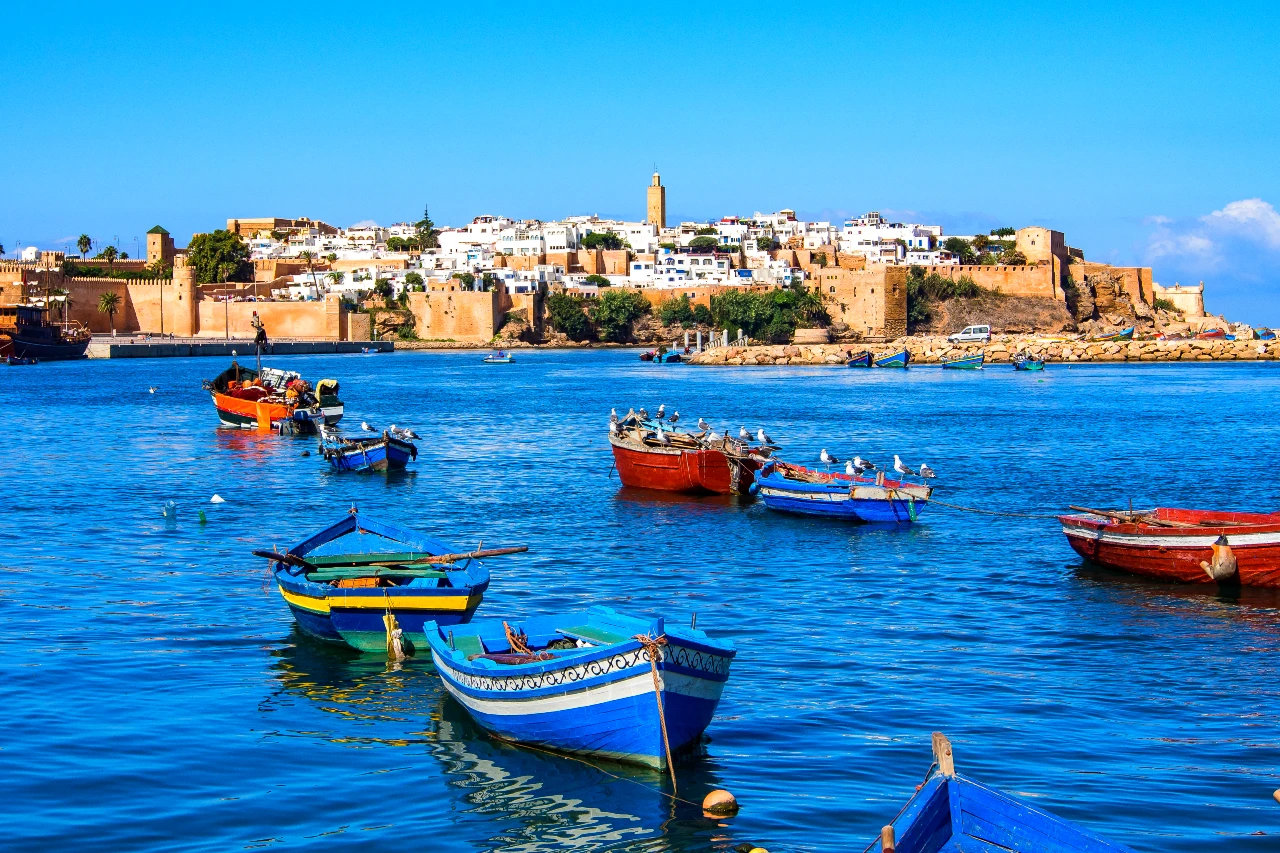
- Rabat is an underrated city that transforms as the UNESCO World Book Capital, offering a vibrant literary scene.
- Exploring neighborhoods, historical sites, and local markets through slow travel creates authentic cultural immersion.
Most travelers land in Rabat expecting a quiet government town, a place to pass through on the way to Marrakech or Fes. That assumption couldn’t be more wrong. Morocco’s capital is one of the most underrated cities on the continent, and it carries a title that puts it on the global cultural map: UNESCO World Book Capital. This guide walks you through how to experience Rabat’s layered history, literary energy, and authentic daily life, whether you’re planning your first visit or returning with fresh eyes.
Table of Contents
- Why Rabat stands out: World Book Capital
- Designing your two-day cultural loop
- Authentic cultural immersion: live like a local
- Guided tours versus solo exploration in Rabat
- Where to stay: riads, hotels, and riverfront escapes
- Our take: what most travel guides miss about Rabat
- Plan your authentic Rabat experience with expert help
- Frequently asked questions
Key Takeaways
| Point | Details |
|---|---|
| Rabat’s literary celebration | Rabat hosts major cultural and literary events as UNESCO’s World Book Capital. |
| Optimal two-day itinerary | You can discover Rabat’s core sites, riverfront, and local cafés efficiently using a tram and taxi. |
| Guided tours enhance immersion | Guided tours provide insider access and deepen your cultural experience in Rabat. |
| Authentic local encounters | Engage with daily rituals, markets, and artisan workshops to go beyond surface tourism. |
| Best places to stay | Choose riads or hotels for memorable stays close to cultural and riverside highlights. |
Why Rabat stands out: World Book Capital
Rabat earned its UNESCO designation for a reason. The city has long invested in libraries, literacy programs, and cultural institutions that serve both locals and visitors. The World Book Capital title is awarded annually to a city that demonstrates outstanding commitment to promoting books, reading, and publishing. Rabat’s yearlong program launched on April 23 and runs through the entire calendar year.
What does that mean for you as a traveler? It means the city is buzzing with literary festivals, open-air exhibitions, author talks, and community reading events. The flagship event is the SIEL (Salon International de l’Edition et du Livre), Morocco’s biggest international book fair, which draws hundreds of thousands of visitors and publishers from across the Arab world, Europe, and beyond. In recent editions, SIEL attracted over 600 publishers and more than 800,000 visitors in a single run, making it one of the most significant literary gatherings on the African continent.
“Rabat is not just a city of monuments. It is a city of stories, and those stories are louder than ever.”
Beyond SIEL, the city’s public spaces have been transformed. Libraries in neighborhoods like Agdal and Hassan have extended hours and launched free programming for visitors. Bookshops in the medina now display curated collections in Arabic, French, and English. Street art celebrating Moroccan literature has appeared across the Kasbah walls. If you care about culture in any form, this is the year to visit.
| Cultural event | Type | Typical timing |
|---|---|---|
| SIEL book fair | International literary fair | February/March |
| World Book Capital launch | City-wide programming | April 23 |
| Open-air exhibitions | Public art and literature | Year-round |
| Author talks and workshops | Community events | Monthly |
| Neighborhood library programs | Free public events | Weekly |
The must-see sites in Rabat have always been impressive on their own. But they sit inside a city that feels genuinely alive with intellectual energy. That combination of historical depth and contemporary cultural ambition is rare anywhere in the world.
With Rabat’s status established, let’s explore how its historic sites and cultural loop offer immersive experiences for travelers.
Designing your two-day cultural loop
Two days is enough to feel Rabat’s pulse, but only if you plan smart. The two-day cultural loop that works best for most travelers is built on the principle of slow travel: rather than rushing between monuments, you move deliberately through neighborhoods, letting each place settle before moving to the next.
Day one: The Kasbah, the medina, and the river
Start your morning at the Kasbah of the Udayas. This 12th-century fortress sits on a bluff above the Atlantic and the Bouregreg River, and it is one of the most photogenic spots in Morocco. The blue-and-white painted lanes inside the Kasbah feel like a village within a city. Arrive before 9 a.m. to beat the heat and the crowds. Spend at least 90 minutes walking the lanes, visiting the Andalusian Garden, and watching the fishing boats below.
From the Kasbah, walk into the old medina. Rabat’s medina is smaller and far less overwhelming than Fes or Marrakech, which makes it ideal for first-time visitors. You can navigate it without a guide, though a local guide will introduce you to craftsmen and stories you’d never find alone. Stop at a traditional café for mint tea and msemen (a flaky Moroccan flatbread) before continuing.
Spend your afternoon along the Bouregreg riverfront. The tram connects you easily from the medina area to the river promenade. Rent a small boat to cross to Salé, Rabat’s sister city, and explore its own medina and madrasa. Return by tram or petit taxi (small shared taxis that are the backbone of urban transport here) before sunset.
Day two: Hassan Tower, Chellah, and the museum district
The Hassan Tower and the Mausoleum of Mohammed V anchor your second morning. This complex is Morocco’s most visited historical site and for good reason. The unfinished minaret, the forest of columns, and the royal mausoleum together tell the story of a 12th-century ambition that outlasted its builders. Arrive early again, before tour buses arrive around 10 a.m.
After Hassan Tower, head to Chellah, a walled necropolis that layers Roman ruins with medieval Moroccan architecture and a colony of nesting storks. It is genuinely one of the most atmospheric places in all of Morocco. Bring water and comfortable shoes.
Your afternoon belongs to the Museum of the History of Morocco and the Mohammed VI Museum of Modern and Contemporary Art. Both are world-class institutions that most visitors skip in favor of more famous sites. That’s their loss and your gain.
- Begin at the Kasbah of the Udayas (morning, day one)
- Walk through the old medina and stop for breakfast
- Take the tram to the Bouregreg riverfront
- Cross to Salé by boat for a half-day detour
- Start day two at Hassan Tower and the Royal Mausoleum
- Visit Chellah in late morning before the heat peaks
- Spend the afternoon in the museum district
- End with dinner at a riverside restaurant in Agdal or the medina
Pro Tip: Buy a 24-hour tram pass on your first morning. It covers all tram lines and costs a fraction of what you’d spend on individual taxis. The Rabat tram system is clean, reliable, and air-conditioned, which matters enormously in summer months.
Consulting top Rabat travel guides before you go helps you understand opening hours and seasonal closures. And if you’re weighing whether to hire a guide, the guided tour benefits are particularly strong in Rabat because so much of the city’s history is invisible without context.
| Approach | Best for | Key advantage |
|---|---|---|
| Guided tour | First-time visitors, history lovers | Context, access, storytelling |
| Self-guided with map | Experienced travelers, budget travelers | Flexibility, spontaneity |
| Hybrid (guide for AM, solo PM) | Most travelers | Balance of depth and freedom |
Authentic cultural immersion: live like a local
Seeing Rabat’s monuments is one thing. Feeling the city’s rhythm is something else entirely. True immersion means spending time in the places where Rabat actually lives, not just where it poses for photographs.
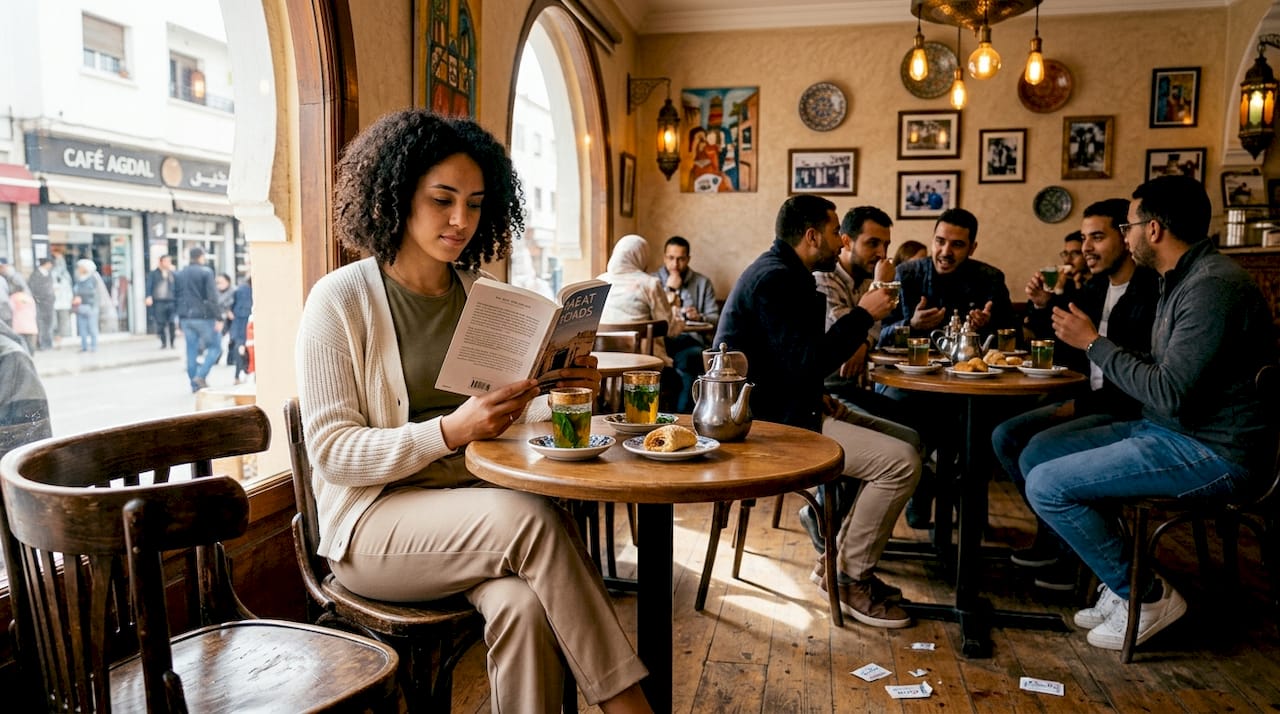
The neighborhood of Agdal is where young professionals, students from Mohammed V University, and middle-class families go about their daily lives. The cafés here are not tourist cafés. They serve strong coffee, fresh orange juice, and pastries that cost almost nothing. Sitting at a sidewalk table in Agdal for an hour teaches you more about contemporary Moroccan life than any museum exhibit.
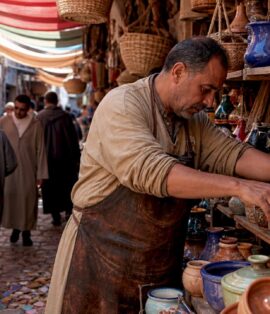
The Souika market in the medina is where locals shop for produce, spices, and household goods. Go on a weekday morning. You’ll find vendors selling argan oil, preserved lemons, dried rose petals, and hand-ground spice blends. Bring cash and don’t be afraid to ask what things are. Most vendors speak some French, and a few speak English.
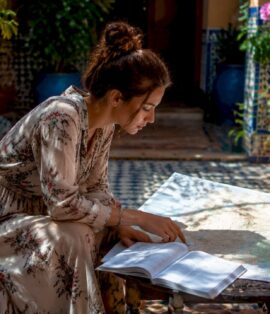
Because Rabat is the UNESCO World Book Capital, literary events are woven into neighborhoods across the city. Check the city’s official cultural calendar for free readings, storytelling sessions, and community workshops. These events are often held in courtyards, libraries, and even private homes, and they welcome curious visitors warmly.
Here are the most effective ways to connect with Rabat’s local culture:
- Visit an artisan workshop in the medina’s craft quarter, where weavers, leather workers, and potters still practice traditional techniques passed down through generations
- Attend Friday prayers at a neighborhood mosque (non-Muslim visitors can observe from outside and engage with worshippers afterward in the square)
- Join a cooking class focused on Moroccan cuisine, where you’ll learn to prepare harira soup, bastilla (a savory-sweet pastry), and slow-cooked tagines
- Explore the Bab El Had market on a Saturday morning for fresh produce and street food that locals actually eat
- Take a language exchange at one of Rabat’s cultural centers, where Moroccan students practice English or French with foreign visitors in informal settings
Where you stay shapes your immersion experience significantly. Unique riad stays place you inside the medina’s fabric, with courtyard breakfasts and hosts who know every artisan by name. If you prefer more amenities, luxury hotel options near the riverfront offer comfort without sacrificing proximity to local life. Some hotels now use digital guest services to connect guests with curated local experiences directly from their rooms.
Pro Tip: Learn five phrases in Darija (Moroccan Arabic) before you arrive. “Shukran” (thank you), “Labas?” (How are you?), “Bsaha” (to your health, said when someone eats or drinks), and “Wach katkellem Inglizi?” (Do you speak English?) and “Bhal bhal” (same same, meaning fair enough). Using even one of these phrases in the right moment will earn you a smile and often a conversation that changes your whole day.
Guided tours versus solo exploration in Rabat
This is a question every traveler wrestles with, and the honest answer is that it depends on what you want from your time in Rabat.
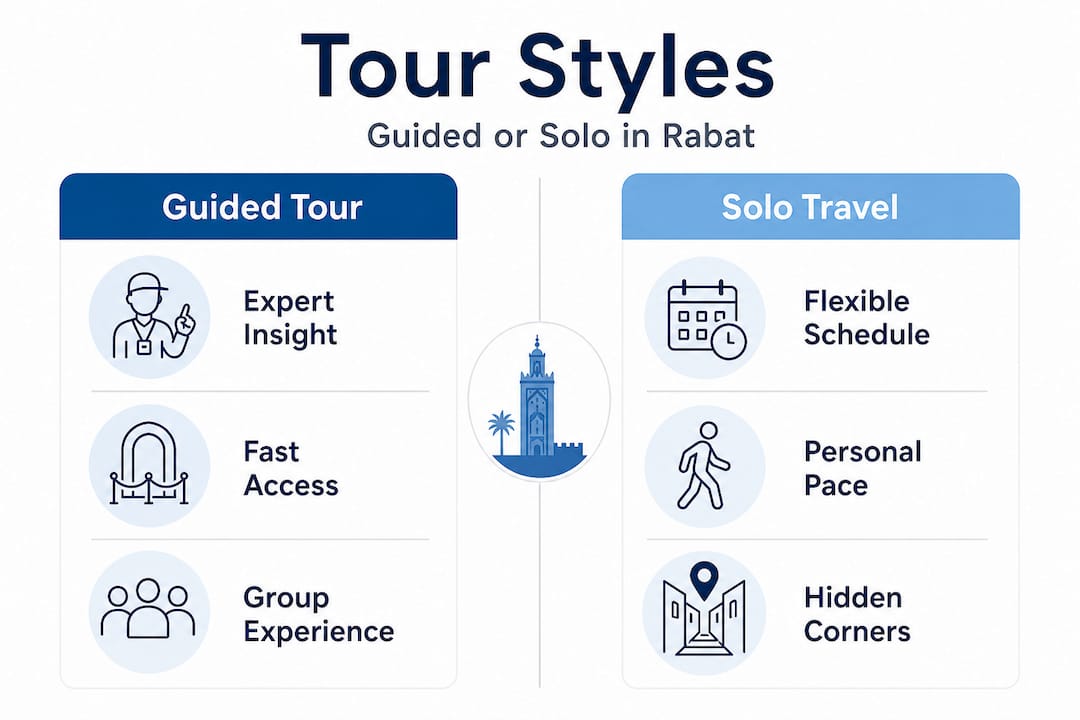
The slow travel approach that works best in Rabat actually benefits from both modes at different times. A guided tour in the morning gives you historical depth and access to places that require explanation. Solo exploration in the afternoon gives you the freedom to follow your instincts down a side street or linger over a second cup of tea.
Where guided tours genuinely win:
- The Kasbah of the Udayas has layers of history (Almohad, Andalusian, French colonial) that are invisible without a knowledgeable guide
- Chellah’s Roman and Islamic ruins require context to understand why they matter
- The medina’s artisan quarter is easier to navigate with someone who has relationships with the craftspeople
- Literary and cultural events often have programming in Arabic or French, and a guide bridges the language gap
- Local guides know which cafés are genuinely local versus tourist-facing, which changes your food experience completely
Where solo exploration shines:
- The Bouregreg riverfront is easy to navigate independently and rewards wandering
- Agdal and Hassan neighborhoods feel more authentic when you’re not in a group
- Museum visits are self-paced and well-labeled in multiple languages
- Early morning walks through the medina before shops open are best done alone or with one companion
- Spontaneous conversations with locals happen more naturally when you’re not attached to a tour schedule
| Factor | Guided tour | Solo exploration |
|---|---|---|
| Historical context | Excellent | Limited without research |
| Flexibility | Low to medium | High |
| Language barrier | Solved | Can be challenging |
| Cost | Higher | Lower |
| Local connections | Strong | It depends on the traveler. |
| Authentic encounters | Curated | Spontaneous |
A Morocco tour guide who specializes in Rabat will also know about World Book Capital events that aren’t listed in English anywhere online. That insider access is genuinely valuable and hard to replicate through independent research alone.
Where to stay: riads, hotels, and riverfront escapes
Your accommodation choice in Rabat is more consequential than in many cities because the neighborhoods are so distinct. Staying in the medina puts you inside the historical core. Staying near the river gives you easy access to both Rabat and Salé. Staying in Agdal places you in a modern, walkable neighborhood with excellent restaurants and cafés.
The two-day cultural loop works most smoothly when your accommodation is within tram distance of the main sites. Both the medina and the Hassan district are on the tram line, making them the most practical bases.
Riad stays in the medina:
- Riads are traditional Moroccan houses built around a central courtyard, and staying in one is itself a cultural experience
- Many riads in Rabat’s medina are family-run, with owners who serve homemade breakfasts and offer personalized recommendations
- Courtyard breakfasts typically include Moroccan pancakes, honey, argan oil, fresh fruit, and mint tea
- Riad hosts often know local artisans personally and can arrange private workshop visits
Hotels near the riverfront:
- Several five-star properties sit along or near the Bouregreg River, offering views of both Rabat and Salé
- These hotels typically offer hammam (traditional steam bath) services, rooftop dining, and concierge services that can arrange cultural tours
- Proximity to the tram makes them practical despite being slightly farther from the medina core
Mid-range options in Agdal:
- Agdal has a growing selection of boutique hotels and guesthouses that cater to business and cultural travelers
- The neighborhood’s cafés, restaurants, and markets are within walking distance
- Agdal is quieter than the medina at night, which suits travelers who prefer a calmer base
Explore charming riads in Rabat for options that put you inside the medina’s daily rhythm. If you prefer more amenities and space, Rabat hotels near the river offer an excellent balance of comfort and cultural access.
- Choose medina riads for maximum cultural immersion and walking access to markets
- Choose riverfront hotels for views, comfort, and easy tram access to all major sites
- Choose Agdal boutiques for a modern Moroccan neighborhood experience with excellent dining
- Book early especially around April and the SIEL book fair dates, as the World Book Capital designation has increased demand significantly
Our take: what most travel guides miss about Rabat
Here’s something we’ve noticed after years of designing Moroccan travel experiences: most guides treat Rabat as a checklist. See the Hassan Tower, photograph the Kasbah, visit Chellah, and move on. That approach produces Instagram content but not memories.
Rabat is a city that reveals itself slowly and rewards patience. The travelers who come back talking about Rabat with genuine affection are almost never the ones who rushed through the monuments. They’re the ones who spent a morning at a neighborhood café watching the city wake up. They’re the ones who got lost in the medina and found a bookbinder still working with hand tools in a shop the size of a closet. They’re the ones who stayed for a second evening just to sit by the river at sunset.
The conventional travel wisdom says to maximize your time by seeing as much as possible. We’d argue the opposite. In Rabat specifically, seeing less and experiencing more is the formula that works. The city’s character lives in its pace, its conversations, and its textures, not in its monuments, which are genuinely impressive but ultimately just stone and tile without the human context around them.
The timeless imperial discovery that Rabat offers is not found in a single afternoon. It accumulates. A conversation with a calligrapher in the medina. A glass of café noir (black coffee) at a counter where regulars argue about football. A stork landing on a Roman column at Chellah while the call to prayer echoes across the ruins. These moments don’t appear on itineraries, but they’re the reason people fall in love with Morocco.
Pro Tip: Build at least one completely unscheduled half-day into your Rabat visit. No monuments, no reservations, no plan. Just walk in a direction that interests you and see what happens. Rabat is safe, navigable, and full of surprises for the traveler who leaves room for them.
Plan your authentic Rabat experience with expert help
Rabat is a city in full cultural bloom, and navigating its literary events, historical sites, and local neighborhoods is far richer with expert guidance at your side. At TopMoroccoTravel.com, we design tailored Rabat experiences that go well beyond the standard monument tour. Our local guides are storytellers, connectors, and cultural translators who turn a two-day visit into something genuinely memorable. Explore our cultural immersion activities to see how we weave markets, workshops, literary events, and neighborhood life into a seamless experience. For a deeper look at how we approach authentic travel, our expert cultural immersion guide walks you through exactly what makes a Moroccan cultural experience truly transformative. Let us help you make Rabat yours.
Frequently asked questions
What makes Rabat special for cultural travelers?
Rabat holds the UNESCO World Book Capital title, which means the city is hosting major literary programs, exhibitions, and community events throughout the year, making it an especially rich destination for culturally curious travelers.
How can I plan a two-day visit to Rabat’s cultural highlights?
The most effective approach is slow travel through Rabat, combining the Kasbah of the Udayas, the Hassan Tower district, Chellah, and the Bouregreg riverfront across two days, using the city’s tram and petit taxis to move between sites efficiently.
Are guided tours recommended in Rabat?
Yes, especially for first-time visitors. A local guide helps you access the historical context behind Rabat’s sites and connects you with the slow travel insights that make the city’s culture genuinely legible, rather than just visually impressive.
Where should I stay for authentic experiences in Rabat?
Staying in a traditional riad inside the medina or a well-located hotel near the riverfront gives you the best access to local life, markets, and the tram network that connects all of Rabat’s major cultural sites.
What are the top local activities for immersion in Rabat?
Attending World Book Capital events, visiting artisan workshops in the medina, exploring neighborhood markets, joining cooking classes, and participating in community cultural gatherings are the most effective ways to experience Rabat as a local rather than a tourist.


Comments are closed