




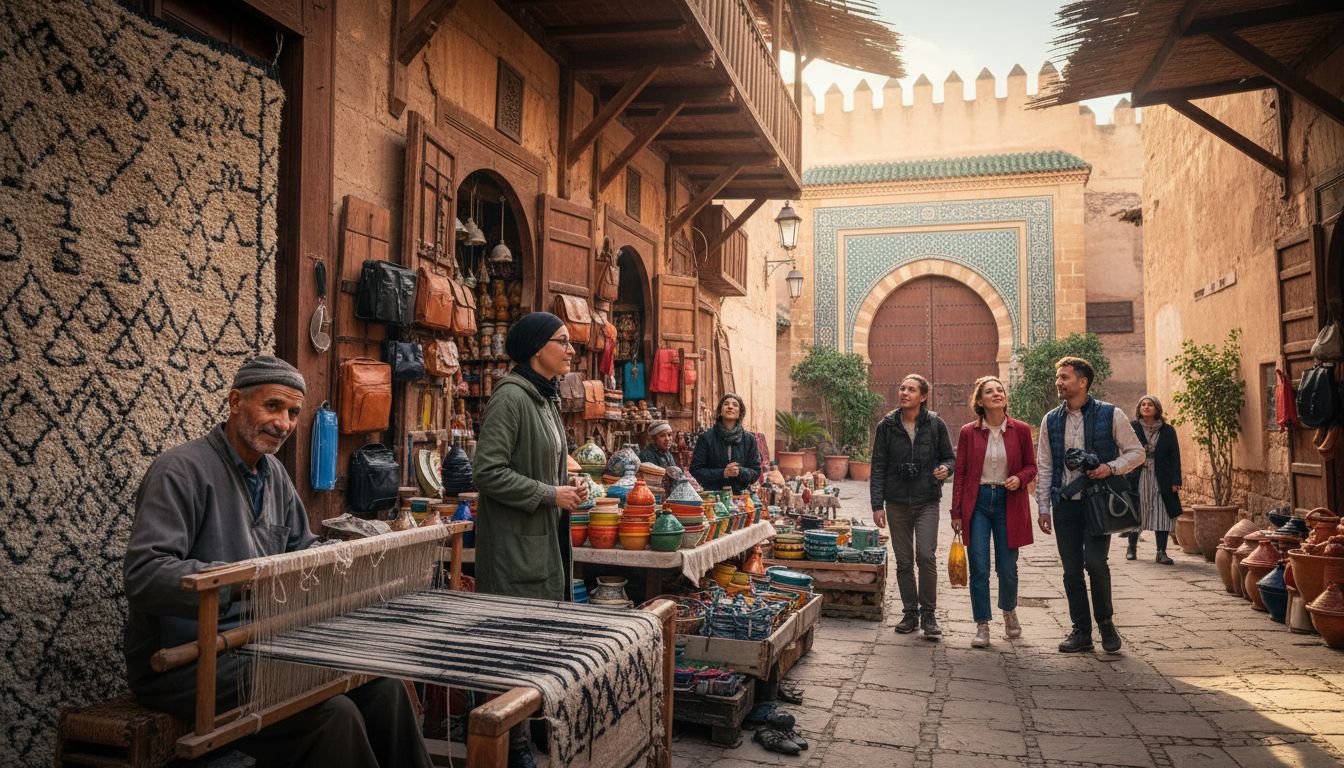
Travelers seek authentic cultural journeys each year, and few places offer an experience as rich as Fez. This remarkable Moroccan city is home to one of the world’s largest medieval medinas, where ancient traditions thrive around every corner. From vibrant markets and centuries-old universities to living museums of craftsmanship, Fez invites visitors to explore a city preserved through over 1,200 years of history. Discover how each landmark reveals a new layer of culture, artistry, and human connection.
Table of Contents
- Explore the Ancient Medina of Fes
- Visit the Famous Al Quaraouiyine University
- Experience the Vibrant Tannery District
- Stroll Through the Majestic Bou Inania Madrasa
- Admire the Blue Gate and Its Surroundings
- Relax in the Serene Jnan Sbil Gardens
- Shop Local Crafts in Fes Souks
Quick Summary
| Takeaway | Explanation |
|---|---|
| 1. Explore the Ancient Medina of Fez | The Ancient Medina is a UNESCO World Heritage Site rich in history and culture. Discover its ancient mosques, markets, and architectural marvels. |
| 2. Visit Al Quaraouiyine University | Experience the world’s oldest degree-granting institution, emphasizing its role in intellectual and cultural advancements over the centuries. |
| 3. Experience the Tannery District | Witness traditional leather production at the Chouara Tannery, known for its ancient techniques and vibrant colors, reflecting Fez’s artisanal legacy. |
| 4. Stroll Through Bou Inania Madrasa | Marvel at the intricate architecture and design of this historic madrasa, which embodies the artistic brilliance of its era. |
| 5. Shop in Fes Souks | Engage with local artisans in the vibrant souks, where you can purchase handmade crafts that showcase Morocco’s rich cultural heritage. |
1. Explore the Ancient Medina of Fes
Step into a living history book where every stone tells a story. The Ancient Medina of Fez is not just a destination; it is a transformative journey through time and culture, meticulously preserved as a UNESCO World Heritage site since its founding between 789 and 808 A.D.
Imagine wandering through narrow, winding streets that have remained virtually unchanged for centuries. This extraordinary urban landscape represents a remarkable fusion of Andalusian, Oriental, and African cultural influences. According to UNESCO World Heritage, the Medina represents one of the most extensive and well-preserved historic urban environments in the world.
As you navigate this remarkable space, you will discover a mesmerizing network of ancient mosques, traditional madrasas, and bustling markets that offer an unparalleled glimpse into Morocco’s rich spiritual and cultural heritage. National Geographic describes the Medina as a labyrinthine marvel that transports visitors through centuries of architectural and cultural evolution.
To truly experience the Medina, consider these practical exploration tips:
- Hire a local guide who can help you understand the intricate history and cultural nuances
- Wear comfortable walking shoes as the streets are narrow and often uneven
- Bring a camera to capture the stunning architectural details and vibrant street scenes
- Respect local customs and dress modestly
This incredible area isn’t just a tourist destination; it is a living museum where every corner reveals another layer of Morocco’s incredible story. Your journey through Fez’s Ancient Medina will be an immersive experience that connects you directly with centuries of human creativity, spiritual depth, and cultural resilience.
2. Visit the Famous Al Quaraouiyine University
Prepare to walk through the hallways of academic history at Al Quaraouiyine University, an extraordinary institution that has shaped intellectual discourse for over a millennium. Founded in 859 A.D., this remarkable university stands as a testament to the profound scholarly traditions of the Muslim world.
According to UNESCO World Heritage, Al Quaraouiyine is recognized as the world’s oldest continuously operating degree-granting institution, a remarkable achievement that underscores its global significance. This is not just a building; it is a living monument to human knowledge and cultural exchange.
The university represents far more than an educational establishment. It has been a critical center for intellectual and spiritual development where scholars from across the Islamic world gathered to study theology, mathematics, astronomy, medicine, and philosophy. Its historical importance cannot be overstated; scholars who studied here contributed significantly to global scientific and cultural advancement.
When you visit, you will want to:
- Observe the stunning architectural details of its historic buildings
- Learn about its rich scholarly heritage from knowledgeable local guides
- Take photographs of the intricate Islamic architectural designs
- Respect the academic and cultural significance of the space
While parts of the university might have limited public access, the exterior and surrounding areas offer an incredible glimpse into a remarkable academic legacy. Your visit will connect you with centuries of human intellectual pursuit and cultural exchange.
3. Experience the Vibrant Tannery District
Step into a world where centuries of craftsmanship come alive in the remarkable tannery district of Fez. The Chouara Tannery, operating since the 11th century, offers travelers an extraordinary glimpse into one of the most ancient and unchanged manufacturing processes in the world.
According to Founduq, these tanneries represent a living museum where artisans continue to treat leather hides using techniques passed down through generations. The Sidi Moussa Tannery, another historic landmark, has been a center for leather production since at least the 12th century, embodying Fez’s rich artisanal heritage.
When you visit, you will witness an incredible spectacle of traditional craftsmanship. Large stone vats filled with natural dyes create a mesmerizing landscape of colors where workers transform raw animal hides into soft, vibrant leather. The process involves complex techniques using natural materials like pigeon droppings and cow urine to soften the leather, a method that might sound shocking but has been perfected over centuries.
To make the most of your tannery experience, consider these tips:
- Bring a small sprig of mint to help offset the strong odors
- Wear comfortable walking shoes
- Dress in layers you can easily remove or adjust
- Visit during morning hours for the best lighting and least crowded experience
- Consider viewing from elevated leather shops for the best panoramic perspective
This isn’t just a tourist attraction; it is a living piece of cultural heritage that allows you to step back in time and witness a craft that has remained virtually unchanged for centuries.
4. Stroll Through the Majestic Bou Inania Madrasa
Step into a masterpiece of architectural brilliance at the Bou Inania Madrasa, a sublime testament to the artistic genius of 14th-century Moroccan craftsmanship. This extraordinary monument stands as a breathtaking example of Marinid architectural excellence.
According to Founduq, the madrasa is renowned for its intricate geometric tilework and mesmerizing Quranic calligraphy, representing the absolute pinnacle of architectural design during its era. Every surface tells a story of mathematical precision and spiritual devotion.
As you explore this remarkable space, you will be transported into a world where art and education intertwine. The madrasa was not merely a religious school but a center of intellectual and artistic excellence. Stunning zellige tiles cover walls in complex patterns that seem to defy human capability, while carved cedar woodwork demonstrates the unparalleled skill of medieval Moroccan artisans.
To maximize your visit, consider these practical tips:
- Arrive early to avoid crowds and capture the best photographs
- Hire a local guide to understand the historical and architectural significance
- Wear comfortable shoes for walking on uneven historical surfaces
- Bring a camera with excellent low-light capabilities
- Dress respectfully as this is a historical religious site
For travelers seeking a more profound understanding of Moroccan cultural heritage, a guide on historical monuments in Morocco can provide additional context about similar architectural wonders across the country. Your journey through the Bou Inania Madrasa will be more than a simple walk through a building; it will be a profound encounter with living history.
5. Admire the Blue Gate and Its Surroundings
Welcome to the vibrant gateway of Fez, the Bab Bou Jeloud, more famously known as the Blue Gate. This architectural marvel serves as the primary entrance to the ancient Medina and represents far more than a simple passageway; it is a living symbol of Moroccan artistic expression.
According to Wikipedia, the gate is characterized by its striking blue and green tilework that creates an immediate visual spectacle representing the city’s rich artistic heritage. The intricate zellige tiles tell a story of craftsmanship that has been perfected over centuries.
National Geographic describes the area surrounding the Blue Gate as a vibrant microcosm of Medina life. Here you will find a bustling ecosystem of traditional markets, charming cafes, and historic sites that offer an authentic glimpse into the social fabric of Fez.
To make the most of your Blue Gate experience, consider these insider tips:
- Arrive during the golden hour for the most spectacular photographic lighting
- Take time to appreciate the detailed tilework from multiple angles
- Explore the surrounding markets and interact with local artisans
- Try traditional Moroccan mint tea at a nearby cafe
- Wear comfortable walking shoes for exploring the surrounding area
This is more than a tourist destination. The Blue Gate and its surroundings represent a living canvas of Moroccan culture where every stone, tile, and interaction tells a story waiting to be discovered.
6. Relax in the Serene Jnan Sbil Gardens
Discover an oasis of tranquility nestled in the heart of Fez: the Jnan Sbil Gardens. This verdant sanctuary offers weary travelers a peaceful respite from the intense energy of the city’s bustling medina.
According to Wikipedia, these gardens were established in the 19th century and showcase a remarkable collection of diverse plant species, historic water wheels, and elegant fountains. UNESCO World Heritage notes that the gardens are strategically located between Fes el-Jdid and Fes el-Bali and represent a stunning example of traditional Andalusian garden design.
The Jnan Sbil Gardens are more than just a green space; they are a living museum of botanical diversity and historical landscaping. Exotic trees from around the world mingle with native Moroccan flora, creating a microclimate that feels worlds away from the nearby urban landscape.
To make the most of your garden experience, consider these recommendations :
- Visit during early morning or late afternoon for the most comfortable temperatures
- Bring a light jacket as garden areas can be cooler than city streets
- Pack a small notebook or sketchbook to capture the serene environment
- Wear comfortable walking shoes for exploring garden pathways
- Bring a camera to document the diverse plant life
This garden represents a living testament to Fez’s commitment to preserving natural beauty amidst urban complexity. Your visit will be a moment of calm reflection in your Moroccan adventure.
7. Shop Local Crafts in Fes Souks
Step into the beating heart of Moroccan craftsmanship: the legendary souks of Fez. These extraordinary marketplaces are not just shopping destinations; they are living museums of artisanal excellence where centuries of cultural tradition come alive through incredible handmade crafts.
National Geographic describes the souks as a mesmerizing maze of narrow alleys filled with stalls showcasing traditional crafts that range from intricate ceramics to stunning textiles and exquisite metalwork. Founduq highlights that these markets offer visitors a unique opportunity to purchase locally made goods directly from skilled artisans.
Each souk represents a different craft tradition. Some specialize in leather goods crafted using techniques passed down through generations. Others focus on pottery with designs that tell stories of Moroccan cultural heritage. The metalworkers create intricate lanterns and decorative pieces that transform simple materials into works of art.
To maximize your souk shopping experience, consider these expert tips:
- Start early in the morning when markets are less crowded
- Practice gentle negotiation as bargaining is an expected cultural practice
- Bring cash in small denominations
- Ask permission before photographing artisans or their work
- Learn a few basic Arabic or French phrases to connect with vendors
For travelers seeking a more profound understanding of Morocco’s cultural landscape, a guide to Fes city can provide additional context about these incredible market experiences. Your journey through Fez’s souks will be more than a shopping trip; it will be an immersive cultural adventure.
This table summarizes key attractions and tips for exploring historic and cultural sites in Fez as described in the article.
| Attraction | Description & Key Points | Visitor Tips |
|---|---|---|
| Ancient Medina of Fez | Fusion of Andalusian, Oriental, and African influences; UNESCO site. | Hire a guide, wear comfortable shoes, and bring a camera. |
| Al Quaraouiyine University | The world’s oldest degree-granting institution serves as a center of intellectual growth. | Observe architecture; respect cultural significance. |
| Tannery District | Traditional leather crafting since the 11th century; natural dye vats. | Carry mint for odors; visit in the morning for the best lighting. |
| Bou Inania Madrasa | 14th-century Marinid architecture; stunning tilework and calligraphy. | Arrive early, hire a guide, and dress respectfully. |
| Blue Gate (Bab Bou Jeloud) | Entrance to Medina, famous for blue and green tilework. | Photograph during golden hour; explore surrounding markets. |
| Jnan Sbil Gardens | 19th-century gardens, diverse plant species, and historic design. | Visit early or late; pack a jacket; enjoy the serene landscape. |
| Fes Souks | Bustling markets for handmade crafts showcase artisanal skills. | Start early, negotiate prices, and learn basic phrases. |
Discover the True Essence of Fes with Expertly Crafted Tours
Exploring the rich history and vibrant culture of Fes can be overwhelming without the right guidance. From the intricate alleys of the Ancient Medina to the colorful spectacle of the Tannery District, every landmark holds a unique story waiting to unfold. You want to fully immerse yourself in the city’s iconic sites like the Al Quaraouiyine University and the stunning Bou Inania Madrasa while enjoying seamless travel arrangements that respect local customs and provide authentic experiences.
At TopMoroccoTravel.com, we understand your desire for a truly unforgettable Moroccan adventure. Our tailored tours and expert guides bring Fes to life by offering personalized city explorations, cultural immersions, and carefully planned visits to must-see destinations such as the bustling souks and serene Jnan Sbil Gardens. Do not miss your chance to capture the magic of Fes with confidence and comfort. Start planning your dream trip today by visiting Top Morocco Travel and taking advantage of our bespoke itineraries crafted just for you.
Ready to uncover Fes’s hidden gems and create lifelong memories? Explore our detailed itineraries and book your personalized tour now. Your unforgettable Moroccan journey awaits.
Frequently Asked Questions
What are the must-see attractions in Fes?
The must-see attractions in Fes include the Ancient Medina, Al Quaraouiyine University, the Tannery District, Bou Inania Madrasa, the Blue Gate, Jnan Sbil Gardens, and the Souks. Each site offers unique insights into Morocco’s rich history and culture. Plan to visit these locations to fully immerse yourself in the city’s heritage.
How can I best explore the Ancient Medina of Fes?
You can best explore the Ancient Medina of Fes by hiring a local guide who can provide insights into its rich history. Wear comfortable walking shoes and prepare to navigate its narrow streets for a more authentic experience.
What should I bring when visiting the Tannery District?
When visiting the Tannery District, bring a small sprig of mint to help offset strong odors. Also, wear comfortable shoes and dress in layers to ensure a pleasant visit as you observe traditional leather-making processes.
How can I maximize my experience at Bou Inania Madrasa?
To maximize your experience at Bou Inania Madrasa, arrive early to avoid crowds and consider hiring a local guide for in-depth historical context. Bring a camera to capture the intricate details of its architecture, which is renowned for its beauty.
What is the best time to visit the Jnan Sbil Gardens?
The best time to visit Jnan Sbil Gardens is early morning or late afternoon for comfortable temperatures and pleasant lighting. Wear comfortable walking shoes as you explore this serene oasis tucked within the busy city.
How can I navigate the souks effectively?
Navigate the souks effectively by visiting early in the morning when they’re less crowded and practicing gentle negotiation when making purchases. Bring cash in small denominations for a smoother shopping experience.
Recommended
- What to See in Fes: Top Sights for Every Traveler
- Explore Morocco in One Week: The Ultimate Itinerary
- Fes City: Morocco’s Ancient Heart. Navigate with Confidence
- Morocco Itinerary: 7 Days Luxury: Ultimate 2025 Guide
- 7 Unique Places in Namibia Every Traveler Should Explore—Namibia Luxury Safaris | Book Your 2025/2026 Adventure Today



Comments are closed