




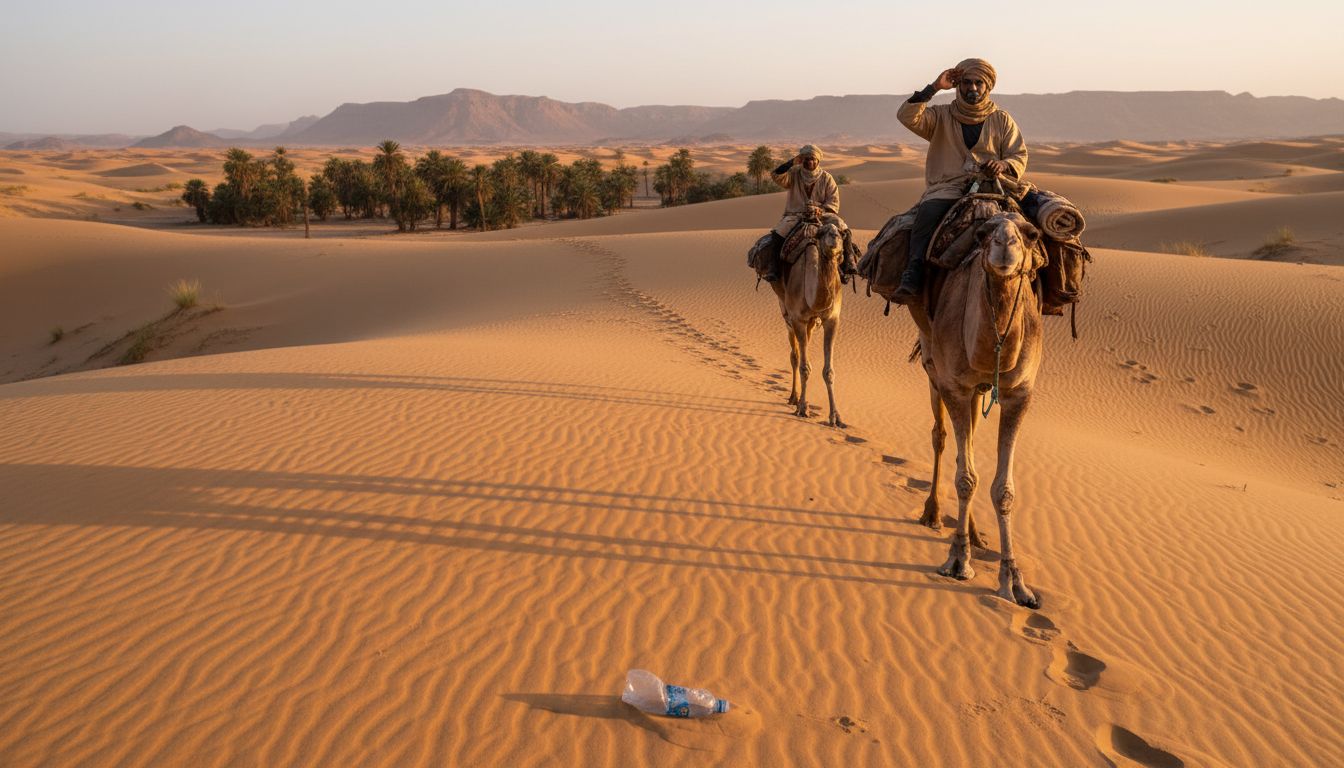
Every year, thousands of dventurers are drawn to the Moroccan desert, captivated not just by golden dunes but by a landscape shaped over an astounding 1.7 billion years. Home to ancient geological marvels, rare desert truffles, and vibrant living traditions, Moroccan deserts offer an experience that defies the usual image of endless sand. This guide explores what truly sets Morocco’s deserts apart, promising insight into a world where natural wonder and rich cultural heritage meet.
Table of Contents
- Moroccan Deserts Defined And What Sets Them Apart
- Major Desert Types And Key Destinations
- Top Experiences: Landscapes, Activities, And Traditions
- Cultural Encounters And Nomadic Hospitality
- Safety, Preparation, And Responsible Travel
- Comparing Moroccan Deserts To Other Destinations
Key Takeaways
| Point | Details |
|---|---|
| Geological Diversity | Moroccan deserts feature unique geological formations, from sand dunes to rocky plateaus, showcasing complex ecosystems and a rich scientific heritage. |
| Cultural Immersion | Engaging with Berber communities offers travelers authentic cultural experiences, including traditional hospitality and age-old survival techniques. |
| Ecological Significance | The Great Moroccan Sahara supports specialized life forms, demonstrating the resilience of ecosystems in harsh environments and the importance of ecological awareness. |
| Preparation for Adventure | Careful planning and local guidance are essential for safe and responsible travel, ensuring an enriching experience while respecting the environment and local cultures. |
Moroccan Deserts Defined and What Sets Them Apart
Moroccan deserts are extraordinary landscapes that represent far more than simply vast sandy expanses. Spanning geological formations dating back 1.7 billion years, these environments are sophisticated ecosystems with remarkable scientific and aesthetic significance. Unlike other desert regions, the Moroccan desert terrain showcases incredible geological diversity, featuring everything from windswept dune landscapes to rocky plateaus and hidden mountain ranges.
The Great Moroccan Sahara stands out as a particularly remarkable ecosystem. Surprisingly complex, it hosts unique biological adaptations like desert truffles that thrive in extreme conditions with low rainfall and intense temperatures. These specialized organisms demonstrate the remarkable resilience of life in seemingly inhospitable environments. Desert truffles, for instance, develop intricate symbiotic relationships with plant roots, representing nature’s extraordinary capacity for survival and interconnection.
What truly distinguishes Moroccan deserts are their multilayered characteristics. They are not monotonous landscapes but dynamic environments featuring dramatic terrain variations, rich paleontological heritage, and complex ecological networks. From the golden sand dunes of Erg Chebbi to the rugged terrain of the Anti Atlas Mountains, these deserts offer travelers an opportunity to explore landscapes that have remained largely unchanged for millennia. Each region presents its own unique microclimate, geological story, and stunning visual experience, making Moroccan deserts a destination that goes far beyond simple touristic expectations.
Travelers seeking to understand these remarkable environments can benefit from careful preparation through comprehensive desert tour guides that offer insights into navigation, safety, and cultural context. Understanding the nuanced characteristics of these landscapes transforms a simple journey into an profound exploration of one of Earth’s most fascinating ecological regions.
Major Desert Types and Key Destinations
Morocco boasts diverse and spectacular desert landscapes that captivate travelers with their unique geological formations and breathtaking scenery. Erg Chigaga stands out as the largest erg in Morocco, featuring massive sand dunes rising over 50 meters in the picturesque Draa Valley. This extraordinary landscape represents the quintessential desert experience, offering visitors an immersive journey through dramatic and seemingly endless sandy terrain.
The Moroccan desert can be categorized into several distinct types, each presenting its own remarkable characteristics. In the southeastern region, travelers will encounter classic ergs – expansive sand sea environments characterized by rolling dunes and minimal vegetation. These areas include famous locations like Erg Chebbi near Merzouga and the aforementioned Erg Chigaga. Contrasting these sandy landscapes, the country also features rocky desert regions known as hamadas – characterized by flat, stony plateaus with minimal sand coverage and rugged terrain that tells geological stories spanning millennia.
Beyond the classic sand dunes, Morocco’s desert destinations offer extraordinary diversity. The Iriqui National Park provides a prime example, encompassing multiple desert ecosystems including the intriguing dried Lake Iriqui. These landscapes are not merely scenic backdrops but complex ecological systems hosting unique wildlife and plant adaptations. Travelers can explore regions ranging from the golden dunes of Erg Chebbi to the stark beauty of the Anti Atlas mountain desert zones, each presenting a distinct sensory experience.
For adventurers seeking to navigate these remarkable landscapes, comprehensive desert tour insights become essential. Understanding the nuanced differences between desert types – from sandy ergs to rocky hamadas – transforms a simple trip into an extraordinary exploration of one of Earth’s most fascinating geological environments. Whether you’re a photography enthusiast, ecological researcher, or adventure traveler, Morocco’s desert regions promise an unparalleled journey through landscapes that have remained largely unchanged for thousands of years.
Top Experiences: Landscapes, Activities, and Traditions
Moroccan desert adventures offer far more than simply traversing sandy terrain – they represent a profound journey into a world of extraordinary sensory and cultural experiences. Travelers can explore a rich tapestry of activities that range from heart-pounding adventures to serene cultural encounters. Camel trekking stands out as a quintessential desert experience, allowing visitors to navigate ancient trade routes much like traditional Berber nomads have done for centuries, providing an intimate connection with the landscape and its deep historical roots.
The desert landscape presents an incredible array of activities that cater to different adventurer profiles. Outdoor enthusiasts can engage in sandboarding down towering dunes, experiencing the exhilaration of gliding across golden landscapes. Photography lovers will find endless opportunities to capture dramatic sunrises and sunsets that transform the desert’s color palette from deep amber to vibrant orange. Stargazing becomes an otherworldly experience in these remote regions, where minimal light pollution reveals an unimaginably clear night sky filled with countless celestial bodies.
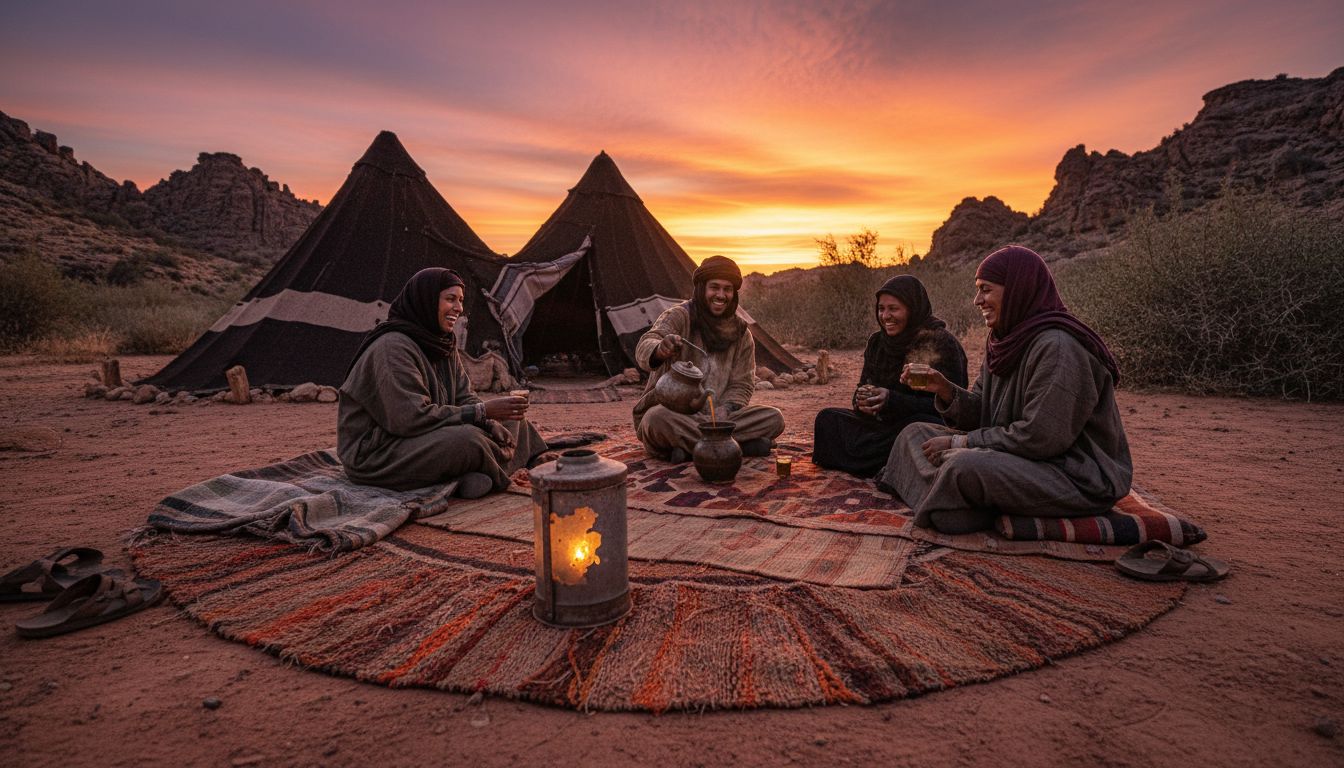
Beyond physical activities, the Moroccan desert offers profound cultural immersion. Traditional Berber camps provide travelers with authentic experiences that go beyond typical tourist interactions. Visitors can participate in age-old rituals like traditional tea ceremonies, listen to mesmerizing music performed on handcrafted instruments, and learn about nomadic survival techniques passed down through generations. These interactions offer more than entertainment – they represent a genuine opportunity to understand the resilience and wisdom of desert communities that have thrived in challenging environments for thousands of years.
For those seeking structured exploration, comprehensive adventure tour options can help travelers navigate the complexities of desert exploration. Whether you’re a solo traveler, part of a couple, or traveling with a group, these experiences promise to transform your understanding of desert landscapes. From learning traditional crafts to understanding ecological adaptations, every moment in the Moroccan desert becomes an opportunity for personal discovery and cultural connection.
Cultural Encounters and Nomadic Hospitality
The Moroccan desert is a living museum of cultural traditions, where nomadic hospitality transforms travel from a simple journey into a profound human experience. Travelers seeking authentic cultural interactions will discover that Berber communities offer far more than picturesque landscapes – they provide a window into a way of life that has remained remarkably unchanged for generations. The desert’s social fabric is woven with intricate traditions of welcoming strangers, sharing meals, and creating meaningful connections that transcend linguistic and cultural boundaries.
Traditional Berber hospitality follows a complex set of social protocols that reflect deep-rooted values of generosity and respect. Guests are welcomed with elaborate tea ceremonies that involve carefully choreographed preparation of sweet mint tea, symbolizing friendship and trust. These rituals are not mere performances but genuine expressions of community values. Shared meals become intimate cultural exchanges where travelers can learn about nomadic survival techniques, listen to generational stories, and gain insights into the remarkable adaptability of desert communities.
Beyond ceremonial interactions, travelers can engage in immersive experiences that provide genuine cultural understanding. Visitors might participate in traditional crafts like rug weaving, learn about desert agriculture techniques, or join musical gatherings where ancient instruments tell stories of migration and survival. These interactions reveal the profound resilience of nomadic cultures – societies that have navigated extreme environmental challenges while maintaining rich, complex social structures and artistic traditions.
For those interested in structured cultural exploration, comprehensive desert tour experiences offer carefully curated opportunities to engage with local communities. These tours go beyond surface-level interactions, creating meaningful dialogues that respect local traditions while providing travelers with transformative insights into one of the world’s most unique cultural landscapes. Whether spending a night in a traditional desert camp or participating in community activities, travelers can expect an experience that challenges preconceptions and celebrates the extraordinary human spirit of Morocco’s desert regions.
Safety, Preparation, and Responsible Travel
Preparing for a Moroccan desert adventure requires strategic planning and a comprehensive understanding of the unique challenges presented by these extraordinary landscapes. Temperature variations can be extreme, with scorching daytime heat rapidly transitioning to cold nighttime conditions. Travelers must pack versatile clothing layers, high-SPF sun protection, adequate water supplies, and specialized gear that can withstand rapid environmental shifts.
Responsible desert travel centers on respecting both environmental and cultural ecosystems. Travelers should prioritize engaging local guides who understand the intricate nuances of desert navigation and can provide critical safety insights. Ecological consciousness means minimizing environmental impact through practices like proper waste management, avoiding disruption of natural habitats, and supporting local communities through ethical tourism approaches. This approach transforms a simple journey into a meaningful cultural exchange that benefits both travelers and local populations.
Safety preparations extend beyond personal equipment to include comprehensive health and logistical planning. Travelers should ensure they have comprehensive travel insurance, complete necessary vaccinations, carry a well-stocked first aid kit, and maintain communication devices with extended battery life or backup power sources. Navigation skills, including basic GPS understanding, compass reading, and familiarity with desert survival techniques, become critical. Understanding potential risks like dehydration, heat exhaustion, and disorientation is essential for maintaining personal safety in these challenging environments.
Ultimately, successful desert exploration combines careful preparation with a spirit of respectful curiosity. Comprehensive tour experiences can provide structured guidance, helping travelers navigate the complexities of desert environments while ensuring personal safety and cultural sensitivity. By approaching desert travel with thoughtful preparation, travelers can transform potential challenges into extraordinary opportunities for personal growth, cultural understanding, and unforgettable memories.
Comparing Moroccan Deserts to Other Destinations
Moroccan desert landscapes distinguish themselves through remarkable geological diversity that sets them apart from other global desert environments. The unique star dunes, like the Lala Lallia formation, demonstrate extraordinary geological complexity comparable to star dune formations in China, Algeria, Namibia, and Saudi Arabia. However, Morocco’s desert terrain offers something truly exceptional – a stunning blend of geological wonder, cultural richness, and accessibility that other destinations struggle to match.
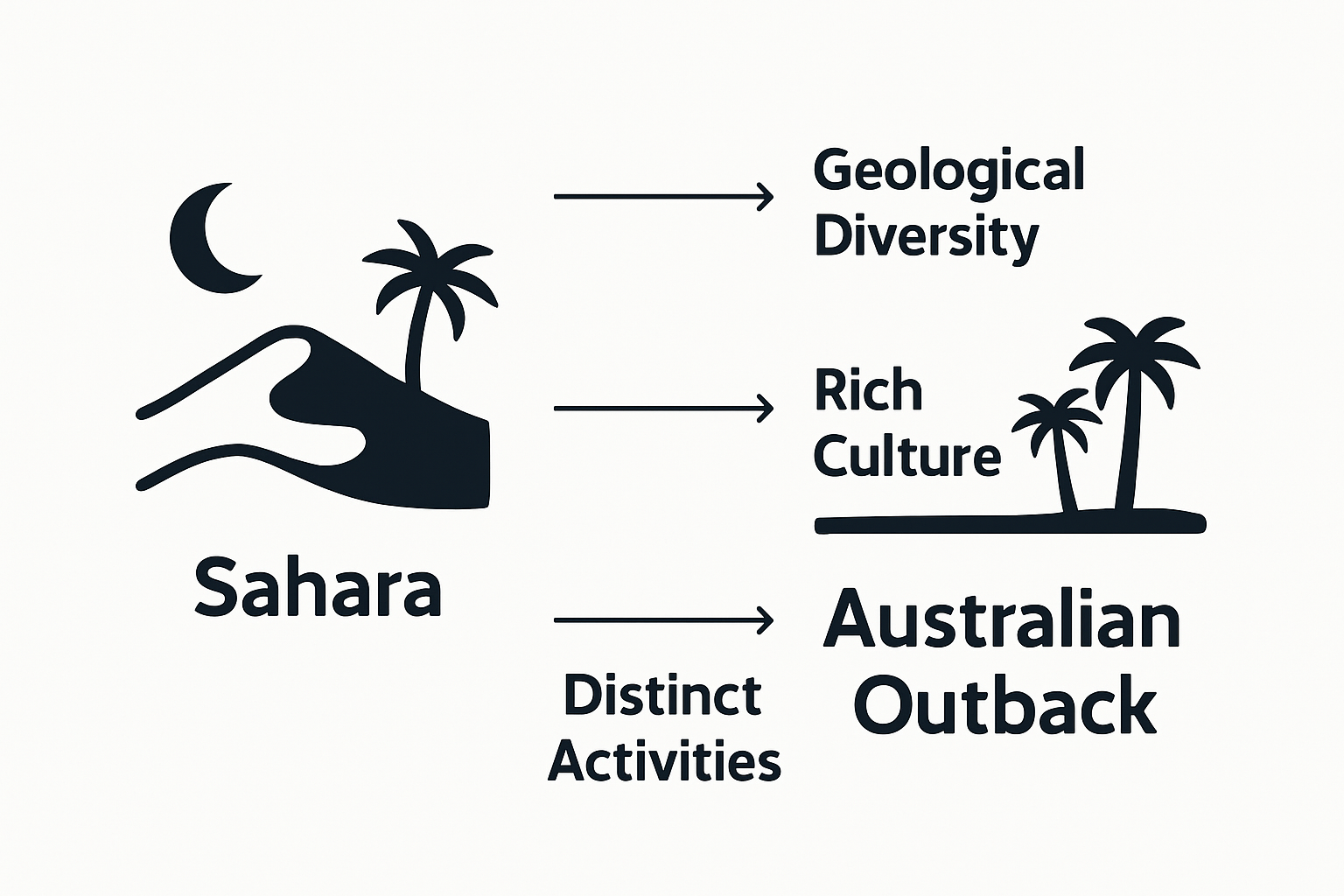
Unlike stark, monotonous desert landscapes found in regions like the Arabian Peninsula or Australian Outback, Moroccan deserts present a nuanced tapestry of environmental experiences. The Tizi n’Tichka mountain pass exemplifies this diversity, serving as a dramatic gateway between mountain and desert ecosystems. While other global desert regions might offer singular experiences, Morocco provides travelers with a multifaceted journey that transitions seamlessly between mountain ranges, rocky plateaus, and sweeping sand dunes.
The cultural dimension further distinguishes Moroccan deserts from their global counterparts. Where many desert destinations offer limited human interaction, Morocco’s Sahara regions are deeply integrated with living cultural traditions. Berber communities have inhabited these landscapes for millennia, creating a human ecosystem as intricate and resilient as the physical landscape itself. This means travelers experience more than just a geographical location – they encounter a living, breathing cultural environment that most other desert destinations cannot replicate.
While star dunes might exist in multiple global locations, comprehensive desert tour experiences reveal that Morocco’s unique combination of geological wonder, cultural depth, and accessibility makes its desert regions truly unparalleled. The nuanced landscapes, from the golden dunes of Erg Chebbi to the rocky terrains of the Anti Atlas, offer travelers an immersive experience that transcends typical tourist expectations, making Moroccan deserts a destination in a class of their own.
Discover Your Unforgettable Moroccan Desert Adventure Today
Exploring the Moroccan deserts means facing challenges like extreme temperature shifts, complex terrain, and the need for authentic cultural connections. These vast landscapes, from the golden dunes of Erg Chebbi to the rocky plateaus of the Anti Atlas, call for expert guidance and careful preparation to fully appreciate their geological wonders and the rich nomadic traditions that thrive there. Whether your goal is thrilling sandboarding, serene camel trekking, or profound cultural immersion, the right support transforms these challenges into life-changing experiences.
At TopMoroccoTravel.com, we specialize in crafting personalized desert excursions that unlock the unique beauty and cultural depth of Morocco’s Sahara. Benefit from our detailed itineraries, expert guides, and 24/7 support to venture safely and confidently into these extraordinary environments. Ready to turn your dream desert journey into reality Browse our Morocco desert tours and check out our expert desert tour guide to start planning now. The Moroccan desert awaits your discovery—embrace the adventure and book your tailored experience today at TopMoroccoTravel.com.
Frequently Asked Questions
What are the unique features of Moroccan deserts?
Moroccan deserts are known for their geological diversity, featuring dramatic landscapes like sand dunes, rocky plateaus, and hidden mountain ranges, as well as unique ecosystems with specialized organisms like desert truffles.
What activities can travelers participate in while exploring Moroccan deserts?
Travelers can engage in a variety of activities, including camel trekking, sandboarding, stargazing, and cultural experiences such as traditional tea ceremonies and learning about nomadic survival techniques.
How can travelers prepare for desert adventures in Morocco?
Preparation includes packing versatile clothing for temperature variations, high-SPF sun protection, sufficient water supplies, and understanding navigation and safety protocols specific to desert environments.
What makes Moroccan deserts a better choice compared to other desert destinations?
Moroccan deserts offer a unique blend of geological wonder, rich cultural experiences, and accessibility, providing a more immersive and diverse exploration compared to other monotonous desert landscapes worldwide.
Recommended
- Moroccan Adventure Travel: Unmatched Experiences Await
- Moroccan Desert Tour Guide: Plan and Enjoy an Unforgettable Trip
- Discover the Magic of Morocco Desert Tours – Top Morocco Travel
- Top Morocco Adventure Activities for Every Traveler
- Exploring Rich and Spicy Oud Creations


Comments are closed