




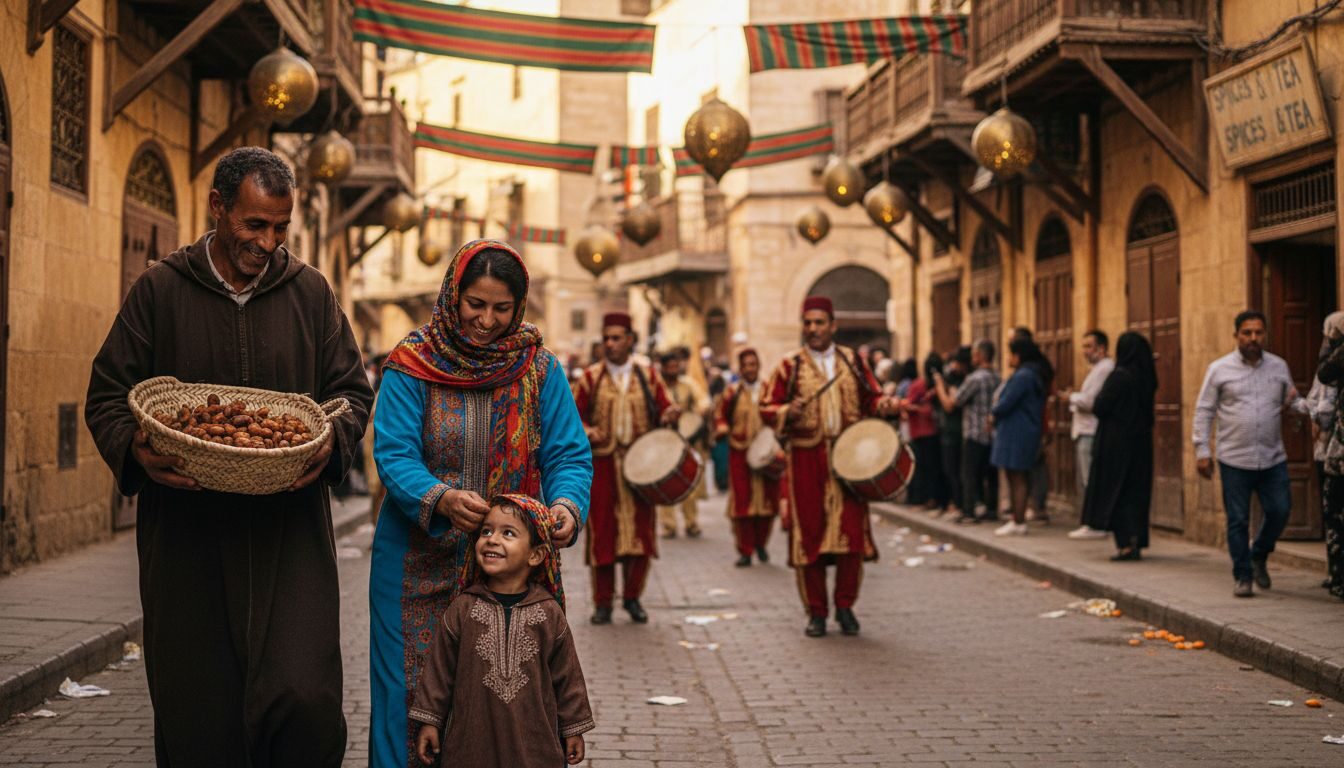
Most cultural travelers crave festival experiences that go far beyond surface-level sightseeing. With more than 160 distinct festivals celebrated every year in Morocco, these gatherings invite travelers to witness authentic traditions, luxurious hospitality, and genuine community moments. This article uncovers how Moroccan festivals serve as both vibrant living museums and gateways to personalized journeys for anyone seeking deeper connections to history, artistry, and local life.
Table of Contents
- Moroccan Festivals Defined And Their Cultural Roots
- Major Types Of Moroccan Festivals And Their Impact
- Signature Traditions And Unique Festival Experiences
- Luxury And Authenticity: Customizing Festival Visits
- Traveler Safety, Practical Tips, And Etiquette
Key Takeaways
| Point | Details |
|---|---|
| Cultural Significance | Moroccan festivals are vibrant cultural expressions that unite diverse communities and preserve national identity through shared experiences. |
| Festival Types | Major festival categories include religious, music, ethnic traditional, agricultural, and international events, each contributing uniquely to Morocco’s rich heritage. |
| Travel Experience | Luxury travelers can customize their festival visits for deeper cultural immersion while maintaining a high level of comfort and authenticity. |
| Safety and Etiquette | Travelers, especially solo females, should prioritize safety by understanding local customs and engaging respectfully to enhance their overall experience. |
Moroccan Festivals Defined and Their Cultural Roots
Moroccan festivals represent far more than simple celebrations – they are vibrant cultural expressions that weave together complex historical narratives of Arab, Berber, and African traditions. These multifaceted events reveal Morocco’s intricate social fabric through dynamic performances, religious observances, and communal gatherings that connect generations and preserve national identity.
Since the late 1990s, Moroccan festivals have transformed from traditional local events into sophisticated platforms for cultural diplomacy and social interaction. The modern festival landscape now embraces diversity, creativity, and intercultural dialogue, reflecting the nation’s ongoing political and social transitions. These celebrations serve as living museums, showcasing the nuanced layers of Moroccan heritage through music, dance, art, and ceremonial practices that span religious and secular domains.
The core of these festivals lies in their ability to unite diverse communities through shared cultural experiences. Whether commemorating religious milestones like Eid, celebrating harvest traditions, or hosting international music festivals, each event becomes a powerful narrative of Morocco’s resilience, adaptability, and rich multicultural history. Participants and observers alike are invited to witness living traditions that have survived centuries of complex social transformations.
Pro tip: When attending Moroccan festivals, arrive early and engage respectfully with local participants to gain deeper cultural insights beyond typical tourist experiences.
Major Types of Moroccan Festivals and Their Impact
Moroccan festivals represent a rich tapestry of cultural expressions that span religious, artistic, and traditional domains. These multifaceted events serve as powerful platforms for social cohesion and cultural diplomacy, showcasing the nation’s diverse heritage through distinct festival categories that reflect Morocco’s complex identity.
The primary types of Moroccan festivals can be broadly categorized into several key groups: religious festivals, music festivals, traditional ethnic celebrations, harvest festivals, and international cultural events. Religious festivals like Eid Al-Fitr and Eid Al-Adha represent significant spiritual observances that bring communities together in shared devotion. Music festivals such as the Essaouira Gnawa World Music Festival and the Fez Festival of World Sacred Music highlight Morocco’s rich musical traditions and global artistic connections.
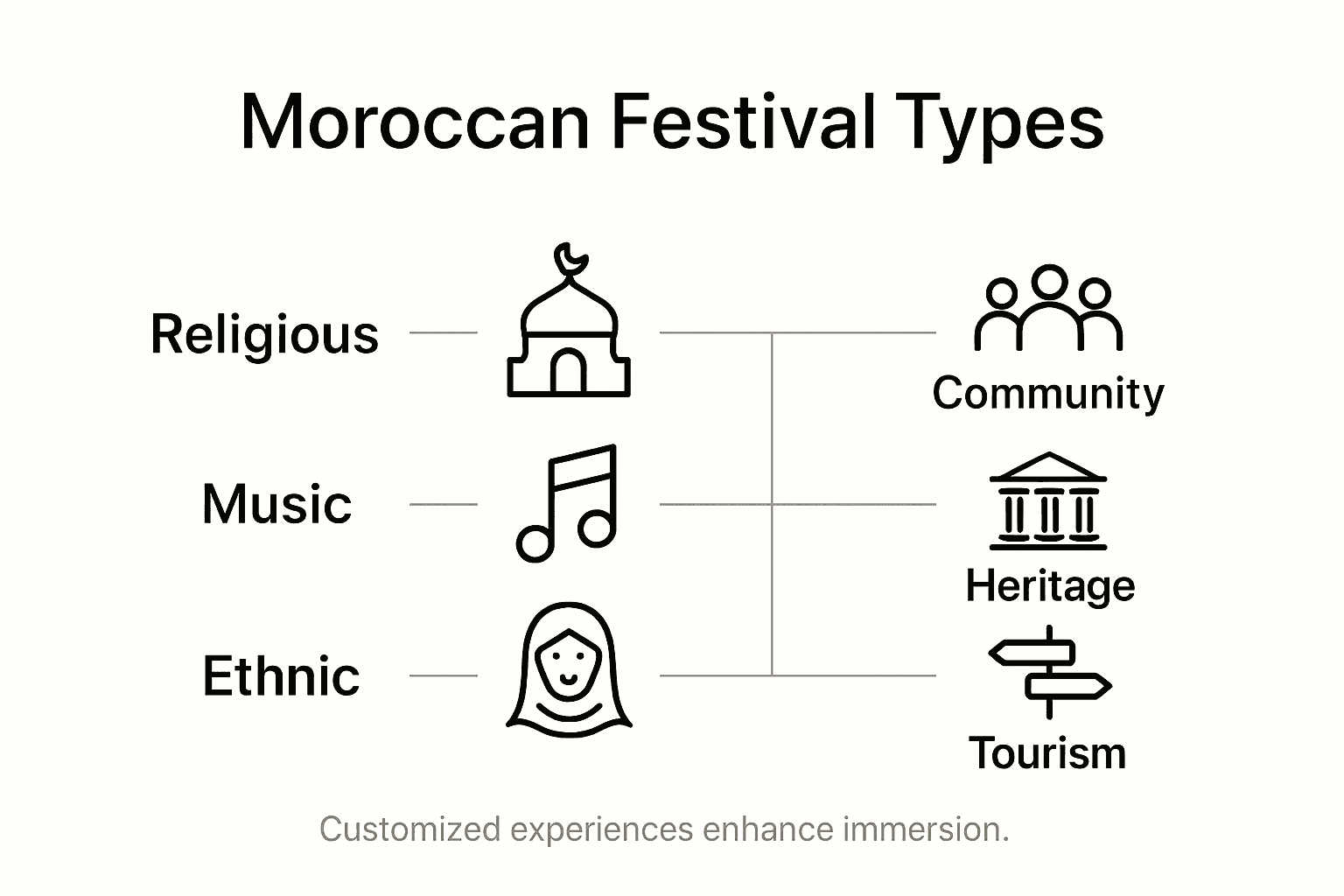
Traditional ethnic celebrations like the Imilchil Marriage Festival demonstrate the profound cultural significance of these events, where ancient Berber traditions are preserved and celebrated. These festivals go beyond mere entertainment, functioning as critical mechanisms for cultural transmission, social bonding, and national identity preservation. By providing platforms for artistic expression, community interaction, and historical remembrance, Moroccan festivals play a crucial role in maintaining social harmony and cultural continuity in an increasingly globalized world.
Pro tip: Research the specific dates and cultural significance of festivals before traveling to ensure you can fully appreciate and respectfully participate in these unique cultural experiences.
Here is a summary of major Moroccan festival types and their unique contributions:
| Festival Type | Core Activities | Cultural Impact |
|---|---|---|
| Religious | Ritual prayers, feasting | Strengthens spiritual bonds |
| Music | Live performances, workshops | Promotes artistic innovation |
| Ethnic Traditional | Ceremonies, folk dances | Preserves ancestral heritage |
| Agricultural | Parades, regional food displays | Honors local farming communities |
| International | Cross-cultural exhibitions | Fosters global cultural exchange |
Signature Traditions and Unique Festival Experiences
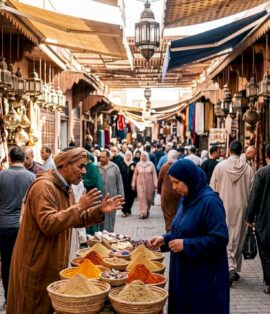
Moroccan festivals embody a profound cultural narrative that transforms traditional celebrations into extraordinary sensory journeys. Moroccan holiday experiences offer adventure, culture, and luxury tours that invite travelers to immerse themselves in deeply authentic ritual performances and communal traditions that have been carefully preserved for generations.
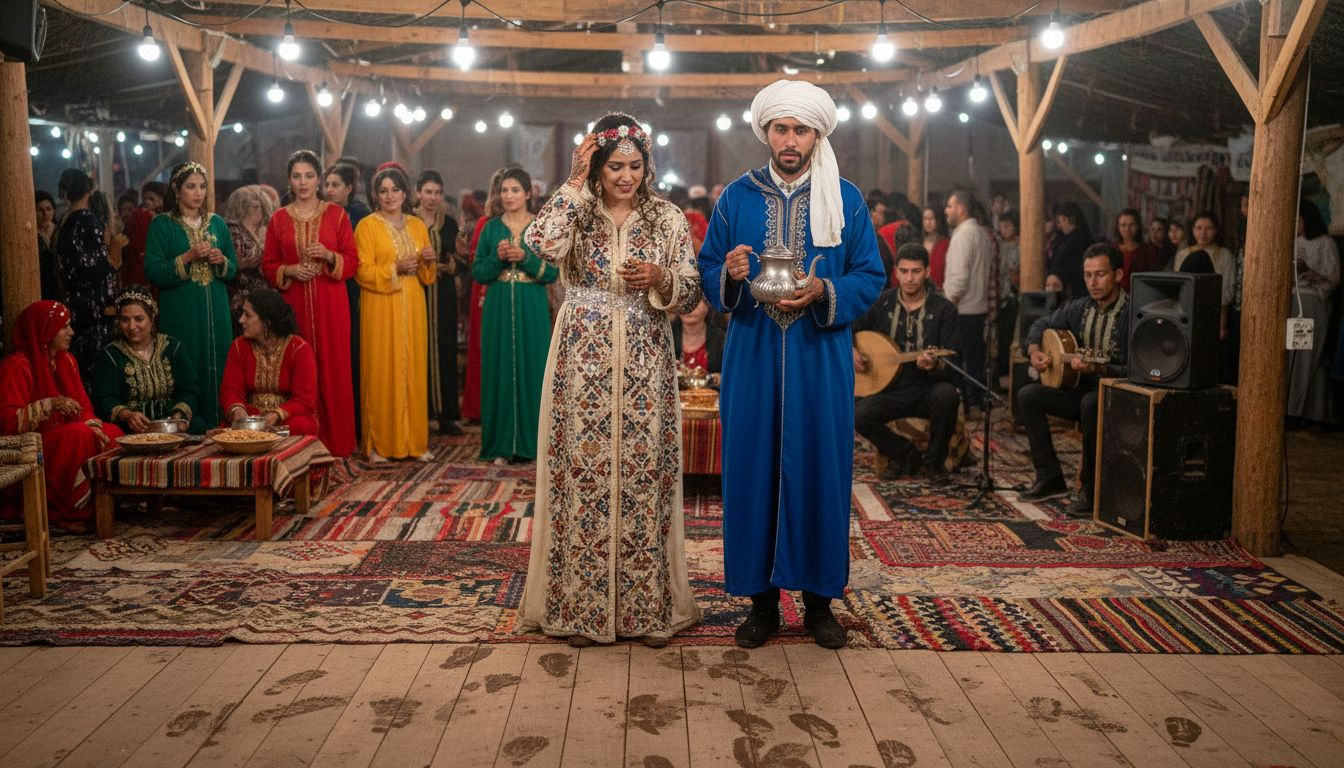
Signature festival experiences like the Imilchil Marriage Festival stand out as extraordinary cultural phenomena, where ancient Berber traditions come alive through elaborate marriage ceremonies that blend spiritual practices with community celebration. During this unique event, young men and women from different mountain tribes gather to find potential marriage partners, wearing intricate traditional costumes adorned with silver jewelry and vibrant textiles. The festival transforms courtship into a communal ritual, allowing visitors to witness centuries-old matchmaking traditions that balance individual desire with collective cultural expectations.
Beyond marriage celebrations, other remarkable festivals like the Almond Blossom Festival in Tafraoute and the Rose Festival in El Kelaa M’Gouna showcase regional agricultural traditions through music, dance, and elaborate community gatherings. These events are not merely performances but living cultural expressions that connect participants to their agricultural heritage, demonstrating how festivals serve as critical mechanisms for preserving local identity and transmitting generational knowledge. Each celebration becomes a dynamic canvas where history, spirituality, and contemporary life intersect in remarkable ways.
Pro tip: Attend festivals in traditional clothing and learn a few local phrases to demonstrate cultural respect and enhance your immersive experience.
Luxury and Authenticity: Customizing Festival Visits
Luxury travelers seeking authentic Moroccan festival experiences can now craft personalized journeys that balance cultural immersion with sophisticated comfort. Modern festival tourism has evolved beyond simple observation, offering discerning travelers nuanced opportunities to engage deeply with Morocco’s rich cultural traditions while maintaining high-end travel standards.
Customization options for festival visits have become increasingly sophisticated, allowing travelers to design experiences that match their individual interests and comfort levels. Travelers can select from exclusive access tours that provide intimate insights into festival preparations, arrange private workshops with local artisans, or secure premium accommodations strategically positioned near festival venues. These tailored experiences might include private guided tours with cultural experts, translation services, and curated interactions that provide meaningful context beyond typical tourist encounters.
The art of customizing festival visits requires understanding the delicate balance between respectful participation and luxurious comfort. Some travelers might opt for VIP experiences at music festivals, securing front-row seats and backstage access, while others prefer more immersive experiences like joining traditional cooking workshops or participating in ceremonial preparations. The key is creating a personalized journey that allows genuine cultural connection without compromising individual comfort or travel expectations.
Pro tip: Work with specialized travel consultants who understand both Moroccan cultural nuances and luxury travel expectations to design truly unique festival experiences.
Compare customization options for festival visits to find the best fit for your travel style:
| Customization Option | Description | Ideal For |
|---|---|---|
| Private Workshops | Hands-on with local artisans | Cultural immersion seekers |
| VIP Festival Access | Reserved seating, backstage tours | Luxury and exclusive travel |
| Guided Tours | Expert-led cultural explanations | First-time visitors |
| Premium Accommodations | High-end stays near festival sites | Comfort-focused travelers |
Traveler Safety, Practical Tips, and Etiquette
Solo female travelers exploring Moroccan festivals must navigate cultural experiences with heightened awareness and strategic preparation. Understanding local customs, safety protocols, and cultural nuances transforms potential challenges into enriching travel opportunities that prioritize personal security and respectful engagement.
Safety Essentials require travelers to implement proactive strategies during festival participation. Practical recommendations include staying hydrated, protecting against intense sun exposure, and securing personal belongings in crowded environments. Travelers should carry minimal cash, utilize secure money belts, and remain vigilant in large festival crowds. Communication preparedness is crucial – having local emergency contact numbers, understanding basic Arabic or French phrases, and maintaining communication with travel companions or local contacts can significantly enhance personal safety.
Cultural etiquette represents another critical dimension of responsible festival participation. Respectful engagement means dressing modestly, particularly during religious festivals, seeking permission before photographing individuals, and understanding subtle social interactions. Female travelers especially should be aware of conservative dress expectations, opt for loose-fitting clothing that covers shoulders and knees, and adopt a confident yet reserved demeanor that demonstrates cultural understanding and personal boundaries.
Pro tip: Research and download offline translation apps and map services before arriving, ensuring communication and navigation capabilities even without consistent internet connectivity.
Discover Authentic Moroccan Festivals with Expert Guidance
Experiencing Moroccan festivals offers an unparalleled opportunity to immerse yourself in the nation’s rich cultural heritage, yet navigating these vibrant celebrations can be challenging without local insight. The article highlights key pain points such as understanding complex social customs, participating respectfully in traditional ceremonies, and balancing authentic experiences with personal comfort. At TopMoroccoTravel.com, we specialize in crafting customized festival journeys that address these challenges by blending cultural immersion with thoughtful luxury and expert support.
Our tailored tours include access to exclusive festival events, private workshops with artisans, and guidance from cultural experts ensuring you engage deeply and respectfully with local traditions. Embrace the chance to witness extraordinary experiences like the Imilchil Marriage Festival or the Rose Festival while enjoying premium accommodations and personalized services designed for your comfort and safety. Begin your journey today by exploring our Morocco luxury tours or dive into authentic cultural adventures through our Morocco holidays. For all your travel planning needs and to secure your unique Moroccan festival experience, visit TopMoroccoTravel.com and start crafting memories that will last a lifetime.
Frequently Asked Questions
Why should I experience Moroccan festivals for cultural immersion?
Experiencing Moroccan festivals allows you to engage deeply with the country’s rich traditions and heritage. These events offer a vibrant showcase of music, dance, art, and religious rituals that can enhance your understanding of Moroccan culture and foster connections with local communities.
What types of festivals can I expect in Morocco?
Moroccan festivals can be categorized into religious, music, ethnic traditional, agricultural, and international events. Each type offers unique experiences, from religious observances like Eid to lively music festivals that showcase global artistic connections.
How can I respectfully participate in Moroccan festivals?
Respectful participation involves dressing modestly, understanding local customs, and engaging with community members. Learning a few basic phrases in Arabic or French can also enhance your experience and show cultural appreciation.
What are some practical tips for attending Moroccan festivals?
When attending Moroccan festivals, arrive early to enjoy the festivities fully. Stay hydrated, protect against the sun, and secure your belongings in crowded areas. It’s also advisable to research specific festival dates and cultural significances to enrich your experience.
Recommended
- Morocco Holidays: Offer Adventure Culture And Luxury Tours
- 7 Must Do Morocco Experiences for Every Type of Traveler
- Best Time to Visit Morocco : Guide for Every Traveler
- Morocco Travel Itinerary: Your Guide to an Unforgettable Adventure – Top Morocco Travel


Comments are closed