




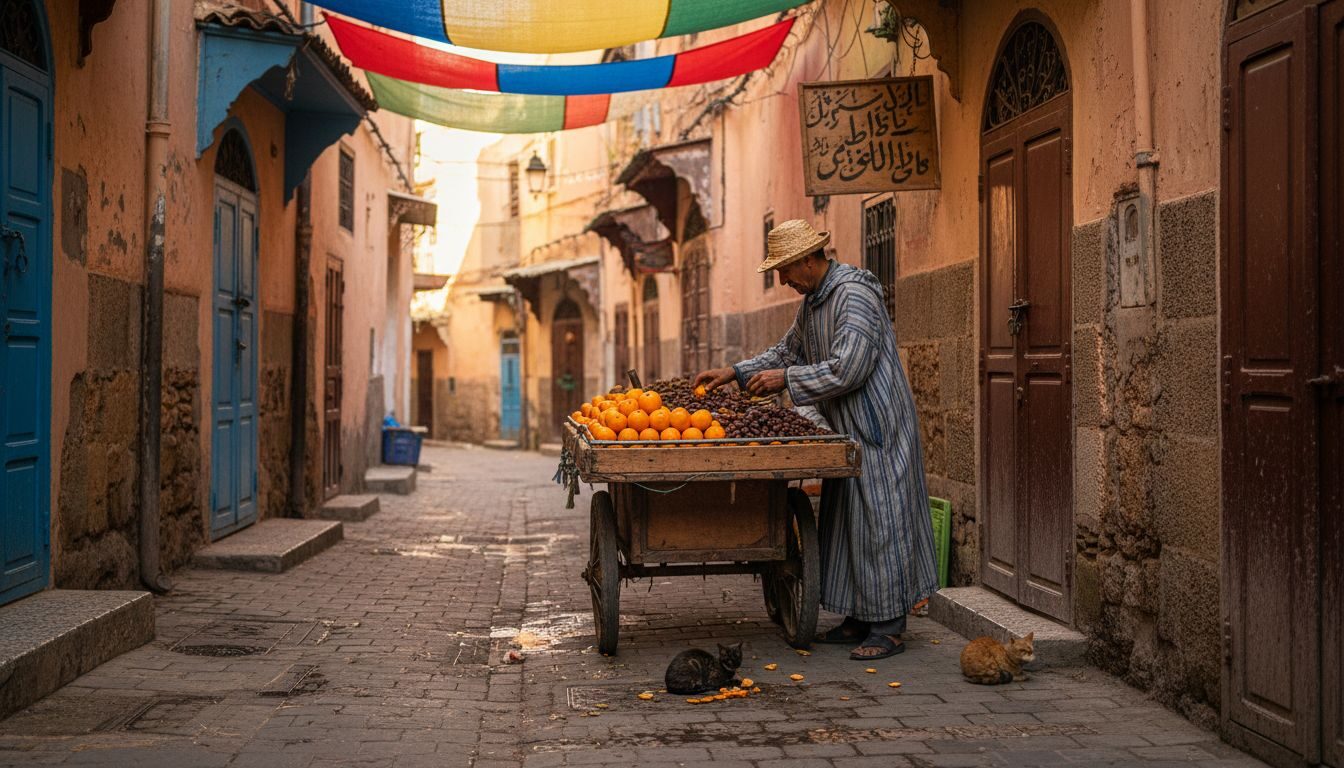
Most travelers miss out on the depth of Morocco’s vibrant culture by sticking to standard tours. For those who crave authentic connection, immersing yourself in local life can unlock experiences far richer than mere sightseeing. With over five distinct cultural influences shaping Moroccan traditions, this article dives into the immersive travel opportunities that help solo travelers experience Morocco more personally, from hands-on workshops to memorable family meals.
Table of Contents
- Defining Cultural Immersion In Morocco
- Distinctive Moroccan Traditions And Influences
- Types Of Immersive Experiences Available
- Role Of Local Cuisine And Hospitality
- Personalization And Luxury In Moroccan Travel
- Risks, Safety, And Responsible Participation
Key Takeaways
| Point | Details |
|---|---|
| Cultural Immersion | Engage deeply with Moroccan culture through direct interaction with local communities and traditions. Prioritize open and respectful engagement to enrich your travel experience. |
| Authentic Experiences | Choose immersive experiences like homestays, craft workshops, and culinary classes for meaningful connections. Look for programs that emphasize active participation over passive observation. |
| Culinary Connection | Participate in shared meals and cooking classes to understand Moroccan hospitality and culinary traditions. Use food as a gateway to learn about cultural values and community bonds. |
| Safety and Etiquette | Maintain cultural competence by respecting local customs, dressing modestly, and practicing appropriate social interactions. Prioritize responsible participation to foster positive cultural exchanges. |
Defining Cultural Immersion in Morocco
Cultural immersion in Morocco transcends traditional tourism, offering travelers a profound opportunity to deeply understand and experience the country’s rich and complex heritage. More than simple sightseeing, true cultural engagement involves direct interaction with local communities and traditions, creating transformative travel experiences that connect visitors authentically with Moroccan society.
At its core, cultural immersion means moving beyond surface-level interactions and actively participating in daily life. This approach requires travelers to engage directly with local families, learn traditional crafts, participate in community rituals, and understand social nuances. Moroccan cultural immersion might involve staying with a Berber family in the Atlas Mountains, learning traditional bread-making techniques, participating in tea ceremonies, or spending time in small villages where authentic cultural practices remain vibrant and unchanged.
Successful cultural immersion demands openness, respect, and genuine curiosity. Travelers must be willing to step outside their comfort zones, communicate across language barriers, and approach local customs with humility. Learning basic Arabic or Berber phrases, understanding local etiquette, and showing genuine interest in people’s stories are essential strategies for meaningful cultural connection.
Pro tip: Before your trip, invest time in learning about Moroccan cultural norms, basic language phrases, and traditional customs to demonstrate respect and enhance your immersion experience.
Distinctive Moroccan Traditions and Influences
Moroccan culture represents a remarkable tapestry of historical influences, blending Arab, Berber, and African traditions into a unique cultural landscape. This intricate fusion creates a rich and complex social environment characterized by deep respect for tradition, religious practices, and community connections. The nation’s cultural identity emerges from centuries of interactions between indigenous Berber populations, Arab Islamic settlers, and various Mediterranean and African influences.
Religious and social customs play a central role in shaping Moroccan daily life. Islamic principles profoundly impact social interactions, ethical standards, and community structures. Hospitality stands as a cornerstone of Moroccan culture, with elaborate tea ceremonies, generous meal traditions, and welcoming practices that reflect profound respect for guests. Family connections remain extremely strong, with extended family networks providing social support and maintaining cultural continuity across generations.
Linguistic diversity further illustrates Morocco’s complex cultural heritage. While Arabic serves as the official language, Berber dialects, French, Spanish, and increasingly English coexist, representing the nation’s historical openness and adaptability. Traditional crafts like intricate tile work, carpet weaving, metalwork, and leather production continue to be vibrant expressions of cultural identity, passing down artisanal skills through generations and maintaining connections to historical artistic traditions.
Pro tip: When interacting with Moroccans, demonstrate respect by learning a few basic Arabic or Berber phrases and showing genuine interest in local customs and traditions.
Types of Immersive Experiences Available
Authentic cultural immersion experiences in Morocco offer travelers numerous opportunities to deeply connect with the country’s rich traditions and local ways of life. These experiences range from intimate homestays to hands-on cultural workshops, providing multiple pathways for travelers to engage meaningfully with Moroccan society beyond typical tourist interactions.
Traditional craft workshops represent one of the most engaging immersion opportunities. Travelers can participate in pottery making, carpet weaving, leather tanning, and metalwork classes that allow direct interaction with local artisans. These workshops not only teach specific skills but also provide insights into generational techniques, cultural symbolism, and the intricate craftsmanship that defines Moroccan artistic heritage. Rural villages and mountain communities offer particularly authentic settings for these transformative learning experiences.
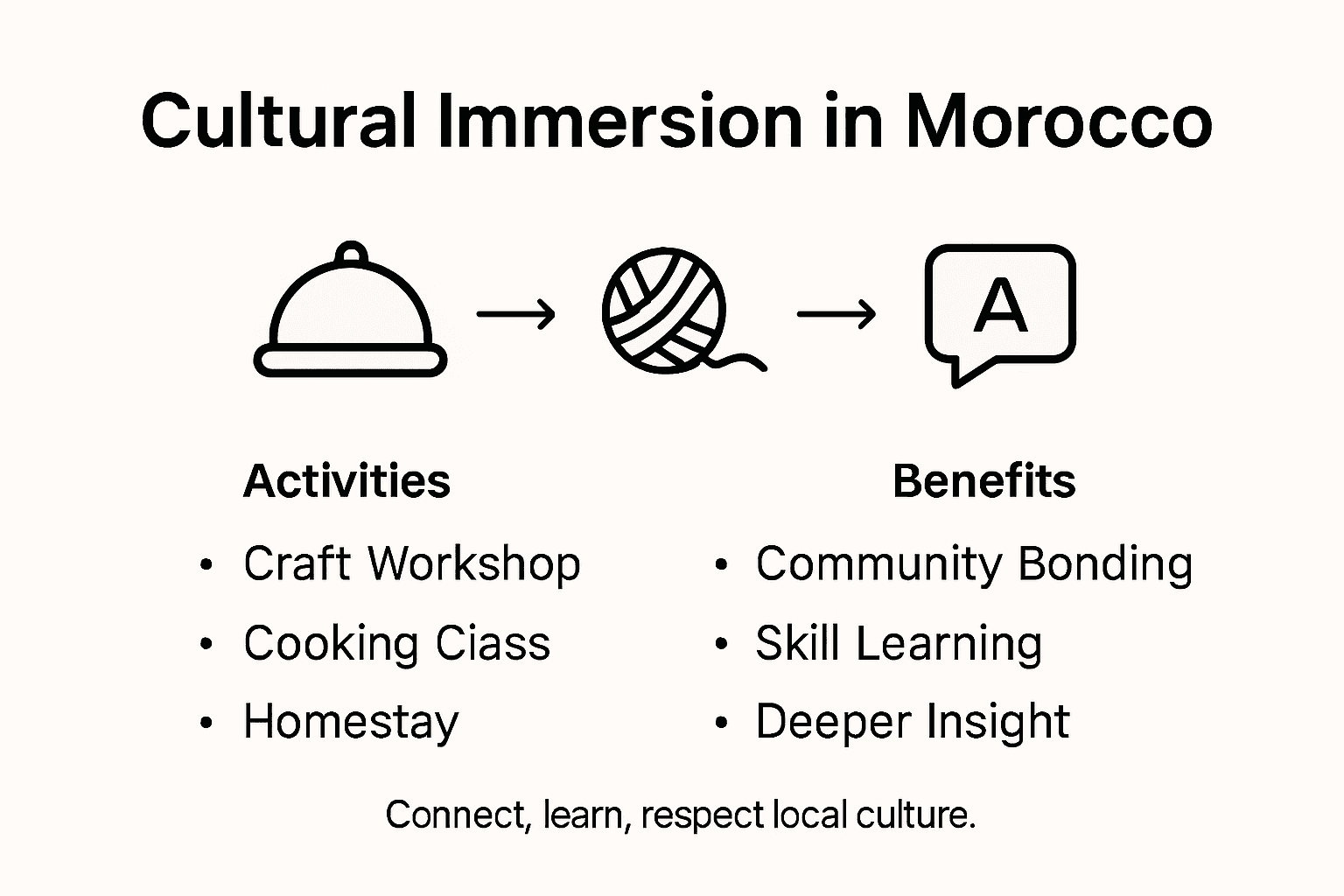
Language and educational programs provide another powerful avenue for cultural immersion. Arabic language courses combined with cultural activities in cities like Tetouan create comprehensive learning experiences that blend linguistic education with social interaction. These programs typically include structured language instruction, guided cultural excursions, and opportunities to engage directly with local residents, enabling travelers to develop deeper understanding of Moroccan social dynamics and communication styles.
Pro tip: Choose immersion experiences that offer hands-on participation and direct interaction with local community members, prioritizing programs that provide genuine cultural exchange over passive observation.
Here is a comparison of various immersive experiences available to travelers in Morocco:
| Immersion Type | Core Activity | Unique Value |
|---|---|---|
| Homestay with Locals | Live with Moroccan families | Direct exposure to daily traditions |
| Traditional Craft Workshop | Learn pottery, weaving, or metalwork | Hands-on connection to heritage |
| Language Program | Arabic or Berber courses + local interaction | Enables deeper social engagement |
| Culinary Experience | Join cooking classes and shared meals | Insight into regional food culture |
Role of Local Cuisine and Hospitality
Local Moroccan cuisine serves as a profound medium of cultural connection, transforming food from mere sustenance into a powerful social ritual. Traditional meals like tagine and couscous represent far more than culinary delights—they are intricate cultural experiences that invite travelers into the intimate fabric of Moroccan social life, offering unparalleled insights into family dynamics, community values, and generational traditions.
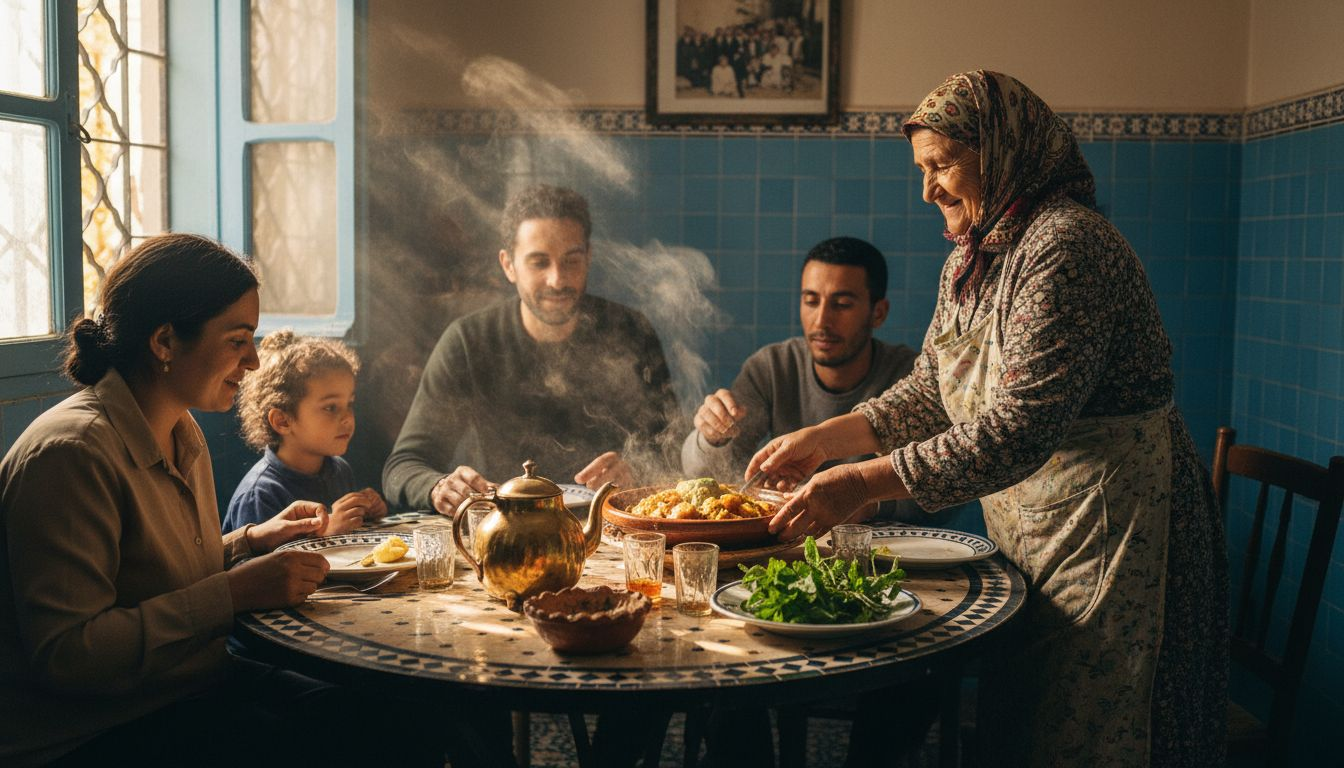
The ceremonial preparation and sharing of meals embody the core Moroccan principle of hospitality. Mint tea, served with elaborate ritual and precision, symbolizes respect, friendship, and community. Guests are treated with extraordinary generosity, with families often preparing their most treasured recipes and dedicating hours to ensuring visitors feel welcomed and honored. These dining experiences transcend simple eating, becoming platforms for storytelling, cultural exchange, and building meaningful human connections.
Regional culinary traditions reflect Morocco’s diverse cultural landscape, with each area offering unique flavor profiles and cooking techniques. From the seafood-rich dishes of coastal regions to the hearty mountain cuisine of Berber communities, every meal tells a story of geographical heritage, agricultural practices, and historical migrations. Participating in cooking classes, market tours, and shared family meals allows travelers to understand these nuanced culinary narratives firsthand, transforming food into a gateway for deeper cultural understanding.
Pro tip: Accept food and drink offerings graciously, and show genuine interest in the preparation methods and family stories behind traditional recipes to deepen your cultural connection.
Personalization and Luxury in Moroccan Travel
Moroccan luxury travel transcends traditional tourism by offering meticulously crafted journeys that blend exclusive experiences with authentic cultural immersion. Discerning travelers can expect personalized itineraries that go far beyond standard tour packages, incorporating bespoke experiences tailored to individual interests, preferences, and travel styles. These customized journeys might include private guided tours of historic medinas, exclusive access to artisan workshops, curated culinary experiences, and luxurious accommodations that showcase Morocco’s architectural and cultural richness.
Luxury in the Moroccan context means more than opulent accommodations. It represents a holistic approach to travel that prioritizes intimate, meaningful connections with local culture. High-end travelers can experience private desert camping in the Sahara with gourmet meals prepared by personal chefs, stay in restored historical riads with personalized service, or enjoy custom-designed cultural experiences that provide deeper insights into Moroccan traditions. These experiences are carefully curated to offer comfort, exclusivity, and authentic engagement simultaneously.
Personalization extends to every aspect of the travel experience, from transportation to accommodation and activity selection. Travelers can work with specialized tour operators to design journeys that match their specific interests—whether that involves photography expeditions, culinary exploration, architectural tours, or deep cultural immersion. Luxury travel in Morocco is about creating transformative experiences that respect individual preferences while maintaining the highest standards of comfort and authenticity.
Pro tip: When planning a luxury Moroccan trip, communicate your specific interests and expectations clearly with your travel designer to ensure a truly personalized experience.
Risks, Safety, and Responsible Participation
Cultural immersion travel requires careful navigation of potential challenges, with intercultural communication skills playing a critical role in ensuring safe and meaningful experiences. Travelers must develop cultural competence, understanding that responsible participation involves more than simply observing local customs—it requires active, respectful engagement that minimizes misunderstandings and potential social friction.
Safety in Morocco involves multiple layers of awareness. Travelers should prioritize understanding local social norms, dress codes, and communication expectations. This includes being mindful of conservative dress standards, particularly in rural and traditional areas, respecting religious practices, and maintaining appropriate gender interaction protocols. Personal safety also involves practical considerations like protecting personal belongings, avoiding isolated areas after dark, and maintaining situational awareness in crowded urban spaces like medinas and markets.
Responsible cultural participation demands genuine respect and humility. This means approaching local interactions with curiosity rather than judgment, asking permission before taking photographs, supporting local economies through ethical purchasing, and being willing to learn from and adapt to local cultural contexts. Travelers should recognize that their presence has potential impacts on local communities and strive to minimize negative consequences while maximizing positive cultural exchange.
Pro tip: Learn and practice basic Arabic or Berber greetings, and always ask for permission before photographing individuals to demonstrate respect and build positive cross-cultural connections.
The following table summarizes key safety and etiquette tips for respectful cultural immersion in Morocco:
| Area of Awareness | Essential Practice | Positive Impact |
|---|---|---|
| Dress and Appearance | Wear modest clothing, especially rural | Builds respect and avoids offense |
| Social Interaction | Learn greetings and ask before photos | Fosters trust and acceptance |
| Public Behavior | Respect prayer times, avoid loud conduct | Supports local social harmony |
| Economic Support | Buy from local artisans and markets | Strengthens community livelihoods |
Unlock Authentic Moroccan Cultural Immersion with Expert Guidance
Embarking on a journey to truly experience Morocco means stepping beyond traditional sightseeing and embracing deep cultural immersion. This article highlights the challenge travelers face in connecting authentically with Moroccan traditions, local communities, and language nuances. If you aim to engage meaningfully with Moroccan hospitality, crafts, and cuisine while respecting social norms and safety, you need a trusted partner specializing in personalized cultural experiences that honor these values.
At TopMoroccoTravel.com, we understand the importance of immersive travel tailored to your unique interests. Our expert team crafts customized itineraries featuring homestays, hands-on artisan workshops, Arabic language programs, and exclusive culinary experiences designed to bring you closer to the heart of Morocco. Explore our guided city tours and desert excursions that blend luxury with authentic cultural engagement. Don’t miss the opportunity to transform your trip into a meaningful adventure where every interaction deepens your appreciation of Moroccan heritage.
Ready to embrace Morocco’s rich cultural tapestry safely and respectfully? Visit TopMoroccoTravel.com now to design your bespoke Moroccan cultural immersion journey. Secure your spot today and experience the country as few travelers ever do.
Frequently Asked Questions
What is cultural immersion travel?
Cultural immersion travel involves actively engaging in the daily life, traditions, and customs of a local community, allowing travelers to connect deeply with the culture beyond typical sightseeing.
How can travelers participate in cultural immersion in Morocco?
Travelers can engage in cultural immersion by staying with local families, participating in traditional craft workshops, joining cooking classes, or attending local festivals and ceremonies.
What are some unique Moroccan traditions relevant to cultural immersion?
Moroccan traditions include elaborate hospitality practices, such as tea ceremonies, communal meals featuring dishes like tagine and couscous, and strong family connections that shape social interactions.
Why is understanding local customs important for cultural immersion?
Understanding local customs helps travelers demonstrate respect and encourage meaningful interactions with locals, minimizing misunderstandings and enhancing the overall cultural experience.
Recommended
- Why Experience Moroccan Music: Cultural and Emotional Impact
- Complete Guide to Morocco: Culture, Travel, and Experiences
- Complete Guide to Morocco Travel Experiences
- Morocco Travel Itinerary: Your Guide to an Unforgettable Adventure – Top Morocco Travel



Comments are closed