




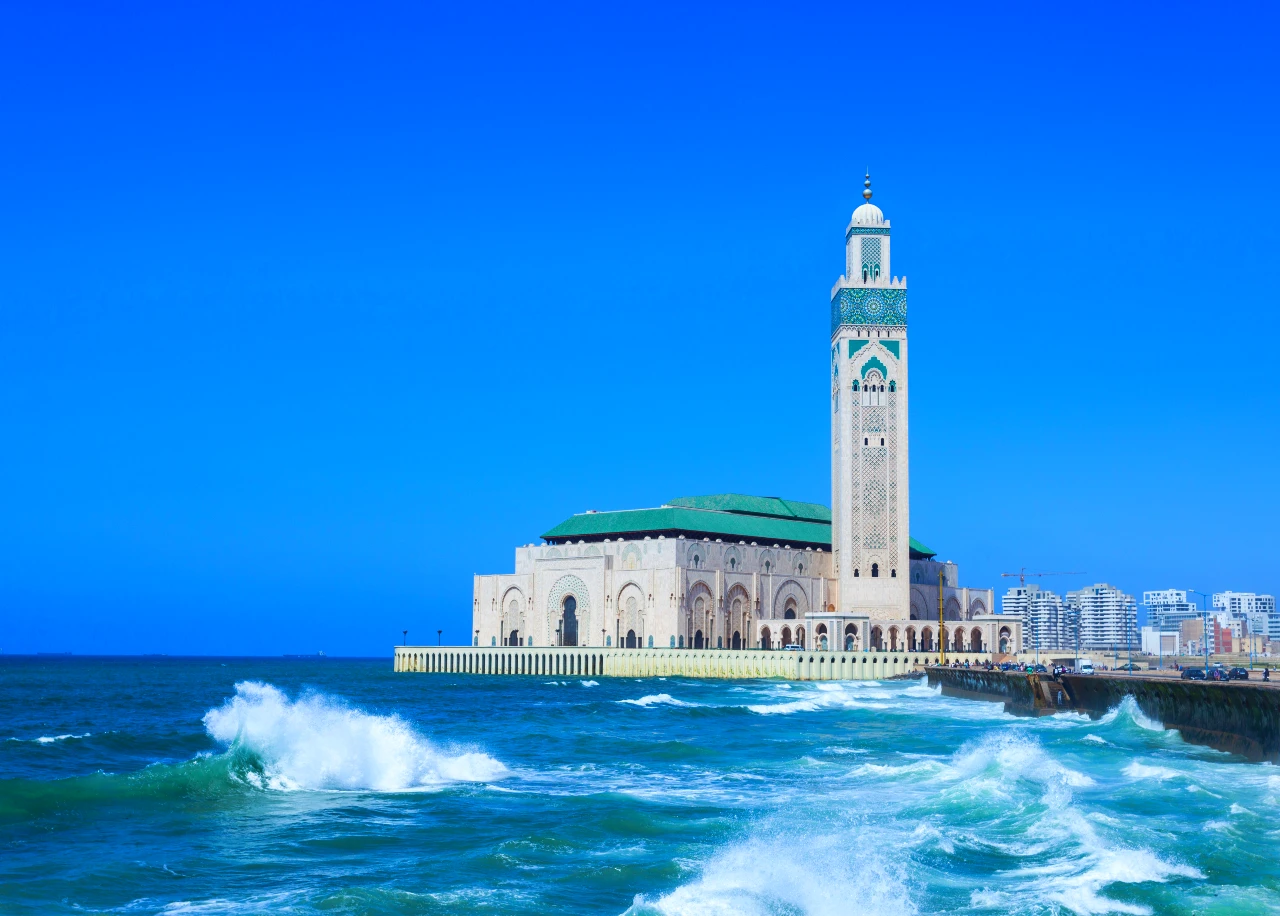
- Casablanca offers a rich historical tapestry, blending ancient roots, colonial architecture, and modern vibrancy.
- Visiting landmarks like the Hassan II Mosque and exploring diverse neighborhoods reveals a city that rewards intentional exploration.
- Embracing its authentic culture and practical travel tips enhances the experience beyond the typical stopover.
Casablanca gets dismissed more often than any other city in Morocco. Travelers land at Mohammed V International Airport, grab a connecting bus to Marrakech, and consider themselves done. That’s a real shame, because the city holds some of the most layered, surprising, and genuinely moving experiences in all of North Africa. This guide will change how you see Casablanca, walking you through its ancient roots, its stunning landmarks, its food and festival scene, and the practical knowledge that separates a forgettable stopover from a trip you’ll talk about for years.
Table of Contents
- The origins and evolution of Casablanca
- Must-experience landmarks and spaces
- Uncovering Casablanca’s vibrant culture and events
- Local know-how: Navigating, staying, and savoring Casablanca
- Making the most of your time: Realistic itineraries and expert advice
- Our take: Why Casablanca rewards the curious traveler
- Ready to unlock Casablanca? Explore with expert guidance
- Frequently asked questions
Key Takeaways
| Point | Details |
|---|---|
| Casablanca is a cultural destination | The city combines rich history, modern urban life, and vibrant annual events. |
| Plan landmarks and timing | Prioritize the mosque and Corniche if time is tight, and check festival dates for the best experiences. |
| Stay like a local | Choose modern neighborhoods and guided tours for authenticity and ease. |
| Adjust for Ramadan | Expect spiritual events and altered schedules, but limited dining during the day. |
| Guided tours maximize value | Expert-led tours help uncover Casablanca’s hidden gems safely and insightfully. |
The origins and evolution of Casablanca
Once you realize Casablanca offers far more than a quick stopover, understanding its past is the first step to appreciating its distinctive energy.
Most visitors assume Casablanca is a modern city with little historical weight. That assumption collapses quickly once you start digging. The city’s story stretches back thousands of years, and each chapter left a visible mark on the streets, buildings, and culture you encounter today.
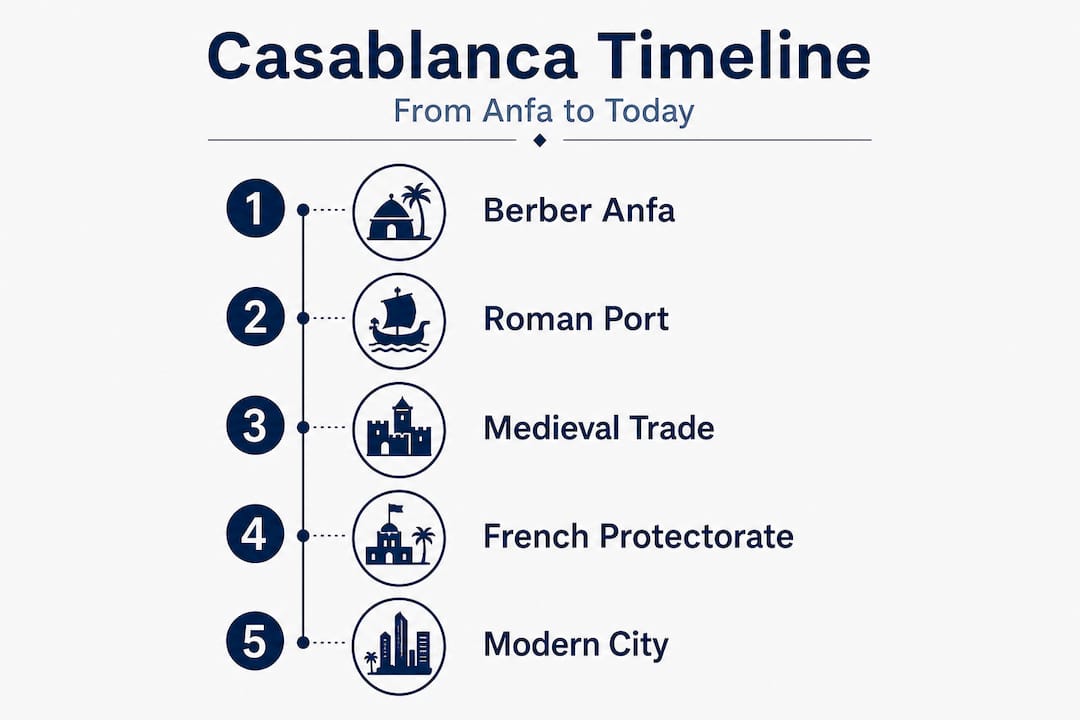
The History of Casablanca tells a story of remarkable resilience: the city originated as the Berber settlement Anfa in ancient times, was established by Romans around 15 BC as a port, destroyed by the Portuguese in 1468, rebuilt after the 1755 earthquake as ad-Dār al-Bayḍāʾ (meaning “White House”), and then expanded dramatically under the French Protectorate from 1907 onward, when its iconic Art Deco architecture took shape. That is not one city’s story. That is five cities layered on top of each other.
“Casablanca is not a city that reveals itself quickly. It rewards those who look past the surface, past the traffic and the towers, toward the centuries underneath.” — A sentiment shared by many historians of Moroccan urban culture.
The French Protectorate era deserves special attention. When French planners arrived in the early 20th century, they didn’t simply impose European grids on existing streets. They built an entirely new city alongside the older medina, which is why you can walk from a centuries-old market to a perfectly preserved 1930s Art Deco boulevard in under ten minutes. That contrast is not accidental. It is the architectural biography of a city that absorbed every influence thrown at it and made something entirely its own.
Here’s a quick timeline to orient your understanding:
| Era | Period | Key development |
|---|---|---|
| Berber Anfa | Pre-Roman | Original settlement, trade hub |
| Roman port | ~15 BC | Established as a Mediterranean trading post |
| Portuguese destruction | 1468 | City razed, population displaced |
| Post-earthquake rebuild | 1755 | Rebuilt as ad-Dār al-Bayḍāʾ |
| French Protectorate | 1907 onward | Art Deco expansion, modern city grid |
| Independence era | 1956 onward | Rapid urbanization, economic capital status |
For travelers interested in navigating modern Casablanca, this historical backdrop is not just trivia. It explains why the city feels so different from Fez or Marrakech and why its identity is genuinely unique within Morocco.
Understanding this timeline also helps you read the city’s architecture like a text. The ornate facades on Boulevard Mohammed V are not decorations. They are physical evidence of a colonial project that tried to impose order on a city that had already survived Roman trade, Portuguese cannon fire, and a catastrophic earthquake. Casablanca absorbed all of it.
Must-experience landmarks and spaces
With this foundation, visitors can better navigate both historic and contemporary Casablanca.
The city’s landmark list is short but extraordinary. You don’t need two weeks to see the highlights. You need focused, informed attention.
Hassan II Mosque is the undisputed centerpiece. It is the largest mosque in Africa and the seventh largest in the world, with a minaret that rises 210 meters above the Atlantic Ocean. The engineering alone is staggering. The floor of the prayer hall is built over the sea, with glass panels that let worshippers look down at the water below. Non-Muslims visit Hassan II Mosque only via guided tours lasting 45 to 60 minutes, costing approximately 140 MAD, with modest dress required (shoulders and knees covered), and you should arrive 15 to 30 minutes early since entry is not permitted during prayer times.
Pro Tip: Book your mosque tour for the morning session. The light inside the prayer hall is dramatically better before noon, and the crowds are thinner. Bring a light scarf or shawl even if your clothing is already modest, as the interior can be cooler than expected.
Beyond the mosque, Casablanca rewards explorers who venture into its contrasting neighborhoods. Here’s how the main areas compare:
| Area | Character | Best for |
|---|---|---|
| Old Medina | Compact, atmospheric, traditional | Souvenirs, street food, history |
| Art Deco downtown | Grand boulevards, ornate facades | Architecture walks, cafes |
| Corniche | Oceanfront promenade, modern | Sunset strolls, seafood restaurants |
| Maarif | Upscale shopping, local restaurants | Modern local life, dining |
| Anfa | Residential, leafy, wealthy | Quiet exploration, local cafes |
The must-see Casablanca sights extend well beyond the mosque. Here are the experiences worth building your schedule around:
- The Corniche: A 3-kilometer oceanfront stretch lined with restaurants, cafes, and open-air spaces. It’s where Casablancans actually spend their weekends, which makes it feel genuinely local rather than staged for tourists.
- The old medina: Smaller and less overwhelming than Fez’s or Marrakech’s medinas, making it a good introduction for first-time Morocco visitors. The pressure from vendors exists but is manageable.
- Boulevard Mohammed V: The spine of the Art Deco district. Walk it slowly and look up. The upper floors of buildings are where the real architectural detail lives.
- Villa des Arts: A colonial-era mansion converted into a contemporary art gallery. It bridges Casablanca’s historical layers beautifully.
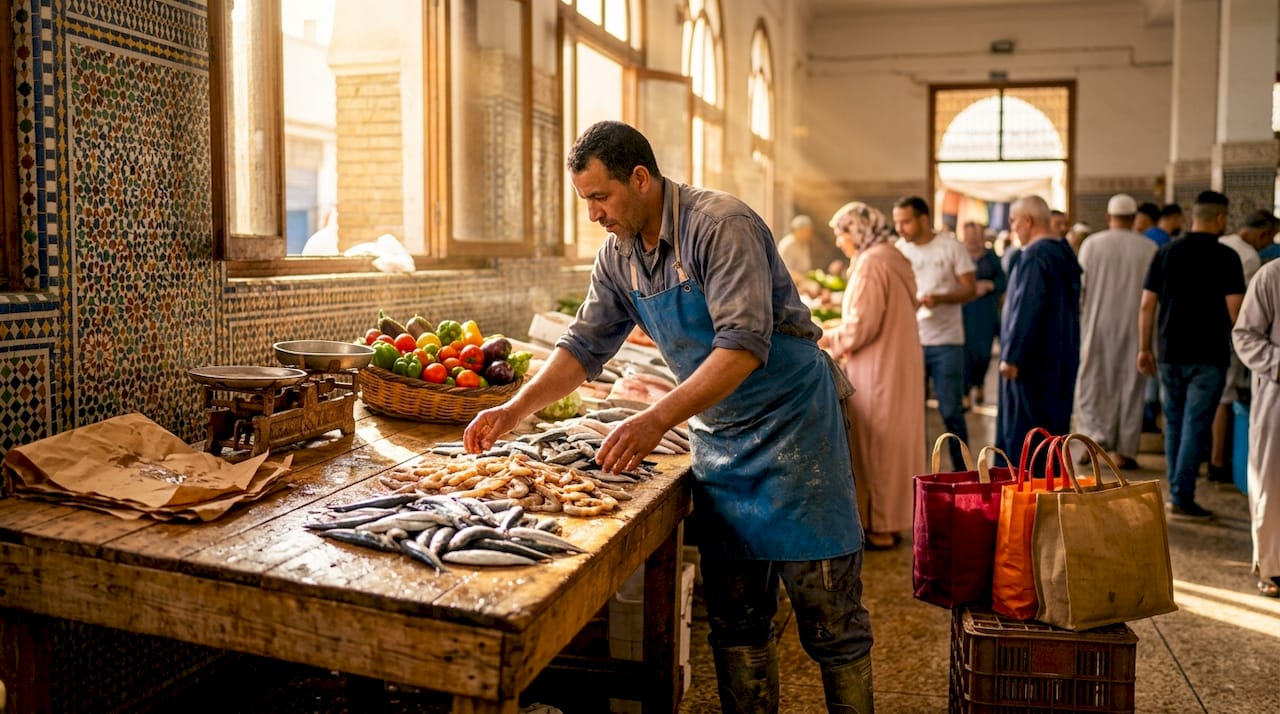
- Central Market (Marché Central): A covered market where locals shop for fresh produce, fish, and spices. It’s one of the most authentic daily-life experiences the city offers.
The Maarif and Anfa neighborhoods deserve more attention than they typically get in travel guides. These are where Casablanca’s professional class lives, shops, and eats. Walking through Maarif on a weekday evening, you’ll find independent bookshops, specialty coffee spots, and restaurants serving everything from traditional Moroccan tagines to excellent Japanese food. This is the city as it actually functions, not as it performs for tourists.
Uncovering Casablanca’s vibrant culture and events
After touring landmark sites, immersing yourself in cultural festivities brings Casablanca’s spirit to life.
Casablanca has one of the most active cultural calendars in North Africa, and most travelers have no idea it exists. The city hosts internationally recognized music festivals, food events, and immersive light installations that draw visitors from across the continent.
Major annual events worth planning around:
- Jazzablanca: An internationally acclaimed jazz and world music festival that has hosted artists from across Africa, Europe, and the Americas. The atmosphere is relaxed and genuinely festive, with outdoor stages and a strong local audience.
- Casablanca Gastronomy Festival (September): A celebration of Moroccan and international cuisine that showcases the city’s serious food culture. Chefs, producers, and food lovers gather for tastings, workshops, and competitions.
- Magic Garden Light Festival (March to May 2026): An immersive outdoor light installation that transforms public spaces into visual experiences after dark.
- Ramadan events: During Ramadan, the city hosts the Nocturnes du Patrimoine and Ramadaniyate WeCasablanca, which are evening cultural programs that open historic sites and public spaces to community gatherings and performances.
Cultural calendar highlight: The Magic Garden Light Festival and Gastronomy Festival together make September through May an especially rewarding window for cultural travelers.
Ramadan deserves a more nuanced conversation than most travel guides provide. Yes, daytime restaurant access is limited. Many cafes and casual eateries close during daylight hours, and the pace of the city shifts noticeably. But Ramadan also transforms Casablanca in ways that are genuinely moving. The evenings come alive with a warmth and communal energy that is impossible to replicate at any other time of year. If you’re visiting during Ramadan, adjust your schedule to match the city’s rhythm rather than fighting it.
Pro Tip: During Ramadan, plan your main meal for after sunset. The Iftar meal (the breaking of the fast) is one of the most hospitable experiences you can share in Morocco. Many restaurants offer special Iftar menus, and locals are often genuinely welcoming to travelers who show curiosity and respect.
Casablanca’s food scene is one of its most underrated assets. The city’s port history means seafood is exceptional. The French influence means pastry culture is strong. And the city’s cosmopolitan character means you’ll find excellent Moroccan, Lebanese, French, and Asian cuisine within a few blocks of each other in Maarif. For travelers who want to go deeper, Moroccan food tours offer structured ways to eat through the city with local knowledge guiding every stop.
The nightlife scene is also worth acknowledging. Casablanca has a genuine live music culture, with venues ranging from jazz clubs to rooftop bars overlooking the Atlantic. This is not a city that closes at 9 PM.
Local know-how: Navigating, staying, and savoring Casablanca
While Casablanca’s energy fuels unforgettable moments, practical knowledge can make your trip smoother and more rewarding.
The single most common mistake travelers make in Casablanca is trying to apply the same rules they used in Marrakech or Fez. Casablanca is a different kind of city, and it rewards a different approach.
Where to stay matters more than you think. Unlike in other Moroccan cities, modern neighborhoods suit Casablanca’s local vibe better than riads. Riads are beautiful in Marrakech, where the medina is the center of life. In Casablanca, the medina is a small, historic corner of a much larger urban organism. Staying in Maarif, Anfa, or near the Corniche puts you in the city as Casablancans actually experience it. You’ll walk to local cafes, shop at neighborhood markets, and feel the rhythm of daily life rather than the rhythm of the tourist circuit.
Here’s a practical guide to navigating the city:
- Use petit taxis for short trips. These small, metered cabs are affordable and efficient for getting around the city center. Always confirm the meter is running before you depart.
- Take the tramway for longer distances. Casablanca’s modern tram system connects major neighborhoods cleanly and cheaply. It’s also a great way to observe the city from street level.
- Book medina tours through reputable operators. The old medina is navigable, but a guided tour adds context and reduces the pressure that can make solo exploration stressful. Guides also know which vendors offer fair prices.
- Learn three to five phrases in Darija (Moroccan Arabic). Even basic greetings signal respect and typically generate genuine warmth from locals. “Shukran” (thank you) and “Labas” (how are you/I’m fine) go a long way.
- Carry cash for markets and small restaurants. Card acceptance is improving but inconsistent outside of hotels and larger establishments.
Pro Tip: For the Marrakech to Casablanca route, the train is the best option. The Al Boraq high-speed rail connects the two cities in under two hours and is comfortable, punctual, and affordable. It also gives you a window view of Morocco’s Atlantic coastal landscape.
Regarding safety, Casablanca is a large city with the normal considerations of any major urban center. The tourist areas are generally safe, but standard urban awareness applies. Keep your phone in a front pocket, be alert in crowded spaces, and trust your instincts. The medina is more manageable here than in other Moroccan cities, but a guide still adds real value for first-time visitors.
Ramadan timing also affects practical logistics in ways worth planning for. Schedules for museums, government offices, and some transport services shift during the holy month. Confirm opening hours in advance, build flexibility into your daily plans, and treat any disruption as an invitation to slow down and observe.
Making the most of your time: Realistic itineraries and expert advice
With logistics in hand, you can now structure a Casablanca visit that fits your interests and schedule.
The debate about Casablanca’s value as a destination is real. Some travelers see it as an overhyped transit point, while others argue it represents the most authentic urban Moroccan culture and food scene available to visitors. Both views contain truth. Casablanca is not the right destination for travelers seeking ancient medina immersion. It is absolutely the right destination for travelers who want to understand Morocco as a living, modern country with deep roots.
“If you want medieval Morocco, go to Fez. If you want to understand what Morocco is becoming, spend real time in Casablanca.” — A perspective shared by experienced Morocco travelers and cultural guides.
One-day itinerary (focused and efficient):
- Morning: Hassan II Mosque guided tour (arrive early, allow 90 minutes total)
- Late morning: Walk the Corniche north toward the old medina
- Lunch: Seafood at a Corniche restaurant or the Central Market area
- Afternoon: Art Deco walking tour along Boulevard Mohammed V
- Late afternoon: Maarif neighborhood for coffee and local browsing
- Evening: Dinner at a Maarif restaurant, followed by the Corniche at night
Multi-day itinerary additions:
- Day two: Villa des Arts, deeper medina exploration with a guide, Anfa neighborhood walk
- Day three: Take a Day trip to Mohammedia (30 minutes north) for beaches, or focus on Casablanca’s contemporary art scene
- Evening options: Live music venues, rooftop bars, or a cooking class focused on Moroccan cuisine
For history-focused travelers, the Art Deco district alone can occupy a full morning. The essential Casablanca itinerary should prioritize the mosque and Corniche if time is short, with the medina as a secondary priority rather than the main event.
For food-focused travelers, the city rewards slow mornings in neighborhood cafes, market visits before noon, and long dinners in Maarif. Architecture enthusiasts should focus on the downtown core and consider hiring a local guide who specializes in the colonial-era buildings, many of which are unmarked and easy to miss.
The key insight is this: Casablanca is a city that rewards intentionality. Wandering without context produces a confusing, underwhelming experience. Arriving with even basic historical and cultural knowledge produces something completely different.
Our take: Why Casablanca rewards the curious traveler
We’ve guided hundreds of travelers through Morocco, and the pattern around Casablanca is consistent. Experienced travelers who have been to Marrakech, Fez, and the Sahara often rank their Casablanca experience lowest, not because the city failed them, but because they approached it with the wrong expectations. They looked for a medina city and found a metropolis. They looked for ancient souks and found Art Deco boulevards. They looked for riads and found boutique hotels. The mismatch was theirs, not the city’s.
The travelers who get Casablanca right are almost always the ones who lean into what the city actually is rather than what they assumed it would be. They spend time in Maarif. They eat at local restaurants where the menu is only in Arabic and French. They take the tram. They sit in a cafe on a weekday morning and watch the city move. That is where Casablanca reveals itself.
There’s also something worth saying about guided experiences specifically. We know that recommendation sounds self-serving, but it’s grounded in something real. Casablanca’s layers are not obvious. The history is not posted on signs. The cultural context of what you’re looking at, whether it’s a building, a neighborhood, or a festival, is not available in a quick Google search. A knowledgeable local guide doesn’t just show you things. They translate the city for you. That translation is the difference between a pleasant walk and a genuinely moving experience.
Our honest advice: resist the urge to treat Casablanca as a warm-up for “real” Morocco. It is real Morocco. It’s the Morocco that most Moroccans actually live in. The local perspective on Casablanca is that the city is proud, complex, and deeply underestimated. Spend two nights minimum. Eat where locals eat. Walk neighborhoods that aren’t in the guidebooks. You’ll leave with a version of Morocco that most visitors never encounter.
Ready to unlock Casablanca? Explore with expert guidance
Equipped with practical, cultural, and personal insights, the next step is making your Casablanca journey seamless and meaningful. At TopMoroccoTravel.com, our local guides bring Casablanca’s history, neighborhoods, and food scene to life in ways that independent travel simply can’t replicate. Whether you’re drawn to the Art Deco architecture, the Atlantic seafood, or the city’s festival calendar, our Moroccan cultural immersion options are designed around authentic, unhurried experiences. Explore our guided tours in Morocco to understand why expert-led travel consistently produces richer memories, and connect with our Morocco tour operators to build a custom itinerary that treats Casablanca as the destination it truly is.
Frequently asked questions
What is the best time of year to visit Casablanca?
Spring (March to May) and autumn (September to November) offer the best combination of mild weather and major cultural events, including the Magic Garden Light Festival running March through May 2026 and the Gastronomy Festival in September.
Can non-Muslims enter the Hassan II Mosque in Casablanca?
Yes, but access is limited to guided tours outside prayer times, with modest dress required and an entry fee of approximately 140 MAD.
Is it worth staying overnight in Casablanca, or is a day trip enough?
Staying at least two nights lets you experience the city’s neighborhoods, festivals, and dining scene at a genuine pace, and urban culture and food are best absorbed slowly rather than rushed in a single day.
Are riads popular accommodations in Casablanca?
No. Unlike in Marrakech or Fez, modern neighborhoods better suit Casablanca’s character, and modern hotels or apartments in areas like Maarif or Anfa provide a more authentic local experience.
Recommended
-
- 7 Must-See Casablanca, Morocco, Sights for Every Traveler
- Casablanca City: Navigating Morocco’s Modern Hub with Ease
- 7 Best Morocco Destinations for an Unforgettable Trip


Comments are closed