




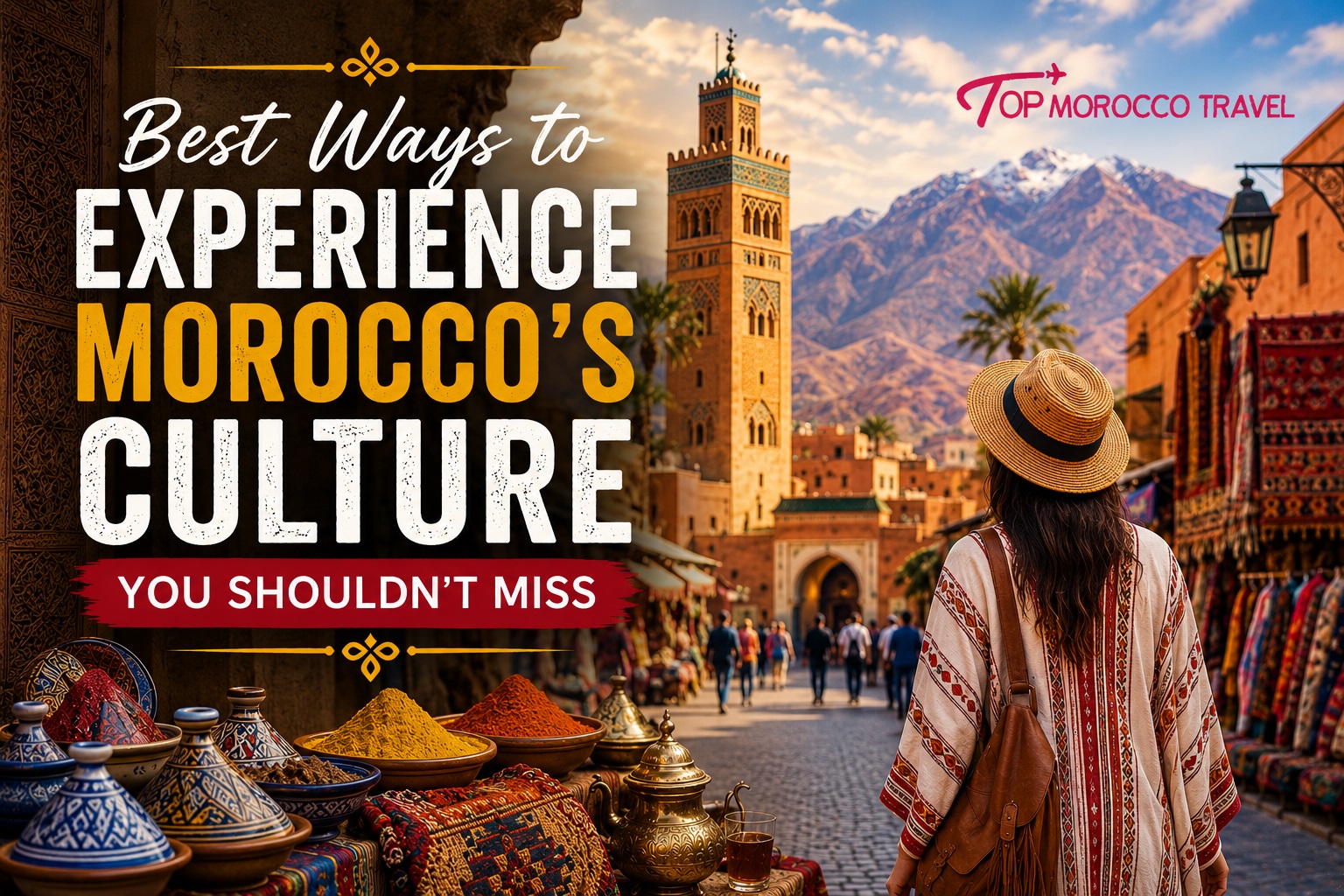
Most people connect Morocco with deserts, crowded markets, blue streets, and camel rides. But after spending a few days there, the country starts feeling different in a quieter way. Culture appears in regular daily moments instead of dramatic tourist spots. Someone pours tea while talking outside a small shop. Music suddenly starts somewhere near the market. Families gather late in the evening after the heat becomes softer. Reading a Morocco cultural immersion guide before traveling may help a little, although many experiences only begin making sense after arriving there personally.
Many travelers from the USA now prefer slower trips because moving too quickly usually hides the real atmosphere of the country. Morocco feels more enjoyable when people leave extra space for random conversations, unexpected walks, and ordinary experiences that were never planned earlier.
Local Markets Still Shape Everyday Life
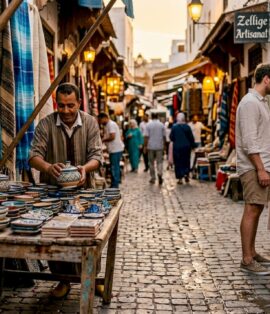
Markets in Morocco are not built only for tourists. Local residents continue using them daily for food, clothing, spices, fabrics, and handmade goods. Because of that, the atmosphere feels active and real instead of staged.
Things travelers usually notice first:
- Narrow streets filled with movement
- Handmade lanterns hanging outside shops
- The smell of leather, spices, and fresh bread
- Older craftsmen quietly working inside small spaces
At first, the markets feel noisy and slightly confusing. Streets become crowded very quickly, people move in every direction, and shopkeepers continuously speak to visitors passing nearby. Still, after some time, the atmosphere begins feeling less stressful and more interesting.
Ways to enjoy markets more comfortably:
- Walk slowly without rushing between places
- Explore smaller side streets away from crowds
- Stop for tea instead of continuous shopping
- Visit during morning hours for a calmer atmosphere
Travelers searching online for a morocco tour operator often focus heavily on monuments and desert activities, yet local markets usually reveal more about daily Moroccan life than formal attractions.
Food Connects Travelers With Local Traditions
Moroccan food reflects family habits developed over generations. Meals are rarely treated as quick routines. Instead, eating becomes part of conversation, hospitality, and social connection.
Common foods connected with cultural traditions:
- Tagine slowly cooked with vegetables or meat
- Couscous shared during weekly family meals
- Harira soup prepared during evenings
- Mint tea served throughout the day
Food changes a lot between regions, which surprises many travelers during longer trips. Coastal towns focus more on seafood while mountain areas usually prepare heavier meals suited for colder evenings. Travelers using Morocco travel packages often notice these differences more clearly after moving between several cities.
Street food also becomes memorable for many visitors. Bread is still baked traditionally in some neighborhoods, and people often gather around local bakeries before meals. These ordinary routines create a stronger sense of culture than expensive restaurants sometimes do.
Smaller Towns Often Feel More Personal
Large cities such as Marrakech and Fez attract global attention, but smaller towns often provide quieter and more personal experiences.
Places many travelers enjoy visiting:
- Chefchaouen with calm blue streets
- Essaouira near the Atlantic coast
- Villages around the Atlas Mountains
- Desert towns close to Merzouga
Life in these places usually moves slower. Conversations continue longer, people spend more time outdoors, and local customs remain highly visible.
Some travelers expect every place to feel polished and luxurious because of social media travel videos. Smaller towns often feel simpler instead. Yet many people end up enjoying those places more because conversations feel natural and daily routines remain visible. A reliable Morocco Travel Agency usually explains this before travelers begin the journey.
Music and Public Gatherings Keep Traditions Alive
Music remains deeply connected with Moroccan celebrations and community gatherings. Travelers regularly hear drumming, singing, or traditional instruments while walking through public areas.
Cultural moments visitors may experience:
- Gnawa music performances at festivals
- Traditional dance celebrations during weddings
- Storytelling in busy public squares
- Evening music gatherings in older neighborhoods
Even travelers who do not understand the language still connect emotionally with the atmosphere. Public performances feel natural because local residents participate alongside visitors.
These gatherings usually feel natural because local communities still care about those traditions instead of performing only for visitors.
Respect Creates Better Cultural Experiences
Travel experiences usually improve when visitors remain patient and respectful toward local customs.
Small actions that help travelers connect better:
- Dress modestly in quieter towns
- Learn simple greetings before arriving
- Ask permission before taking close photographs
- Accept tea politely when offered
Many travelers try fitting too many places into one short trip and later feel exhausted. Morocco generally works better at a slower pace. Long walks, relaxed conversations, and unplanned moments usually become more memorable than tightly scheduled activities.
Conclusion
Morocco stays memorable because culture continues appearing naturally throughout daily life. Travelers may arrive expecting dramatic scenery, but smaller experiences often leave the strongest impression. Markets, music, shared meals, and evening conversations gradually create a deeper understanding of the country.
People who slow down during the journey usually experience Morocco differently. Instead of moving quickly between famous places, they notice traditions still existing inside ordinary routines. That balance between history, community, and everyday life is what makes cultural travel in Morocco feel meaningful long after the trip ends.
FAQ
What are the best luxury tours to explore Morocco’s culture?
Luxury cultural tours usually include riad stays, guided city walks, local food experiences, and desert camps combined with traditional activities.
Are there any travel agencies that specialize in cultural tourism in Morocco?
Yes, several companies organize trips focused on local traditions, historical cities, regional food, and community experiences across Morocco.
Which city is best for experiencing traditional Moroccan culture?
Fez is often considered one of the strongest cultural cities because of its old medina, craftsmanship, and traditional atmosphere.
What season is most comfortable for cultural travel in Morocco?
Spring and autumn are generally preferred because temperatures remain pleasant for walking through markets and older cities.
Do travelers need guides for cultural experiences in Morocco?
Guides are not always necessary, although local experts can help explain traditions, customs, and historical details more clearly.


Comments are closed