




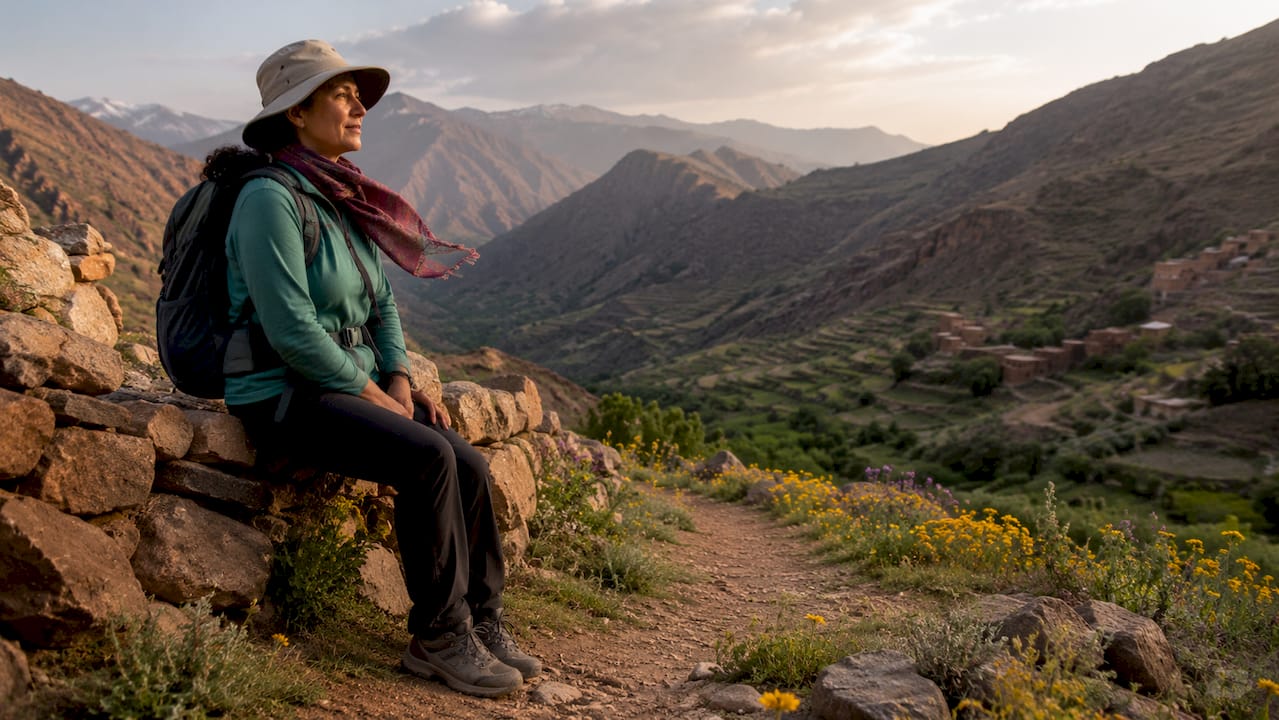
- Morocco’s hidden gems include remote valleys, mountain villages, and spiritual sites that reveal authentic landscapes and traditions.
- Planning around water levels, altitude, and cultural protocols enhances the experience at destinations like Paradise Valley, Aït Bouguemez, Tajdirt, and Sidi Chamharouch.
- Increased access to the Oriental region makes an ideal year to explore these lesser-known, genuine Moroccan spots before they become more crowded.
Morocco’s hidden gems are off-the-beaten-path valleys, mountain villages, and spiritual sites that reveal the country’s authentic landscapes and living traditions far beyond Marrakech or Fes. Places like Paradise Valley, Aït Bouguemez, Tajdirt, and Sidi Chamharouch sit outside the standard tourist circuit, yet they deliver the kind of local experiences in Morocco that travelers remember for decades. These are not simply obscure locations. They are places filtered out by altitude, access difficulty, or a lack of marketing, which means the travelers who reach them find something genuinely rare: Morocco as it actually lives and breathes.
What are the best hidden natural destinations in Morocco?
Morocco’s most rewarding offbeat destinations in Morocco are defined by dramatic natural settings that require a little planning to fully enjoy. Two stand out above the rest for travelers: Paradise Valley and Aït Bouguemez.
Paradise valley: timing is everything
Paradise Valley sits in the foothills of the Anti-Atlas, roughly 10 miles from Agadir. The valley cuts through pink granite walls lined with fig, argan, and oleander trees, opening into a series of natural pools fed by mountain streams. The experience is genuinely stunning on the right day.
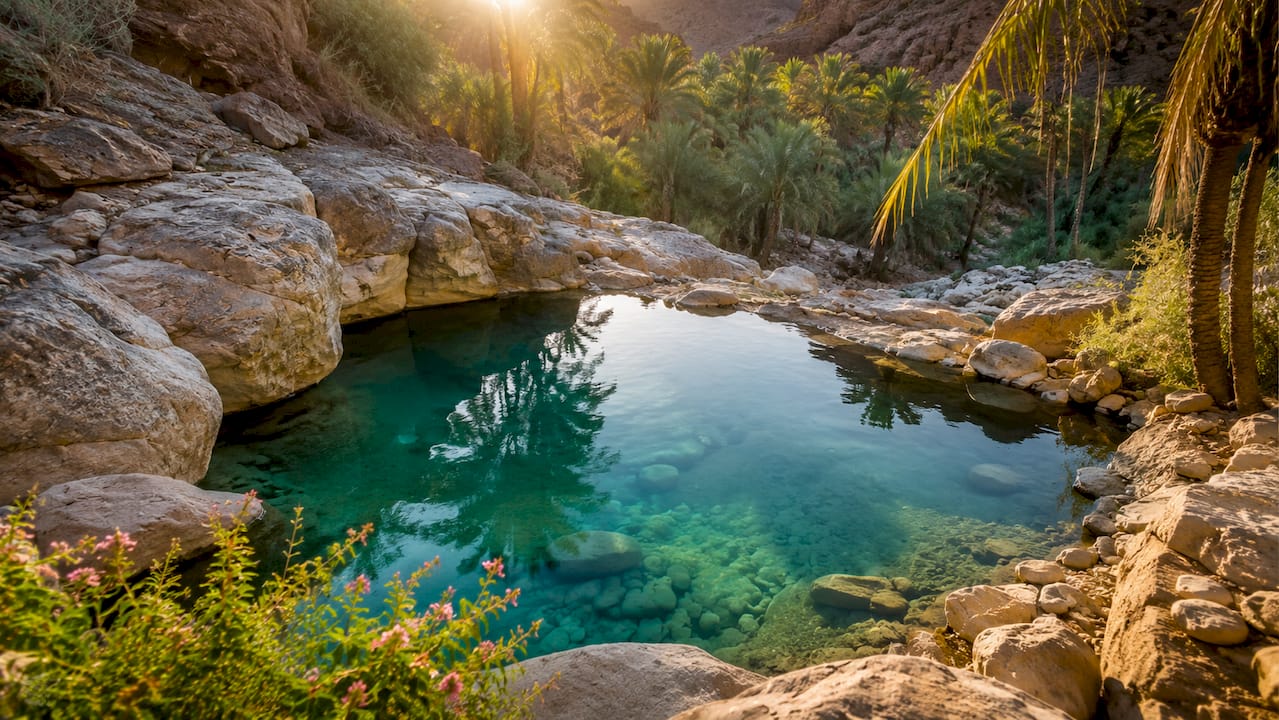
The critical variable is water. Recent trip reports confirm that Paradise Valley has noticeably lower water flow during dry periods due to ongoing drought conditions. Lower water levels reduce the swimming and cliff-jumping experience significantly. This means the valley rewards travelers who plan around rainfall and snowmelt seasons rather than peak summer heat.
The best window is March through May, when winter rains have replenished the pools and temperatures stay comfortable for hiking and swimming. Water flow variability at sites like Paradise Valley requires flexible planning. Build alternative activities into your day, such as a walk through the argan groves or a visit to a nearby Berber village, in case water levels disappoint.
Pro Tip: Check recent visitor reports on travel forums like TripAdvisor or Morocco-specific Facebook groups within two weeks of your planned visit. Locals and recent travelers post real-time water level updates that no guidebook can provide.
Aït bouguemez: morocco’s forgotten valley
Aït Bouguemez sits in the High Atlas at roughly 6,200 feet of elevation, east of Azilal. It is one of the most preserved rural areas in Morocco, with terraced barley fields, stone granaries, and mud-brick villages that have changed little in centuries. The valley supports a network of family-run guesthouses rather than commercial hotels, which keeps the experience genuinely local.
Spring and autumn are the ideal visiting seasons. Spring brings wildflowers across the terraced hillsides and mild temperatures for hiking. Autumn offers golden harvest colors and cooler air after the summer heat. Summer brings crowds of Moroccan domestic tourists, and winter closes many mountain roads entirely. The limited commercial infrastructure in Aït Bouguemez is not a flaw. It is the reason the valley’s Berber culture remains intact and accessible to curious travelers.
Key practical details for visiting Aït Bouguemez:
- Getting there: A paved road connects Azilal to the valley, but the final stretch requires patience. The drive from Marrakech takes approximately 4–5 hours.
- Accommodation: Family guesthouses offer meals and beds for modest prices. Book ahead in spring, as capacity is genuinely limited.
- Hiking: The valley connects to multi-day Atlas trekking routes, including paths toward M’Goun, Morocco’s second-highest peak.
- Best months: April, May, September, and October offer the most reliable conditions.
Which mountain villages offer authentic local experiences?
The most authentic local experiences in Morocco come from villages that most travelers never reach. Tajdirt and Ouirgane represent two very different versions of Atlas mountain life, and both reward the effort required to get there.
Tajdirt: north africa’s highest village
Tajdirt holds a record that almost no traveler knows about. It is North Africa’s highest village, sitting at approximately 9,800 feet in the High Atlas above Imlil. The road to Tajdirt is narrow, steep, and demands a 4WD vehicle. That access barrier is precisely why the village remains genuinely unspoiled.
Altitude affects visitors immediately. Shortness of breath, slower pace, and the need for extra water are standard at this elevation. High-altitude visits like Taj Dajr require vehicle capability and proper acclimatization. Local experts recommend spending at least one night in Imlil at 5,900 feet before attempting the drive or hike to Toubkal. The surrounding terrain opens into serious trekking country, with routes connecting to Toubkal and neighboring peaks.
What you find in Tajdirt itself is a small Berber community living at the edge of what agriculture and altitude allow. Stone houses cling to the hillside. Women weave outside doorways. Children play in lanes barely wide enough for a donkey. The village has no tourist infrastructure whatsoever. That is the point.
Pro Tip: Hire a local guide from Imlil rather than navigating independently. Guides from Imlil know the road conditions, can communicate with village families, and add cultural context that transforms a scenic drive into a genuine encounter.
Ouirgane: where the atlas slows down
Ouirgane sits in a valley south of Marrakech, roughly 37 miles along the Tizi n’Test road. The village and its surrounding area represent a quieter, more accessible version of Atlas authenticity. Electricity arrived in the Ouirgane area as recently as 2007 in some parts, and the roads remain winding and remote enough to filter out casual day-trippers.
The food culture here is exceptional. Local guesthouses serve tagines made from ingredients grown within walking distance: lamb from the hillsides, vegetables from terraced gardens, olive oil pressed from trees lining the valley floor. This is not a performance of Moroccan food culture. It is the real thing, cooked by families who have prepared these dishes for generations.
A few things to know before visiting Ouirgane:
- The Tizi n’Test mountain pass beyond Ouirgane is one of Morocco’s most dramatic drives. Plan the full route if time allows.
- Small guesthouses fill quickly on weekends when Marrakech residents escape the city. Book midweek for a quieter experience.
- Bring cash. ATMs do not exist in the village, and card payments are not accepted at local guesthouses.
How do spiritual sites like Sidi Chamharouch enrich your trip?
Sidi Chamharouch is a living spiritual shrine located along the main trekking route to Jebel Toubkal, Morocco’s highest peak. It sits at roughly 7,900 feet, about three hours on foot from Imlil. The site is not a ruin or a museum. Moroccan pilgrims visit year-round to seek blessings, healing, and spiritual intercession.
Understanding the access rules matters before you arrive. The shrine interior is restricted to Muslim visitors. Non-Muslim travelers can observe the site respectfully from the surrounding area and interact with the community at the small market and tea stalls nearby. The Thursday court at Sidi Chamharouch is the week’s most active day, when pilgrims gather in larger numbers and the atmosphere becomes genuinely charged with spiritual energy. Visiting on a Thursday gives you a window into Moroccan spiritual life that no city tour can replicate.
Practical guidelines for visiting Sidi Chamharouch:
- Dress modestly. Long sleeves and covered legs are required for both men and women out of respect for the site’s sacred status.
- Ask before photographing. Many pilgrims are in a private spiritual moment. A simple gesture of asking permission goes a long way.
- Time your arrival. Reaching Sidi Chamharouch by mid-morning on a Thursday gives you the fullest experience before afternoon heat sets in.
- Combine with the Toubkal trekking route for a full day that includes both natural and cultural depth.
Respectful cultural engagement at spiritual sites adds layers of meaning that outlast any scenic photograph. Travelers who approach Sidi Chamharouch with genuine curiosity and respect consistently describe it as one of the most memorable stops in their entire Morocco trip.
Pro Tip: Learn two or three words of Tamazight or Darija before visiting. Even a basic greeting in the local language signals respect and opens conversations that would otherwise never happen.
What emerging regions are becoming Morocco’s next hidden gems?
Morocco’s Oriental region, centered on Oujda and Nador in the northeast, is the country’s most underrated travel zone. Most international visitors have never considered it. That is about to change.
The Moroccan National Tourism Office (ONMT) has been actively working to expand access to this region. Airline capacity to Moroccan oriental airports has grown by 50% over three years. That growth translates directly into more affordable and frequent connections from European cities, making the region genuinely accessible for the first time to international leisure travelers.
Infrastructure development like increased air capacity triggers discovery of regional gems and diversifies travel beyond established hubs like Marrakech and Fes. The Oriental region offers a distinct version of Morocco that most visitors never see:
- Oujda: A university city with a lively medina, strong Andalusian musical heritage, and a food scene built around slow-cooked lamb and spiced pastries.
- Nador and the Beni Snassen Mountains: Dramatic limestone gorges, cave systems, and coastal lagoons that rival anything in southern Morocco for raw natural beauty.
- Saidia: A Mediterranean beach town with calm waters and a relaxed pace that feels nothing like the Atlantic coast.
- Berkane: The center of Morocco’s orange-growing region, best visited in spring when the groves are in bloom.
The window to experience the Oriental region as a genuine secret spot in Morocco is narrowing. Improved access brings more visitors, and more visitors reshape the character of a place over time. The travelers who go will find something that feels genuinely undiscovered.
Key takeaways
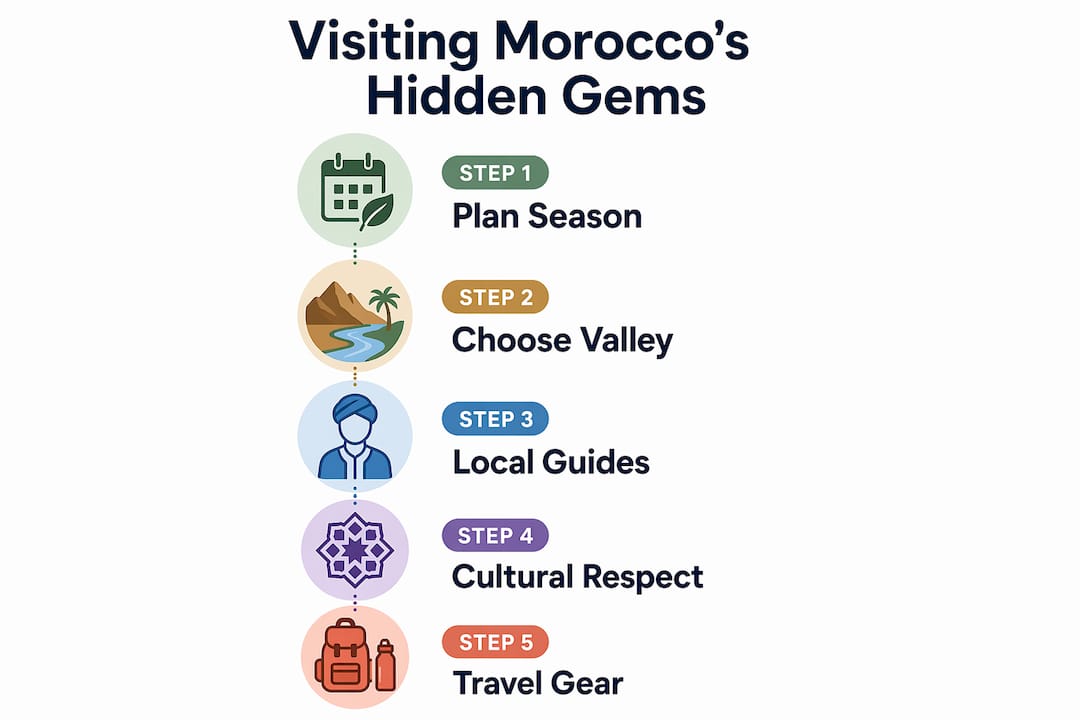
Morocco’s most rewarding travel experiences come from places that require planning, patience, and respect for local conditions rather than simply showing up.
| Point | Details |
|---|---|
| Time natural sites carefully | Visit Paradise Valley in spring when water levels are highest for the best swimming experience. |
| Prepare for altitude and access | Tajdirt and Aït Bouguemez require 4WD vehicles, acclimatization time, and advance guesthouse bookings. |
| Respect spiritual site rules | Sidi Chamharouch restricts shrine access to Muslims; visit on Thursdays for a peak cultural atmosphere. |
| Watch the Oriental region now | ONMT’s 50% airline capacity growth to Oujda and Nador makes the ideal year to visit before crowds arrive. |
| Stay in family guesthouses | Local guesthouses in Atlas villages deliver authentic food, genuine hospitality, and direct community support. |
What i’ve learned about finding morocco’s real hidden places
After years of helping travelers plan trips across Morocco at Topmoroccotravel, I’ve come to one firm conclusion: the places that matter most are the ones that push back a little. They require a 4WD, or a Thursday visit, or a willingness to sleep in a room with no Wi-Fi and eat whatever the family is cooking that night.
Most travelers arrive in Morocco with a list built from Instagram and travel blogs. Marrakech, the Sahara, Chefchaouen. All genuinely worth seeing. But the travelers who come back changed are almost always the ones who spent a night in Aït Bouguemez, or stood quietly at Sidi Chamharouch on a Thursday morning, or drove the Tizi n’Test road at dawn with no particular plan.
The practical lesson I keep sharing is this: hidden does not mean inaccessible. It means you need to do a bit more work than booking a riad in the medina. You need to check water levels before driving to Paradise Valley. You need to hire a local guide for Tajdirt rather than trusting a GPS signal that disappears on mountain roads. You need to dress appropriately before approaching a sacred site.
Sustainable travel to these places is not a slogan. It is the only way they stay worth visiting. When travelers spend money at family guesthouses, hire local guides, and follow cultural protocols, they contribute to the conditions that keep these places authentic. The moment a hidden gem becomes a branded experience with a parking lot and a souvenir stand, something irreplaceable is gone.
My honest advice: build your Morocco itinerary around one or two of these lesser-known places and let them anchor the whole trip. The Atlas Mountains travel experiences available through careful planning are genuinely unlike anything else in North Africa. Go before the crowds figure it out.
— Topmoroccotravel.com
Plan your morocco hidden gems trip with expert guidance
Reaching Morocco’s most rewarding secret spots requires more than a good map. Remote Atlas villages, high-altitude treks, and culturally sensitive spiritual sites all benefit from a guide who knows the terrain, speaks the language, and understands local protocols. Topmoroccotravel specializes in tailored tours across Morocco that go well beyond the standard city circuit. Whether you want to spend three days in Aït Bouguemez, combine Sidi Chamharouch with a Toubkal trek, or build a full itinerary around the Oriental region, the team builds custom packages around your pace and interests. Explore the full range of guided tour options to find the right fit for your Morocco adventure.
FAQ
What makes a destination a hidden gem in Morocco?
A hidden gem in Morocco is a location with authentic cultural or natural value that sees significantly fewer visitors than mainstream sites like Marrakech or Chefchaouen. These places are typically filtered out by access difficulty, altitude, or limited marketing rather than a lack of quality.
When is the best time to visit Paradise Valley?
The best time to visit Paradise Valley is March through May, when winter rainfall and snowmelt keep water levels high enough for swimming and cliff-jumping. Dry summer months often produce disappointingly low water flow due to ongoing drought conditions.
Can non-Muslims visit Sidi Chamharouch?
Non-Muslim travelers can visit the area around Sidi Chamharouch and observe the community, but the shrine interior is restricted to Muslim visitors. Thursday is the most active day and offers the richest cultural experience for respectful observers.
Is tajdirt accessible without a 4WD vehicle?
Tajdirt is not reliably accessible without a 4WD vehicle. The road is narrow, steep, and unpaved in sections. Experienced hikers can also reach the village on foot from Imlil, but the trek requires proper acclimatization given the elevation above 9,800 feet.
Why is the oriental region worth visiting?
ONMT has increased airline capacity to Oujda and Nador by 50% over three years, making the Oriental region far more accessible to international travelers. The region offers distinct landscapes, a strong Andalusian cultural heritage, and a travel atmosphere that feels genuinely undiscovered compared to Morocco’s western tourist corridor.


Comments are closed