




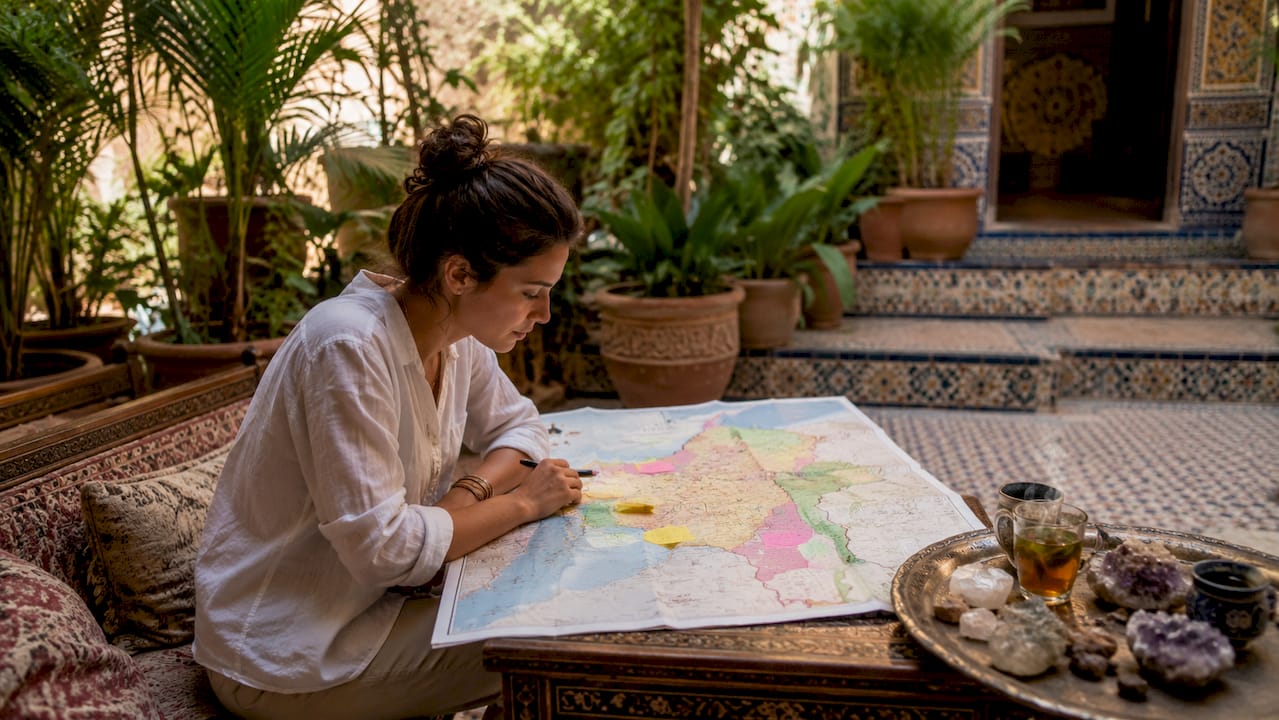
- Morocco’s best travel seasons are spring and autumn when temperatures are comfortable across most regions.
- Regional geography significantly influences the climate, with mountains, coast, and desert experiencing different seasonal patterns.
Morocco is defined by dramatic seasonal contrasts, where the difference between a perfect trip and a miserable one often comes down to timing. Spring and autumn deliver the most balanced conditions across the country, with daytime temperatures averaging 20–28°C in cities like Marrakech and Fes. But Morocco’s climate overview is more complex than a single best month. The Atlas Mountains, Atlantic coast, Sahara Desert, and imperial cities each follow their own seasonal rhythm. Understanding Morocco by season means understanding which region you are visiting and what you want to do when you get there.
What makes spring and autumn the best times to visit morocco?
Spring (march through may) and autumn (september through november) are the strongest travel windows for most visitors. Daytime temperatures stay in the 20–28°C range across major cities, making walking medinas, hiking trails, and desert excursions genuinely comfortable. That temperature window matters because Morocco’s inland summer heat regularly exceeds 40°C, which rules out many outdoor activities entirely.
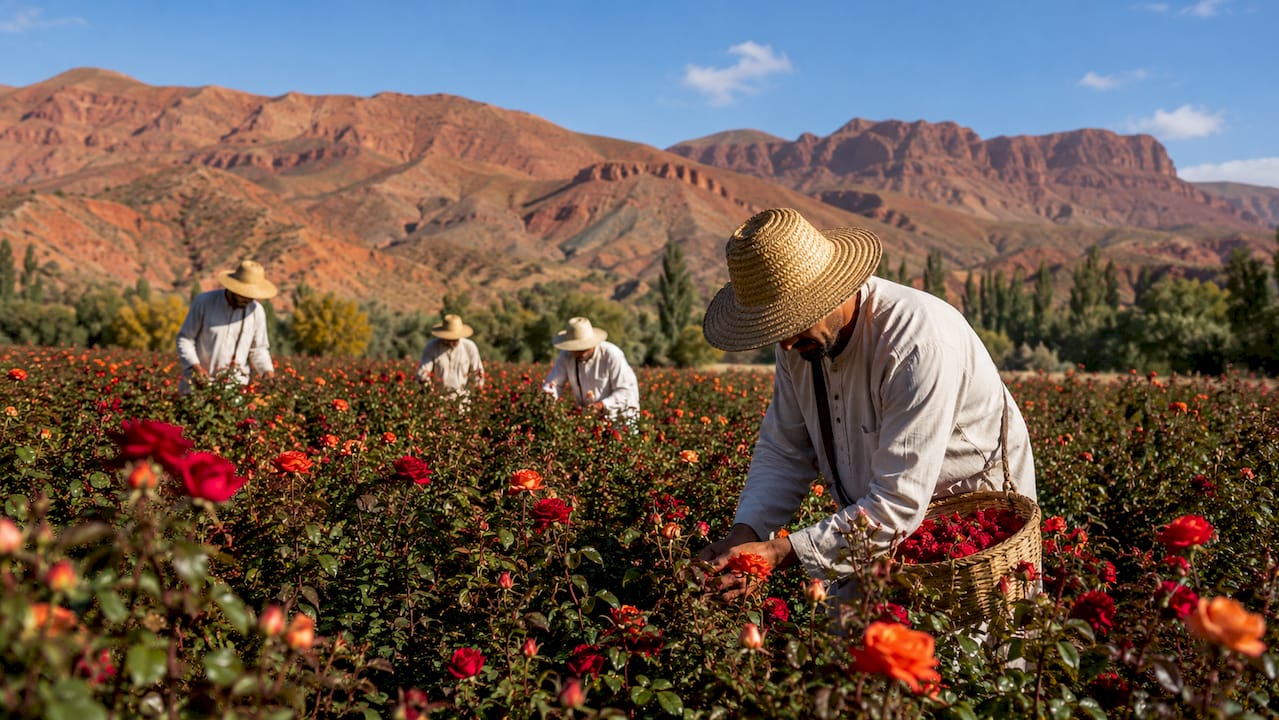
Spring adds a visual layer that no other season matches. Rose fields in Dades Valley bloom from march through may, and almond blossoms transform Tafraoute into a white and pink landscape as early as february. Photographers and hikers consistently rate this period as the most rewarding for scenery. Autumn returns similar temperatures and adds the golden light that makes the Sahara’s sand dunes glow at sunset. October in particular is a favorite among photographers for exactly that reason.
Demand is high during both windows. Marrakech hotel occupancy reaches up to 85% in peak spring months like april. That figure means quality riads and boutique hotels book out weeks in advance. If you are planning a spring trip, locking in accommodation two to three months ahead is not optional.
Pro Tip: Book your Marrakech or Fes riad before you book your flights. Accommodation fills faster than airfare during april and october, and the best properties go first.
Autumn also benefits from post-summer quiet in the medinas. Crowds thin out compared to spring, prices ease slightly, and the light in cities like Fes and Chefchaouen is exceptional for photography. Travelers who want the same weather as spring with fewer people consistently prefer october and november.
- March: Almond blossoms, warming temperatures, ideal for the south and Atlas foothills
- April: Peak spring conditions, rose fields beginning, highest hotel demand in Marrakech
- May: Rose Festival in Dades Valley, Eid al-Adha expected around May 27, 2026
- October: Photographer’s favorite month, golden desert light, moderate crowds
- November: Quieter medinas, cooler evenings, excellent value before winter rates drop further
How do summer and winter seasons differ across morocco’s regions?
Summer and winter are not bad times to visit Morocco. They are selective times to visit. The right experience depends entirely on where you go.
Summer: coast vs. inland
Inland Morocco in summer is genuinely extreme. Marrakech and desert areas regularly hit 45°C in july and august, making midday activity dangerous for most travelers. That heat is not just uncomfortable. It limits what you can realistically do and see. The Sahara in peak summer is best avoided entirely unless you are an experienced desert traveler with specific preparation.
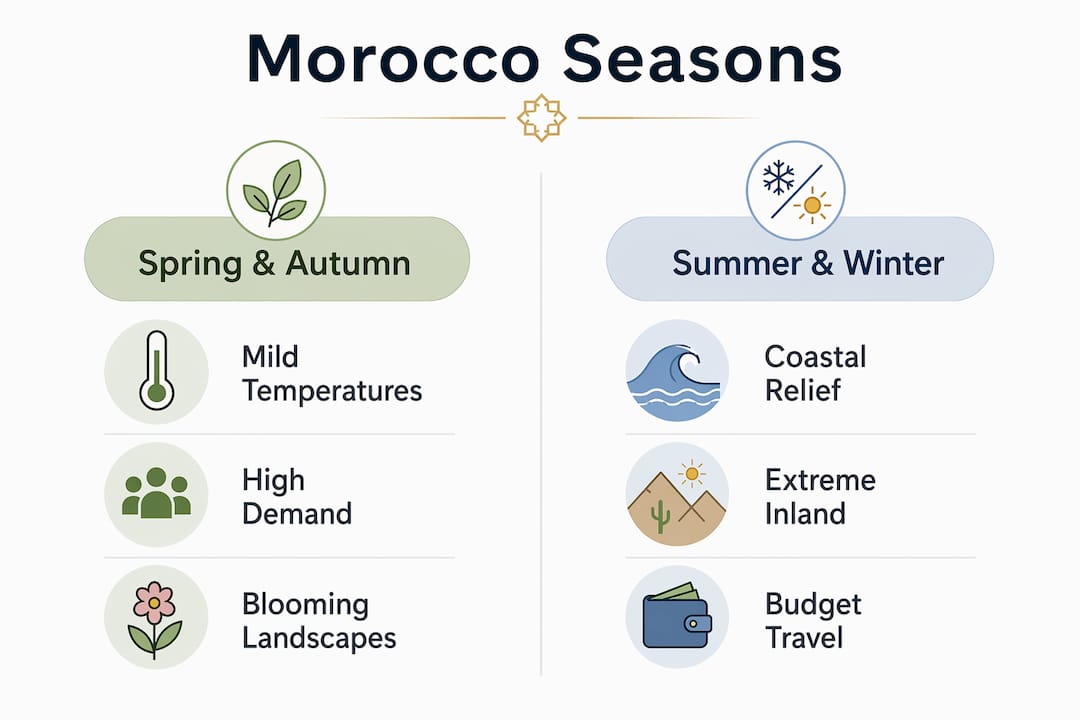
The Atlantic coast tells a completely different story. Essaouira and Agadir stay in the 24–28°C range even in peak august, cooled by consistent Atlantic breezes. Essaouira rarely passes 28°C. That makes the coast Morocco’s summer destination of choice. Surfing at Taghazout, beach days in Agadir, and the Gnaoua World Music Festival in Essaouira in june all work well in summer conditions. Explore the best Moroccan beaches if summer is your only option.
Winter: budget travel with real tradeoffs
Winter (december through february) is Morocco’s low season, and the pricing reflects it. Hotel rates drop 30–50% compared to peak spring months. That discount opens up luxury riads and high-end desert camps to travelers who would not normally budget for them. Crowds are thin, medinas are calm, and you get a more local version of cities like Fes and Marrakech.
The tradeoffs are real. Desert nights in winter drop below freezing, requiring thermal sleeping bags and layered gear that most travelers do not pack by default. The Atlas Mountains see genuine alpine conditions with snow above 2,000 meters. Oukaimeden ski resort near Marrakech actually operates a ski season in winter, which surprises most first-time visitors to Morocco.
| Season | Best Regions | Avoid | Key Activity |
|---|---|---|---|
| Spring | Marrakech, Fes, Dades Valley, Atlas | N/A | Hiking, medina walks, rose festival |
| Summer | Essaouira, Agadir, Taghazout | Marrakech, Sahara | Surfing, beach stays, Gnaoua Festival |
| Autumn | All regions, Sahara | N/A | Photography, desert trekking, Imilchil Festival |
| Winter | Sahara (daytime), Fes, ski resorts | High Atlas passes | Budget travel, Sahara camping, skiing |
Pro Tip: If you visit the Sahara in winter, pack a thermal sleeping bag rated to at least -5°C. Desert nights near Merzouga drop below freezing, and camp blankets alone are rarely enough.
How does regional geography shape morocco travel by season?
Morocco’s geography creates four distinct climate zones, and each one responds to the seasons differently. Travel experts consistently recommend building itineraries around destination regions rather than treating Morocco as a single climate. That advice is the most practical thing you can apply to your planning.
Atlas mountains
The High Atlas acts as a climate divider between the mild Atlantic-influenced north and the arid south. In winter, passes above 2,000 meters close due to snow, cutting off routes to the desert. In spring, those same passes open to reveal wildflower meadows and rushing snowmelt rivers. Summer in the Atlas is genuinely pleasant, with temperatures 10–15°C cooler than Marrakech below. The Atlas is one of the few Moroccan regions where summer hiking is comfortable.
Atlantic coast
The Atlantic coast runs from Tangier in the north to Agadir in the south, and it maintains moderate temperatures year-round. Summer is the coast’s strongest season, drawing Moroccan families and European beach travelers alike. Winter on the coast is mild compared to inland areas, rarely dropping below 12°C in Agadir. Essaouira’s wind makes it a world-class kitesurfing and windsurfing destination, particularly in spring and early summer when Atlantic winds are strongest.
Sahara desert
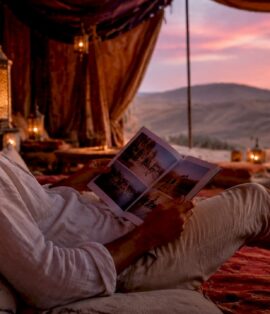
The Sahara is best visited in three windows: spring, autumn, and winter daytime hours. Summer is genuinely dangerous for extended desert stays. Spring and autumn offer the ideal combination of warm days and cool nights. Winter delivers the most dramatic experience, with cold clear nights, brilliant star visibility, and near-empty camps. The trade-off is the cold, which requires serious preparation.
- Spring: Warm days, cool nights, blooming desert plants after winter rains
- Autumn: Golden light, moderate temperatures, ideal for multi-day camel treks
- Winter: Sub-freezing nights, uncrowded camps, exceptional stargazing conditions
- Summer: Avoid extended stays; daytime temperatures exceed 45°C in Merzouga
Imperial cities
Marrakech, Fes, Casablanca, and Meknes follow a similar pattern: hot summers, mild winters, and excellent shoulder seasons. Summer in these cities concentrates activity in the early morning and evening hours. Winter brings cool, sometimes rainy days that are perfect for museum visits, hammam sessions, and long medina walks without the heat. The imperial cities tour format works well in spring and autumn when all-day outdoor exploration is comfortable.
What cultural festivals should you plan around?
Morocco’s seasonal festivals are among the most compelling reasons to time your trip carefully. The country’s cultural calendar runs year-round, and the right festival can transform a good trip into an unforgettable one.
Here are the key festivals organized by season:
- Almond Blossom Festival, Tafraoute (February): Celebrates the bloom of almond trees in the Anti-Atlas region. The visual spectacle is extraordinary, and the crowds are small.
- Rose Festival, Dades Valley (May): One of Morocco’s most photographed events. The valley fills with pink roses and local vendors sell rose water, rose oil, and rose-based products.
- Gnaoua World Music Festival, Essaouira (June): A four-day international music event drawing hundreds of thousands of visitors. Gnaoua music is a UNESCO-recognized tradition rooted in sub-Saharan African spiritual practice.
- Imilchil Marriage Festival, High Atlas (September): A centuries-old Berber tradition where Ait Haddidou tribe members gather for a marriage market and celebration. Few events offer this level of authentic cultural access.
- Date Festival, Erfoud (October): Celebrates the Sahara date harvest with music, camel races, and local crafts. Erfoud sits at the edge of the desert and combines well with a Merzouga excursion.
Pro Tip: The Gnaoua Festival in Essaouira is free to attend but hotel rooms within walking distance sell out six months in advance. Book accommodation in Marrakech and take a day trip, or plan well ahead.
Ramadan requires separate planning. The Islamic calendar shifts approximately 11 days earlier each year on the Gregorian calendar. In 2026, Ramadan falls in mid-february and Eid al-Adha is expected around May 27. During Ramadan, many restaurants close during daylight hours, medina shops adjust their hours, and the evening atmosphere in cities becomes uniquely festive after sunset. Visiting during Ramadan is not a problem. It is a different experience that rewards travelers who approach it with curiosity rather than frustration.
- Restaurants open after sunset for iftar, creating a communal dining atmosphere
- Medinas are quieter during the day and lively after dark
- Some tourist services operate on reduced hours
- Alcohol service in tourist-facing establishments continues but is less visible
Key takeaways
Morocco’s seasonal diversity means the best trip depends on where you go and when, with spring and autumn offering the most universally strong conditions across all regions.
| Point | Details |
|---|---|
| Spring and autumn lead | Temperatures of 20–28°C in Marrakech and Fes make these the strongest seasons for most travelers. |
| Book spring early | Marrakech hotel occupancy hits 85% in april, so secure accommodation two to three months ahead. |
| Coast beats inland in summer | Essaouira and Agadir stay at 24–28°C while inland cities exceed 40°C in july and august. |
| Winter rewards budget travelers | Hotel rates drop 30–50% in winter, but desert nights require cold-weather gear below freezing. |
| Festivals define the calendar | The Rose Festival, Gnaoua Festival, and Imilchil Festival each offer distinct cultural access tied to specific months. |
The seasonal truth most morocco guides won’t tell you
Most Morocco travel content treats the country as one destination with one best season. That framing is wrong, and it leads to bad trips. I have seen travelers book Marrakech in august expecting a medina experience and spend three days hiding from 42°C heat in their riad. I have also seen winter visitors arrive at Merzouga with a light jacket and spend a miserable night in a desert camp.
The real insight is this: Morocco rewards travelers who think in regions, not countries. Spring in Fes is extraordinary. Spring in the Sahara is also extraordinary. But summer in Fes is punishing, while summer on the Atlantic coast is genuinely excellent. These are not the same destination in the same season.
My strongest recommendation is to build your itinerary around one or two anchor experiences and then select the season that serves those experiences best. If the Sahara is your priority, choose autumn or winter with proper gear. If you want the medinas at their most photogenic and energetic, choose april or october. If budget matters most and you can handle cold evenings, january and february in Fes or Marrakech offer extraordinary value with almost no crowds.
The travelers who get the most out of Morocco are the ones who treat the Morocco itinerary as a regional puzzle, not a single destination checklist. Build in flexibility. Check the Islamic calendar for the year you are traveling. And never assume that what works in one city works in another city three hours away.
— Topmoroccotravel
Plan your morocco trip around the right season
Topmoroccotravel designs tours specifically around Morocco’s seasonal conditions, so you are never fighting the weather or missing the best experiences. Whether you want a spring desert excursion through Merzouga, a coastal retreat in Essaouira during summer, or a winter city tour through Fes and Marrakech at reduced rates, every itinerary is built to match the season. Explore the full range of city tour options and seasonal packages to find the right fit for your travel dates. Spring fills fast, so early booking is strongly recommended for april and may departures.
FAQ
What is the best time to visit morocco overall?
Spring (march through may) and autumn (september through november) are the best overall windows, with temperatures averaging 20–28°C across major cities and the widest range of activities available.
Is morocco worth visiting in winter?
Yes, especially for budget travelers and Sahara visitors. Hotel rates drop 30–50% in winter, crowds are minimal, and desert camps are uncrowded. Pack cold-weather gear for desert nights that drop below freezing.
Which moroccan region is best for summer travel?
The Atlantic coast, including Essaouira and Agadir, is the strongest summer destination. Coastal temperatures stay at 24–28°C due to Atlantic breezes, while inland cities like Marrakech regularly exceed 40°C.
How does ramadan affect travel in morocco?
Ramadan shifts approximately 11 days earlier each year. In 2026, it falls in mid-february. Daytime restaurant hours are reduced, but evenings become festive and culturally rich. Tourist services continue operating throughout.
When should i book accommodation for a spring morocco trip?
Book two to three months in advance for april travel. Marrakech hotel occupancy reaches 85% in peak spring months, and quality riads sell out well before flights become a concern.


Comments are closed