




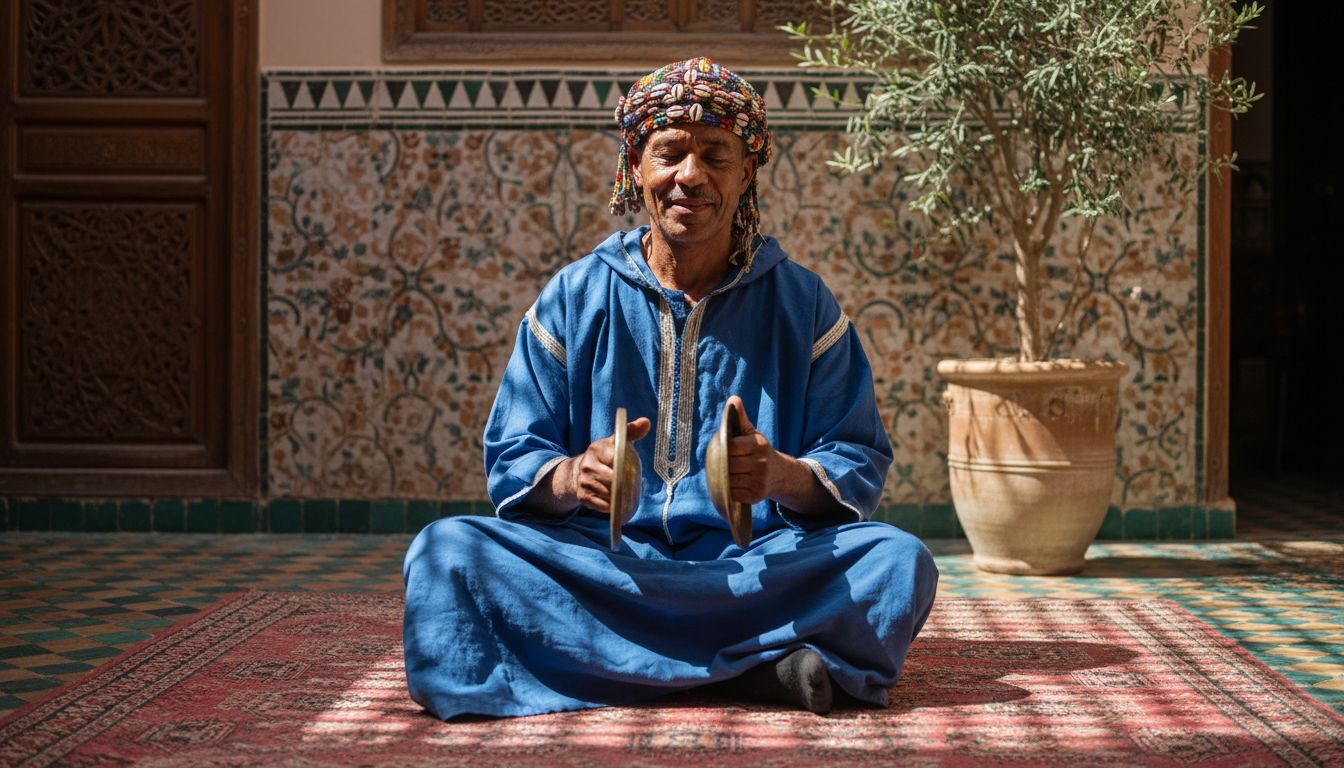
Travelers often search for deeper cultural connections when exploring Morocco, and traditional music offers an unexpected key. Studies show over 80 percent of visitors who experience authentic Moroccan music feel a stronger bond with local communities. By tuning into these vibrant sounds, cultural travelers can unlock stories, rhythms, and regional styles sure to elevate any holiday itinerary with memories far beyond ordinary sightseeing.
Table of Contents
- What Makes Moroccan Music Unique
- Major Genres and Regional Styles Explained
- Traditional Instruments and Performance Settings
- Emotional and Cultural Benefits for Travelers
- How to Experience Music in Morocco
- Popular Festivals and Insider Tips
Key Takeaways
| Point | Details |
|---|---|
| Diverse Musical Fusion | Moroccan music is a blend of Arab, Berber, and African influences, creating a unique and contemporary sound. |
| Rich Regional Variations | Each geographical area in Morocco contributes distinct musical genres and instruments that reflect local culture. |
| Emotional Cultural Immersion | Engaging with Moroccan music allows travelers to connect deeply with the country’s history and social narratives. |
| Active Participation in Festivals | Attending local music festivals offers authentic experiences and insights into Morocco’s vibrant musical traditions. |
What Makes Moroccan Music Unique
Moroccan music transcends simple musical performance, representing a profound cultural narrative that captures centuries of historical interactions and emotional landscapes. Ethnomusicological research reveals how this musical tradition embodies an extraordinary fusion of diverse cultural influences, creating a sound that is simultaneously ancient and contemporary.
The distinctive character of Moroccan music emerges from its remarkable geographical and social diversity. Unlike monolithic musical traditions, Moroccan music integrates Arab, Berber, Andalusi, Mediterranean, Saharan, and West African musical elements, producing a rich sonic tapestry that reflects the country’s complex historical migrations and cultural exchanges. Regional styles vary dramatically, with each geographical area contributing unique instrumental techniques, rhythmic patterns, and vocal expressions that tell stories of local communities.
What truly distinguishes Moroccan music is its ability to blend traditional sounds with modern genres. Musicians seamlessly incorporate blues, rock, reggae, and rap into classical Moroccan musical frameworks, creating innovative soundscapes that resonate with younger generations while preserving historical musical DNA. This dynamic approach ensures that Moroccan music remains a living, evolving art form rather than a static museum piece.
Pro Tip: When exploring Moroccan music, listen for the intricate rhythmic variations and pay attention to how traditional instruments like the oud and derbouka interact with contemporary musical styles.
Major Genres and Regional Styles Explained
Moroccan music comprises an intricate mosaic of genres that reflect the nation’s profound cultural complexity. Morocco’s musical landscape reveals a stunning array of musical traditions ranging from urban popular styles to deeply spiritual tribal expressions, each representing a unique cultural narrative.
The musical genres can be broadly categorized into several distinctive styles. Chaabi represents urban popular music, characterized by its accessibility and street-level energy. Gnawa music emerges from spiritual Sufi traditions, featuring hypnotic rhythms and trance-like performances that connect deeply with mystical Islamic practices. Andalusi classical music represents a sophisticated genre rooted in medieval Spanish-Arabic musical traditions, showcasing intricate instrumental techniques and refined vocal performances that speak to Morocco’s rich historical connections.
Regional variations add extraordinary depth to Moroccan musical expression. Berber musical styles like Ahwash and Ahidus originate from mountain and rural communities, featuring communal performance practices that emphasize collective rhythm and storytelling. These styles often incorporate traditional instruments like hand drums, stringed instruments, and complex vocal techniques that communicate local histories and social dynamics. Coastal and desert regions similarly develop unique musical dialects, with Reggada from the eastern regions presenting a distinctly different sound compared to the more metropolitan Chaabi styles.
Pro Tip: When exploring Moroccan musical genres, attend local festivals or seek out live performances to experience the authentic regional variations and understand the cultural context behind each musical style.
Here’s a summary of major Moroccan musical genres and their defining features:
| Genre | Main Influences | Typical Instruments | Artistic Focus |
|---|---|---|---|
| Chaabi | Urban, Arab, Berber | Bendir, violin | Social gatherings, festivals |
| Gnawa | West African, Sufi | Guembri, qraqeb | Spiritual, trance, healing |
| Andalusi Classical | Medieval Hispanic | Oud, violin, rebab | Sophisticated, poetic themes |
| Ahwash / Ahidus | Berber (Amazigh) | Hand drums, voice | Communal, storytelling |
| Reggada | Eastern Moroccan | Tamja, bender, flute | Dance, celebration, rituals |
Traditional Instruments and Performance Settings
Moroccan musical traditions are deeply rooted in an extraordinary array of traditional instruments and performance contexts that capture the nation’s rich cultural heritage. Each instrument carries a unique story, reflecting the intricate social and historical landscapes from which they emerge.
The instrumental palette of Moroccan music is remarkably diverse. The rabab, a one-stringed fiddle, produces haunting melodies that evoke desert landscapes and nomadic histories. The guembri, a three-string bass lute, serves as a cornerstone of Gnawa musical traditions, producing deep, resonant sounds that connect spiritual practices with musical expression. Bendir, a traditional frame drum, provides rhythmic foundations across multiple genres, while qraqeb (metal castanets) create intricate percussive textures that animate ceremonial and folk performances.
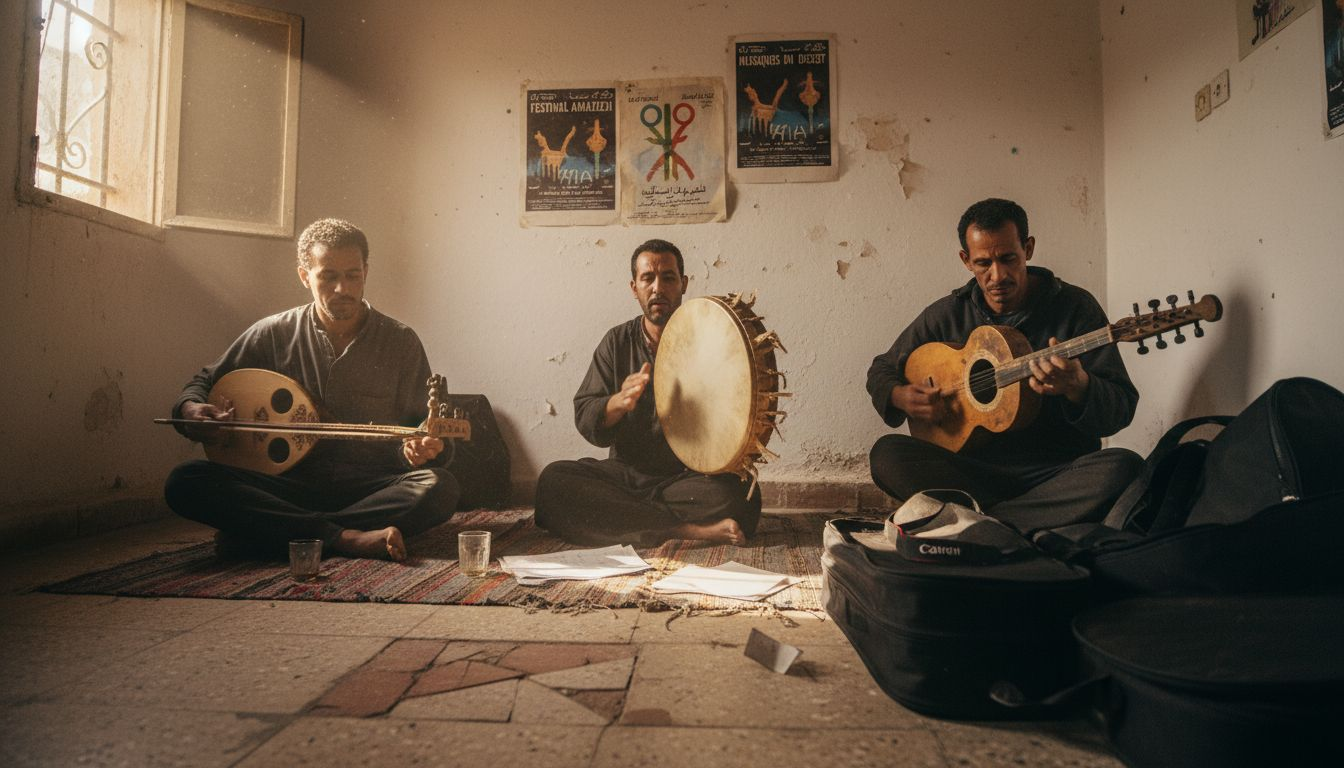
Performance settings in Moroccan music are equally complex and meaningful. Village communal events transform into vibrant musical celebrations where instruments, vocals, and dance intertwine to tell collective stories. Ritual ceremonies, particularly those associated with Sufi and Berber traditions, use music as a profound medium of spiritual communication. Professional musical groups blend poetry, singing, and instrumental performances, creating immersive experiences that transcend simple entertainment and become powerful cultural narratives.
Pro Tip: When attending Moroccan musical performances, pay close attention to how musicians interact with each other and their instruments, as the communication between performers is often as important as the music itself.
The following table compares key traditional Moroccan instruments and where they’re most prominent:
| Instrument | Sound Character | Main Genres |
|---|---|---|
| Rabab | Haunting, melodic | Andalusi, spiritual music |
| Guembri | Deep, resonant | Gnawa, trance ceremonies |
| Bendir | Rhythmic, earthy | Chaabi, regional folk |
| Qraqeb | Metallic, percussive | Gnawa, festive music |
| Oud | Warm, expressive | Andalusi, fusion styles |
Emotional and Cultural Benefits for Travelers
Moroccan music offers travelers a transformative experience that goes far beyond typical tourist interactions. Cultural immersion through musical traditions provides a profound window into the complex emotional landscape of Morocco, allowing visitors to connect deeply with the country’s rich historical and social narratives.
The emotional journey begins with understanding the multilayered cultural influences that shape Moroccan music. Unlike superficial tourism experiences, musical encounters enable travelers to explore the intricate blend of Arab, Berber, Andalusi, Mediterranean, and African cultural threads. Each musical performance becomes a living narrative, revealing generations of human experience, social dynamics, and spiritual connections that transcend verbal communication. Travelers find themselves emotionally transported, experiencing a sense of connection that traditional sightseeing cannot provide.
Moreover, the unique phenomenon of cultural timelessness emerges powerfully through musical experiences. When listening to traditional performances, travelers encounter a dimension of experience that suspends modern temporal constraints, creating a profound sense of being simultaneously connected to historical roots and present moments. This emotional resonance facilitates deep cross-cultural understanding, breaking down preconceived notions and fostering genuine empathy. Music becomes a universal language that communicates complex emotional landscapes, allowing travelers to understand Morocco’s cultural nuances in ways no museum or guided tour could replicate.
Pro Tip: Attend live musical performances in smaller, local venues rather than tourist-oriented spaces to experience the most authentic emotional and cultural connections.
How to Experience Music in Morocco
Experiencing authentic Moroccan music requires a strategic approach that goes beyond typical tourist activities. Music engagement initiatives offer travelers multiple pathways to connect with Morocco’s rich musical traditions, from urban performances to community festivals that showcase the country’s vibrant cultural landscape.
Travelers can immerse themselves in Moroccan musical experiences through several carefully curated approaches. Urban squares in cities like Marrakech and Fez provide spontaneous opportunities to encounter street musicians performing traditional styles. Music festivals, such as the Essaouira Gnawa World Music Festival, offer structured environments where both contemporary and traditional genres converge. Cultural centers and heritage institutions in major cities also host curated performances that provide deep insights into the historical and social contexts of Moroccan musical traditions.
Field recordings and live performance experiences represent another powerful method of musical exploration. Travelers can seek out intimate venues featuring traditional Berber, Gnawa, and Andalusian musical styles, allowing for a more nuanced understanding of regional variations. Contemporary fusion concerts also provide fascinating opportunities to witness how traditional musical forms evolve and interact with global musical influences, creating dynamic and innovative soundscapes that reflect Morocco’s complex cultural identity.
Pro Tip: Consider hiring a local musical guide who can provide contextual insights and help you navigate the most authentic musical experiences across different regions of Morocco.
Popular Festivals and Insider Tips
Morocco’s festival landscape offers travelers an extraordinary gateway into the nation’s rich musical and cultural traditions. Cultural festivals across the country showcase a diverse array of musical experiences that range from ancient traditional celebrations to contemporary artistic expressions, providing immersive opportunities for cultural exploration.
The musical festival calendar is particularly vibrant, featuring world-renowned events that attract international audiences. The Fes Festival of World Sacred Music stands out as a premier event, bringing together musicians from diverse global traditions in a profound celebration of spiritual musical expressions. Other significant festivals include the Essaouira Gnawa World Music Festival, which highlights traditional Gnawa musical styles, and regional celebrations like the Yennayer Amazigh New Year that offer deep insights into Morocco’s indigenous musical heritage.
Moroccan festivals span an impressive range of cultural experiences, from sacred music celebrations to film events and regional cultural commemorations. The International Nomads Festival provides unique opportunities to explore musical traditions of desert communities, while the Asilah Arts Festival offers a contemporary artistic perspective on Moroccan musical innovation. Travelers should strategically plan their visits to align with these festivals, as each event offers a distinct window into the country’s complex musical landscape, revealing layers of cultural expression that extend far beyond typical tourist experiences.
Pro Tip: Purchase festival tickets in advance and consider hiring a local guide who can provide cultural context and help you navigate the most authentic musical experiences during these vibrant celebrations.
Discover the Soul of Morocco Through Its Music
Moroccan music is more than sound. It is a deep emotional journey rooted in diverse cultural traditions that can transform your travel experience. If you seek to move beyond typical sightseeing and connect with the authentic heart of Morocco, understanding genres like Gnawa, Chaabi, and Andalusi classical music is essential. These musical styles reveal stories of history, spirituality, and community that can only be truly felt live and up close.
At Top Morocco Travel, we recognize how vital immersive cultural experiences are to meaningful travel. Our expert team crafts personalized tours that include live music performances in intimate settings, access to traditional festivals, and encounters with local musicians across cities and regions. Whether you want to explore the mystical sounds of a desert Gnawa ceremony or join vibrant urban celebrations, we help you plan your perfect Moroccan music journey. Start your adventure today and experience the unforgettable emotional and cultural impact of Moroccan music by visiting Top Morocco Travel to book your customized cultural immersion tour now.
Frequently Asked Questions
What makes Moroccan music culturally significant?
Moroccan music reflects the intricate blend of Arab, Berber, Andalusi, Mediterranean, and African influences, showcasing the country’s rich historical narratives and social dynamics.
How can experiencing Moroccan music enhance my travel experience?
Experiencing Moroccan music allows travelers to connect emotionally with local cultures, offering deeper insights into the historical and social narratives of the region, which traditional sightseeing cannot provide.
What are some common instruments used in Moroccan music?
Traditional Moroccan instruments include the rabab, guembri, bendir, and qraqeb, each contributing unique sounds and cultural significance to various musical genres.
How do I find authentic Moroccan music performances during my visit?
Seek out local festivals, cultural centers, and intimate venues to experience authentic Moroccan music instead of tourist-oriented spaces, often providing an immersive cultural experience.
Recommended
- Morocco Holidays: Offer Adventure Culture And Luxury Tours
- Best Places to See in Morocco: Top Destinations
- Morocco Travel Itinerary: Your Guide to an Unforgettable Adventure – Top Morocco Travel
- 7 Best Morocco Destinations for an Unforgettable Trip


Comments are closed