




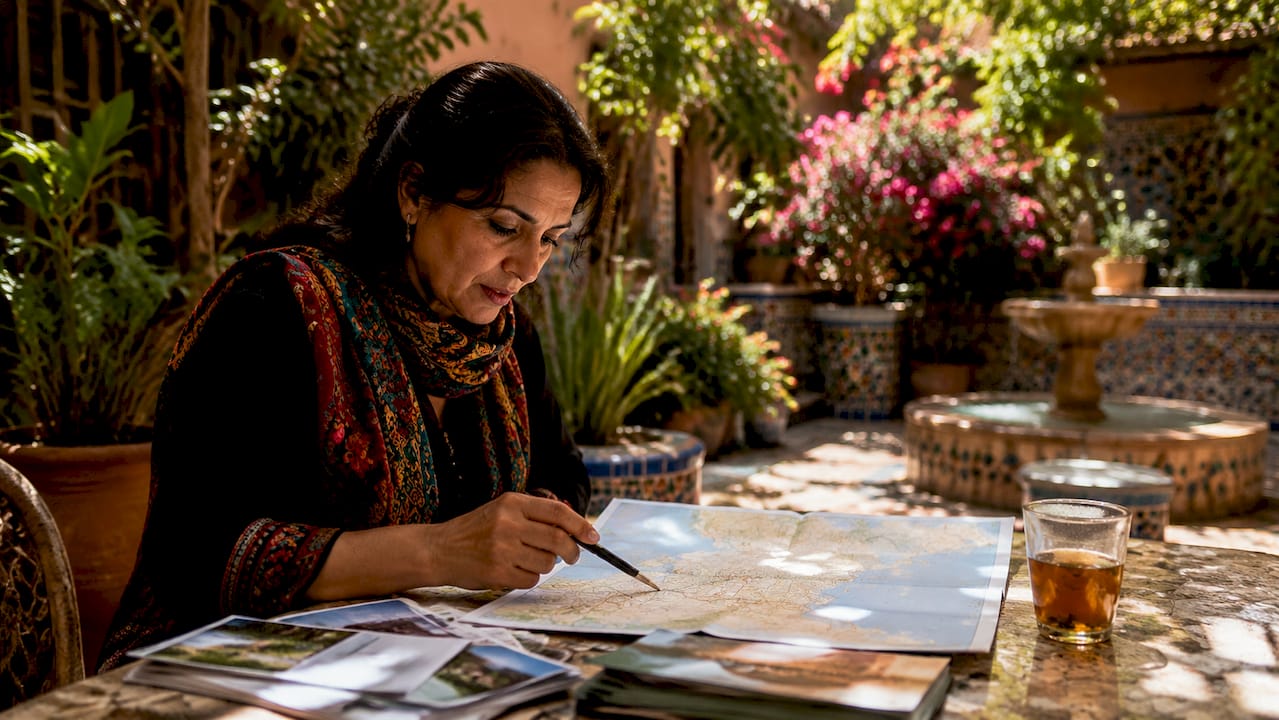
- Responsible travel in Morocco emphasizes locally owned accommodations, community engagement, and eco-friendly practices.
- Travelers should conserve water, reduce plastic waste, and choose low-impact transport options to support sustainable tourism.
- Asking questions about operator practices helps ensure tourism benefits local communities and preserves cultural and natural resources.
Morocco sustainable travel experiences are immersive journeys that combine eco-friendly tourism with authentic cultural engagement and direct community support. The country’s national tourism strategy prioritizes rural ecotourism, climate-resilient coastal tourism, and community-based hospitality as its three core pillars. That policy direction makes Morocco one of the most deliberate sustainable tourism destinations in Africa. Responsible travel here, known in the industry as regenerative tourism, goes beyond recycling and carbon offsets. It means choosing locally owned riads in Marrakech, booking small-group treks in the Atlas Mountains, and spending your money where it rebuilds communities rather than drains them.
What are the key sustainable tourism practices in Morocco?
Responsible travel in Morocco produces measurable outcomes, including more local revenue, lower ecosystem impact, and preserved cultural heritage. These outcomes depend on specific choices you make before and during your trip.
Water conservation
Water scarcity is Morocco’s most urgent environmental pressure. Declining water availability could cause a 6.5% decrease in GDP, which means every liter you save has real economic weight. Shortening your shower from 10 minutes to 5 minutes cuts water use by more than 50 liters per session. In desert regions like Merzouga and Zagora, that discipline is not optional. It is the baseline expectation of a responsible guest.
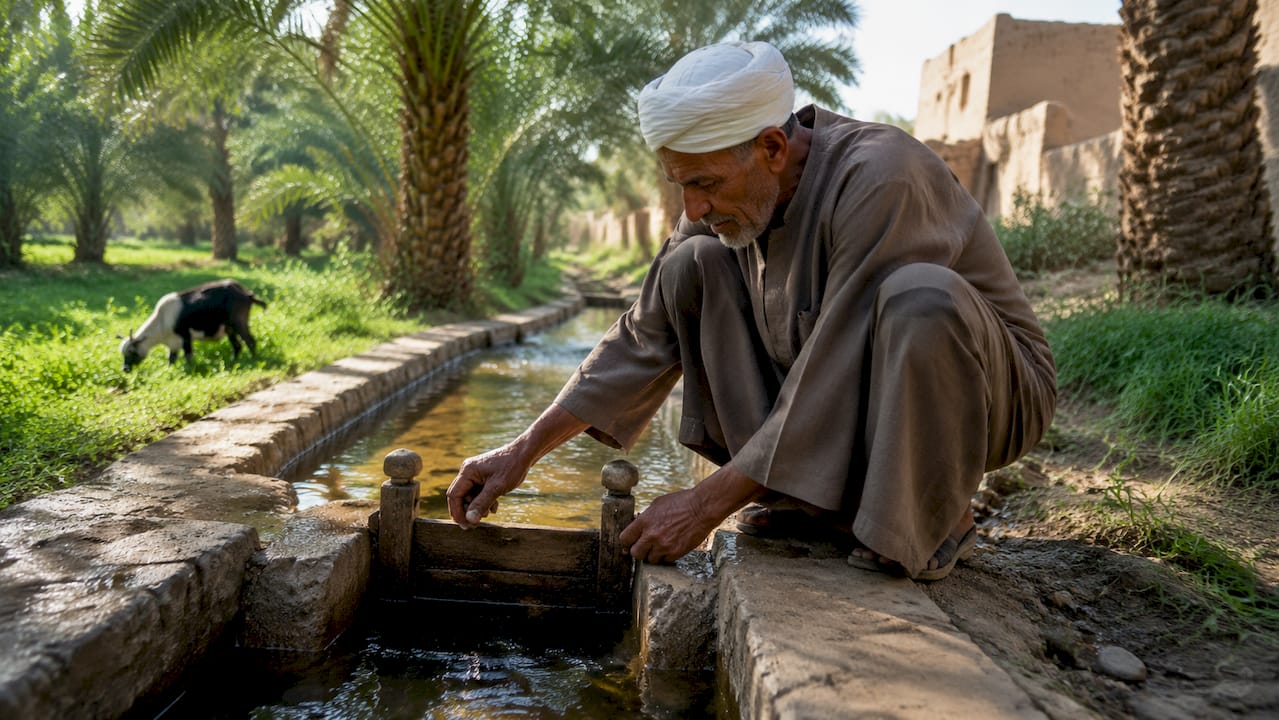
Pro Tip: Ask your accommodation whether it uses a greywater recycling system. Properties that do are actively reducing their draw on local aquifers, and your question signals to management that guests care.
Plastic waste reduction
Tap water in major Moroccan cities is generally safe to drink. Plastic waste is the bigger problem, driven by limited landfill infrastructure across the country. Carry a reusable filtration bottle such as a LifeStraw or GRAYL GeoPress. That single item eliminates dozens of single-use plastic bottles over a two-week trip. Buying bottled water at every stop is the fastest way to undermine your sustainability intentions.
Sustainable transport and accommodation choices
- Train travel: Morocco’s ONCF rail network connects Casablanca, Rabat, Fez, and Marrakech efficiently. Trains produce a fraction of the carbon output of domestic flights or private car hire.
- Small-group tours: Groups of 8 or fewer travelers distribute environmental impact across fewer vehicles and create more direct economic contact with local guides.
- Locally owned riads and dars: Traditional riads and dars with local ownership direct tourism spending to resident communities and preserve architectural heritage. Booking through a large international hotel chain does neither.
- Artisan purchases: Buy directly from craftspeople in souks rather than from resellers. The medinas of Fez and Marrakech have cooperatives where artisans sell their own work at fair prices.
How to engage authentically with Moroccan culture
Authentic cultural engagement requires travelers to be respectful guests, not passive observers. That distinction sustains economic opportunities and cultural continuity for local communities. Showing up at a Berber village with a camera and no context is not cultural immersion. It is extraction.
Practices that build genuine connection
- Participate in hammam rituals: A traditional hammam visit, especially in a neighborhood bathhouse rather than a hotel spa, puts money directly into local hands and gives you an unscripted window into daily Moroccan life.
- Share a Berber meal: Kasbah du Toubkal in the Atlas Mountains offers guests immersive Berber meals that support economic continuity for local artisans and families. That model works because the food is sourced locally and the cooks are community members.
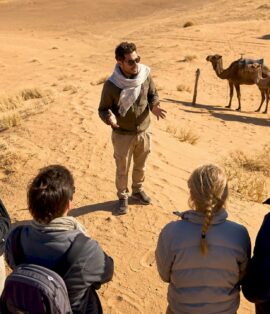
- Hire local guides: A guide from the village or medina you are visiting knows the history, speaks the language, and keeps your spending in the local economy. National guides certified by Morocco’s Ministry of Tourism carry official credentials.
- Visit village cooperatives: Women’s argan oil cooperatives in the Souss-Massa region and carpet weaving collectives near Azilal offer direct access to craftspeople. Purchases at these cooperatives fund education and healthcare for members’ families.
- Learn basic Darija phrases: Greeting people in Moroccan Arabic signals respect. “Salam alaikum” and “shukran” open doors that English alone never will.
Cultural sensitivity also means dressing modestly in medinas and religious sites, asking permission before photographing people, and not bargaining so aggressively that you strip the profit margin from a small vendor. The goal is a fair exchange, not the lowest possible price.
Eco-friendly tours vs. accommodation options: what to choose
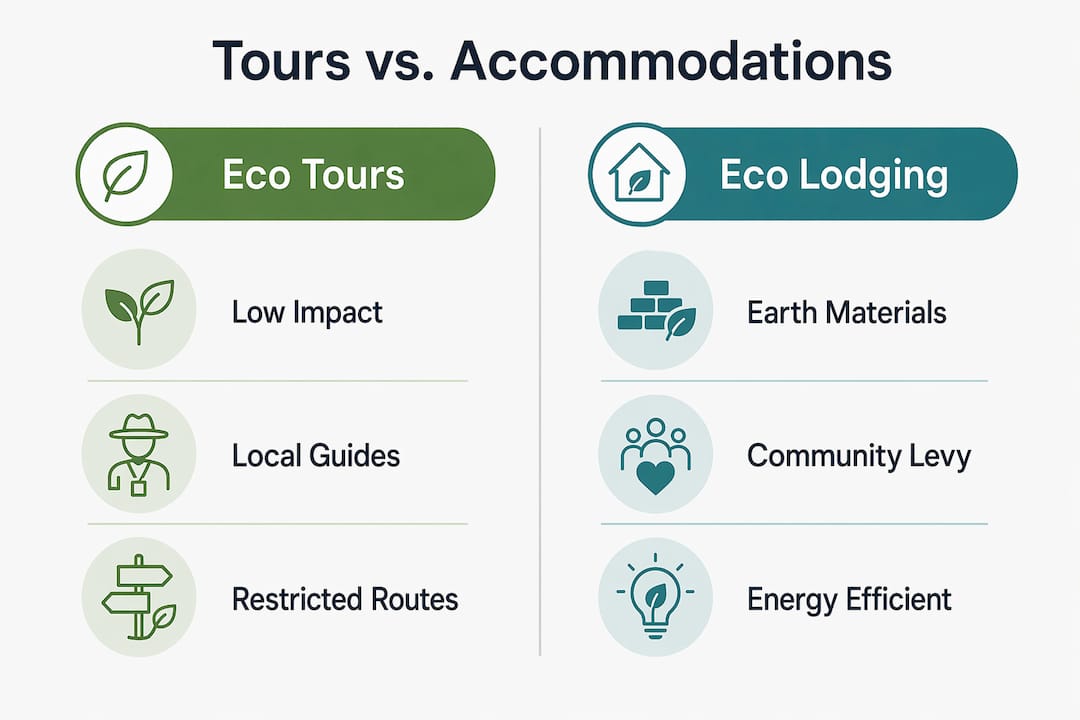
Choosing between accommodation and tour types is where sustainable intentions either hold or collapse. The table below compares the main options on impact, cultural value, and community benefit.
| Option | Environmental impact | Cultural value | Community benefit |
|---|---|---|---|
| Locally owned riad | Low (traditional materials, small scale) | High (authentic architecture, local staff) | High (revenue stays local) |
| International chain hotel | Medium to high (high water and energy use) | Low (standardized experience) | Low (profits leave Morocco) |
| Eco-lodge (e.g., Atlas Mountains) | Low (earth and stone construction) | High (location-specific design) | Medium to high (depends on ownership) |
| Fixed-track desert camp | Low (established piste routes) | High (Saharan culture, stargazing) | Medium (varies by operator) |
| Off-road 4×4 desert tour | High (dune and wildlife damage) | Low (speed over experience) | Low (often externally owned) |
| Small-group cultural hike | Very low | Very high (village contact) | High (guide fees stay local) |
Accommodations built with traditional earth and stone materials improve thermal efficiency and reduce energy demand. That is not a marketing claim. It is physics. Thick earthen walls keep interiors cool without air conditioning, which cuts electricity use significantly in summer months.
The community levy model is the clearest measure of a property’s actual commitment. Kasbah du Toubkal charges a 5% levy on guest stays that funds local infrastructure projects, including ambulance services and waste removal. That model is replicable and verifiable. Ask any prospective accommodation whether it operates a similar program before you book.
Responsible desert operators restrict 4×4 vehicles to established pistes to protect fragile dune ecosystems in the Sahara. Off-piste driving causes permanent damage to dunes and displaces wildlife. When you book a desert tour, ask the operator directly whether their drivers follow fixed routes. A credible operator will answer without hesitation.
What are the main challenges in sustainable travel in Morocco?
Sustainable travel in Morocco faces real obstacles. Knowing them in advance lets you plan around them rather than abandon your principles mid-trip.
-
Water access in arid regions. The Sahara and pre-Saharan zones have almost no margin for water waste. Carry your own supply, take short showers, and skip the long baths that some desert camps offer as a luxury feature. The indulgence costs the region more than it costs you.
-
Plastic waste infrastructure. Morocco’s landfill capacity is limited outside major cities. Reusable filtration bottles solve the drinking water problem, but you also need to manage packaging waste from food purchases. Bring a small reusable bag and refuse plastic bags at market stalls.
-
Verifying operator sustainability claims. Greenwashing is common in Moroccan tourism marketing. Ask operators for specific evidence: community levy amounts, guide certification, vehicle route restrictions, and waste management policies. Vague language like “eco-friendly” without specifics is a warning sign.
-
Seasonal pressure on resources. Peak season from December through February and in July and August concentrates thousands of visitors in fragile medinas and desert zones. Shoulder-season travel from March through May or September through November reduces resource pressure and delivers a better visitor experience with lower crowd density.
-
Off-road vehicle damage. This is the single most destructive behavior in Moroccan desert tourism. Drivers who leave established pistes for dramatic photo opportunities cause irreversible dune erosion. Book only with operators who explicitly prohibit off-piste driving.
Pro Tip: Before booking any desert tour, search the operator’s name alongside “piste” or “off-road policy” in online travel forums. Travelers who have been burned by greenwashing operators post detailed warnings on platforms like TripAdvisor and Lonely Planet’s Thorn Tree forum.
How can travelers maximize their positive impact in Morocco?
Maximizing your positive impact is a mindset, not a checklist. The travelers who do it best treat every spending decision as a vote for the kind of tourism Morocco should have.
- Prioritize locally owned accommodation. A family-run riad in Fez’s medina keeps your money in the neighborhood. A branded resort in the new city sends it abroad. The difference in cultural experience is also significant.
- Participate in community projects. Some tour operators, including those operating in the High Atlas, offer optional contributions to local infrastructure funds. Kasbah du Toubkal’s model, which funds girls’ education in remote mountain villages through NGOs like Education For All, shows what tourism levies can accomplish at scale.
- Reduce your carbon footprint on the ground. Use the ONCF train network between cities. Walk medinas rather than hiring taxis for short distances. Join small-group cultural hikes in the Atlas Mountains rather than private vehicle tours.
- Practice cultural humility. Dress modestly, ask before photographing, and accept hospitality graciously. These behaviors cost nothing and signal that you see Moroccan people as hosts, not as backdrop.
- Leave no trace in natural sites. The Sahara, the Todra Gorge, and the Draa Valley are not theme parks. Pack out everything you bring in. Stay on marked paths. Do not remove rocks, plants, or artifacts.
The Moroccan village experience is one of the most underused resources in responsible tourism. Rural communities in the Draa Valley and the Rif Mountains offer homestays, cooking lessons, and agricultural tours that generate income without requiring large infrastructure investment.
Key Takeaways
Responsible travel in Morocco delivers the strongest cultural and environmental outcomes when travelers choose locally owned accommodation, verified low-impact operators, and shoulder-season timing.
| Point | Details |
|---|---|
| Water conservation is non-negotiable | Cutting shower time by 5 minutes saves over 50 liters per use in a water-scarce country. |
| Local ownership drives community benefit | Riads and dars with local ownership keep tourism revenue inside resident communities. |
| Community levies outperform eco-labels | A verified 5% guest levy, like Kasbah du Toubkal’s model, funds real infrastructure. |
| Shoulder-season travel reduces pressure | Traveling in March–May or September–November lowers resource strain and crowd impact. |
| Fixed-piste desert tours protect ecosystems | Operators who restrict 4x4s to established routes prevent permanent dune damage. |
What sustainable travel in Morocco taught me about showing up right
I have spent years working with travelers across Morocco, and the pattern I see most often is good intentions colliding with poor preparation. People arrive wanting to do right by the country and end up booking the cheapest desert tour, staying in a chain hotel because the Wi-Fi was listed as reliable, and buying souvenirs from a reseller who has never met the artisan who made them.
The travelers who get it right share one trait. They ask questions before they spend money. They ask the riad owner whether the staff are local. They ask the desert operator whether drivers stay on established pistes. They ask the souk vendor whether they made the item themselves. Those three questions, asked consistently, redirect a meaningful amount of tourism spending toward the people who need it most.
What surprised me most about Morocco’s sustainable tourism scene is how much the best operators have rebuilt after the 2023 earthquake. Kasbah du Toubkal’s recovery was not just physical reconstruction. It was a demonstration that impact-minded hospitality can anchor a community through a crisis. The property’s community levy kept local services running when external support was slow to arrive. That is the real argument for sustainable tourism. It builds resilience, not just Instagram content.
The uncomfortable truth is that most travelers underestimate how much their individual choices matter. Morocco’s water crisis is not abstract. A 6.5% GDP loss from water scarcity is a number that translates into schools not built, clinics not staffed, and families not fed. Your five-minute shower is not a sacrifice. It is a minimum standard of respect for the place you chose to visit.
— TopMoroccoTravel.com
Plan your responsible Morocco trip with TopMoroccoTravel.com.
Topmoroccotravel.com designs tours that put sustainable principles into practice from the first day to the last. Every itinerary prioritizes locally owned accommodation, certified guides, and transport options that minimize environmental impact. The cultural immersion activities in Topmoroccotravel’s portfolio connect you directly with artisans, Berber communities, and historic medinas in ways that generate real income for local families. Desert tours follow fixed piste routes with verified low-impact operators. City tours use the ONCF rail network wherever possible. Whether you are planning a solo trip through the imperial cities or a group adventure into the Sahara, Topmoroccotravel’s guided tour options give you the structure to travel responsibly without sacrificing depth or comfort.
FAQ
What makes a Morocco tour eco-friendly?
An eco-friendly tour in Morocco uses locally owned accommodation, certified guides, and transport options that minimize carbon output and plastic waste. Verified operators also restrict desert vehicles to established pistes and contribute a portion of guest fees to community infrastructure funds.
When is the best time for responsible travel in Morocco?
Shoulder seasons from March through May and September through November are the best times for responsible travel. Lower visitor density reduces pressure on water, waste, and cultural sites, and the milder climate makes trekking and city exploration more comfortable.
How do I verify a tour operator’s sustainability claims?
Ask the operator directly for specifics: community levy amounts, guide certification numbers, vehicle route policies, and waste management practices. Vague marketing language without supporting detail is a reliable indicator of greenwashing.
Are riads better than hotels for sustainable travel?
Locally owned riads and dars are generally better choices than international chain hotels for sustainable travel in Morocco. They keep revenue in resident communities, use traditional building materials that reduce energy demand, and offer a more authentic cultural experience.
How does sustainable tourism benefit Moroccan communities?
Sustainable tourism funds local infrastructure, education, and healthcare through mechanisms like community levies. Kasbah du Toubkal’s 5% guest levy, for example, supports ambulance services, waste removal, and girls’ education programs in remote Atlas Mountain villages.


Comments are closed