




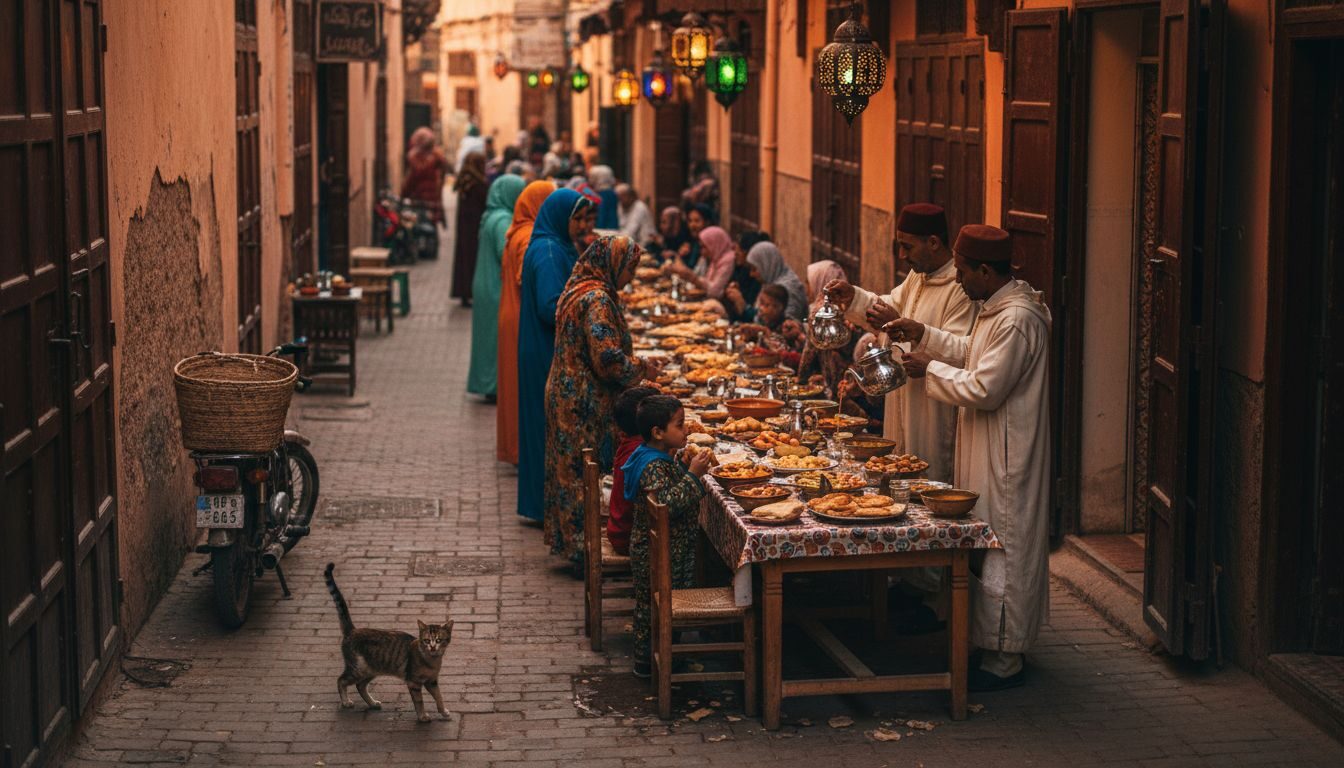
More than 99 percent of Moroccans observe Ramadan, making this month a transformative time that shapes nearly every aspect of daily life. For the American traveler or any curious Western visitor, Ramadan in Morocco unveils a spiritual world where ancient traditions blend with modern rhythms. Discover how public routines, social etiquette, and communal rituals shift, and prepare for a journey that promises insight into the deep roots of Moroccan identity.
Table of Contents
- Ramadan in Morocco: Religious Roots and Meaning
- Daily Life Changes During Ramadan
- What Travelers Should Expect and Prepare For
- Respectful Behavior and Common Travel Mistakes
Key Takeaways
| Point | Details |
|---|---|
| Cultural Significance | Ramadan in Morocco is a blend of religious observance and cultural identity, highlighting community, spirituality, and tradition. |
| Daily Life Changes | Work and school schedules adjust significantly, with flexible hours and focus on family gatherings for iftar. |
| Travel Preparation | Travelers should dress modestly and respect local customs, including refraining from eating in public during fasting hours. |
| Respectful Interaction | Understanding the spiritual importance of Ramadan is crucial for positive engagement with locals and avoiding cultural missteps. |
Ramadan in Morocco: Religious Roots and Meaning
Ramadan represents far more than a simple religious observance in Morocco – it is a profound cultural and spiritual experience deeply woven into the national identity. Morocco’s constitutional framework establishes Islam as the state religion, with the monarch officially serving as the “Commander of the Faithful”, which underscores the deeply integrated relationship between religious practice and national governance.
The spiritual significance of Ramadan in Morocco transcends mere physical fasting. During this sacred month, Muslims engage in a comprehensive spiritual transformation, practicing self-discipline, heightened prayer, and community connection. The Ministry of Endowments and Islamic Affairs actively guides mosque sermons and religious education, ensuring that Ramadan observances align with traditional Moroccan Islamic practices and promote spiritual growth.
Moroccan Ramadan practices are characterized by unique cultural traditions that blend religious devotion with communal solidarity. Families gather for iftar meals to break their daily fast, mosques become centers of intense spiritual activity, and public spaces transform to accommodate the month’s spiritual rhythms. The government plays an active role in supporting these observances, with legal frameworks that respect and protect religious practices while simultaneously preventing religious extremism.
Pro tip: If you are traveling to Morocco during Ramadan, respect local customs by dressing modestly, avoiding public eating during daylight hours, and appreciating the profound spiritual significance of this month for Moroccan Muslims.
Daily Life Changes During Ramadan
During Ramadan, Morocco experiences a comprehensive transformation in daily routines, affecting work, education, and social interactions. School schedules are significantly modified to accommodate fasting students, with later start times and shortened school days reflecting the month’s spiritual intensity. Government offices and many businesses adopt flexible working hours, recognizing the physical and spiritual challenges of fasting.
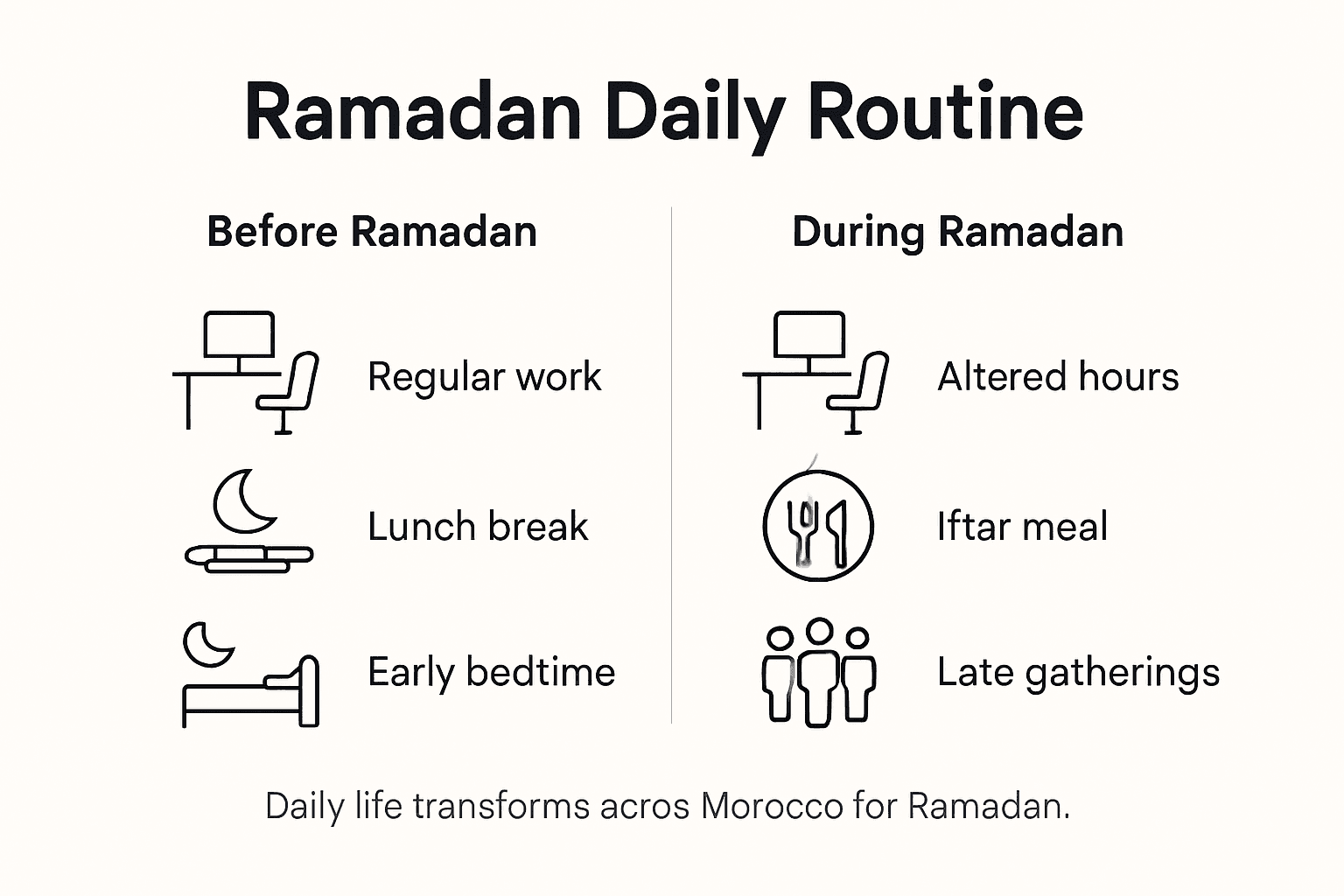
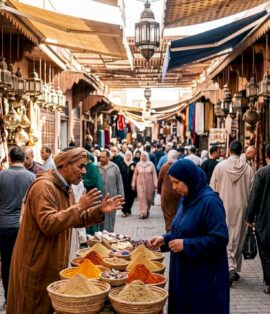
The rhythm of daily life shifts dramatically during this period. Most Moroccans adjust their sleep patterns, often staying awake late into the night for tarawih prayers and communal meals. Restaurants and cafes operate on altered schedules, with most remaining closed during daylight hours and coming alive after sunset. Public transportation, markets, and social spaces recalibrate their operations to support the community’s fasting and spiritual practices.
Family and community become the central focus during Ramadan. Neighborhoods transform into vibrant social spaces, with families and friends gathering for iftar meals that break the daily fast. Traditional Moroccan dishes like harira soup, chebakia sweets, and briouats become staples of these nightly gatherings. The communal spirit extends beyond individual families, with many communities organizing large public iftar events that showcase the deep sense of solidarity and shared experience.
Pro tip: If visiting Morocco during Ramadan, be prepared for altered business hours, respect local fasting customs, and expect a slower, more reflective pace of daily life.
Here’s a summary of how daily life changes in Morocco during Ramadan:
| Aspect | Pre-Ramadan Routine | Ramadan Adjustments |
|---|---|---|
| Work Hours | Standard daytime schedule | Shortened days, flexible hours |
| School Hours | Regular start and end times | Later starts, early dismissals |
| Restaurant Hours | Open throughout the day | Closed daytime, open after sunset |
| Social Life | Evenings less focused on home | Nightly gatherings for iftar |
| Public Transport | Normal schedules | Shifted to support fasting hours |
Unique Moroccan Ramadan Traditions
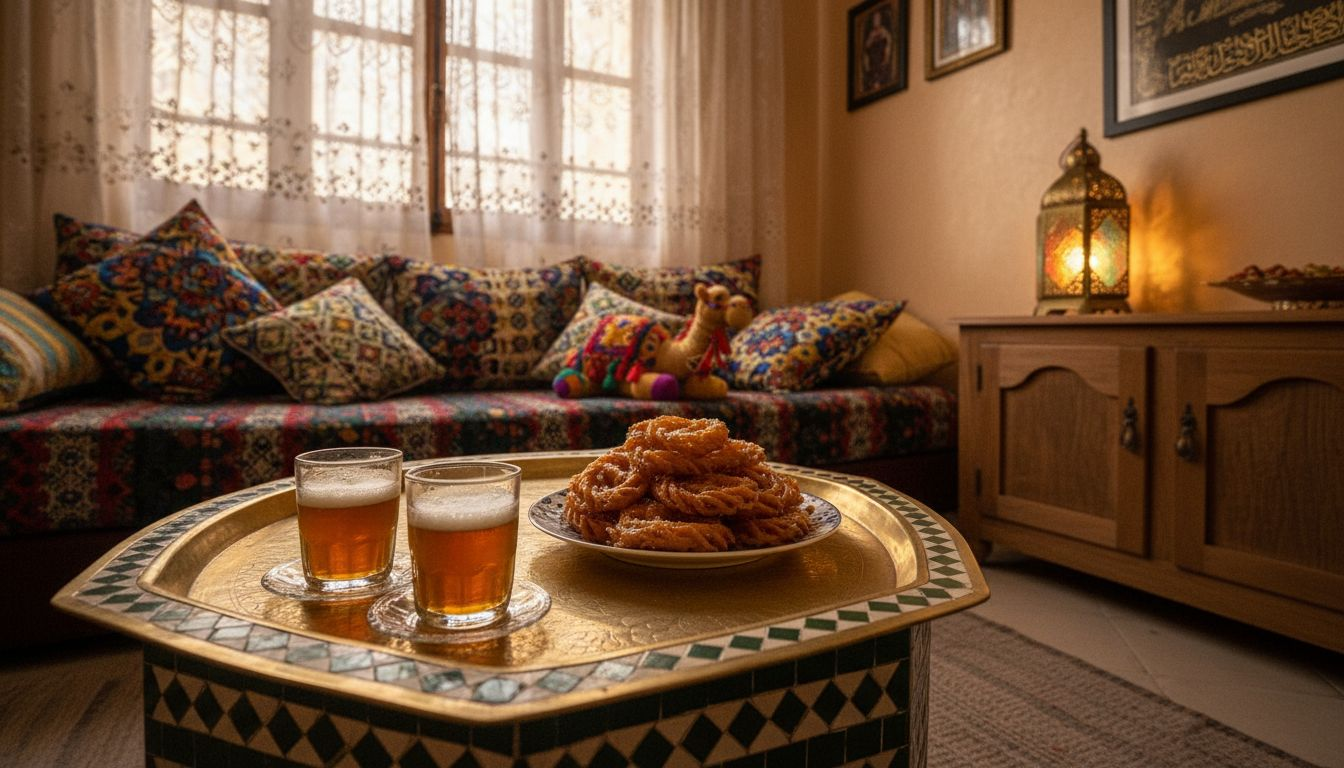
Moroccan Ramadan traditions represent a vibrant tapestry of cultural practices that transform the entire social landscape during this sacred month. The preparation of special foods emerges as a cornerstone of these traditions, with families meticulously crafting beloved dishes that have been passed down through generations. Harira soup, a rich and hearty tomato-based stew with lentils and chickpeas, and chebakia, a honey-soaked sesame cookie, become essential components of the nightly iftar meal that breaks the day’s fast.
Home decoration plays a significant role in Moroccan Ramadan observances. Families invest considerable effort in creating a festive atmosphere, adorning their living spaces with intricate lanterns, colorful textiles, and traditional ceramic pieces. Mosques become the spiritual epicenter of community life, with tarawih evening prayers drawing large congregations and creating a profound sense of collective worship and unity.
Charity and community support are fundamental aspects of Moroccan Ramadan traditions. Many families and communities organize sadaqah (charitable giving) programs, ensuring that less fortunate neighbors receive meals and support. The communal meals of suhoor (pre-dawn meal) and iftar are not merely eating occasions but powerful social rituals that strengthen neighborhood bonds and demonstrate the deep spirit of solidarity that characterizes Moroccan Islamic practice.
Below is a quick reference to essential Moroccan Ramadan foods and their significance:
| Dish | Description | Role in Ramadan |
|---|---|---|
| Harira | Tomato-based soup with lentils | Traditional iftar soup |
| Chebakia | Sesame cookie with honey | Popular iftar dessert |
| Briouats | Fillings in pastry parcels | Savory or sweet starter |
Pro tip: When experiencing Moroccan Ramadan traditions, approach them with respect, openness, and a genuine desire to understand the cultural nuances that make this month so spiritually and socially significant.
What Travelers Should Expect and Prepare For
Travelers visiting Morocco during Ramadan should prepare for a dramatically different cultural experience that requires sensitivity, flexibility, and deep respect for local customs. The entire social rhythm transforms during this month, with most businesses operating on altered schedules and public spaces reflecting a more contemplative atmosphere. Restaurants may have limited daytime service, and many establishments adjust their working hours to accommodate fasting practices.
Dressing appropriately becomes crucial during Ramadan. Travelers should opt for modest clothing that covers shoulders and knees, showing respect for the spiritual nature of the month. Public eating, drinking, and smoking during daylight hours are considered highly inappropriate and can be offensive. Foreign visitors should be particularly mindful of these cultural expectations, understanding that what might be acceptable during other times of the year becomes taboo during Ramadan.
Physical and logistical preparations are equally important for travelers. The intense heat combined with fasting can create challenging conditions, so visitors should plan activities during cooler morning hours and be prepared for reduced energy levels in service industries. Cultural immersion experiences during Moroccan festivals can provide deeper understanding, but travelers must approach interactions with genuine respect and cultural humility. Carrying water, lightweight clothing, and maintaining a flexible itinerary will help navigate the unique rhythms of Ramadan in Morocco.
Pro tip: Learn a few basic Arabic or French phrases related to Ramadan greetings, and always ask permission before photographing people or religious spaces during this sacred time.
Respectful Behavior and Common Travel Mistakes
Travelers during Ramadan must navigate a complex cultural landscape with exceptional sensitivity and awareness. One of the most significant mistakes tourists make is underestimating the profound spiritual significance of this month. Public behaviors that might be acceptable during other times become deeply inappropriate during Ramadan. Eating, drinking, or smoking in public during daylight hours is not just discouraged but can be considered deeply disrespectful and potentially offensive to local community members who are observing the fast.
Dress code becomes critically important during this sacred period. Western travelers often mistakenly interpret Moroccan dress standards too casually, which can lead to uncomfortable social interactions. Clothing should be modest and conservative – shoulders and knees must be covered, and tight or revealing clothing is strongly discouraged. Women, in particular, should be mindful of wearing loose-fitting garments that do not draw undue attention. Cultural immersion experiences during Moroccan festivals can provide deeper insights into appropriate social etiquette and help travelers avoid unintentional cultural missteps.
Interacting with locals requires nuanced understanding and genuine respect. Common mistakes include being overly loud, taking photographs without permission, or attempting to engage people during their spiritual practices. Travelers should understand that energy levels are different during Ramadan, with many individuals conserving strength while fasting. Respecting personal space, speaking softly, and showing genuine interest in the cultural significance of the month will go a long way in creating positive interactions. Understanding that Ramadan is not a tourist attraction but a deeply meaningful religious observance is crucial for meaningful cultural exchange.
Pro tip: Always ask permission before photographing people or religious spaces, and carry a lightweight scarf or shawl to quickly cover shoulders or head if needed in more traditional settings.
Embrace the Spirit of Ramadan with Authentic Moroccan Experiences
Understanding the deep cultural and spiritual significance of Ramadan in Morocco is essential for any traveler seeking a meaningful visit during this sacred month. The article highlights the challenges of adapting to altered daily routines, respecting unique local customs such as fasting etiquette and modest dress, and engaging with Moroccan traditions like communal iftar meals and vibrant evening prayers. These experiences can be overwhelming without the right guidance but offer rewarding insights into Moroccan life.
At TopMoroccoTravel.com, we specialize in crafting tailored journeys that honor the rich tapestry of Ramadan observances while ensuring your trip is smooth and respectful. Explore our options for immersive cultural tours, find flexible itineraries that accommodate Ramadan schedules, and enjoy expert support as you navigate Morocco’s transformed social rhythms. Don’t miss the opportunity to connect with local communities through authentic events and traditional gatherings safely and respectfully.
Discover how to experience Ramadan the right way by browsing our carefully designed travel packages at TopMoroccoTravel.com. Let us help you turn your visit into a remarkable cultural journey that respects Moroccan values and leaves lasting memories. Start planning today and experience the true heart of Morocco during Ramadan.
Frequently Asked Questions
What are the main customs observed during Ramadan in Morocco?
Moroccan Ramadan customs include communal iftar meals to break the fast, special prayers called tarawih, and the decoration of homes to create a festive atmosphere. Families also gather for shared meals and community activities, emphasizing spirituality and social bonds.
How does daily life change during Ramadan in Morocco?
During Ramadan, daily life in Morocco shifts significantly, with adjusted work and school hours, altered restaurant schedules, and a greater focus on family gatherings and communal meals. People often stay awake late at night for prayers and breaking their fast together.
What traditional foods are commonly prepared for iftar in Morocco?
Common iftar foods in Morocco include harira (a hearty soup), chebakia (a honey-sweetened pastry), and briouats (savory or sweet filled pastries). These dishes hold cultural significance and are often shared during communal meals.
What should travelers be aware of when visiting Morocco during Ramadan?
Travelers should respect local customs by dressing modestly, avoiding public eating during daylight hours, and understanding the modified business hours. It’s important to approach interactions with sensitivity to the cultural and spiritual significance of Ramadan.
Recommended
- Morocco Holidays: Offer Adventure Culture And Luxury Tours
- Morocco Travel Itinerary: Your Guide to an Unforgettable Adventure – Top Morocco Travel
- Best Time to Visit Morocco : Guide for Every Traveler
- Why Experience Moroccan Festivals for True Cultural Immersion


Comments are closed