




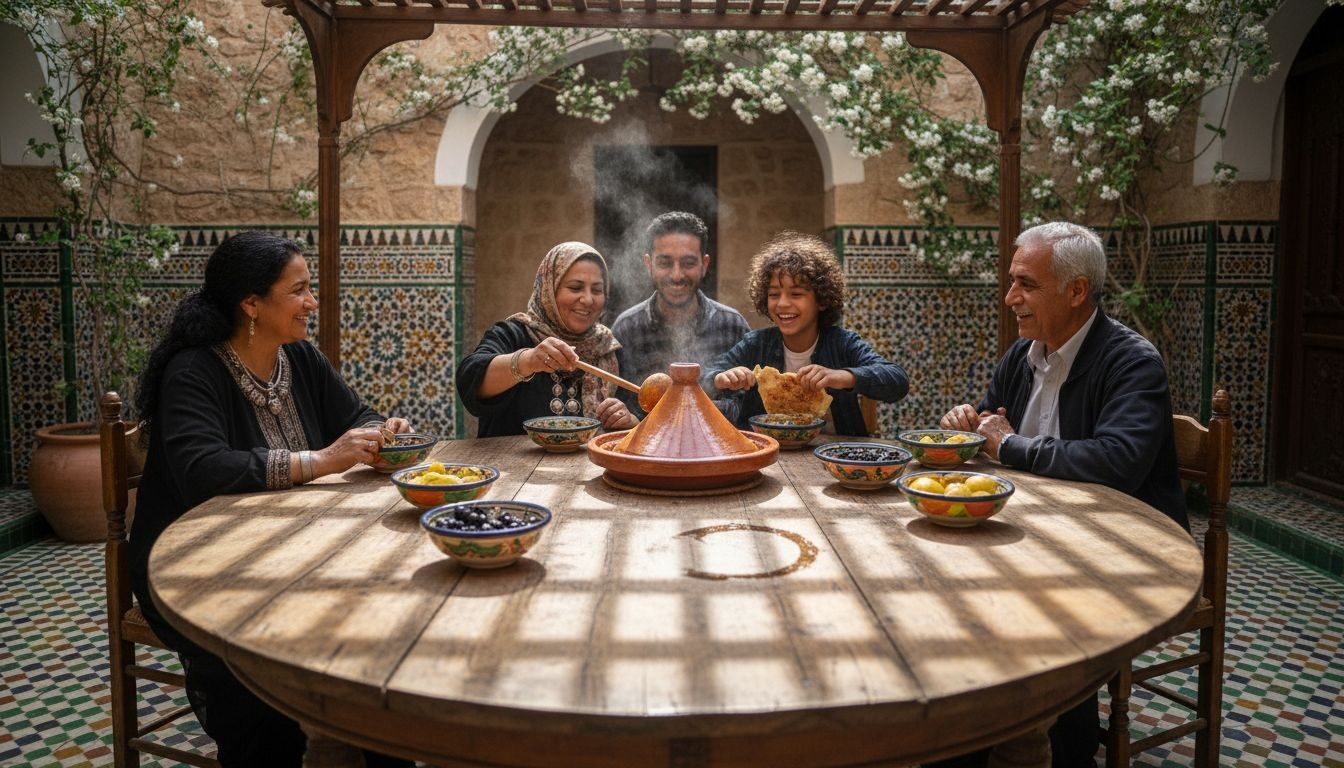
Most travelers only scratch the surface of Moroccan cuisine, yet over 60 percent of international visitors, including many American food lovers, miss out on true regional specialties during their journeys. For those passionate about food and culture, understanding what makes Moroccan flavors unique is key to avoiding the tourist traps and finding authentic local dining. This overview reveals how Moroccan culinary traditions, etiquette, and ingredient magic come together for unforgettable experiences that go far beyond the usual guidebook recommendations.
Table of Contents
- Moroccan Cuisine Defined and Misconceptions
- Signature Dishes and Core Ingredients
- Regional Flavors and Culinary Influences
- Dining Traditions and Etiquette
- Finding Authentic Moroccan Food Experiences
Key Takeaways
| Point | Details |
|---|---|
| Culinary Diversity | Moroccan cuisine blends various cultural influences, creating a rich diversity of flavors and techniques beyond the common misconceptions of being solely meat-based and spicy. |
| Signature Dishes | Iconic dishes like Couscous, Tagine, and Pastilla showcase the elegance of Moroccan cooking, highlighting the balance of sweet and savory elements and complex spice blends. |
| Dining Etiquette | Communal dining and the use of the right hand for eating signify respect and hospitality in Moroccan culture, making shared meals a deeply symbolic ritual. |
| Authentic Experiences | To truly appreciate Moroccan cuisine, seek out family-run restaurants and traditional souks, where authentic dishes are prepared and served with local cultural insights. |
Moroccan Cuisine Defined and Misconceptions
Moroccan cuisine represents an extraordinary culinary landscape where centuries of cultural interactions have crafted a sophisticated gastronomic tradition. Moroccan food traditions blend Arab, Berber, Andalusi, Mediterranean, and African influences, creating a remarkable fusion of flavors and cooking techniques that transcend simple regional boundaries.
Contrary to popular belief, Moroccan cuisine is far more nuanced than many travelers assume. While some international perceptions suggest Moroccan food is exclusively meat-based and intensely spicy, the reality is dramatically different. Traditional Moroccan cooking actually features subtle spice profiles that highlight natural ingredient flavors, with numerous vegetarian dishes that showcase the cuisine’s remarkable diversity.
The hallmark of Moroccan culinary culture lies in its complex spice blends like ras el hanout, intricate preparation methods, and deep respect for communal dining experiences. Ingredients such as preserved lemons, argan oil, and olive oil play pivotal roles in creating dishes that are simultaneously delicate and profound. Spices are not simply added for heat, but carefully balanced to create layers of flavor that tell a story of cultural heritage and regional specificity.
Pro tip: When exploring Moroccan cuisine, approach each dish with an open mind and appreciate the subtle complexity rather than expecting overwhelming spiciness or heavy meat preparations.
Signature Dishes and Core Ingredients
Moroccan cuisine boasts an impressive array of signature culinary creations that represent the depth and complexity of its gastronomic heritage. Four iconic dishes stand out as ambassadors of this rich culinary tradition: couscous, tagine, pastilla, and harira. Each of these dishes tells a unique story of cultural fusion, regional ingredients, and generations of refined cooking techniques.
The core ingredients of Moroccan cooking are a testament to the cuisine’s remarkable diversity. Grains like wheat and rice form the foundation, complemented by meats such as lamb and chicken that are carefully selected and prepared. Fresh vegetables play a critical role, while preserved lemons, olives, and argan oil add distinctive layers of flavor. The true magic, however, lies in the spice blends that transform simple ingredients into extraordinary culinary experiences. Ras el hanout, a complex spice mixture, alongside individual spices like cumin, saffron, and cinnamon, create nuanced flavor profiles that distinguish Moroccan cooking from other regional cuisines.
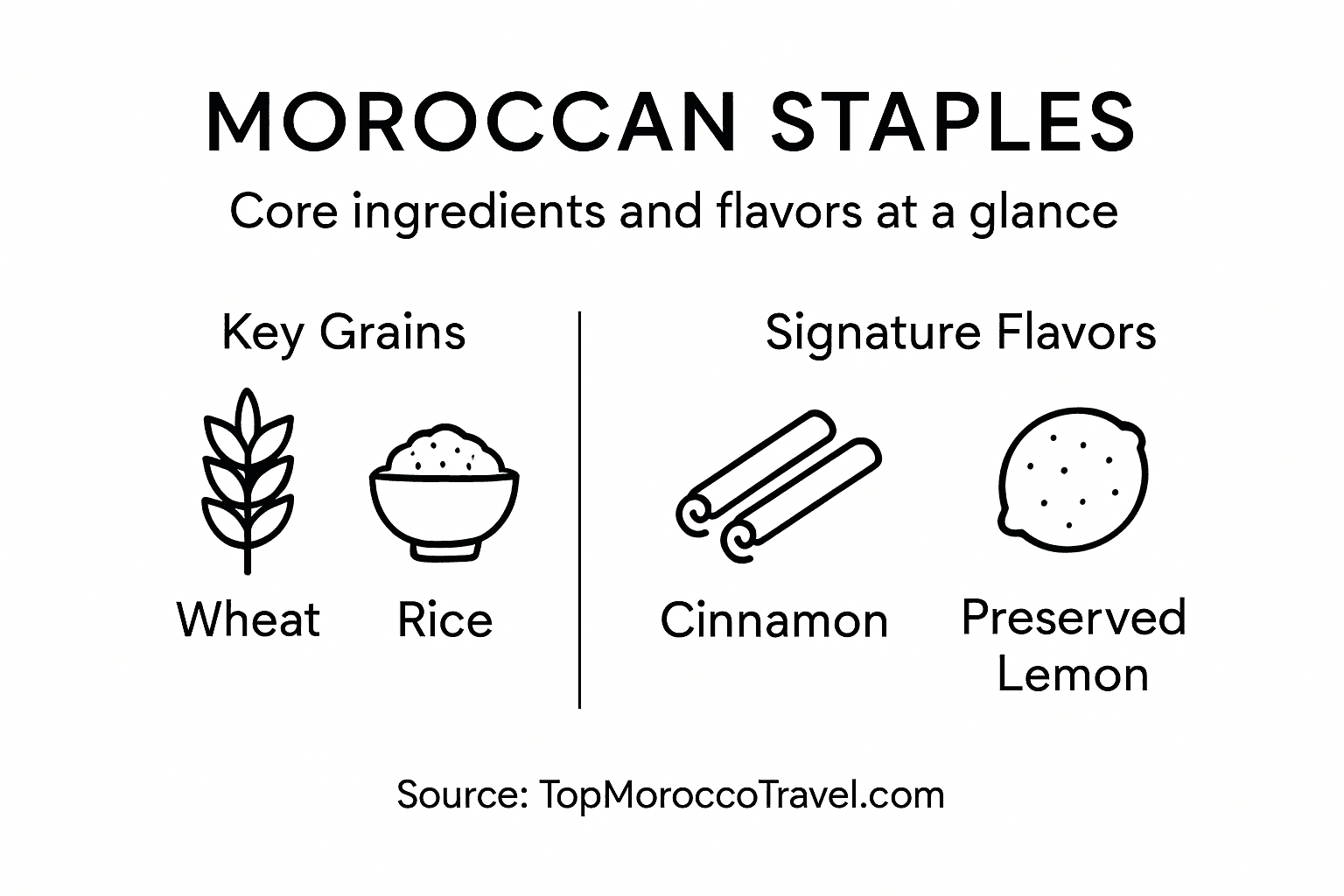
Moroccan dishes masterfully balance sweet and savory elements, often integrating dried fruits and nuts to create unexpected flavor combinations. Slow cooking techniques, traditionally performed in ceramic or clay pots, allow ingredients to meld and develop deep, rich flavors. The preparation of these dishes is not just about sustenance, but a cultural ritual that celebrates community, hospitality, and the art of shared meals.
To better understand the distinguishing features of Morocco’s iconic dishes, see this quick comparison:
| Dish | Key Ingredients | Preparation Style | Typical Flavor Profile |
|---|---|---|---|
| Couscous | Semolina, lamb/chicken, vegetables | Steamed, slow-cooked stew | Savory, subtly spiced, aromatic |
| Tagine | Lamb/chicken, vegetables, spices | Braised in clay pot | Earthy, complex, rich |
| Pastilla | Phyllo, pigeon/chicken, almonds | Baked, layered, sweet-savory | Sweet, nutty, savory |
| Harira | Tomatoes, lentils, chickpeas | Simmered soup | Hearty, spiced, tomato-rich |
Pro tip: When exploring Moroccan cuisine, pay attention to the intricate spice blends and try to identify the individual spices that create the complex flavor profiles in each dish.
Regional Flavors and Culinary Influences
Moroccan culinary geography reveals an extraordinary tapestry of flavors shaped by diverse landscapes and cultural interactions. The cuisine’s regional variations are a testament to Morocco’s complex gastronomic identity, with each geographic zone contributing unique ingredients and cooking styles that reflect local environmental conditions and historical influences.
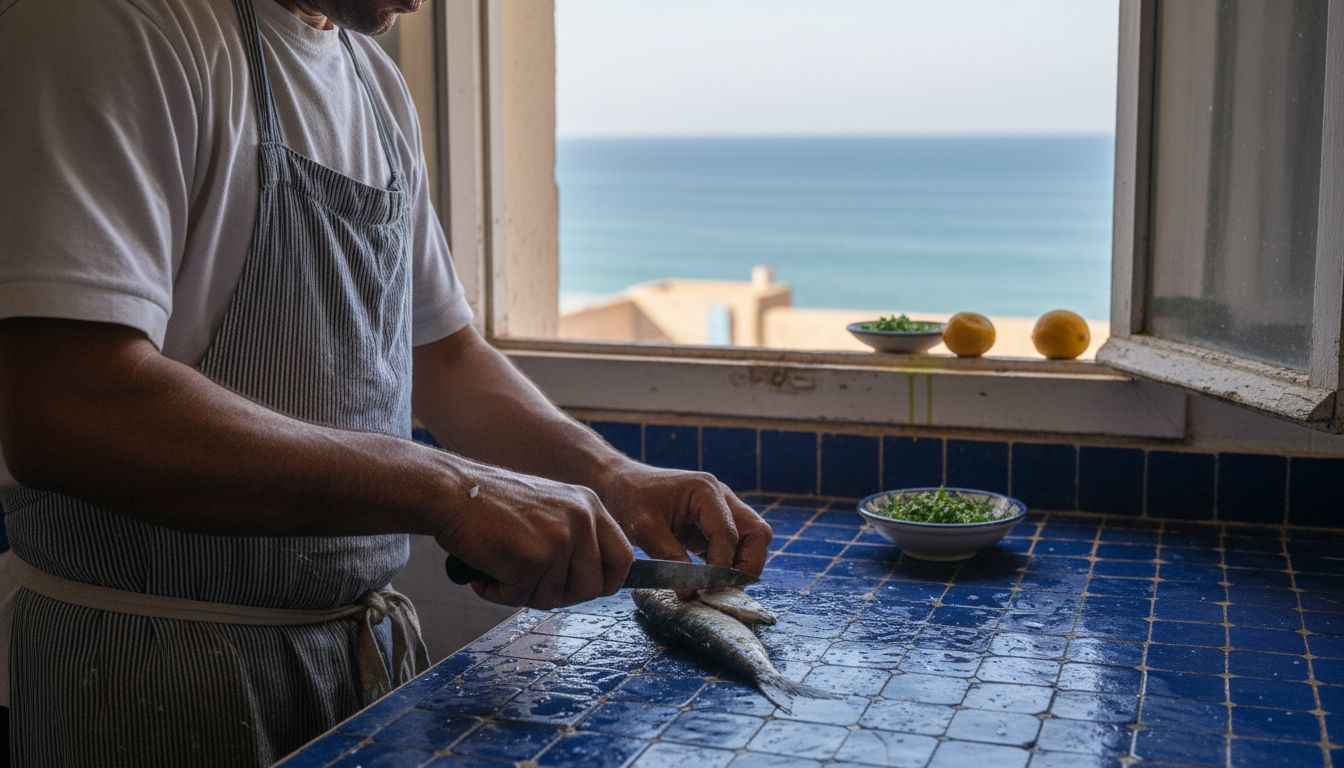
Coastal regions showcase Mediterranean-inspired seafood dishes, featuring fresh catches prepared with aromatic herbs and light, vibrant seasonings. In contrast, mountainous areas prioritize hearty preparations like slow-cooked lamb, robust barley dishes, and techniques for preserving foods that have sustained mountain communities for generations. The southern desert zones present perhaps the most distinctive culinary traditions, incorporating proteins like camel meat and utilizing preservation methods adapted to extreme environmental conditions.
The multicultural heritage of Moroccan cuisine is evident in its remarkable fusion of culinary traditions. Berber foundational techniques blend seamlessly with Arab spice mastery, Andalusian sophisticated cooking methods, Jewish preservation techniques, and subtle French culinary refinements. This extraordinary cultural crossroads creates a cuisine that is simultaneously ancient and innovative, with each dish telling a complex story of migration, trade, and cultural exchange.
Pro tip: When exploring regional Moroccan dishes, pay attention to how local ingredients and historical influences shape the unique flavor profiles of each area.
Here is a summary of how Morocco’s geographic regions shape unique food customs:
| Region | Signature Ingredients | Characteristic Dishes | Notable Cooking Influences |
|---|---|---|---|
| Coast | Fresh seafood, olives | Grilled fish, seafood tagines | Mediterranean, Berber, Arab |
| Mountains | Lamb, barley, root vegetables | Lamb tagine, barley bread | Berber, preservation techniques |
| Desert South | Camel, dates, grains | Camel stew, date-stuffed breads | Saharan, African trade influences |
| Urban Centers | Spices, dried fruits, nuts | Pastilla, sweets, fusion dishes | Andalusian, Jewish, French |
Dining Traditions and Etiquette
Moroccan dining customs represent a profound cultural ritual that extends far beyond mere sustenance. The act of sharing a meal is a deeply symbolic experience that embodies hospitality, respect, and community connection. Central to these traditions is the practice of communal eating, where diners gather around a shared plate, creating an intimate and egalitarian dining environment that breaks down social barriers.
The physical mechanics of Moroccan dining are governed by intricate cultural rules. Diners traditionally eat with their right hand, using bread as a primary utensil for scooping food, while the left hand is strictly reserved for hygiene purposes. Before meals, guests typically say “Bismillah” – a phrase expressing gratitude and blessing. Hosts demonstrate respect by offering guests the most desirable portions first, a gesture that reflects the profound importance of hospitality in Moroccan culture. Interestingly, it is not uncommon for diners to suckle bones to extract marrow, a practice that showcases the culture’s commitment to utilizing every part of the prepared food.
The tea service represents perhaps the most ritualized aspect of Moroccan dining culture. Traditional tea ceremonies are performances of hospitality, with the tea being poured from a height to aerate and create a distinctive froth. The elaborate process of brewing and serving mint tea is a social art form, with the host often inviting guests to participate in pouring, which is itself a gesture of mutual respect and inclusion.
Pro tip: When dining in Morocco, always accept food and tea with your right hand and wait to be served – it demonstrates cultural respect and understanding of local customs.
Finding Authentic Moroccan Food Experiences
For travelers seeking genuine culinary immersion, discovering must do Morocco experiences requires going beyond typical tourist restaurants. Authentic Moroccan food experiences demand curiosity, willingness to explore, and an understanding of local food culture that extends far deeper than surface-level dining.
Traditional souks (marketplace districts) represent the ultimate destination for culinary authenticity. Here, travelers can witness local ingredient selection, observe traditional cooking techniques, and engage directly with vendors who have generational knowledge of Moroccan cuisine. Street food stalls in cities like Marrakech and Fez offer unparalleled opportunities to taste regional specialties prepared using time-honored methods. Look for crowded local spots where Moroccan families and workers gather, as these locations consistently represent the most genuine dining experiences.
Culinary immersion goes beyond mere consumption. Engaging with local cooks, participating in cooking classes, and visiting family-run restaurants provide deeper insights into Moroccan gastronomic traditions. Understanding the cultural context of dishes, learning about ingredient sourcing, and observing preparation techniques transform a simple meal into a profound cultural encounter. Each recipe tells a story of regional heritage, family tradition, and historical migration patterns that have shaped Moroccan cuisine over centuries.
Pro tip: Seek out family-run restaurants in residential neighborhoods and be open to trying dishes recommended by local residents – these are your gateway to authentic Moroccan culinary experiences.
Experience Moroccan Cuisine Beyond the Plate
Moroccan cuisine offers a rich cultural journey filled with intricate spices, regional flavors, and deeply rooted dining traditions. If you have ever wished to move beyond misconceptions and truly savor authentic dishes like tagine, pastilla, or harira in their original setting, you may face the challenge of finding genuine experiences that capture Morocco’s culinary soul. Many travelers struggle to uncover local markets, family-run kitchens, and immersive food rituals that reveal the heart of this extraordinary cooking heritage.
At TopMoroccoTravel.com, we understand the importance of exploring Moroccan gastronomy as a living culture not just a meal. Our bespoke tours combine guided city explorations, visits to traditional souks, intimate cooking classes, and carefully curated dining experiences. This is your gateway to uncovering the subtle spice blends and regional nuances that define Morocco’s signature dishes. Why wait to taste Morocco’s culinary magic in its most authentic form Join us now to turn your travel dreams into a flavorful reality and discover why true Moroccan cuisine is an unforgettable cultural celebration. Start planning your personalized journey on Top Morocco Travel today and dive deep into the culture on your plate.
Frequently Asked Questions
What are the key characteristics of Moroccan cuisine?
Moroccan cuisine is known for its intricate spice blends, such as ras el hanout, and the use of fresh ingredients like preserved lemons, argan oil, and a variety of meats and vegetables. It features a balance of sweet and savory flavors, with dishes often cooked using traditional methods that emphasize communal dining.
What are some signature dishes in Moroccan cuisine?
Four iconic dishes include couscous, which is a steamed grain dish often served with various meats and vegetables; tagine, a slow-cooked stew made in a special pot; pastilla, a sweet and savory pastry; and harira, a hearty soup typically enjoyed during Ramadan.
How do cultural traditions influence Moroccan dining?
Moroccan dining traditions prioritize communal eating and hospitality. Meals are often shared from a central plate, and diners use their right hand to eat. Rituals, such as saying “Bismillah” before eating and the ceremonial preparation of mint tea, highlight the importance of respect and community within the culture.
How can travelers find authentic Moroccan food experiences?
To find authentic Moroccan food experiences, travelers should explore local souks (markets), try street food where locals eat, and seek out family-run restaurants. Engaging in cooking classes or home dining experiences can provide deeper insights into the culture and culinary traditions.
Recommended
- Moroccan Culture Explained: Traditions, Cuisine, and Heritage
- Morocco Holidays: Offer Adventure Culture And Luxury Tours
- Why Morocco Matters for Cultural Immersion Travel
- What Is Ramadan in Morocco: Local Customs and Insights
- Nos 10 bonnes raisons de vous marier à Marrakech – Aerobatix




Comments are closed