




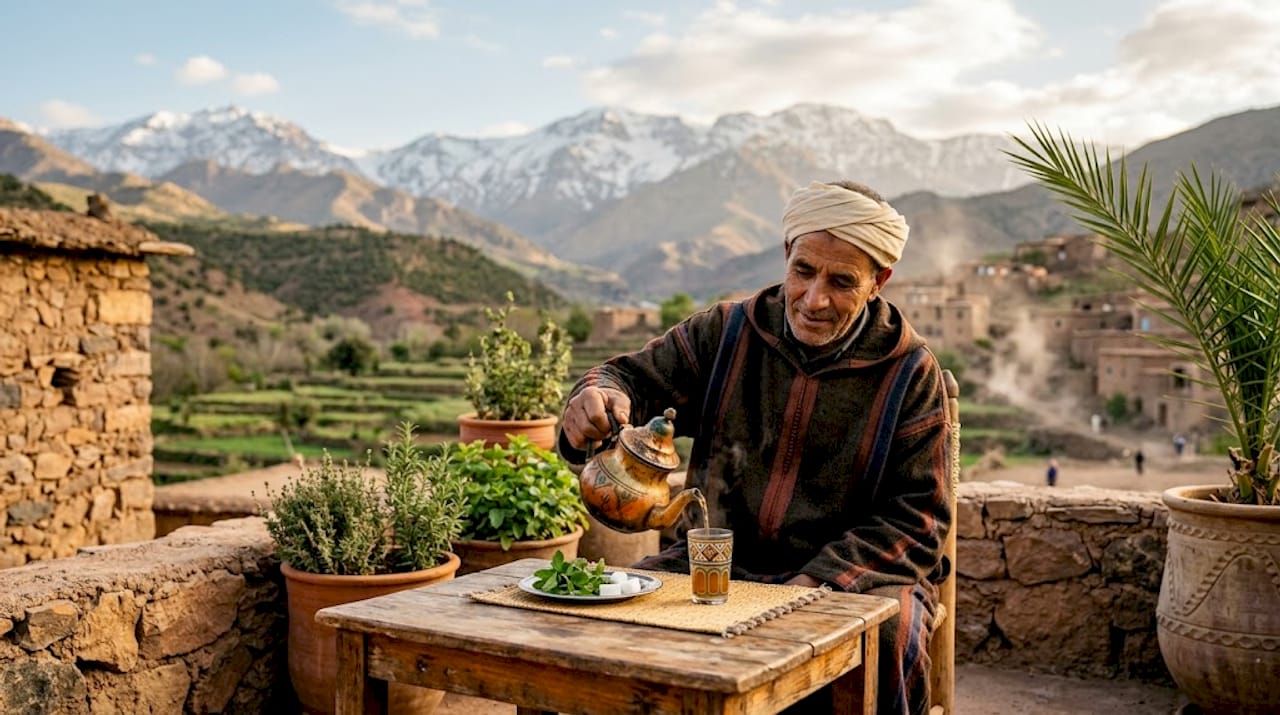
- The Atlas Mountains span Morocco, Algeria, and Tunisia, offering diverse terrains, cultures, and outdoor activities.
- Proper acclimatization, guided treks, and cultural engagement enrich the experience, while careful planning ensures safety and meaningful connections.
- Visiting during optimal seasons and respecting local traditions deepens the adventure, making it a truly layered journey.
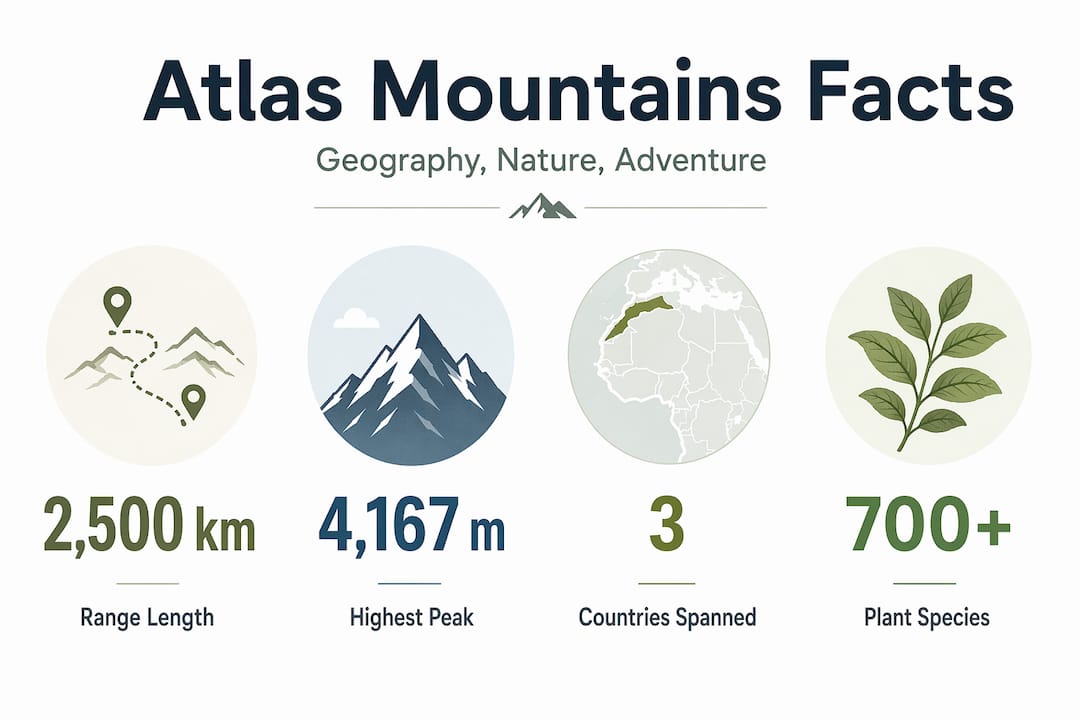
Few mountain ranges in the world pack as much variety into a single trip as the Atlas Mountains. Stretching across Morocco, Algeria, and Tunisia, this 2,500 km range offers summits above 4,000 meters, ancient Berber villages, cedar forests, and desert edges all within days of each other. Most travelers arrive expecting a standard hiking destination and leave having discovered something far more layered. This guide covers the geography, the best adventures, the cultural experiences worth your time, and the practical details that determine whether your trip goes smoothly or sideways.
Table of Contents
- Key takeaways
- Where the Atlas Mountains sit and what they contain
- Hiking, trekking, and adventure activities
- Cultural experiences in Berber villages
- Best places to visit and practical planning
- My honest take on what makes the Atlas different
- Plan your Atlas Mountains trip with expert support
- FAQ
Key takeaways
| Point | Details |
|---|---|
| Geographic scale matters | The Atlas Mountains span three countries and four distinct subranges, each offering different terrain and experiences. |
| Acclimatization is non-negotiable | Altitude sickness is a real risk above 2,500 meters, so building in extra days protects both health and enjoyment. |
| Culture is the hidden reward | Berber villages, local guesthouses, and traditional crafts offer experiences that outlast any summit photo. |
| Guided treks are worth the cost | Licensed guides improve safety, navigation, and cultural access in ways that independent trekking cannot replicate. |
| Timing shapes your entire trip | Season selection determines whether you encounter snow-blocked passes, wildflower meadows, or festival calendars. |
Where the Atlas Mountains sit and what they contain
People often think of the Atlas Mountains as a Moroccan feature, which is understandable since Morocco holds the most dramatic sections. The full range, however, spans Morocco, Algeria, and Tunisia across roughly 2,500 km. That scale matters when you are planning a trip, because the terrain, climate, and cultural character shift significantly between subranges.
The four main subranges each have their own identity:
| Subrange | Location | Key elevation | Distinctive feature |
|---|---|---|---|
| High Atlas | Central Morocco | 4,167 m (Toubkal) | Highest peaks, dramatic gorges, Berber heartland |
| Middle Atlas | Northern Morocco | ~3,340 m (Jbel Bou Naceur) | Cedar forests, lakes, Azrou monkey territory |
| Anti-Atlas | Southern Morocco | ~2,531 m (Jbel Aklim) | Arid landscapes, ancient geology, minimal crowds |
| Saharan/Tell Atlas | Algeria and Tunisia | Up to ~2,236 m | Transition zone toward the Sahara, steppe terrain |
Mount Toubkal in the High Atlas holds the title of highest peak in North Africa at 4,167 meters. Its summit is achievable without technical climbing equipment, which draws thousands of trekkers each year. The Middle Atlas, by contrast, draws visitors with its dense cedar groves, mountain lakes near Ifrane, and Barbary macaques that roam freely among the trees.
The flora and fauna of the Atlas Mountains regions reflect the range’s biodiversity. Vegetation includes cedar, evergreen oak, cork oak, and aromatic lavender at lower elevations. Wildlife gets more interesting as you gain altitude. The Barbary macaque is one of Africa’s most endangered primates and survives in meaningful numbers in the Middle Atlas. The Atlas mountain viper, endemic to the range, is rarely seen but is a reminder that this is genuinely wild terrain. Raptors, including golden eagles and Bonelli’s eagles, circle the high ridges.
Hiking, trekking, and adventure activities
Atlas Mountains hiking sits at the center of most travel plans, and for good reason. The options range from a single-day valley walk above Marrakech to multi-week traverses through remote terrain that few outsiders ever see.
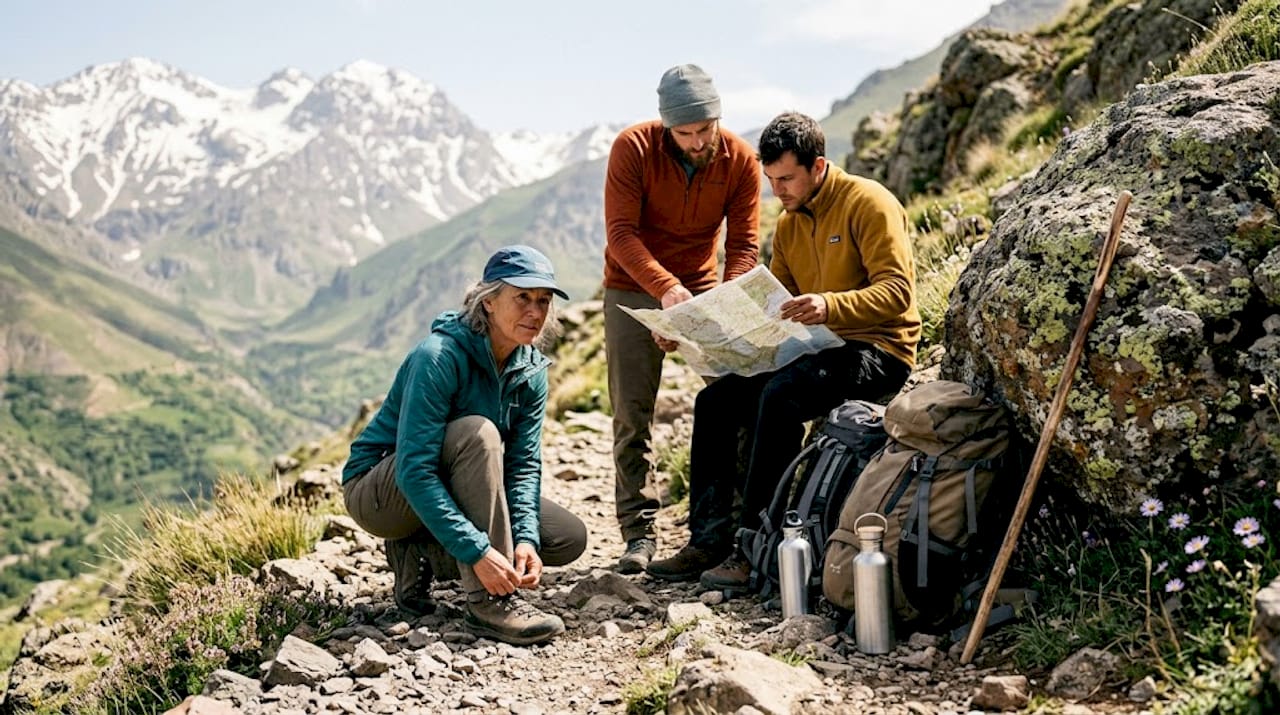
The Mount Toubkal summit is the most popular route in North Africa. Most trekkers approach through the village of Imlil, spend a night at the Toubkal Refuge at 3,207 meters, then push for the summit on day two. A standard 2-day guided package runs between 150 and 250 EUR per person, covering transport, guide fees, refuge accommodation, and meals. That is honest value when you consider the logistics involved.
Here is where most travelers get tripped up. The Toubkal summit looks approachable on paper because it requires no ropes or technical skills. But altitude sickness is a significant risk above 2,500 meters and hits fit people just as hard as unfit ones. Many trekkers underestimate this because they have a gym routine and assume their fitness translates directly. It does not at altitude. A 3-day itinerary over a 2-day one is strongly recommended precisely because the extra acclimatization day reduces the risk of nausea, headaches, and the kind of exhaustion that turns a summit bid into a retreat.
Pro Tip: Proper acclimatization on Toubkal means ascending no more than 300 m vertical per day above 3,000 meters. Spend one night at the refuge before your summit attempt. Those extra hours at altitude are worth far more than an earlier flight home.
For those wanting something less trafficked, the M’Goun Traverse in the High Atlas is a 4- to 6-day route through Berber villages and high pastures that barely appears on mainstream travel radar. The Toubkal region has crowds in June, July, and August. M’Goun in May or September offers solitude and color that most people will never experience.
Beyond foot travel, Oukaïmeden at 2,600 meters is Morocco’s highest ski resort and operates from December through March in good snow years. Mountain biking from Imlil down through terraced valleys has grown in popularity. Rock climbing routes exist on the limestone walls above Todra Gorge, with grades ranging from beginner to serious sport climbing.
Here is a practical checklist for Atlas Mountains hiking preparation:
- Book a licensed guide through Imlil rather than organizing independently. The Bureau des Guides in Imlil vets guides thoroughly, and their local knowledge at scree fields and in poor weather is genuinely critical.
- Train with weighted elevation. Stair intervals with a 10 kg pack three times weekly for six weeks will prepare your legs better than flat running.
- Carry altitude medication (acetazolamide) after consulting your doctor. Bring it as insurance, not as a substitute for proper pacing.
- Pack layers you can shed. High Atlas weather shifts from warm and sunny at 10am to cold and windy by 2pm, even in summer.
- Bring trekking poles. The scree descent from the Toubkal summit is steep and loose. Poles reduce knee strain by a measurable amount.
- Hydrate deliberately at altitude. Aim for 3 to 4 liters per day from the moment you arrive in Imlil, not just when thirsty.
Cultural experiences in Berber villages
The Amazigh people, more commonly called Berbers by outsiders, have inhabited the Atlas Mountains for thousands of years. Their culture predates Arab influence in Morocco by centuries, and it remains vivid and living rather than preserved for tourism.
Staying in a local guesthouse or family homestay rather than a hotel in Marrakech changes the entire tone of your visit. You eat tagines cooked over open fires, sleep under hand-woven blankets, and wake to the sound of mules being loaded for the day’s work. This is not performance. It is how people actually live, and the cultural immersion available through homestays is one of the Atlas Mountains’ most underrated offerings. For a deeper look at the richness of Moroccan village life, it pays to read up before you arrive.
Traditional crafts in Atlas villages include Berber carpet weaving, silver jewelry, and hand-painted pottery. Markets in villages like Asni or Moulay Brahim operate on weekly cycles, drawing traders from surrounding communities. Attending one is genuinely educational about the local economy in ways a museum display cannot replicate.
Aït Ben Haddou, a UNESCO World Heritage ksar located at the edge of the High Atlas near Ouarzazate, deserves its reputation. The fortified earthen architecture is extraordinary, but what makes it worth visiting is the way it illustrates how Berber and Arab architectural traditions fused over centuries along trade routes between the Sahara and the Mediterranean.
Here are practical ways to engage respectfully and meaningfully with local culture during your Atlas visit:
- Learn a few words of Tamazight or Darija before you go. Even basic greetings shift how locals receive you from tourist to guest.
- Ask before photographing people, particularly women and children. Many Amazigh women prefer not to be photographed. Asking signals respect.
- Eat what is offered. Refusing food is read as a social slight in Berber hospitality culture. If dietary restrictions exist, communicate them gently in advance.
- Buy crafts directly from artisans, not from souvenir shops in Marrakech. The money reaches different places, and you get the story behind the object.
- Time your visit around a local festival if possible. Moussems (religious festivals) take place throughout the year and offer music, dancing, and horse displays that no paid cultural show can match.
Pro Tip: Engaging with local Moroccan cuisine is one of the most natural ways to connect with families in the Atlas. Asking a host to teach you one dish creates more goodwill than any amount of tipping.
Best places to visit and practical planning
The best places in the Atlas Mountains for most travelers come down to five anchors, each serving a different travel style.
Toubkal National Park covers 380 square kilometers and is the logical base for summit trekkers. Imlil is the main gateway village, two hours from Marrakech by road. Ourika Valley offers a gentler introduction to the High Atlas, with waterfalls, terraced farms, and Berber villages accessible as a day trip from Marrakech. Todra Gorge in the east presents 300-meter limestone walls and a year-round stream running through the canyon floor, ideal for climbers and casual walkers alike. Aït Ben Haddou anchors the southern approach and makes a natural stop en route to the Draa Valley and the Sahara.
| Season | Trekking conditions | Cultural calendar | Weather notes |
|---|---|---|---|
| Spring (Mar–May) | Excellent. Wildflowers and manageable snow on high passes | Moussems begin, markets active | Cool mornings, warm afternoons, occasional rain |
| Summer (Jun–Aug) | Good. Dry, but high passes can be very hot at lower elevations | Tourist season, Ourika Valley events | Hot in valleys, cool at altitude |
| Autumn (Sep–Nov) | Excellent. Clear skies, stable temperatures | Harvest festivals, quieter roads | Best overall weather of the year |
| Winter (Dec–Feb) | Challenging. Snow closes high passes above 3,000 m | Quieter, ski season at Oukaïmeden | Cold and snowy at altitude, mild in valleys |
Getting to the Atlas Mountains from Marrakech takes less time than many travelers expect. Imlil is roughly 60 km and two hours by shared taxi or private vehicle. The Ourika Valley is 60 km and about 90 minutes. Budget travelers can use shared grand taxis from Marrakech’s Bab Rob taxi stand for very little cost per seat.
Health considerations are worth taking seriously. Altitude is the primary concern above 2,500 meters. Sunscreen at altitude needs reapplying frequently since UV exposure increases by roughly 4% for every 300 meters gained. Drinking water from streams requires a filter or purification tablets. Travel insurance that covers mountain rescue is not optional in the High Atlas. It is simply sensible.
For deeper logistics and regional detail, Topmoroccotravel’s Imlil travel guide covers transportation, accommodation options, and local services that can save you significant planning time.
My honest take on what makes the Atlas different
I’ve worked with travelers across many mountain destinations, and the Atlas Mountains keep producing a specific reaction: people arrive expecting scenery and leave having had a cultural experience they weren’t prepared for. That gap between expectation and reality is almost always positive.
What I’ve come to understand is that the Atlas is genuinely two trips in one. The first is the physical one, the altitude, the scree, the cold mornings, and the stunning light at 3,000 meters. The second is entirely human. Sitting in a Berber family’s kitchen while a grandmother flattens bread dough, or watching a village elder negotiate at a weekly market, teaches you things about the country that no guided city tour can replicate.
The altitude piece is where I’ve watched trips go wrong. Not because the mountain is technical but because many travelers underestimate altitude effects in the absence of technical difficulty. “Non-technical” does not mean “easy.” It means there are no ropes required. The altitude is just as real on Toubkal as on any 4,000-meter peak in the Alps.
My honest recommendation is to build in a day you don’t need. Arrive in Imlil, walk to Aremd village, have tea, and sleep well. If you feel fine the next morning, the summit is yours. If you don’t, that extra day saved your trip. Preparation shapes what’s possible in the Atlas more than anywhere else I know. The mountain doesn’t reward impatience. It rewards showing up ready.
— Topmoroccotravel.com
Plan your Atlas Mountains trip with expert support
Exploring the Atlas Mountains on your own is possible, but having expert support behind you changes the texture of the experience completely. Topmoroccotravel specializes in exactly this kind of journey: guided itineraries that weave together Toubkal trekking, Berber village stays, historical sites like Aït Ben Haddou, and the best of Morocco’s imperial cities into a coherent trip rather than a disconnected list of stops.
The advantages of guided tours in Morocco go beyond safety. Licensed guides facilitate cultural access, handle logistics that would take days to arrange independently, and ensure your spending reaches local communities directly. For those wanting to see the Atlas as part of a broader Moroccan adventure, the Morocco travel packages at TopMoroccoTravel cover everything from three-day Atlas excursions to full two-week cultural tours. Browse the options or reach out directly to build something tailored to your pace and interests.
FAQ
Where are the Atlas Mountains located?
The Atlas Mountains span across Morocco, Algeria, and Tunisia in northwestern Africa. The most dramatic and highest sections, including Mount Toubkal at 4,167 meters, sit in central Morocco.
How long does it take to hike Mount Toubkal?
A 2-day guided trip is the minimum, but a 3-day itinerary is strongly recommended to allow proper acclimatization and significantly reduce the risk of altitude sickness above 3,000 meters.
What is the best time to visit the Atlas Mountains?
Autumn (September to November) offers the best combination of stable weather, clear skies, and manageable temperatures for trekking. Spring (March to May) is equally good, with the added reward of wildflowers across the high pastures.
Do I need a guide for Atlas Mountains hiking?
Hiring a licensed guide is not legally required but is strongly recommended. Licensed guides at Imlil’s Bureau des Guides are vetted for safety knowledge, local navigation, and cultural fluency, all of which matter above 3,000 meters.
What wildlife can I expect to see in the Atlas Mountains?
The Atlas Mountains’ flora and fauna include Barbary macaques in the Middle Atlas cedar forests, golden eagles along high ridges, and endemic species like the Atlas mountain viper. Cedar, cork oak, and lavender define the lower vegetation zones.


Comments are closed