




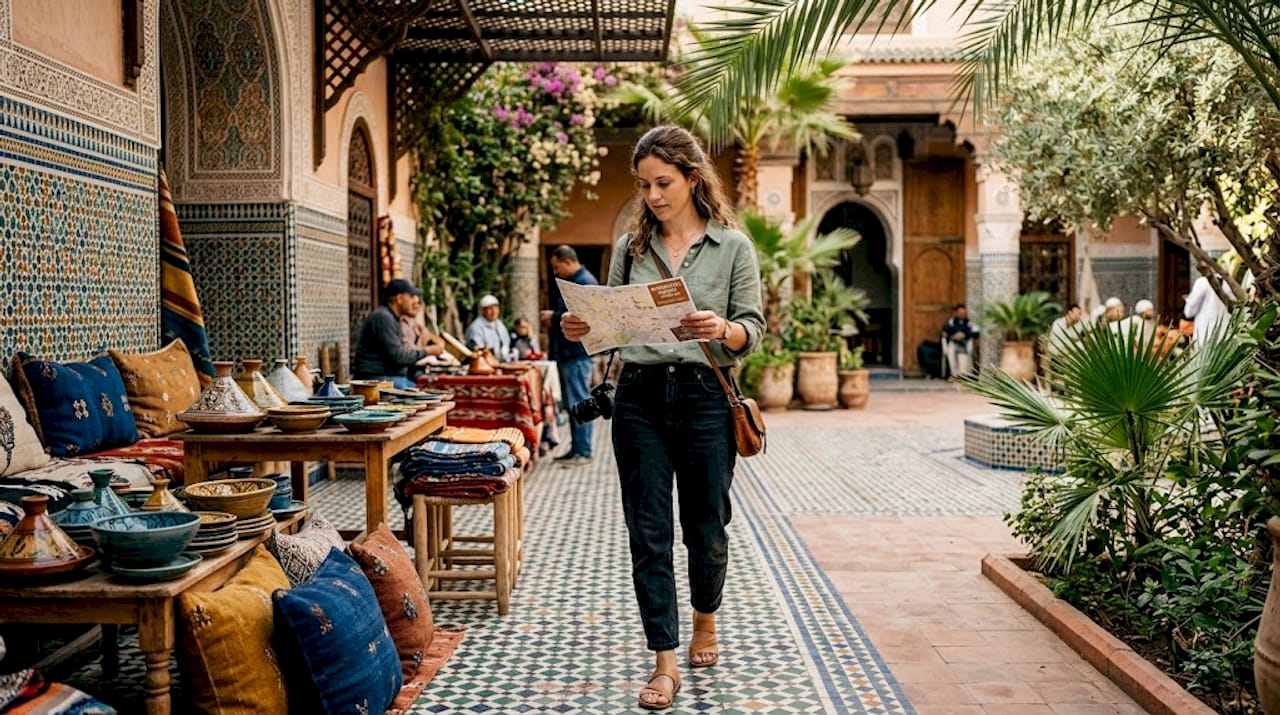
- Planning a Morocco tour involves choosing the right format, destinations, and experiences to match your travel style.
- Understanding differences between group, private, luxury, and cultural immersion tours helps you select the most suitable option for a memorable trip.
Planning a Morocco tour is one of those decisions that sounds simple until you realize how much this country actually offers. Morocco welcomed 17.4 million visitors in 2024, a 20% jump from the previous year, and the interest keeps growing. That surge is not a coincidence. Morocco delivers ancient medinas, Sahara dunes, snow-capped mountains, and Atlantic coastlines all within one country. The challenge is not finding something to do. The challenge is knowing which tour format, which destinations, and which experiences actually match how you travel.
Table of Contents
- Key takeaways
- Types of Morocco tours worth knowing
- Key destinations across Morocco
- Practical tips for your Morocco tour
- How to choose and book your tour
- My honest take on Morocco tours
- Plan your Morocco tour with Topmoroccotravel
- FAQ
Key takeaways
| Point | Details |
|---|---|
| Tour format matters | Choosing between group, private, or luxury tours shapes every aspect of your experience and budget. |
| Destinations require prioritizing | Morocco’s regions are dramatically different; matching your interests to the right destination saves time and frustration. |
| Climate surprises most travelers | Desert nights and mountain trails demand layered packing even in summer months. |
| Cultural respect opens doors | Dressing modestly and learning basic customs leads to richer connections with local people. |
| Booking on arrival works | You can compare operators and prices after landing, giving budget travelers real negotiating leverage. |
Types of Morocco tours worth knowing
Morocco offers more tour formats than most travelers expect, and choosing the wrong one can turn a dream trip into a frustrating experience. Understanding how each format works gives you a real advantage before you commit to anything.
Group tours vs. private tours
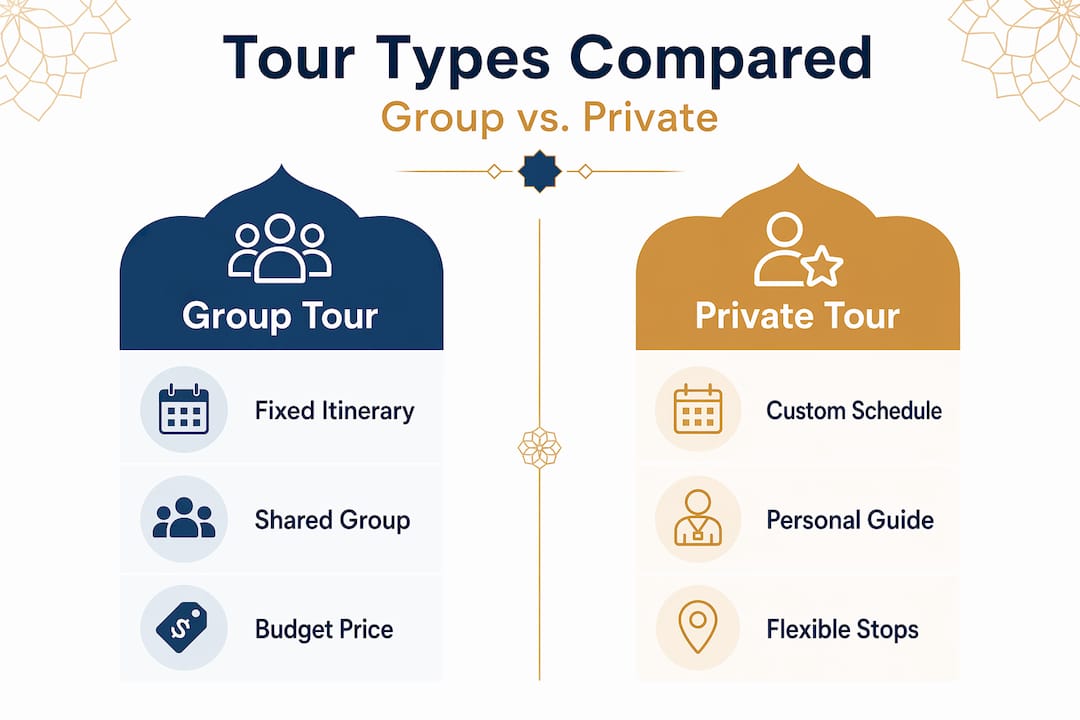
Group tours are the most budget-friendly way to see Morocco. You join a fixed itinerary with other travelers, share transport costs, and move at a pace set by the guide and the group. The social energy is great for solo travelers who want company, and the cost savings are real. The trade-off is flexibility. You stop where the schedule says, not where you feel inspired.
Private tours offer flexibility that group travel simply cannot match. A dedicated driver or guide adjusts to your pace, pulls over for an unexpected photo opportunity in the countryside, and spends more time at the sites that genuinely interest you. For long drives between imperial cities or through the Sahara, that flexibility makes a measurable difference in how much you actually absorb.
Pro Tip: If you are traveling as a couple or a family of four, the per-person cost of a private tour often comes close to a group tour price. Do the math before assuming the group is cheaper.
Luxury tours and cultural immersion
Luxury tours in Morocco have a distinct character. Private riad accommodations, personal butlers, and tailored experiences like private souk shopping with a local expert or one-on-one cooking lessons are standard offerings at this level. You are not just seeing Morocco. You are experiencing it with space and attention that transforms the whole trip.
Cultural immersion tours sit at the other end of the spectrum in terms of focus, though not necessarily cost. These tours prioritize artisan workshops, cooking classes, henna sessions, and time inside local homes rather than checking off landmarks. Culinary experiences like cooking classes are among the richest ways to connect with Moroccan identity, since food here is inseparable from family, hospitality, and tradition.
Multi-day vs. single-day tours
Single-day tours work well for travelers who have already based themselves in a city and want to explore a specific site or region. A day trip from Marrakech to the Atlas Mountains, for instance, gives you a full sensory change without packing a bag.
Multi-day itineraries are where Morocco really reveals itself. Moving from Fez to the desert to the mountains over seven or ten days lets the country’s contrasts land properly. You have context by the time you see each new place. A well-structured multi-day itinerary typically includes a mix of guided time and free hours, which is the format experienced Morocco travelers consistently recommend.
Key destinations across Morocco
Every guided tour of Morocco will route you through a combination of the country’s major regions. Knowing what makes each destination distinct helps you prioritize and avoid spreading yourself too thin.
The imperial cities
Marrakech, Fez, Rabat, and Casablanca each carry a distinct identity despite all being called imperial cities. Marrakech pulls you into sensory overdrive the moment you step into Jemaa el-Fna square. The medina’s dye pits, spice markets, and rooftop cafes make Marrakech city tours endlessly rewarding, even on a return visit. Fez, by contrast, is quieter and more layered. Its medina is the largest car-free urban area in the world, and a single morning there can feel like traveling several centuries back in time.
Rabat is undervisited and genuinely underrated. The combination of the ancient Chellah necropolis, the Kasbah of the Udayas, and a calm coastal atmosphere makes it a strong addition to any Morocco itinerary. Casablanca is primarily an economic hub, but the Hassan II Mosque, which sits directly on the Atlantic coast, is one of the most architecturally striking religious buildings on earth.
The Sahara Desert
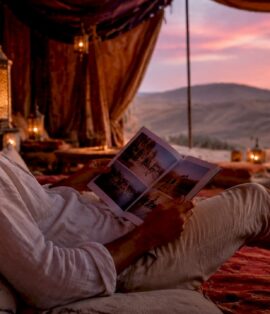
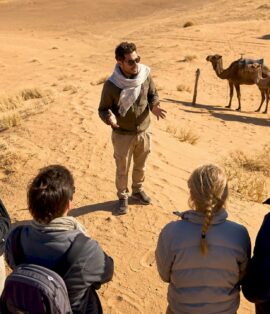
No Morocco tour feels complete without at least one night in the Sahara. Desert camps offer camel treks, overnight glamping, and stargazing that genuinely live up to the hype. Erg Chebbi near Merzouga is the most accessible departure point, with dunes that turn orange and deep red at sunset.
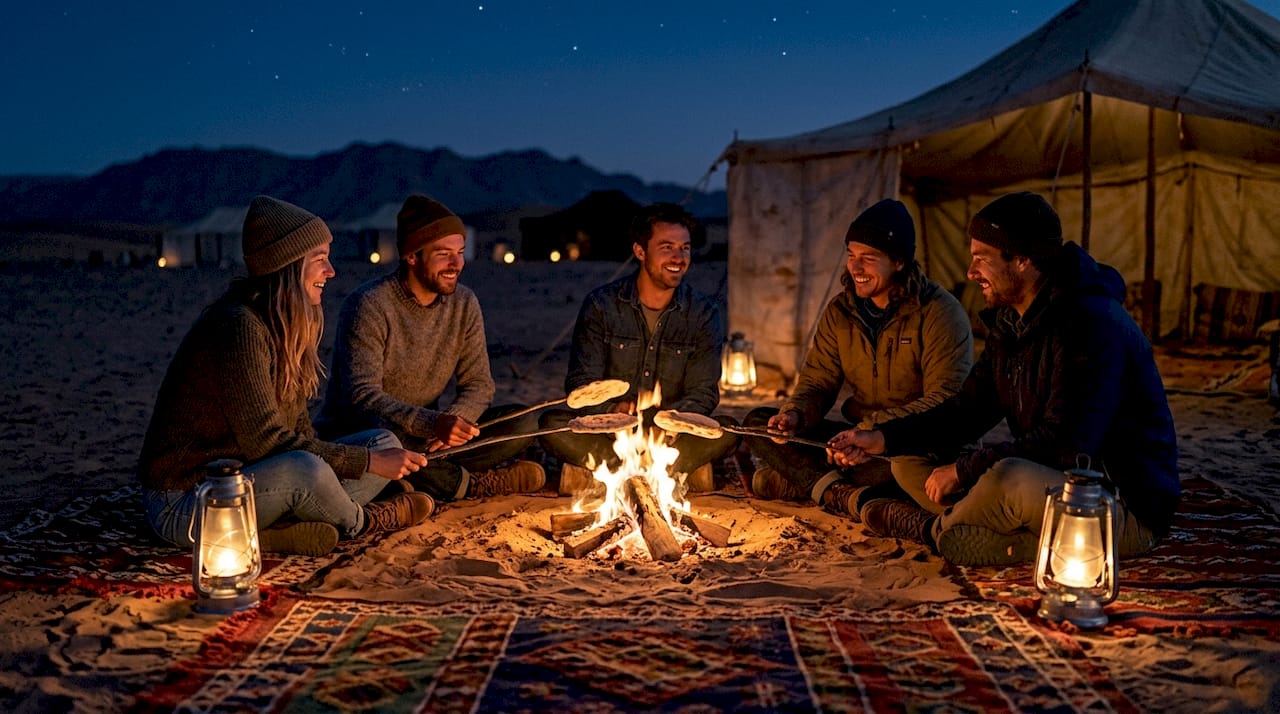
Pro Tip: Book a camp that sits away from the main trailhead. The further you get from the main road, the quieter and more dramatic your desert experience becomes.
Sandboarding down the dunes is popular with younger travelers and genuinely fun. But for most people, the defining moment is simpler: sitting in silence at 5 a.m. watching light slowly change the color of an enormous, empty landscape.
Atlas Mountains and coastal towns
The Atlas Mountains deliver hiking, Berber village visits, and mountain scenery that contrasts sharply with the desert. The High Atlas, home to Toubkal (the highest peak in North Africa), suits serious hikers. The more accessible Middle Atlas offers beautiful day hikes and cedar forests filled with Barbary macaques. Seasonal timing matters here since winter brings snow that closes certain mountain roads.
Essaouira is the coastal town most travelers fall in love with unexpectedly. The wind is constant and strong (it is a world-class kitesurfing destination); the medina is blissfully uncrowded compared to Marrakech; and the seafood comes directly off the boats in the harbor. Oualidia, a smaller lagoon town further south, is famous for oysters and a calm pace that feels worlds away from the main tourist circuit.
UNESCO sites deserve specific attention on any good tour. Volubilis, a remarkably preserved Roman ruin outside Meknes, and Ait Benhaddou, the iconic ksar used in dozens of film productions, are both genuinely worth the detour rather than treating them as afterthoughts.
Practical tips for your Morocco tour
Getting the logistics right separates a good Morocco trip from a great one. These steps address the practical side of how to travel Morocco without friction.
- Pack for multiple climates at once. Desert nights get cold even in summer, and the Atlas Mountains see snow in winter. You need light breathable layers for daytime heat and a warm jacket for evenings, regardless of when you visit.
- Dress with cultural awareness in mind. Modest dress and carrying a scarf for mosque visits apply to all travelers, not only women. Covered shoulders and knees in medinas and religious sites signal respect and tend to reduce unwanted attention.
- Understand tipping norms before you arrive. Tips of 5% to 15% are standard across hotels, restaurants, and guides in Morocco. Keep small bills in a separate pocket so you can tip easily without revealing your full wallet.
- Choose transportation deliberately. Internal flights between Marrakech and Fez save six hours of driving and cost surprisingly little when booked ahead. Trains are reliable and comfortable between major cities. For rural areas and desert routes, a private driver through your tour operator is the most practical option by far.
- Know what your tour price includes. Ask operators specifically whether entrance fees, meals, and gratuities are bundled. A quoted price that seems low often excludes three or four daily expenses that add up fast. For a clear look at how to evaluate options, the Morocco travel tips resource at Topmoroccotravel breaks this down by traveler type.
- Bargain in souks, not everywhere. Fixed-price shops exist and bargaining there is awkward and unhelpful. In open-market stalls and souks, counter-offering at 50% to 60% of the first price is completely standard and expected by both parties.
Pro Tip: Carry a small flashlight for nighttime walks through unlit medina alleyways. Even in well-touristed Marrakech, some sections go dark quickly after sunset.
How to choose and book your tour
Making the right choice among dozens of tour operators and packages comes down to a few clear criteria.
What to look for in a tour operator
- Reviews with specifics: Look for reviews mentioning the guide by name, describing flexibility, and noting how problems were handled. Generic five-star reviews tell you very little.
- Clear communication before booking: A good operator responds to questions with detail and without pressure. Vague answers about inclusions or itinerary flexibility are a warning sign.
- Local knowledge depth: Operators based in Morocco or with long-term local staff know current conditions, seasonal adjustments, and off-the-beaten-path options that international aggregators simply do not have.
- Customization availability: The best operators treat their published packages as starting points, not fixed products. If an operator says “we only do it this way,” move on.
Booking online vs. booking on arrival
Booking tours after arrival is practical and common in Morocco. The density of tour operators in places like Marrakech, Fez, and Agadir means you can compare prices in person and negotiate from a position of real choice. This approach suits travelers with open itineraries and flexible schedules.
Booking in advance makes more sense for multi-day desert tours, luxury riad accommodations, and peak season travel between October and April. Availability at well-reviewed camps and riads runs out weeks ahead during high season. The tour package selection guide from Topmoroccotravel helps clarify when advance booking matters and when it does not.
Balancing guided and independent time
| Approach | Best for | Trade-off |
|---|---|---|
| Fully guided tour | First-time visitors, short trips | Less spontaneity |
| Private guided tour | Couples, families, repeat visitors | Higher cost |
| Hybrid (guided + free days) | Experienced travelers, longer trips | Requires planning |
| Fully independent | Budget travelers, long stays | More research needed |
Blending guided tours with independent days consistently gets the best results for travelers who want both cultural depth and personal freedom. A guided first day in a new medina gives you context and orientation. After that, you can wander alone with far more confidence and direction.
My honest take on Morocco tours
I have seen travelers arrive in Morocco with a group tour booked wall-to-wall and leave feeling slightly overwhelmed, having moved through places quickly without sitting still long enough to understand them. And I have seen the opposite: travelers who over-planned independent travel and spent half their trip figuring out logistics instead of experiencing the country.
What I have learned is that the format of your tour matters as much as the destinations themselves. Private guides consistently unlock a version of Morocco that group tours cannot reach. A local guide who grew up in Fez’s medina does not just point at buildings. He tells you why a particular family’s zellige tiles are different from the neighbors’ and what that difference means in the city’s social history.
I have also found that travelers almost always underestimate the climate. Insufficient layering for desert nights is one of the most consistent complaints I hear, especially from people who assume Morocco is always hot. One cold, sleepless night in a desert camp reframes the whole packing list conversation.
The most memorable Morocco tours I have seen share one quality: they include at least one unscheduled hour. Time to sit in a cafe in Fez’s medina, watch the bread deliveries happen, and do absolutely nothing touristic. Morocco rewards that kind of attention in ways that no scheduled visit to a landmark ever will.
Cultural respect is not just etiquette advice. It is a practical travel strategy. Travelers who dress thoughtfully, greet people in Darija (even just “salam”), and show genuine interest in local customs consistently report warmer interactions, better recommendations, and an entirely different quality of experience.
— Topmoroccotravel
Plan your Morocco tour with TopMoroccoTravel.
TopMoroccoTravel designs Morocco tours for travelers who want more than a surface-level trip. Whether you are looking for Marrakech city tours that combine luxury with authentic cultural access, or Sahara desert adventures with expertly guided camel treks and private camps, the platform offers itineraries built around real experiences rather than tourist checkboxes.
Every tour is customizable. You set the pace, the focus, and the level of comfort. Expert local guides handle logistics, cultural context, and the kind of on-the-ground knowledge that no travel app replicates. The cultural immersion options cover everything from Fez pottery workshops to traditional cooking classes in a Marrakech riad.
If you are still deciding which format suits your travel style, the Morocco travel packages page gives a clear overview of what is available across all price points and trip lengths. Booking support is available around the clock, and every itinerary can be adjusted right up to departure.
FAQ
What is the best time of year for a Morocco tour?
October through April is peak season for most Morocco tours, offering mild temperatures across the desert and imperial cities. Summer is viable, but the heat in inland cities like Fez and Marrakech is intense, often exceeding 100°F.
How long should a Morocco tour be?
A minimum of seven days allows you to cover the main imperial cities and add a desert night or mountain excursion. Ten to fourteen days gives you time to absorb the contrasts between regions without feeling rushed.
Are guided tours of Morocco worth it for independent travelers?
Yes, particularly for first visits. Local guides provide historical context, language support, and access to experiences that are genuinely difficult to find alone. Many experienced independent travelers still book guided time for specific sites like Fez’s medina.
How much should I budget for a Morocco tour?
Budget travelers can find group tour options starting around $50 to $80 per day, including accommodation. Mid-range private tours typically run $150 to $250 per day. Luxury experiences with private riads and personal guides sit well above that, depending on customization.
Is Morocco safe for solo travelers?
Morocco is generally safe for solo travelers, including solo women, when basic precautions are followed. Sticking to reputable tour operators, dressing modestly, and avoiding unlit medina areas late at night significantly reduces any risk. Cultural norms and modest dress are the most practical safety tools available.


Comments are closed