




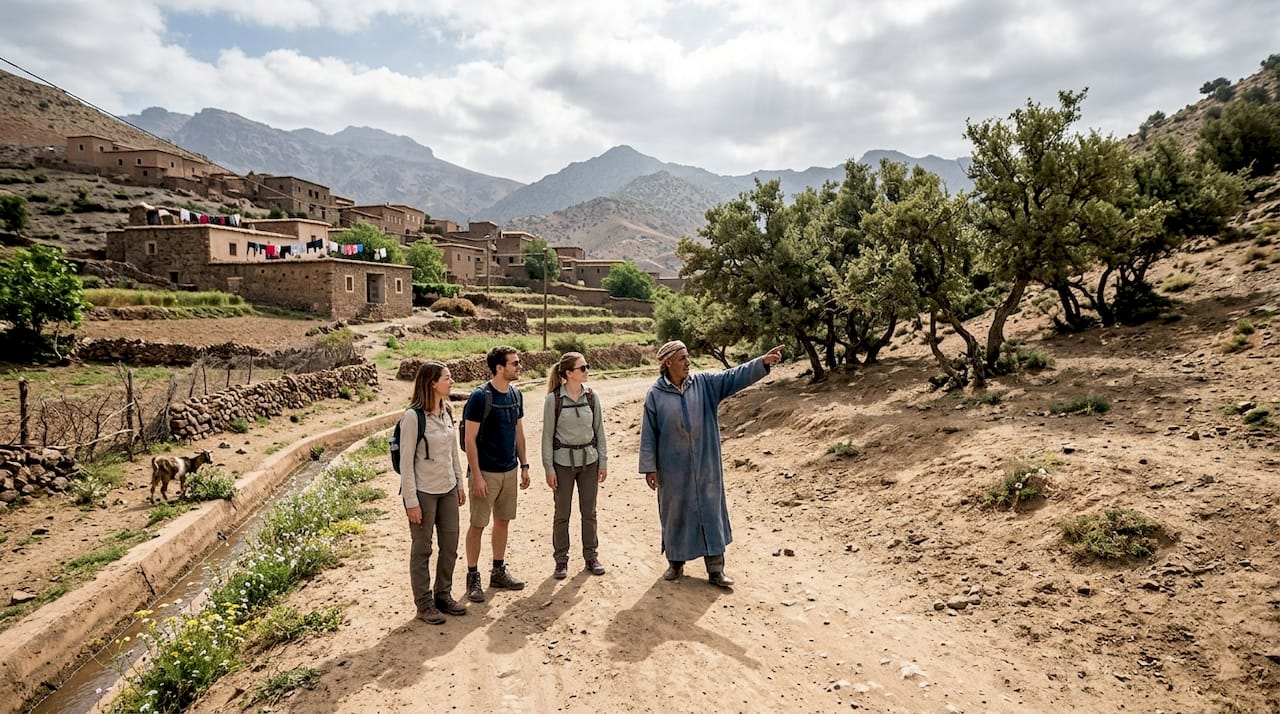
Many travelers assume Morocco’s tourism boom harms its landscapes and traditions, but sustainable tourism offers a powerful counter-narrative. By balancing visitor experiences with environmental stewardship and cultural respect, Morocco is redefining how tourism can benefit both travelers and communities. This guide explores the pillars of sustainable tourism, the challenges Morocco faces with rapid growth, and practical steps you can take to travel responsibly while enjoying authentic Moroccan adventures in 2026.
Table of Contents
- Understanding The Pillars Of Sustainable Tourism In Morocco
- Navigating Environmental And Economic Impacts Of Mass Tourism In Morocco
- Government Programs And Local Efforts Shaping Sustainable Tourism In Morocco
- Challenges And Nuanced Perspectives On Sustainable Tourism’s Future In Morocco
- Plan Your Sustainable Moroccan Adventure With Top Morocco Travel
Key takeaways
| Point | Details |
|---|---|
| Three pillars | Sustainable tourism in Morocco centers on environmental respect, local economy support, and cultural preservation. |
| Visitor management | Managing tourist numbers protects natural and cultural sites from overuse and environmental strain. |
| Government initiatives | Vision 2023-2026 and World Bank programs promote rural ecotourism and balanced growth. |
| Key challenges | Water scarcity, over-tourism in cities, and governance gaps threaten sustainability goals. |
| Traveler impact | Choosing responsible tours and supporting local artisans helps communities while enriching your experience. |
Understanding the pillars of sustainable tourism in Morocco
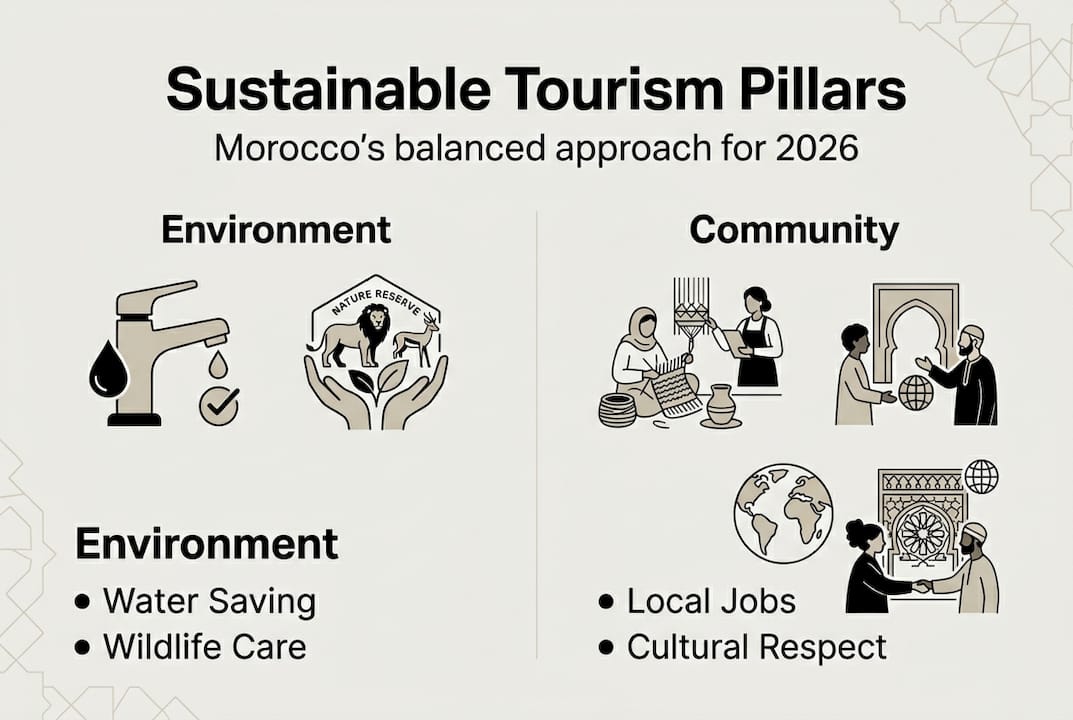
Sustainable tourism in Morocco rests on three interconnected pillars: environmental respect, support for local economies, and cultural preservation. These pillars guide how travelers, businesses, and policymakers approach tourism development. Sustainable tourism in Morocco emphasizes water and energy management, waste reduction through solar panels in hotels, purchasing from local artisans, creating local employment, and observing cultural customs for authentic experiences.
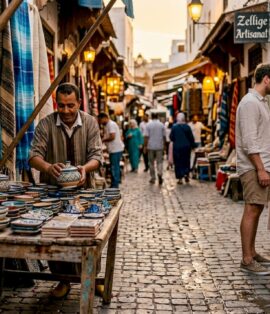
Environmental respect means choosing accommodations that use renewable energy, minimize water consumption, and manage waste effectively. Many riads and hotels now install solar panels and greywater recycling systems. Support for local economies involves buying handmade crafts directly from artisans, eating at family-owned restaurants, and hiring local guides. Cultural preservation requires learning basic customs, dressing modestly in rural areas, and asking permission before photographing people.
These pillars work together to create travel experiences that feel genuine while protecting Morocco’s unique landscapes and traditions. When you stay in a guesthouse that sources ingredients from nearby farms, you support farmers, reduce transportation emissions, and taste fresher food. When you visit a cooperative where women weave carpets using traditional techniques, you help preserve centuries-old skills while providing income that keeps families in their ancestral villages.
Travelers can align with these pillars through specific actions:
- Choose accommodations with eco-certifications or visible sustainability practices like solar power and water conservation
- Purchase souvenirs directly from artisan cooperatives rather than mass-market tourist shops
- Hire local guides who share deep knowledge of history, ecology, and cultural traditions
- Respect prayer times, dress codes, and photography etiquette in religious and rural settings
- Use refillable water bottles and avoid single-use plastics throughout your journey
Pro Tip: Look for tour operators displaying Green Key certification or membership in sustainable tourism networks. Ask specific questions about group sizes, waste management, and how they compensate local staff. Genuine sustainable operators will answer enthusiastically with concrete examples rather than vague promises.
Navigating environmental and economic impacts of mass tourism in Morocco
Morocco welcomed 17.4 million visitors in 2024, generating 112.5 billion MAD in revenue, but this growth strains natural resources and cultural sites. The Jbel Moussa protected area can handle a maximum of 4,636 visitors daily, yet experts recommend limiting traffic to just 10 percent of capacity, around 464 visitors per day, to preserve fragile ecosystems. These numbers reveal the tension between economic benefits and ecological limits.
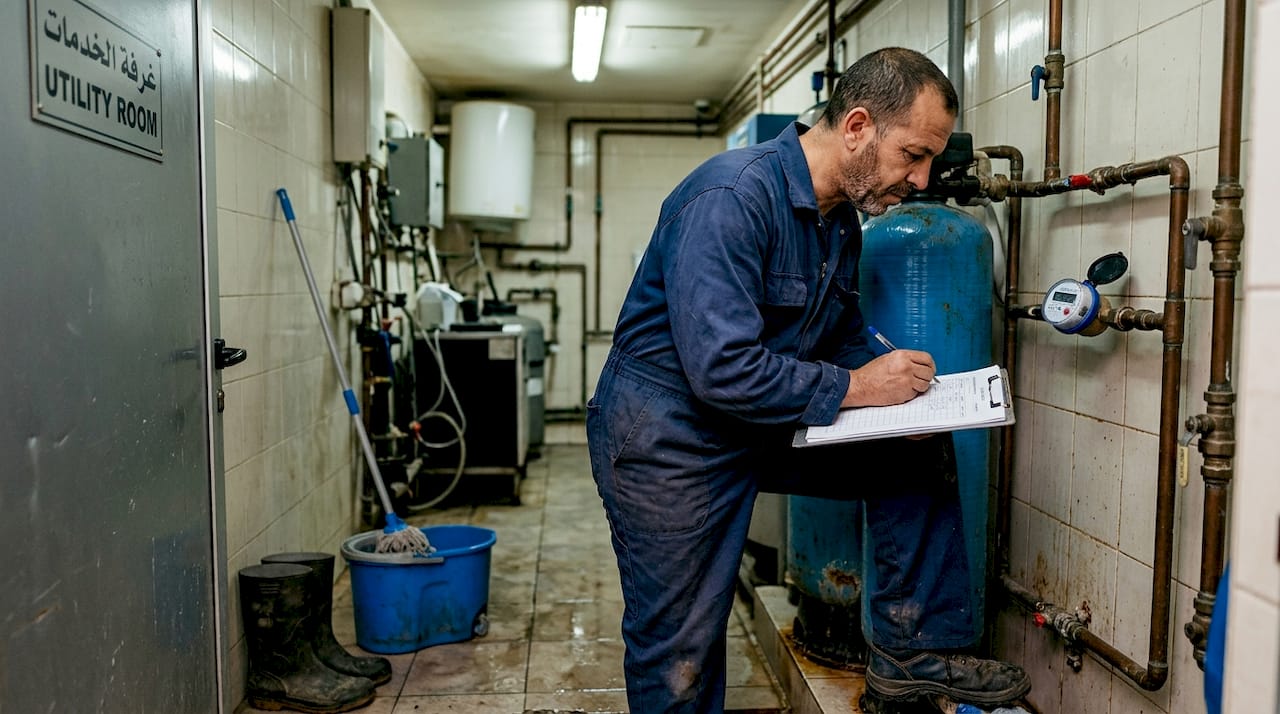
Water consumption presents the most pressing environmental challenge. Hotels, restaurants, and tourist facilities compete with agriculture and local households for limited water supplies, especially in arid regions. Popular destinations like Marrakech and the Sahara gateway towns experience severe water stress during peak tourist seasons. Waste management systems struggle to process the volume of plastic bottles, food scraps, and packaging that tourism generates.
Yet tourism also drives economic development that improves lives across Morocco. Revenue supports infrastructure improvements, creates jobs in hospitality and transportation, and funds conservation projects. The challenge lies in managing growth so economic gains don’t undermine the environmental and cultural assets that attract visitors in the first place.
| Impact Category | Tourism Benefits | Environmental Costs |
|---|---|---|
| Economic | Job creation, infrastructure funding, artisan income | Resource depletion, rising local costs |
| Environmental | Conservation funding, protected area support | Water strain, waste generation, habitat disruption |
| Cultural | Heritage preservation incentives, cultural exchange | Commercialization, erosion of authentic traditions |
Strategies to reduce environmental impact while supporting the economy include:
- Travel during shoulder seasons (March to May, September to November) to distribute visitor pressure
- Choose guided tours that enforce small group limits and sustainable practices
- Support businesses that demonstrate water conservation and renewable energy use
- Participate in activities that directly benefit conservation, like wildlife monitoring treks
- Offset unavoidable impacts by contributing to local environmental projects
Pro Tip: When booking tours, ask about maximum group sizes and environmental policies. Responsible operators limit groups to 8 to 12 people, use reusable containers for meals, and partner with local conservation organizations. Understanding the role of tour operators helps you identify those committed to genuine sustainability rather than greenwashing.
Government programs and local efforts shaping sustainable tourism in Morocco
Morocco’s government has launched ambitious initiatives to steer tourism toward sustainability while expanding its reach beyond crowded cities. The Vision 2023-2026 roadmap prioritizes rural tourism development, ecotourism in protected areas, and community-based hospitality. The Sustainable Tourism Diversification Program, supported by the World Bank, channels funding into infrastructure and training for underserved regions.
Morocco has also demonstrated international leadership by championing UN resolutions on ecotourism for poverty eradication. These resolutions recognize tourism’s potential to lift rural communities out of poverty while protecting natural heritage. The Moroccan Society for Tourism Engineering (SMIT) works directly with villages to develop homestays, guided hiking routes, and cultural experiences that keep tourism revenue local.
“Tourism must serve as a tool for inclusive development, creating opportunities in rural areas while safeguarding the environmental and cultural assets that define Morocco’s identity. Our strategy balances economic growth with the preservation imperative.”
Community-based projects have transformed how rural Moroccans participate in tourism. In the Atlas Mountains, village cooperatives now offer trekking support, traditional meals, and artisan workshops. Coastal communities near protected marine areas provide boat tours led by former fishermen who share ecological knowledge. These initiatives distribute tourism benefits beyond major cities and give locals control over how their culture is presented.
Key stakeholders driving sustainable tourism include:
- Ministry of Tourism, Handicrafts, and Social and Solidarity Economy (policy and regulation)
- SMIT (community tourism development and training)
- World Bank and international development agencies (funding and technical support)
- Local cooperatives and associations (implementation and community engagement)
- Environmental NGOs (conservation guidance and monitoring)
These programs create positive feedback loops where tourism revenue funds conservation, which enhances visitor experiences, which generates more sustainable revenue. Protected areas receive maintenance funding, traditional crafts find new markets, and young Moroccans gain employment alternatives to urban migration. The adventure tourism sector particularly benefits from these initiatives, as outdoor activities require healthy ecosystems and authentic cultural interactions.
Challenges and nuanced perspectives on sustainable tourism’s future in Morocco
Despite progress, Morocco faces significant obstacles in achieving truly sustainable tourism. Mass tourism continues to cause village demolitions for resort development, severe water strain in arid regions, and over-tourism in imperial cities while rural areas remain neglected. Governance structures often lack local community input, particularly in protected reserves like the Arganeraie Biosphere Reserve, where centralized decision-making excludes residents whose livelihoods depend on these landscapes.
Seasonality compounds these problems. Most visitors arrive between October and April, creating intense pressure on infrastructure and resources during peak months while leaving tourism workers unemployed during summer. This pattern makes it difficult for businesses to invest in sustainability improvements when cash flow is so uneven. Water systems designed for local populations buckle under tourist demand during high season, yet sit underutilized for months.
| Perspective | Economic Argument | Environmental and Cultural Concerns |
|---|---|---|
| Proponents | Tourism creates jobs, funds infrastructure, preserves heritage through economic incentives | Benefits often concentrate in cities, leaving rural areas behind |
| Critics | Growth prioritizes quick profits over long-term sustainability | Water depletion, cultural commodification, habitat destruction threaten future viability |
| Balanced View | Strategic tourism can support communities if managed with strict environmental and cultural safeguards | Requires genuine local participation, rigorous certification, and enforcement |
Challenges requiring urgent solutions include:
- Uneven development that channels tourists to already crowded cities while rural areas lack infrastructure
- Water scarcity exacerbated by hotel pools, golf courses, and inefficient agricultural irrigation
- Centralized governance that excludes local voices from tourism planning and protected area management
- Lack of rigorous certification systems to verify sustainability claims by businesses
- Seasonal employment patterns that discourage long-term investment in training and sustainability
Experts recommend decentralizing tourism management to give communities more control over development in their regions. Rigorous third-party certification would help travelers identify genuinely sustainable operators. Incentives for off-season travel could smooth out demand spikes. Investment in water infrastructure and renewable energy would reduce environmental strain.
The path forward requires balancing Morocco’s economic development needs with genuine environmental and cultural preservation. Tourism can support communities and conservation, but only with transparent governance, local participation, and enforcement of sustainability standards. Exploring Moroccan villages offers travelers a way to support rural development while experiencing authentic culture, provided tours respect local autonomy and environmental limits.
Plan your sustainable Moroccan adventure with Top Morocco Travel
Ready to experience Morocco while supporting communities and protecting its treasures? Top Morocco Travel specializes in tours designed around sustainable tourism principles, connecting you with local guides, artisan cooperatives, and eco-conscious accommodations. Our Moroccan city tour concepts balance iconic sites with neighborhood walks that benefit local businesses. We offer cultural immersion activities like cooking classes with family chefs, pottery workshops in traditional studios, and homestays in Berber villages.
Browse our Morocco travel packages to find itineraries that align with your interests while supporting sustainable development. Each tour is crafted to minimize environmental impact through small groups, reusable supplies, and partnerships with conservation projects. Your adventure becomes part of Morocco’s sustainable tourism story.
Frequently asked questions
What is sustainable tourism and why does it matter in Morocco?
Sustainable tourism balances visitor experiences with environmental protection, economic benefits for local communities, and cultural preservation. In Morocco, it matters because rapid tourism growth strains water resources, threatens fragile ecosystems, and risks commercializing authentic traditions. Sustainable practices ensure Morocco’s landscapes and culture remain vibrant for future generations while providing fair economic opportunities today.
How do government programs support sustainable tourism in Morocco?
Morocco’s Vision 2023-2026 roadmap prioritizes rural tourism and ecotourism development. The World Bank’s Sustainable Tourism Diversification Program funds infrastructure in underserved regions. Morocco also leads UN initiatives on ecotourism for poverty reduction. These programs aim to distribute tourism benefits beyond major cities while protecting natural and cultural heritage through strategic investment and international cooperation.
What challenges does Morocco face in practicing sustainable tourism?
Mass tourism causes water strain, particularly in arid regions where hotels compete with agriculture and households. Over-tourism concentrates in imperial cities while rural areas lack infrastructure. Governance structures often exclude local communities from decision-making about tourism development in their regions. Seasonal visitor patterns create employment instability and uneven resource demands that complicate long-term sustainability planning.
How can travelers ensure their visit to Morocco supports sustainable tourism?
Choose small-group tours with operators who demonstrate concrete sustainability practices like waste reduction and local hiring. Support artisan cooperatives and family-owned businesses rather than international chains. Respect cultural norms around dress, photography, and religious practices. Travel during shoulder seasons to reduce pressure on peak-season infrastructure. Ask questions about environmental policies and local benefit-sharing before booking any tour or accommodation.
Recommended
- Marrakech Travel Guide: Explore Morocco’s Vibrant Heart
- Complete Guide to Morocco: Culture, Travel, and Experiences
- Best Ways to Experience Morocco Atlas Mountains
- 7 Must Do Morocco Experiences for Every Type of Traveler
- What is community tourism? A 2026 guide for travelers


Comments are closed