




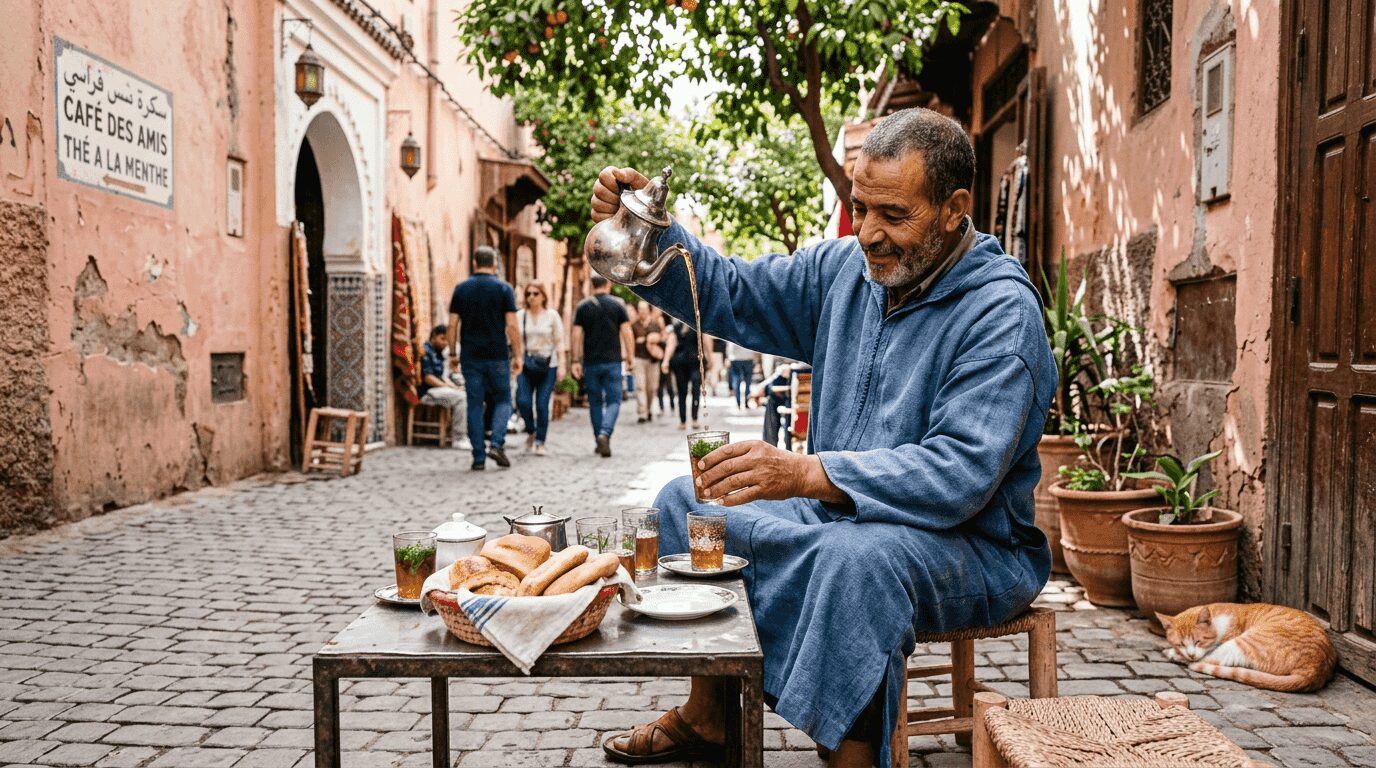
Most travelers assume summer is peak season for Morocco, but spring quietly delivers the country’s most balanced travel experience. From March through May, Morocco transforms into a destination where comfortable temperatures around 24°C meet vibrant cultural celebrations and accessible landscapes. Spring unlocks experiences that scorching summers and chilly winters simply cannot match. You will discover why this season stands apart for exploring imperial cities, trekking mountain valleys, and experiencing authentic Moroccan culture without the extreme weather that defines other months.
Table of Contents
- Ideal Weather Conditions In Morocco During Spring
- Spring Travel Experiences: Culture, Nature, And Sightseeing
- Navigating Tourist Traffic And Planning Your Spring Trip
- Exploring Diverse Moroccan Landscapes Comfortably In Spring
- Plan Your Perfect Spring Trip To Morocco With Top Morocco Travel
- FAQ
Key takeaways
| Point | Details |
|---|---|
| Comfortable climate | Spring delivers warm days averaging 24°C with cool evenings perfect for extended sightseeing and outdoor activities. |
| Manageable crowds | Tourist numbers increase in April but remain far below summer peaks, allowing authentic experiences at major sites. |
| Landscape access | Mild temperatures make both Atlas Mountains hikes and Sahara Desert explorations enjoyable without extreme heat or cold. |
| Cultural richness | Ramadan and Eid al-Fitr celebrations create unique opportunities to witness Morocco’s spiritual and festive traditions. |
| Seasonal value | Spring balances ideal weather, cultural events, and reasonable visitor volumes better than any other season. |
Ideal weather conditions in Morocco during spring
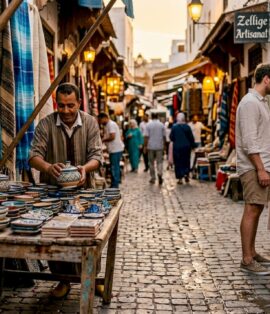
Spring weather in Morocco creates the goldilocks zone for travelers. Temperatures averaging 24°C provide warmth without the punishing heat that makes summer exploration exhausting. You can walk medina alleyways at midday, explore palace courtyards, and photograph architectural details without seeking shade every twenty minutes.
Cool evenings bring relief and comfortable sleeping conditions. Temperatures drop enough that rooftop dinners feel pleasant rather than stifling. This natural air conditioning means hotels without modern cooling systems remain comfortable, opening up charming riads and traditional accommodations that become unbearable in July and August.
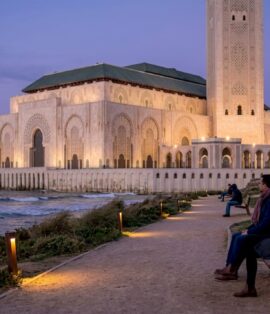
Regional variations add planning flexibility. Coastal cities like Essaouira and Casablanca experience breezy conditions that keep temperatures 3 to 5 degrees cooler than inland Marrakech or Fes. Mountain areas maintain crisp air perfect for hiking. Desert regions warm pleasantly during the day while nights stay cool enough for stargazing comfort.
“Spring transforms Morocco’s diverse climate zones into accessible playgrounds where every region offers comfortable exploration conditions.”
These weather patterns directly enable activities that define memorable Morocco trips:
- Extended walking tours through historic medinas without heat exhaustion
- Comfortable photography sessions capturing intricate tilework and architecture
- Outdoor dining experiences on terraces and in gardens
- Multi-day desert treks with pleasant daytime temperatures
- Mountain hiking adventures without altitude sickness from heat stress
Compare this to summer when Morocco weather regularly exceeds 38°C in cities, forcing travelers indoors during prime sightseeing hours. Winter brings its own challenges with cold mountain passes and chilly desert nights requiring heavy gear. Spring eliminates these extremes, creating conditions where you focus on experiences rather than battling climate.
Pro Tip: Pack layers even in spring. Mornings start cool, midday warms significantly, and evenings require light jackets, especially in mountain towns like Chefchaouen or Ifrane.
Spring travel experiences: culture, nature, and sightseeing
Spring unlocks Morocco’s most compelling destinations with comfortable conditions that transform sightseeing from endurance test to genuine pleasure. The mild temperatures make physically demanding activities like hiking and desert exploration genuinely enjoyable rather than survival challenges.
Prime spring destinations include Ourika Valley, Aït Benhaddou, and Chefchaouen, each offering distinct experiences enhanced by spring weather. Ourika Valley’s waterfalls flow strong from mountain snowmelt, creating dramatic cascades absent in drier months. Aït Benhaddou’s ancient kasbahs photograph beautifully under spring’s softer light without harsh summer glare. Chefchaouen’s blue streets remain cool enough for leisurely exploration and countless photo opportunities.
Cultural timing adds another dimension to spring travel. Early spring often coincides with Ramadan, creating a contemplative atmosphere where Morocco’s spiritual life becomes visible in daily rhythms. Streets quiet during fasting hours, then burst with energy at sunset iftar meals. The transition from Ramadan to Eid al-Fitr shifts the entire country from quiet reflection to joyous celebration, offering travelers a front-row seat to authentic cultural traditions.
You can strategically time your visit based on desired experiences:
- Early March during Ramadan for serene medina exploration and spiritual observation
- Late March around Eid for festive celebrations and vibrant street life
- April and May for pure sightseeing without religious holiday considerations
- Shoulder periods between major holidays for smallest crowds at popular sites
Lesser-known spring gems reward curious travelers. Le Jardin Secret in Marrakech offers tranquil gardens without the crowds crushing Jardin Majorelle. The Roman ruins at Volubilis near Meknes become accessible without summer’s scorching stone surfaces. Coastal Asilah transforms into an art lover’s paradise with spring festivals and gallery openings.
Spring also enables comfortable access to Marrakech’s diverse attractions from souks to palaces. You can spend full days exploring without the afternoon heat forcing retreat to air-conditioned spaces. Bahia Palace’s intricate courtyards, Ben Youssef Madrasa’s detailed tilework, and Saadian Tombs’ carved chambers all reveal their beauty under spring’s gentle conditions.
Pro Tip: Visit major attractions like Jemaa el-Fnaa square at different times. Morning brings calm setup activities, afternoon shows building energy, and evening delivers full sensory immersion with food stalls, musicians, and storytellers all active simultaneously.
Navigating tourist traffic and planning your spring trip
Spring popularity creates planning considerations that smart travelers address proactively. April sees increased tourist traffic as word spreads about ideal conditions, but crowds remain manageable compared to European summer vacation floods. Understanding visitor patterns helps you optimize timing and destination choices.
Seasonal comparison reveals spring’s sweet spot position:
| Season | Average Visitors | Weather Comfort | Cultural Events | Overall Value |
|---|---|---|---|---|
| Winter | Moderate | Cool to cold | Limited | Good for budget |
| Spring | High | Excellent | Rich | Best overall |
| Summer | Very High | Hot to extreme | Moderate | Challenging |
| Fall | Moderate to High | Good | Moderate | Strong alternative |
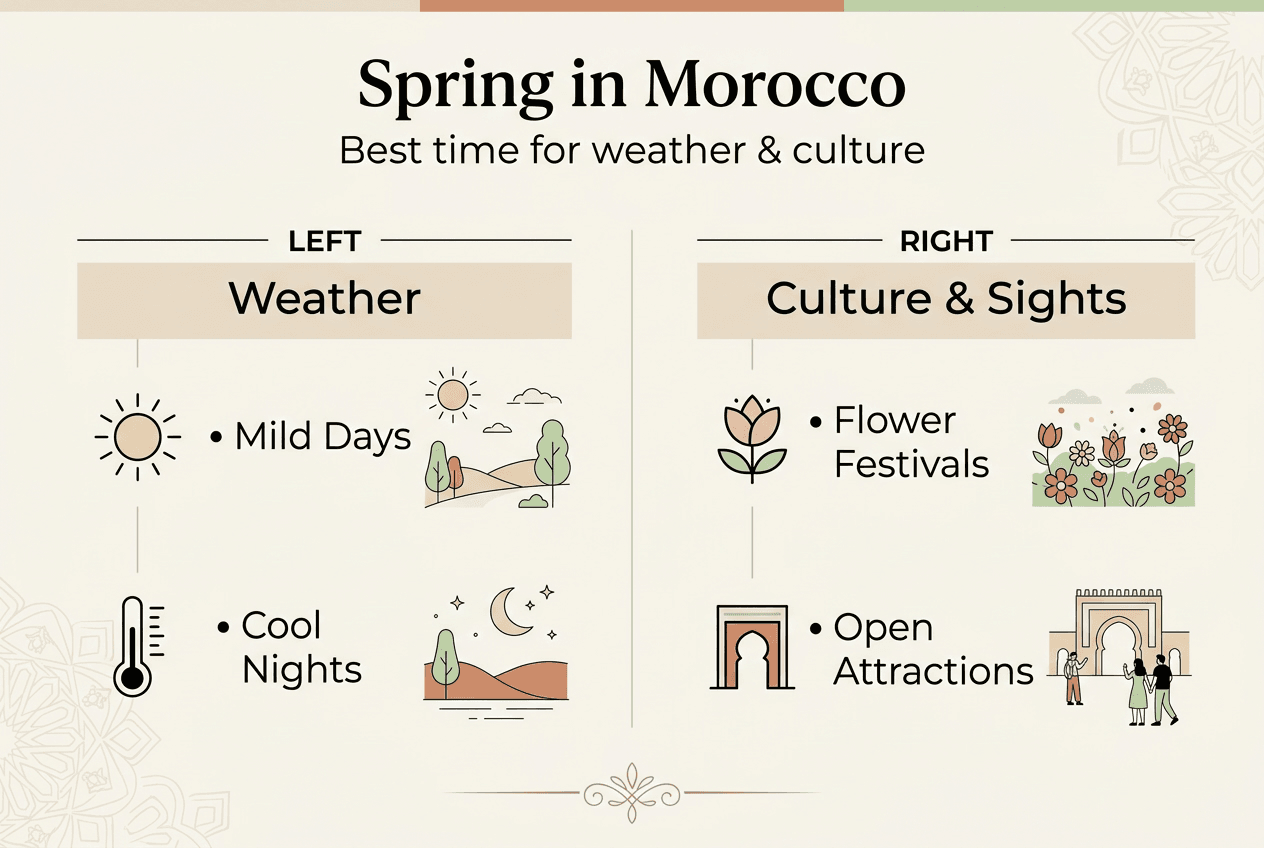
Recent data shows Morocco’s tourism momentum. Tourism revenues increased 19.3% in January 2026, signaling strong visitor growth that extends into spring months. This growth concentrates in popular destinations, making strategic planning essential for avoiding bottlenecks.
Crowd management strategies preserve experience quality:
- Visit major sites at opening time before tour groups arrive
- Explore popular destinations mid-week rather than weekends
- Choose accommodations in quieter medina neighborhoods away from main squares
- Book desert tours and mountain excursions with smaller group operators
- Consider secondary cities like Meknes instead of always choosing Fes or Marrakech
Understanding Morocco’s best travel timing means recognizing that late April and early May offer spring’s best weather with slightly fewer visitors than peak March and early April. School holidays in Europe drive visitor spikes, so checking international vacation calendars helps identify quieter windows.
Ramadan timing significantly impacts spring travel planning. The dates shift annually based on lunar calendars, affecting restaurant hours, attraction schedules, and overall atmosphere. Some travelers specifically seek Ramadan experiences for cultural immersion, while others prefer visiting after Eid when everything operates on standard schedules.
Pro Tip: Book riads and boutique hotels three months ahead for spring travel. Popular properties in prime medina locations fill quickly, and last-minute options often mean compromising on location or character.
Exploring diverse Moroccan landscapes comfortably in spring
Morocco’s geographic diversity becomes fully accessible during spring when comfortable temperatures favor both mountains and Sahara Desert exploration. The season eliminates the extreme conditions that make certain landscapes punishing or dangerous during other months.
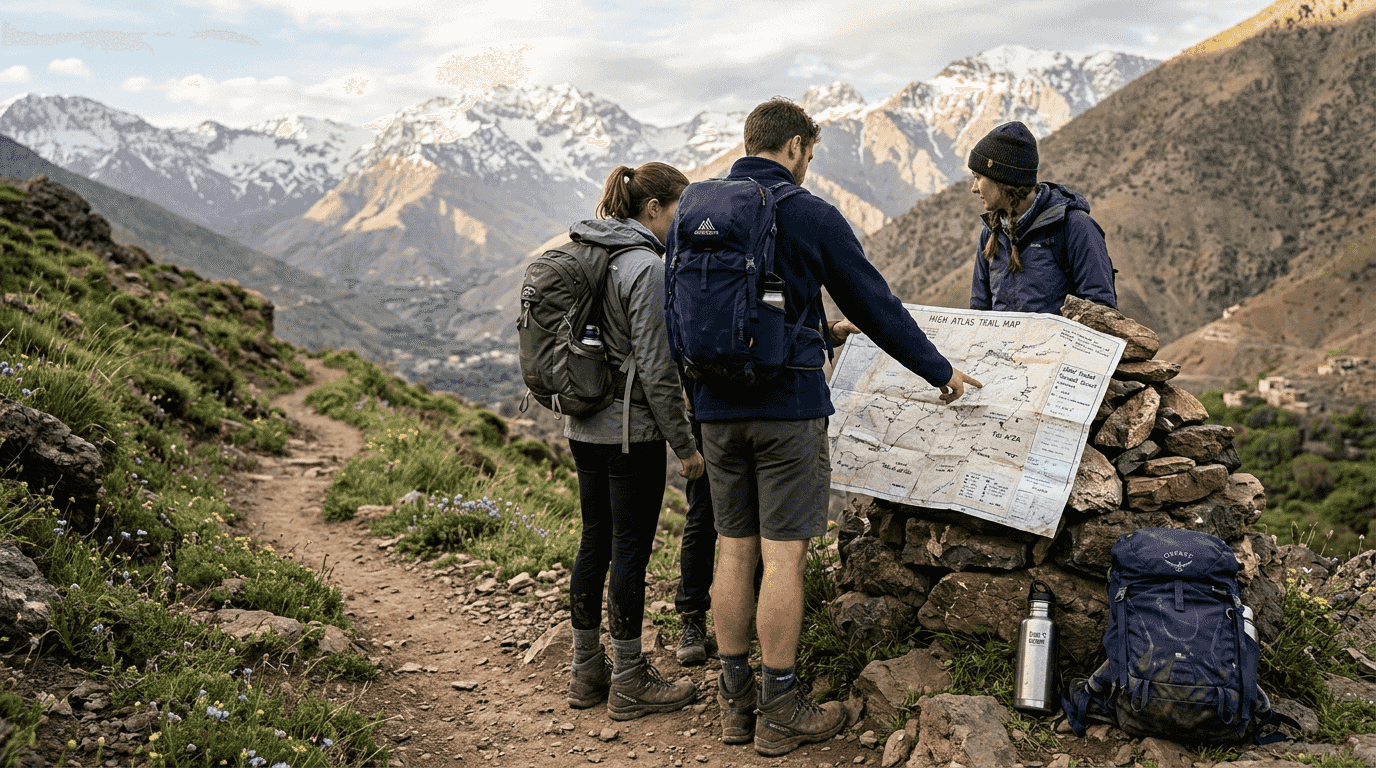
Atlas Mountains transform into hiking paradise as spring temperatures make elevation gains manageable without altitude-induced heat stress. Trails around Imlil, Toubkal Base Camp, and Paradise Valley offer stunning scenery without the snow that blocks winter access or the heat that makes summer ascents exhausting. Wildflowers bloom across mountain meadows, creating photography opportunities absent in other seasons.
Sahara Desert visits reach their peak appeal in spring. Daytime temperatures warm pleasantly without reaching the 45°C extremes that make summer desert travel dangerous. Nights cool enough for comfortable sleeping under stars without the freezing conditions that require heavy sleeping bags in winter. Camel treks, dune exploration, and desert camp experiences all benefit from this temperature balance.
Coastal destinations provide refreshing counterpoints to inland heat. Atlantic breezes keep Essaouira, Asilah, and Casablanca comfortably cool even as interior cities warm. Beach walks, seafood dining, and waterfront exploration become daily pleasures rather than occasional escapes from oppressive heat.
Regional temperature variations guide itinerary planning:
| Region | Spring Average (°C) | Ideal Activities | Best Month |
|---|---|---|---|
| Atlas Mountains | 15 to 22 | Hiking, village visits | April to May |
| Sahara Desert | 25 to 30 | Camel treks, camping | March to April |
| Atlantic Coast | 18 to 23 | Beach walks, surfing | April to May |
| Imperial Cities | 22 to 27 | Sightseeing, culture | March to May |
Activity planning by region maximizes spring advantages:
- Mountains: Multi-day treks, Berber village homestays, waterfall hikes, photography expeditions
- Desert: Overnight camps, sunrise dune climbs, 4×4 adventures, traditional music experiences
- Coast: Surfing lessons, seafood tours, medina exploration, art gallery visits
- Cities: Walking tours, cooking classes, hammam experiences, architectural photography
The Morocco desert trip experience particularly shines in spring when you can enjoy full days exploring dunes, fossil beds, and oasis towns without seeking shade every hour. Merzouga’s massive dunes, Zagora’s palm groves, and Erg Chigaga’s remote expanses all become accessible playgrounds.
Combining regions in single trips works beautifully in spring. You can trek mountains one week, explore imperial cities the next, then finish with desert camping without weather forcing compromises. This flexibility creates comprehensive Morocco experiences that capture the country’s full diversity.
Pro Tip: Schedule desert portions earlier in spring and mountain activities later. March desert temperatures prove ideal while mountains may still hold snow at high elevations. By May, mountains fully open while deserts start warming toward summer extremes.
Plan your perfect spring trip to Morocco with Top Morocco Travel
Experiencing Morocco’s spring magic requires more than good timing. It demands local expertise, seamless logistics, and insider access to experiences beyond standard tourist circuits. Top Morocco Travel transforms spring’s natural advantages into unforgettable journeys through tailored tours designed around your interests and pace.
Our spring packages leverage ideal weather for comprehensive exploration. Imperial cities tours combine Marrakech’s vibrant energy, Fes’s ancient medina, Meknes’s grand architecture, and Rabat’s coastal charm in comfortable itineraries. Desert expeditions time activities for optimal temperatures while cultural immersions connect you with local artisans, chefs, and guides who reveal Morocco’s authentic character.
Expert planning handles the details that make or break spring travel. We navigate Ramadan schedules, secure prime accommodations before they fill, and craft routes that avoid peak crowds while capturing essential experiences. Whether you envision luxury riads, adventure camping, or cultural deep dives, our Morocco travel packages deliver spring journeys matching your vision. Start planning your spring Morocco adventure today and discover why this season creates travel memories that last lifetimes.
FAQ
Is spring the best time to visit Morocco?
Spring arguably offers Morocco’s best overall travel conditions by balancing comfortable weather, rich cultural events, and manageable crowds. The season avoids summer’s extreme heat and winter’s cold while delivering temperatures perfect for diverse activities from desert treks to city exploration. Tourist numbers increase in April but remain well below summer peaks, allowing authentic experiences at major sites. Cultural celebrations around Ramadan and Eid create unique immersion opportunities unavailable in other seasons, making spring ideal for travelers seeking both comfort and cultural depth.
What should I pack for a Morocco spring trip?
Pack versatile layers accommodating spring’s temperature variations throughout the day. Lightweight long-sleeve shirts, breathable pants, and a light jacket handle cool mornings and evenings while allowing comfortable midday exploration. Comfortable walking shoes prove essential for medina cobblestones and uneven terrain at historical sites. Include sun protection like hats and sunscreen for desert and mountain regions where spring sun intensifies at altitude. A scarf serves multiple purposes from sun protection to modest covering when visiting religious sites.
How does Ramadan affect travel in Morocco during spring?
Ramadan creates distinct travel experiences depending on timing within the holy month. Early Ramadan brings quieter, more contemplative atmospheres as locals observe fasting and prayer schedules. Many restaurants close during daylight hours, though tourist areas maintain some dining options. Business hours shift with some attractions opening later or closing earlier. The end of Ramadan transitions into Eid al-Fitr celebrations featuring festive meals, family gatherings, and joyous street life. Plan your spring trip timing based on whether you prefer observing spiritual traditions or experiencing celebratory energy.
Which Moroccan regions are best to visit in spring?
All Moroccan regions become accessible and enjoyable during spring, but certain areas particularly shine. The Atlas Mountains offer spectacular hiking with blooming wildflowers and comfortable temperatures for elevation gains. Sahara Desert regions like Merzouga and Zagora provide ideal conditions for camel treks and overnight camps without extreme heat. Imperial cities deliver comfortable urban exploration with extended walking possible throughout the day. Coastal areas offer refreshing breezes and pleasant beach weather. Spring’s moderate temperatures mean you can combine multiple regions in one trip without weather forcing compromises or uncomfortable conditions.
Recommended
- Morocco Weather by Month: Plan Your Perfect Trip
- 7 Essential Morocco Desert Trip Tips for Every Traveler
- Morocco Travel Itinerary: Your Guide to an Unforgettable Adventure – Top Morocco Travel
- Best Time to Visit Morocco : Guide for Every Traveler
- 7 Meilleures périodes pour voyager en Namibie – Namibia Luxury Safaris | Book Your 2025/2026 Adventure Today
- When is the Best Time to Travel to Costa Rica? | CRWT


Comments are closed