




- Morocco is highly affordable for American travelers, with daily budgets from $30 to over $400 depending on travel style.
- Knowing real costs for accommodation, food, and activities helps tourists avoid overpaying and makes trip planning easier.
- Budgeting effectively allows travelers to enjoy Morocco’s authentic experiences without excessive expenses.
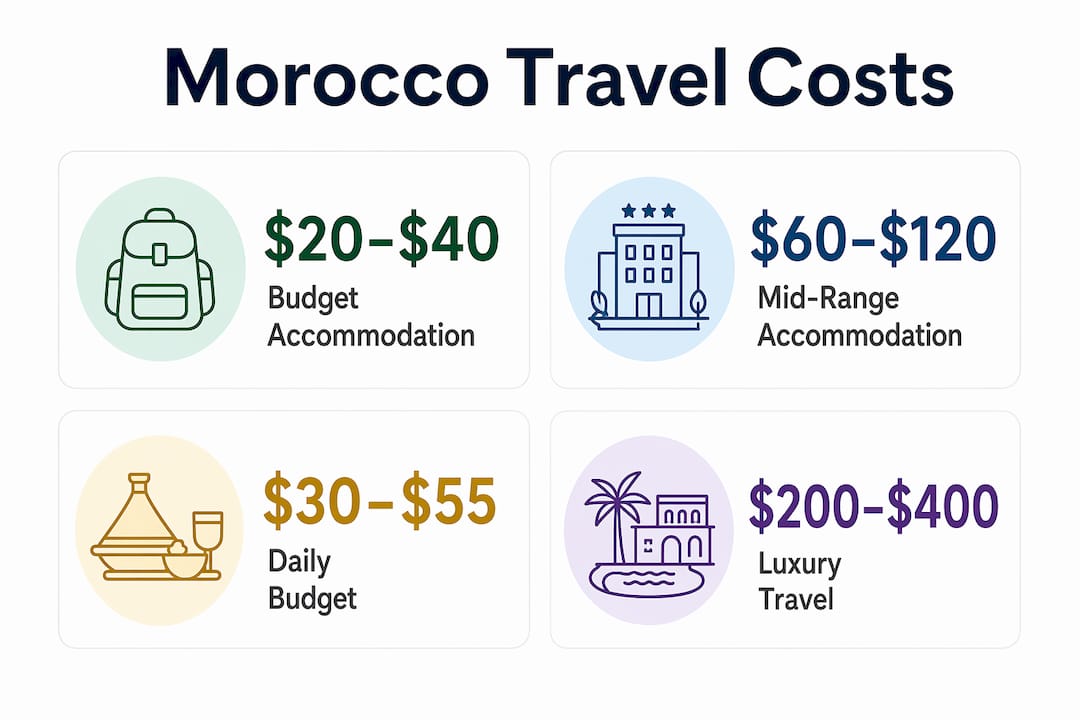
Morocco is one of the most affordable destinations in the world for American travelers, with daily budgets ranging from $30 to $400+ depending on your travel style. Budget travelers can cover accommodation, food, and local transport for $30–$55 per day. Mid-range travelers spend $70–$120, while luxury trips run $200–$400 or more. The Moroccan dirham (MAD) trades at roughly 10 MAD per $1 USD, which makes your dollar go far. Understanding Morocco travel costs before you book is the single most effective way to avoid overpaying and under-planning.
What are the typical Morocco travel costs for accommodation, food, and transport?
The cost of traveling in Morocco breaks down cleanly into three categories: where you sleep, what you eat, and how you get around. Each category has a wide price range, and knowing the specifics lets you build a realistic daily budget before you land.
Accommodation: from hostels to luxury riads
Accommodation ranges from $20 per night for a budget riad or hostel dorm to $400+ for a five-star property. That spread reflects real options, not outliers. A mid-range riad in Fes or Marrakech runs $60–$120 per night and typically includes breakfast, which cuts your food costs. Boutique riads outside the medina center offer better quality at lower prices than those right on the main tourist squares.
Pro Tip: Book riads directly through their own websites instead of third-party platforms. Direct bookings can secure 10–20% discounts, especially during low season from November through February.
If you want to understand what makes a riad different from a standard hotel, the TopMoroccoTravel guide on what a riad is explains the architecture, pricing, and what to expect from an authentic stay.
Food: street stalls to sit-down restaurants
Street food in Morocco is genuinely cheap and genuinely good. A bowl of harira soup, a msemen flatbread, or a skewer of kefta costs $1–$3 at a local stall. Street food meals average $2–$5, while a sit-down meal at a mid-range restaurant runs $15–$25 per person. That gap matters when you multiply it across 10 days.
Upscale dining in Marrakech or Casablanca can push $50–$80 per person with drinks. The key insight is that food quality does not scale linearly with price in Morocco. A $4 tagine from a neighborhood restaurant often outperforms a $30 version served to tourists in a medina square.
Transport: trains, buses, and taxis
Morocco’s rail and bus networks are the budget traveler’s best tool for intercity travel. Train and bus tickets between major cities cost $5–$15, making routes like Casablanca to Marrakech or Rabat to Fes genuinely affordable. ONCF, Morocco’s national rail operator, runs reliable, air-conditioned trains on the main corridors.
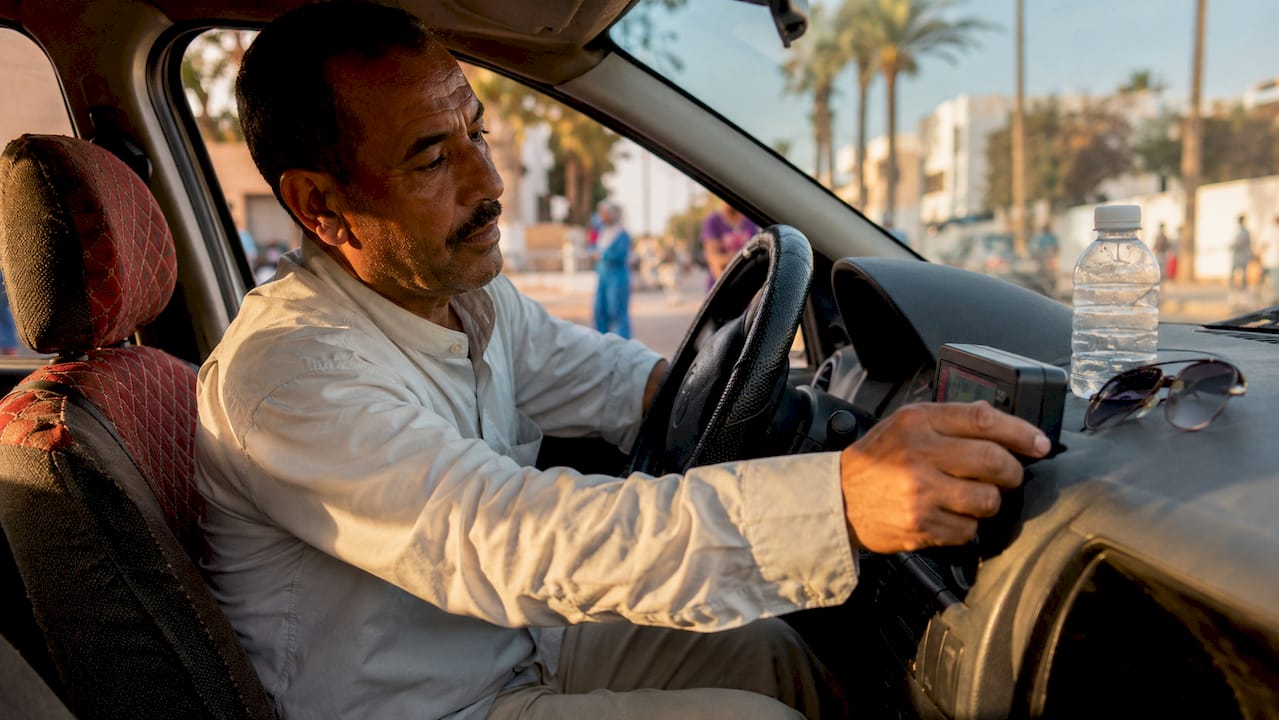
Within cities, petit taxis are the standard option. Fares for short city trips run $1–$3 when the meter is used. Private transfers from airports or between cities cost significantly more, typically $30–$80 depending on distance.
| Category | Budget | Mid-Range | Luxury |
|---|---|---|---|
| Accommodation (per night) | $20–$40 | $60–$120 | $200–$400+ |
| Meals (per day) | $8–$15 | $25–$45 | $60–$100+ |
| Local Transport (per day) | $3–$8 | $10–$20 | $30–$80+ |
| Daily Total | $30–$55 | $70–$120 | $200–$400+ |
How do travel costs vary across Morocco’s regions and cities?
Location is the single biggest variable in your Morocco trip expenses. The same tagine costs three times more on Marrakech’s Djemaa el-Fna square than it does two streets away. Understanding where price inflation lives helps you spend like a local instead of a tourist.
Marrakech: high traffic, high prices
Marrakech is Morocco’s most visited city, and prices reflect that. Medina-center riads and restaurants charge a premium because tourists pay it. Meal and souvenir prices in tourist-dense medina squares can run 300–500% higher than spots just 10–15 minutes away on foot. That is not an exaggeration. A mint tea on Djemaa el-Fna costs $3–$5. The same tea at a neighborhood cafe costs $0.50.
Staying outside the medina core in Marrakech’s Gueliz neighborhood cuts accommodation costs by 20–30% and puts you near good local restaurants with honest pricing.
Fes: more authentic, still affordable
Fes is cheaper than Marrakech across almost every category. The medina is a UNESCO World Heritage Site and draws visitors, but the city has not been as heavily commercialized. Mid-range riads in Fes run $50–$90 per night. Local restaurant meals average $8–$15. The Top Morocco Travel guide to experiencing Fes authentically covers the best neighborhoods to stay in for value without sacrificing access to the main sites.
Casablanca: morocco’s business capital
Casablanca operates on a different economic register than the imperial cities. It is Morocco’s commercial hub, so mid-range hotels and restaurants cater to business travelers rather than backpackers. Budget options are fewer, and the city’s main draw is its modern urban character rather than medina culture. Expect to pay 15–25% more for accommodation here compared to Fes.
Practical tips for saving by location
- Walk 10–15 minutes from any major tourist square before sitting down to eat or shop. Prices drop immediately.
- In Marrakech, the Mellah neighborhood and areas near Bab Doukkala offer local pricing on food and goods.
- In Fes, the Bou Jeloud area near the Blue Gate is tourist-priced. Move one block deeper into the medina for real costs.
- Chefchaouen and Essaouira are smaller cities with lower accommodation costs than Marrakech, making them excellent budget stops on a longer itinerary.
- Metered taxis are mandated by Moroccan law in cities. If a driver refuses to use the meter, walk away and find another cab.
What activities and experiences impact your Morocco travel budget?
Activities are where Morocco trip expenses vary most dramatically. A Sahara desert tour can cost $80 or $800 depending on what you book and how you book it. Getting this right requires knowing the real price benchmarks before you talk to anyone selling tours.
Sahara desert tours: the biggest ticket item
The Sahara overnight tour is the most popular excursion in Morocco and the most price-variable. Standard overnight desert tours cost $80–$150 per person, covering transport from Marrakech or Fes, a night in a desert camp, camel riding, and meals. Luxury camp options with private tents, gourmet food, and stargazing programs run $300 or more per person. Two or three-night options are available and offer better value per day than single-night packages.
The TopMoroccoTravel Morocco desert tours page shows current package options across budget and luxury tiers, which is useful for price comparison before you negotiate with any local operator.
Common activity costs at a glance
| Activity | Budget Option | Mid-Range | Luxury |
|---|---|---|---|
| Sahara overnight tour | $80–$150 | $150–$250 | $300+ |
| Hammam (traditional bath) | $8–$15 | $20–$40 | $60–$100+ |
| Guided medina walking tour | $15–$25 | $40–$70 | $100+ |
| Cooking class | $30–$50 | $60–$90 | $120+ |
| Museum/site entry fees | $2–$5 | $5–$10 | N/A |
How to avoid tour markups
Booking excursions through hotels or riads typically includes significant markups compared to booking directly with local operators. The front desk is a convenience, not a bargain. The standard markup on hotel-booked tours runs 20–40% above what you would pay by contacting a local outfitter directly.
Pro Tip: Search for vetted local tour operators in each city before you arrive. Compare prices online, then confirm directly by phone or email. This approach consistently delivers better pricing and more flexible itineraries than booking through your accommodation.
Hammams are a cultural experience worth budgeting for. A local neighborhood hammam costs $3–$8 and is the real version of the experience. Tourist hammams in medina centers charge $30–$60 for a similar service with added comfort but less authenticity.
How to plan and manage your morocco travel costs effectively
Smart planning is what separates travelers who come home saying Morocco was cheap from those who say it was expensive. The difference is rarely luck. It is preparation and a few specific habits practiced consistently throughout the trip.
-
Travel in low season. Seasonal booking from November through February can reduce accommodation and flight costs by 30–40%. The weather is cooler but still pleasant in most regions, and major sites are far less crowded.
-
Book accommodation directly. Contact riads and guesthouses by email before booking through Booking.com or Airbnb. Ask for their direct rate. Most will offer a discount to avoid platform fees, and direct booking discounts of 10–20% are standard.
-
Use trains and buses for intercity travel. ONCF trains and CTM buses are comfortable, punctual, and a fraction of the cost of private transfers. A Marrakech to Casablanca train ticket costs around $12. A private transfer for the same route costs $80–$120.
-
Eat where locals eat. Look for restaurants with handwritten menus in Arabic or French and no English translation posted outside. These spots serve the same dishes at 30–50% of tourist restaurant prices. The food is fresher because the turnover is higher.
-
Negotiate in markets, but know the baseline. Souks operate on negotiation culture, but you need a reference price first. Check a few stalls for the same item before committing to any purchase. Starting at 40–50% of the first asking price is a reasonable opening position for most goods.
-
Stay longer in fewer places. Moving cities every day adds transport costs and eats time. Spending three or four nights in one city lets you find good local spots, negotiate better weekly rates at your accommodation, and spend less on daily logistics.
-
Pack light to avoid baggage fees. Many budget travelers on Morocco trips use Ryanair or easyJet for European connections. Checked bag fees on these carriers can add $40–$80 per flight. A carry-on-only strategy eliminates that cost entirely.
Pro Tip: Download the ONCF app before your trip to check train schedules and book tickets in advance. Seats on popular routes like Casablanca to Marrakech sell out on weekends and during Moroccan public holidays.
For families planning a Morocco trip, TopMoroccoTravel has a dedicated guide on budgeting a family vacation that covers group accommodation deals and activity discounts that apply specifically to families traveling together.
Key takeaways
Morocco is affordable across all travel styles when you know the real price benchmarks and apply a few consistent habits throughout your trip.
| Point | Details |
|---|---|
| Daily budget tiers | Budget travelers spend $30–$55 per day, mid-range $70–$120, and luxury $200–$400+. |
| Book accommodation directly | Direct Riad bookings save 10–20% over third-party platforms, especially in low season. |
| Avoid Medina Center pricing | Walking 10–15 minutes from tourist squares cuts meal and souvenir costs by up to 500%. |
| Use metered taxis and trains | ONCF trains and metered petit taxis are the most cost-effective transport options in Morocco. |
| Book tours directly | Bypassing hotel desks and booking with local outfitters saves 20–40% on excursions. |
What i’ve learned from watching travelers get morocco wrong
After years of helping travelers plan Morocco trips through TopMoroccoTravel, the pattern is consistent. The people who overspend are not the ones with small budgets. They are the ones who did not research prices before arriving.
The medina of Marrakech is designed to disorient you. That is part of its charm. But disorientation is expensive when you are negotiating a taxi fare or agreeing to a tour price without knowing what it should cost. I have seen travelers pay $60 for a guided medina walk that costs $20 when booked in advance. I have seen $150 desert tours sold for $400 at a riad front desk. The markup is not malicious. It is simply the market responding to uninformed buyers.
The travelers who get the most out of Morocco on a budget share one trait: they treat price research as part of trip planning, not an afterthought. They know that a hammam costs $5 locally before they walk into a tourist spa charging $50. They know the train fare before they accept a taxi quote. That knowledge is not about being cheap. It is about spending your money on the experiences that matter instead of on avoidable markups.
Morocco rewards curiosity. The best meals, the most interesting conversations, and the most memorable experiences in this country are almost always the cheapest ones. A family inviting you to share tea in their home costs nothing. A sunrise in the Sahara from a $100 camp is identical to the one from a $400 camp. The country itself is the value. Your job is to not let the tourist economy obscure that.
— Topmoroccotravel.com
Plan your morocco trip with TopMoroccoTravel.com.
TopMoroccoTravel builds itineraries and Morocco travel packages across every budget tier, from budget-focused cultural tours to fully customized luxury experiences. Every package is designed to give you authentic access to Morocco’s cities, deserts, and coastline without the markups that come from booking piecemeal. The team handles accommodation, transport, guided experiences, and desert excursions as a single coordinated plan. Start with the complete Morocco travel guide to map out your itinerary, compare cost tiers, and find the package that fits your travel style and budget.
FAQ
What is the average daily cost in Morocco?
Budget travelers average $30–$55 per day, mid-range travelers $70–$120, and luxury travelers $200–$400 or more, covering accommodation, food, and local transport but not international flights.
Is Morocco expensive to visit compared to Europe?
Morocco is significantly cheaper than Western Europe across every spending category. Accommodation, meals, and transport cost roughly 50–70% less than equivalent options in Spain or France.
How much does a one-week Morocco trip cost in total?
A budget backpacker covers one week for $350–$500, mid-range travelers spend $1,200–$1,800, and luxury trips run $5,000 or more, excluding international flights.
When is the cheapest time to visit Morocco?
Low season from November through February offers the lowest prices. Seasonal discounts of 30–40% on accommodation and flights are common during this period, and major sites are less crowded.
How do I avoid tourist price markups in Morocco?
Walk at least 10–15 minutes away from major tourist squares before eating or shopping; always insist on metered petit taxis, and book tours directly with local operators rather than through your hotel or riad.
Comments are closed