




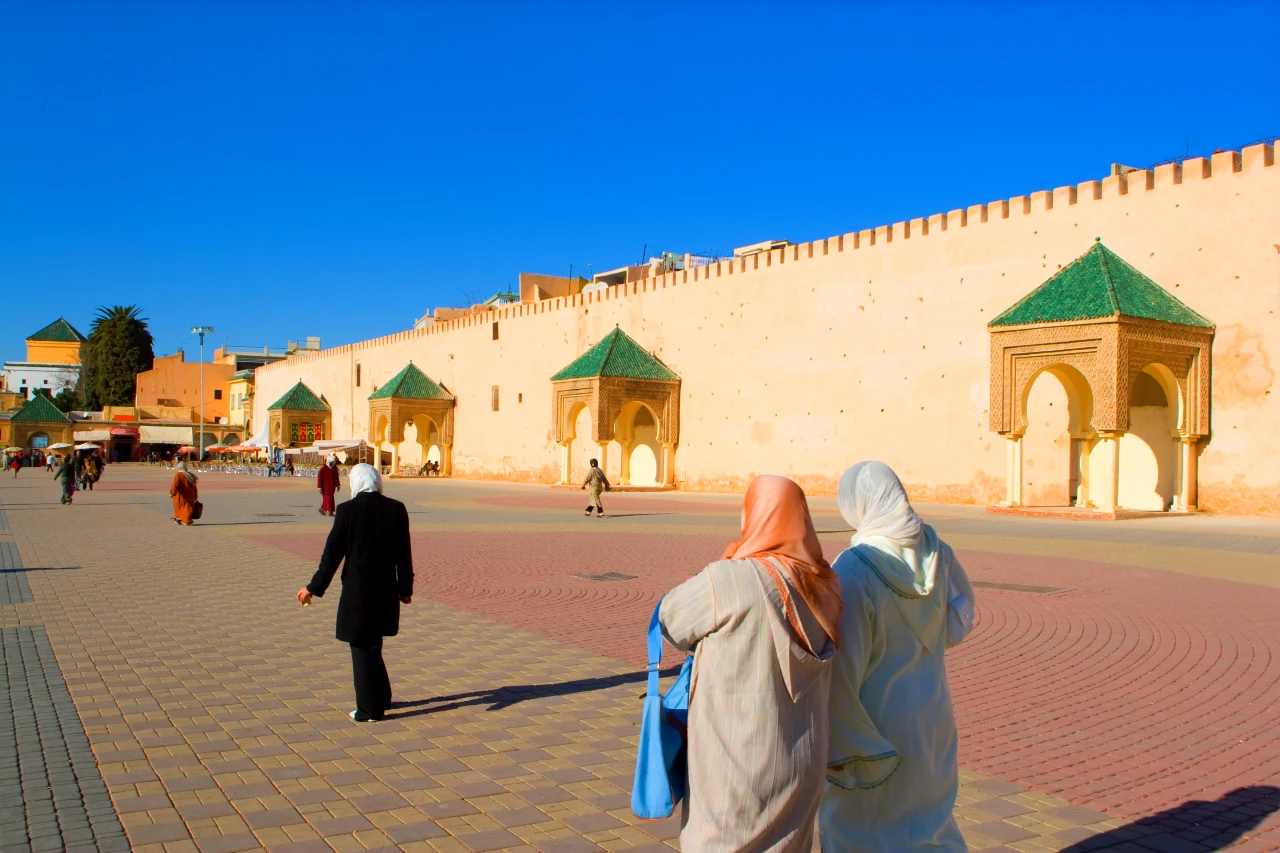
- Meknes is a UNESCO-listed imperial city in Morocco that offers authentic cultural experiences with fewer tourists.
- Its Hispano-Moorish architecture, well-preserved monuments, and layered urban design reveal a rich historical legacy worth exploring.
- Guided tours enhance understanding by connecting monuments to their imperial and craft origins, providing a deeper, more immersive visit.
Few travelers put Meknes on their Morocco itinerary first, and that oversight is worth questioning. While Fez and Marrakech absorb most of the tourist energy, Meknes quietly holds its own as an imperial capital with UNESCO-protected monuments, a living medina, and a 17th-century urban vision that rivals anything in North Africa. This guide covers the essential Meknes attractions, explains why guided tours change the experience entirely, and gives you the practical detail you need to visit with confidence, whether you are planning a standalone trip or weaving Meknes into a broader Moroccan journey.
Table of Contents
- The imperial legacy of Meknes: architecture and urban design
- Why guided tours unlock authentic cultural immersion in Meknes
- Must-see Meknes sites: combining heritage, local life, and lesser-known gems
- Planning day trips and excursions: Volubilis and vineyards near Meknes
- Navigating Meknes today: visitor tips for authentic experiences and smooth travel
- Why Meknes offers a uniquely authentic Moroccan imperial experience today
- Plan your cultural immersion journey in Meknes with Top Morocco Travel
- Frequently asked questions
Key Takeaways
| Point | Details |
|---|---|
| Meknes’ unique heritage | Meknes combines grand imperial architecture with traditional medina urbanism, making it a distinctive Moroccan imperial city. |
| Value of guided tours | Guided tours reveal the layered history and urban design of Meknes, enriching cultural immersion beyond surface sightseeing. |
| Major sites to visit | Key attractions include Bab Mansour Gate, Heri es-Souani granaries, and the Mausoleum of Moulay Ismail, offering authentic visitor experiences. |
| Efficient day trips | Pair Meknes visits with nearby Volubilis ruins and vineyards for diverse cultural and historical excursions. |
| Authentic travel tips | Stay near the medina, use local transport wisely, and engage respectfully with locals for a genuine Meknes experience. |
The imperial legacy of Meknes: architecture and urban design
To fully appreciate Meknes, it’s essential to understand its origins as Morocco’s grand imperial capital and the architectural vision behind its cityscape.
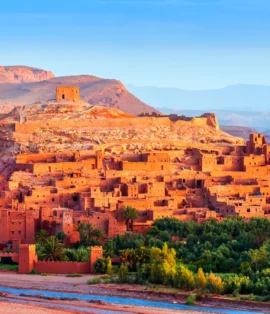
Meknes represents Sultan Moulay Ismail’s ambitious vision to create Morocco’s grandest imperial capital, transforming a modest medieval town into a monumental showcase of Alawite dynasty power during the late 17th and early 18th centuries. Moulay Ismail ruled from 1672 to 1727, and he used that half-century to build on a scale that still staggers visitors today. Massive walls, ceremonial gates, royal granaries, and military quarters were constructed with a workforce that numbered in the tens of thousands.
The architectural style is Hispano-Moorish, meaning it draws from both Andalusian Islamic traditions and local Maghrebi craft. Think intricate zellige tilework (hand-cut ceramic mosaics), carved stucco panels called “gebs,” and monumental arched gateways decorated with geometric patterns. These elements are not decorative afterthoughts. They carry symbolic weight, communicating imperial authority and divine legitimacy to anyone who passes through.
What makes Meknes distinctive among historical monuments in Morocco is how the imperial city and the traditional medina sit side by side without merging. The imperial precinct was designed for power and ceremony. The medina was built for daily life. Walking between them, you feel a genuine shift in scale and intention.
Key architectural features that define Meknes today:
- Bab Mansour gate, considered the finest example of monumental gateway architecture in all of North Africa
- Heri es-Souani, a complex of royal granaries and stables built with passive cooling systems centuries before modern engineering
- The Riad Sultane, the inner palace district with gardens and reception halls
- Ramparts and bastions stretching for kilometers, enclosing the imperial quarter
- The traditional medina, a UNESCO World Heritage site since 1996
“Meknes earned UNESCO World Heritage recognition in 1996 as an exceptionally well-preserved example of 17th-century Maghrebi urbanism, where monumental imperial architecture and traditional medina urban form exist in rare and coherent combination.”
That combination is the core of what makes Meknes worth your time.
Why guided tours unlock authentic cultural immersion in Meknes
Understanding Meknes’ imperial design sets the stage to see how guided tours unlock the city’s layered cultural heritage for visitors.
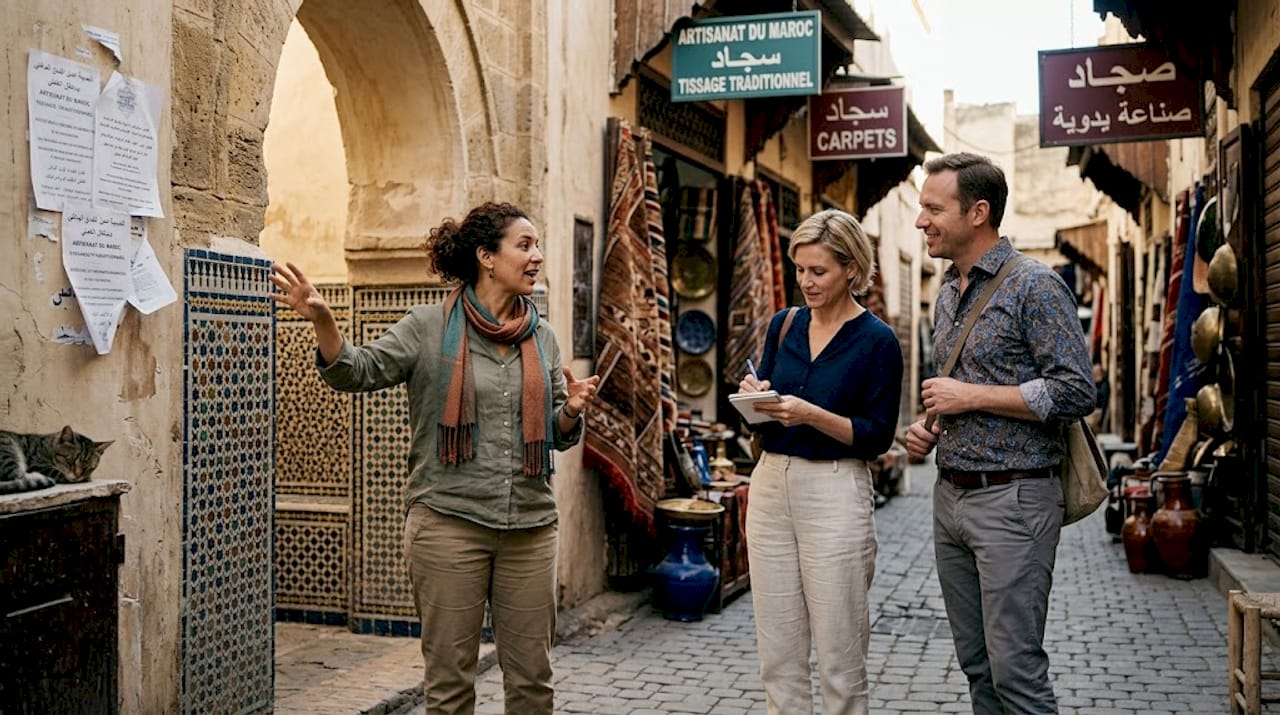
The UNESCO-framed heritage visiting works best as “layered walking”: the World Heritage rationale for Meknes is not just individual monuments but how monumental imperial architecture and traditional medina urban form connect. Guided tours that explain urban planning, military engineering, and craft influences typically deliver more cultural immersion than a checklist approach. Without context, Bab Mansour is a beautiful gate. With a guide, it becomes a political statement, a feat of engineering, and a window into a 17th-century court culture that consciously competed with Versailles.
Here is what a well-structured guided experience in Meknes actually delivers:
- Urban grammar explained: a good guide shows you how the imperial district’s grid served military logistics, while the medina’s organic layout served neighborhood life and commerce.
- Architectural motifs decoded: you learn to read zellige patterns as regional signatures and to identify which craftwork traditions come from Andalusian refugee communities.
- Living culture connected to historical roots: the same blacksmith quarter that supplied Moulay Ismail’s cavalry still operates today. Guides point these continuities out.
- Pacing that serves reflection: unlike guided tours in high-volume cities, Meknes guides rarely rush because there is no crowd pressing from behind.
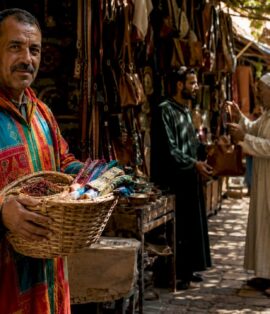
- Access to locals: Smaller tourist volume means guides have personal relationships with artisans, stallholders, and families who speak frankly about city life.
Pro Tip: Look for guides who specialize in cultural immersion activities in Morocco rather than monument-only tours. Ask specifically whether they cover urban planning and craft history in their routes. If they look blank, find someone else.
Because Meknes draws fewer visitors than Fez, tours feel conversational rather than choreographed. You can stop, ask questions, and change direction without derailing a large group schedule. That flexibility is genuinely rare in Morocco’s imperial cities, and it is one of the strongest arguments for visiting Meknes before it gets discovered. The cultural immersion approach that works well elsewhere in Morocco works even better here simply because the conditions for it are better.
Must-see Meknes sites: combining heritage, local life, and lesser-known gems
With a deeper appreciation for Meknes’ layered heritage, let’s explore its essential sites, blending imperial grandeur with authentic local rhythm.
Meknes remains overlooked relative to more famous Fez and Marrakech despite possessing architectural monuments of comparable quality and historical significance, with reduced tourist numbers creating advantages, including authentic experiences, less commercial pressure, and more intimate engagement with heritage sites. That lower footfall translates directly into a better visitor experience at each of the major sites.
Here is a breakdown of the best things to do in Meknes and what makes each one worth your time:
- Bab Mansour gate: the most photographed site in Meknes, and deservedly so. The gate’s scale is theatrical, covered in zellige and flanked by marble columns taken from the Roman ruins at Volubilis. Visit at sunset when the ochre stone glows.
- Heri es-Souani granaries and stables: an engineering marvel. The vaulted storage rooms were built with thick walls and underground water channels to maintain a stable temperature year-round, preserving grain for an army. The stables reportedly housed up to 12,000 horses.
- Mausoleum of Moulay Ismail: The mausoleum offers spellbinding architecture and is one of the few mausoleums in Morocco open to non-Muslims, making it a rare and genuinely moving visit.
- Place Hedim: the main square of the medina, where locals actually congregate. Less performative than Marrakech’s Djemaa el-Fna, more authentic in its rhythms.
- Dar Jamai Museum: Housed in a former vizier’s palace, this museum displays traditional Moroccan arts, musical instruments, and regional textiles with a quality of setting that rivals the collections.
- Habs Qara: the underground prison complex, allegedly built to hold thousands of Christian captives. It is atmospheric, genuinely eerie, and historically important.
| Site | Entry fee (approx.) | Best time to visit | Time needed |
|---|---|---|---|
| Bab Mansour gate | Free (exterior) | Sunset | 20-30 minutes |
| Heri es-Souani | ~10 MAD | Morning | 45-60 minutes |
| Mausoleum of Moulay Ismail | Free | Mid-morning | 30-45 minutes |
| Dar Jamai Museum | ~10 MAD | Anytime | 45-60 minutes |
| Habs Qara | ~10 MAD | Morning | 30 minutes |
| Place Hedim | Free | Late afternoon | 30-60 minutes |
Pro Tip: Visit the UNESCO World Heritage Morocco sites page before you go to understand the specific urban fabric features that earned Meknes its designation. You will look at the medina streets differently once you know what the listing actually describes.
Planning day trips and excursions: Volubilis and vineyards near Meknes
Beyond Meknes’ city limits, day trips to Volubilis and vineyard visits offer enriching excursions complementing your imperial and cultural exploration.
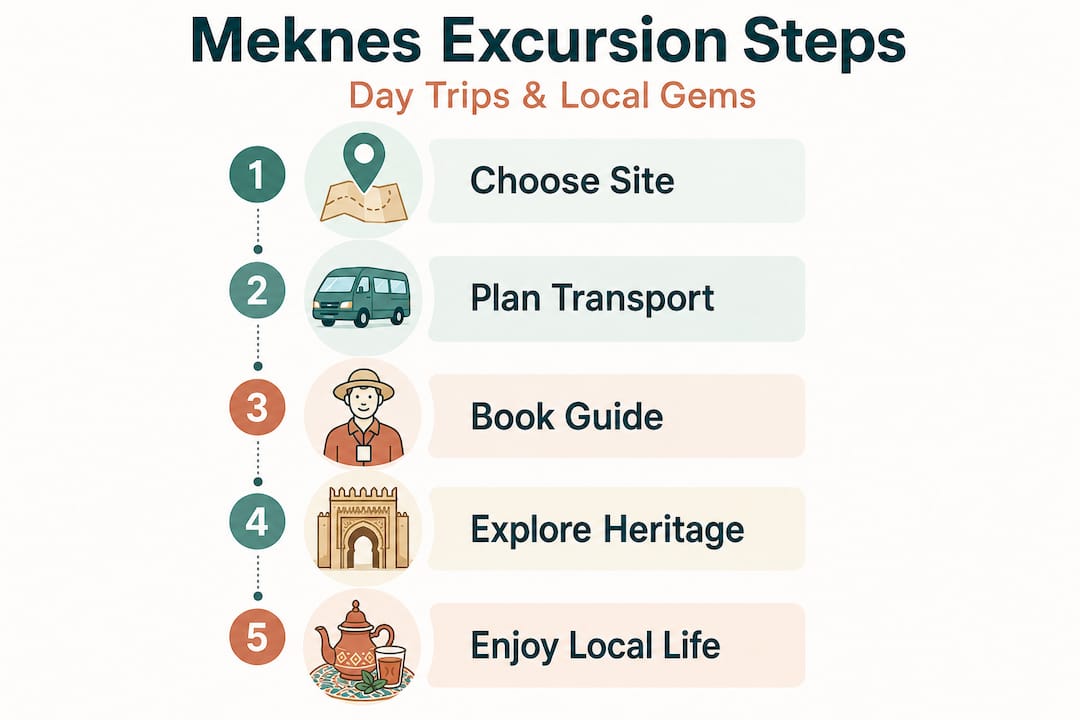
Volubilis is Morocco’s best-preserved Roman archaeological site, and it sits roughly 30 kilometers from Meknes. The timing works well. Insiders typically structure it as: train or coach into Meknes, then a dedicated out-and-back day or half-day to Volubilis since the Roman site is roughly 30 km from Meknes, making it logistically cleaner than starting from farther cities like Fez or Casablanca.
How to organize the excursion efficiently:
- Arrive in Meknes by train: the ONCF train network connects Meknes to Casablanca, Rabat, and Fez with regular services.
- Settle into your accommodation near the medina: drop your bags before heading out.
- Take a grand taxi from Meknes to Volubilis: negotiate a return fare, including waiting time. Budget around 200 to 250 MAD for a private round trip.
- Spend 2 to 3 hours at Volubilis: the site covers 42 hectares and includes remarkably intact mosaic floors, a triumphal arch, and a forum.
- Return to Meknes for an evening in the medina: the combination of Roman and Islamic imperial history in a single day is genuinely powerful.
Beyond Volubilis, Meknes sits at the heart of one of Morocco’s most productive wine regions.
- Château Roslane: produces structured reds from Cabernet Sauvignon and Syrah, with vineyard tours and tastings available by appointment.
- Domaine de Baccari: a smaller producer with a more intimate tasting experience.
- Advance booking matters here. Vineyard visits are not walk-in affairs. Check availability at least a few days ahead.
These Moroccan city exploration tips apply directly to the Meknes region: build flexibility into your itinerary so that a longer stay at Volubilis or a spontaneous vineyard visit does not force you to rush your time in the medina.
Navigating Meknes today: visitor tips for authentic experiences and smooth travel
Having explored Meknes’ heritage and excursions, practical travel tips will ensure your visit is enjoyable, authentic, and hassle-free.
Meknes’ smaller scale and lower tourist volume contribute to a lower hassle scale, more conversational guided tours, and more authentic engagements compared to more crowded imperial city peers. That lower intensity does not mean you can be careless with logistics, though.
Practical considerations to know before you arrive:
- The medina is compact and walkable: most of the major sites sit within 20 to 30 minutes of walking from a medina-based hotel.
- Train and bus stations are not central: both are several kilometers from the old town. Take a petit taxi when you arrive with luggage. The fare to the medina should be under 20 MAD.
- Stay near the medina for cultural immersion: Riads inside the medina put you inside the urban fabric you have come to experience. The ville nouvelle (new city) offers modern amenities and restaurants if that is your preference.
- Prices are favorable: Meknes generally runs cheaper than Fez or Marrakech for accommodation, food, and guided tours.
- Visit major sites early: Bab Mansour, Heri es-Souani, and the Mausoleum are best before 10 AM when light is good and crowds are minimal.
- Engage with locals directly: Place Hedim in the late afternoon is ideal. Sit at a cafe, order mint tea, and watch the city move.
The Meknes travel guide on our site covers accommodation recommendations and neighborhood breakdowns in more depth if you want specifics on where to stay. For understanding how each neighborhood fits the overall visit, the Moroccan city tour concepts resource provides useful orientation.
Pro Tip: Book your guided tour for day two of your visit, not day one. Spending your first day wandering independently gives you a personal set of questions and observations that a guide can then answer in context. The tour becomes a genuine conversation rather than a monologue.
Why Meknes offers a uniquely authentic Moroccan imperial experience today
Here is the honest assessment most travel articles skip: Meknes is not an undiscovered secret that will stay that way. The combination of its heritage quality, its location, and growing awareness of overtourism in Fez and Marrakech means visitor numbers will rise. The question is whether you visit while it still feels like a city living its own life rather than performing itself for tourists.
Meknes is less crowded than major imperial city peers, enabling more intimate engagement with heritage sites and genuine hospitality from locals unaccustomed to mass tourism. That word “unaccustomed” is doing a lot of work. It means the spice seller in the medina is not running a script. The artisan weaving at his loom is not doing it for photographs. The guided conversation at Bab Mansour is between two people, not a performance for an audience.
One recent traveler account explicitly attributes a low “hassle scale” and more space at sites to Meknes being less crowded, making guided tours feel less “assembly-line” and more conversational. That matters enormously for the kind of traveler who comes to Morocco for depth rather than volume. In Fez, even excellent guides are partly managing crowd logistics. In Meknes, the guide can actually think with you.
There is also an architectural argument that does not get made enough. Meknes’ imperial quarter was built as a single coherent vision by one ruler over roughly 55 years. That gives it a design unity that Fez and Marrakech, which accumulated their character across many centuries and rulers, simply do not have. Walking through Meknes, you are inside one person’s idea of what imperial power should look like. That is a singular experience in Morocco, and possibly in the world.
The reasoning behind guided tours being particularly effective in Morocco applies with even more force in Meknes, where the coherence of the urban vision rewards systematic explanation more than almost any other city in the country.
Plan your cultural immersion journey in Meknes with Top Morocco Travel
Ready to experience Meknes authentically? Top Morocco Travel offers the resources and guided tours to make your cultural journey genuinely rewarding. Our Moroccan imperial cities tour guide connects Meknes with Fez, Marrakech, and Rabat in itineraries that give each city the time it deserves. Local guides with deep knowledge of Meknes’ architectural history, craft traditions, and urban planning lead our tours, delivering the kind of layered experience this city demands. We also handle all logistics from train connections to vineyard bookings. Explore the advantages of guided tours in Morocco and browse our full range of options through our dedicated Meknes travel guides page to start planning a visit worth making.
Frequently asked questions
What makes Meknes a UNESCO World Heritage site?
Meknes earned UNESCO status in 1996 as an exceptionally well-preserved example of 17th-century Maghrebi urbanism, recognized for how its monumental imperial architecture and traditional medina form coexist as a unified whole.
Why is a guided tour recommended when visiting Meknes?
Guided tours in Meknes explain the interconnected urban planning, military engineering, and craft history that give each monument its real significance, delivering cultural immersion that solo sightseeing simply cannot match.
Can you visit the Roman ruins of Volubilis from Meknes in one day?
Yes. Volubilis is 30 km from Meknes, making a dedicated half- or full-day grand taxi round trip the standard approach, combining well with an evening back in the medina.
What practical tips help travelers have an authentic Meknes experience?
Stay near the medina, take a taxi from the train or bus station on arrival, visit major sites before 10 AM, and spend a late afternoon at Place Hedim. Meknes’ lower visitor volume means you get space to actually absorb what you are seeing.
What are some unique attractions in Meknes aside from its monumental gates?
Heri es-Souani is a vast granary and stable complex with advanced passive climate control designed centuries ago, while the Mausoleum of Moulay Ismail and the underground Habs Qara prison each offer distinct and memorable cultural encounters.
How does Meknes compare with other Moroccan imperial cities for tourists?
Meknes is less crowded than Fez or Marrakech, which translates into authentic local engagement, lower prices, more relaxed heritage visits, and guided tours that feel personal rather than processed.


Comments are closed